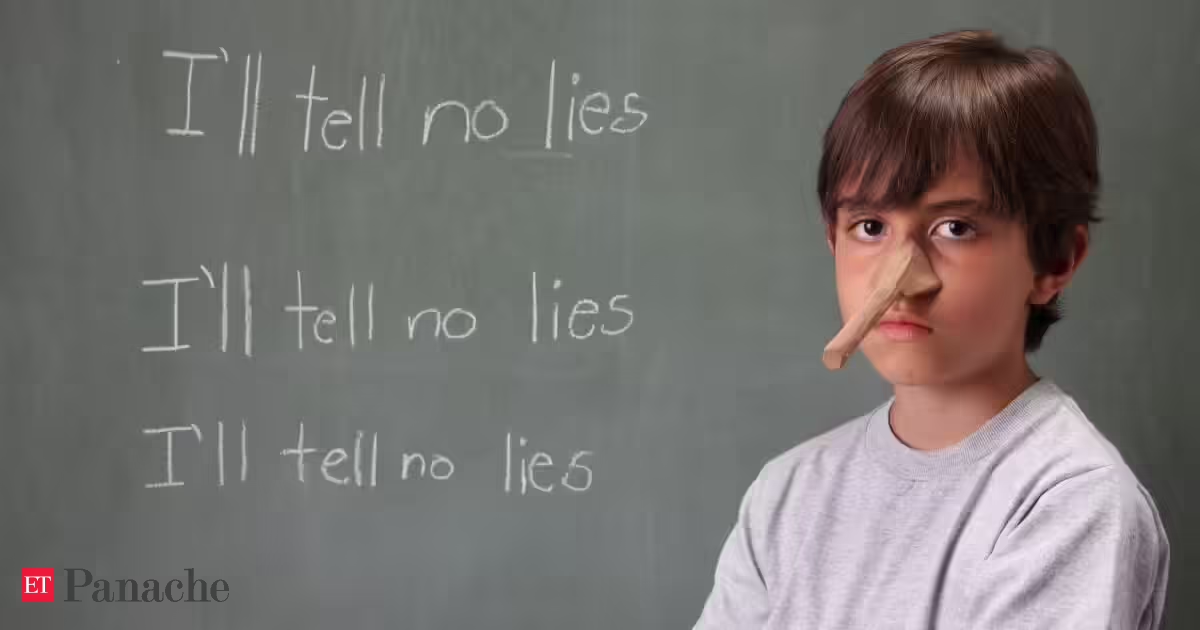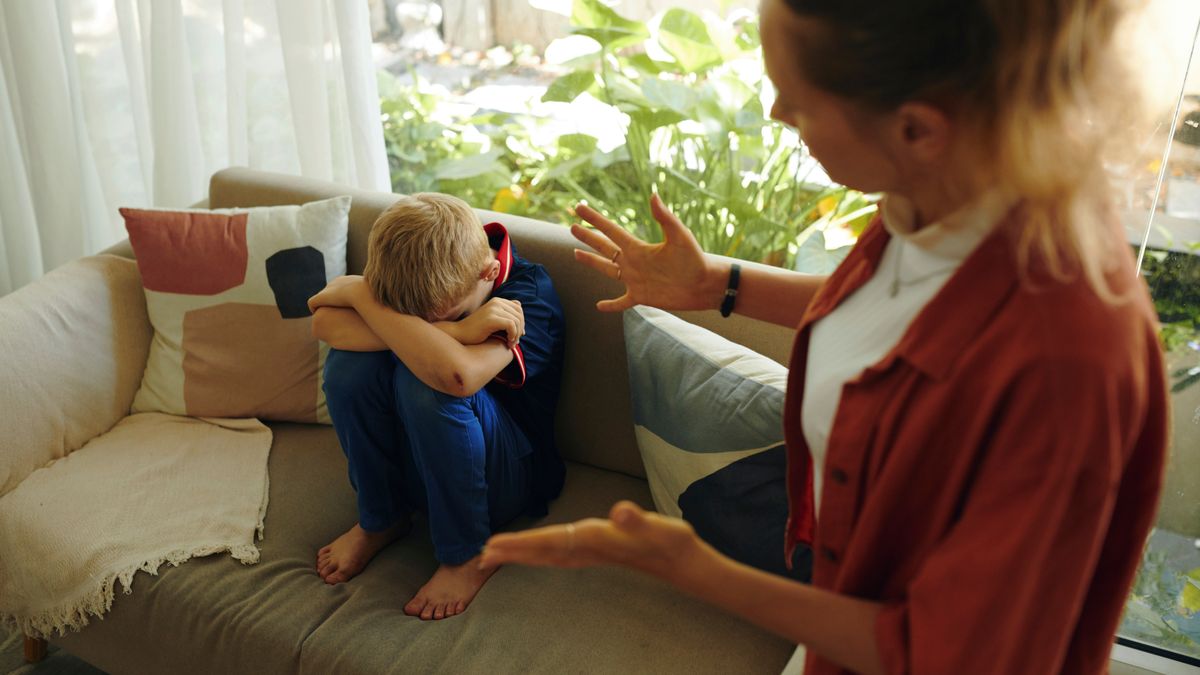
For many parents, catching your child in a lie can feel like a personal betrayal. Many of us were taught that lying equals disrespect, and that disrespect deserves punishment.
The problem with punishment is that breeds fear, which can then breed more lying. Think back to the last time you lied. What emotion drove it? Fear, embarrassment, guilt? If you knew your honesty would be met with empathy instead of anger, would you still have felt the need to hide the truth?
I’ve spent my career educating parents, teachers, and caregivers about early childhood development. Here’s the advice I give them when they catch their kids lying.
Lying in kids is developmentally normal. In fact, it’s a sign that their brains are developing the ability to plan, problem-solve, and imagine different outcomes. These are the same skills that drive learning and creativity. Researchers even call it “executive function in action.”
Put another way, lying is a developmental milestone, not a moral failure. Children may lie for several reasons: to avoid punishment, to manage social stress, having poor impulse control, or to protect their independence.