My research on social media shows high levels of misinformation and disconnect. Here’s how to talk to kith and kin this week without tears and tantrums
Dr Kaitlyn Regehr is the programme director of digital humanities at University College London
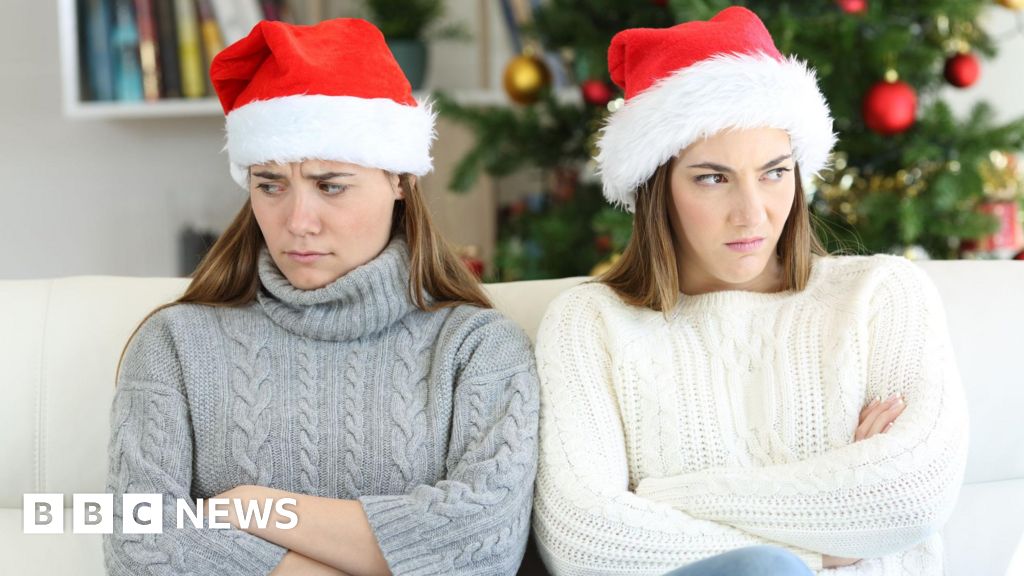
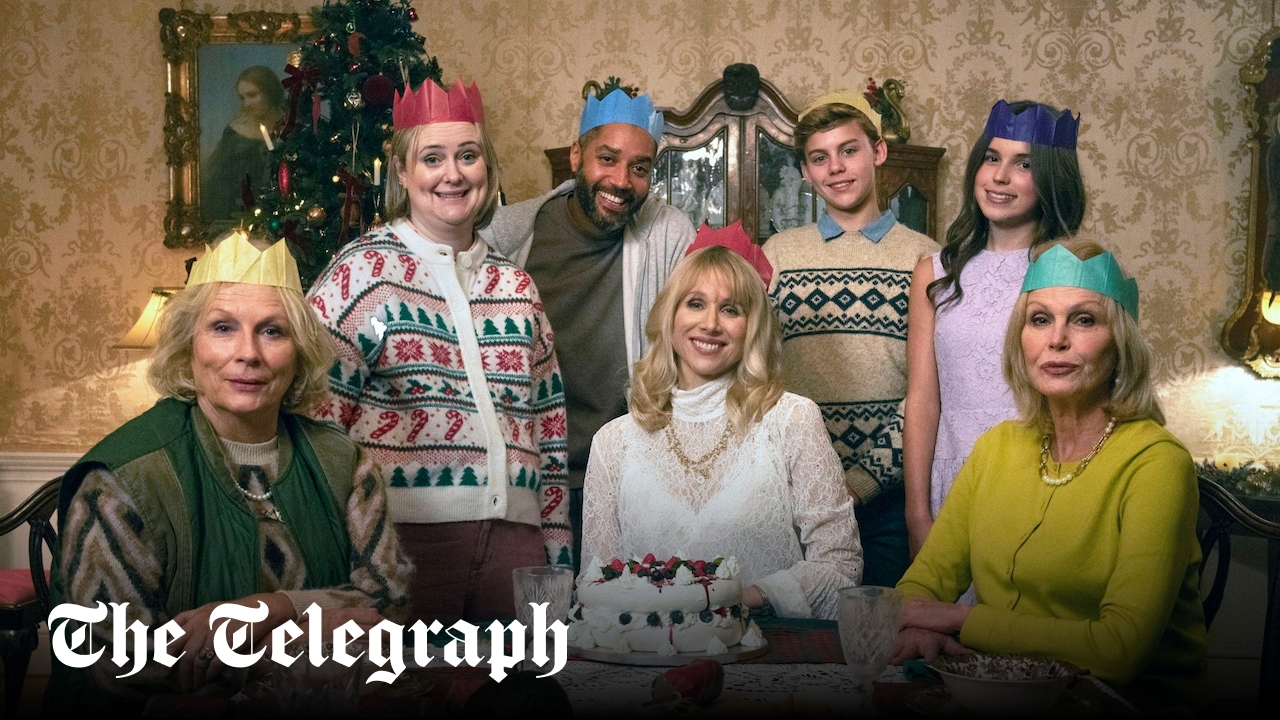
ecember: a time of cultural rituals around food, gathering and taking to TikTok to bemoan bigoted relatives. Indeed, this new cultural ritual is now a social media staple that sweeps across our feeds over the festive period. We post about intergenerational debates on politics; stomaching “wokeness” jokes; and the now near-mythical “uncle” character – the older male holding court at the table – exemplified by tweets that go something like: “My uncle just went on a 10-minute rant about [insert topic]. The turkey is dry and so is his take.”
In these situations, many of us are torn between the impulse to call out harmful speech and our (or more often, our mother’s) longing for family harmony. These micro-yuletide tensions are played out at dinner tables across the country and are indicative of broader cultural and political polarisation. Polarisation is amplified by the social media-driven information silos in which we all now live.
This year, rather than suggesting ways to deal with whatever echo chamber your in-laws have found themselves in, I am advocating for a new approach. That is, instead of trying to debate loved ones on the details of their own personal “filter bubble” or “you loop”, it might be better for us to step back from the minutiae and together discuss the technological processes pushing us all down more and more segregated and specific pathways.