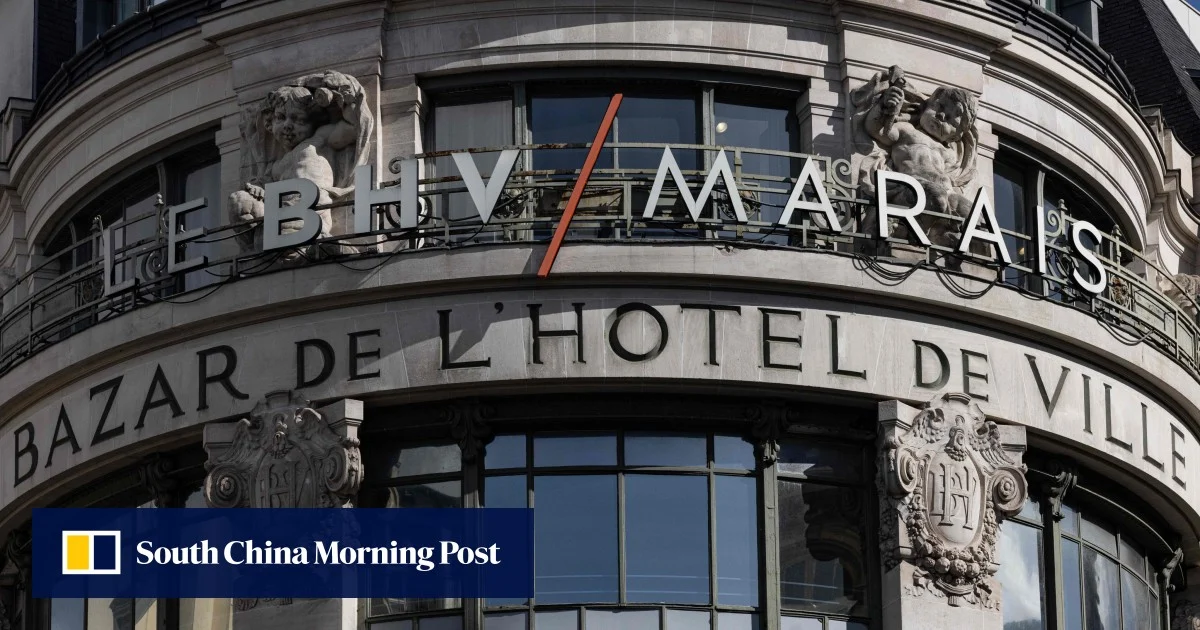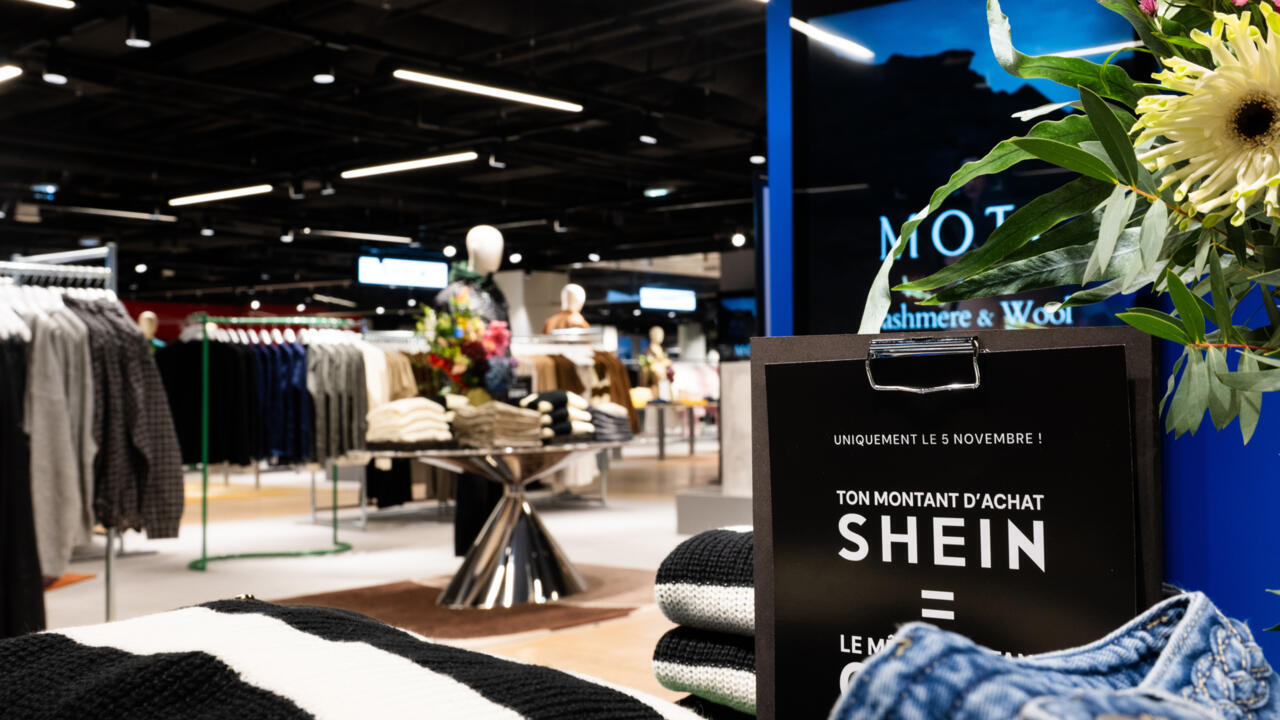
In front of a notice board during an action by activists from the Stop Fast Fashion coalition, near the BHV in Paris, on November 27, 2025. JULIEN DE ROSA / AFP
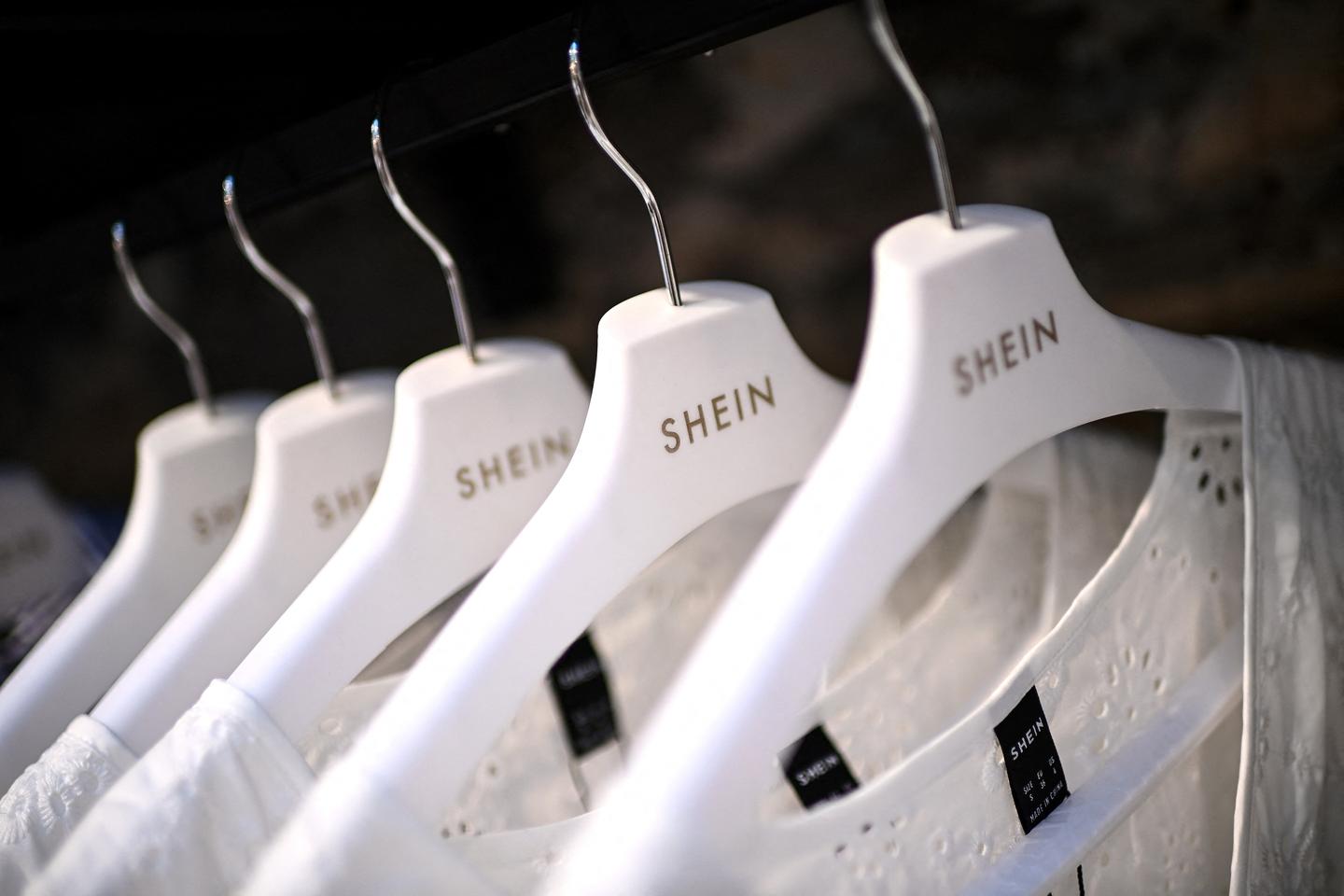
On the fifth floor of the BHV in Paris, a man sat at his desk next to the logo of a well-known bedding brand on Wednesday, December 10. He waited alone among the mattresses in the deserted department store. Across from him were the escalators to the Shein store, located on the sixth floor. "I see people going up and down all day, but few return with purchases," he observed (the individuals whose names are not mentioned requested anonymity).
More than one month after the shock of the Chinese e-commerce giant's arrival at the Parisian department store, what has become of the gamble made by its owner, Frédéric Merlin, president of the Société des grands magasins (SGM, a retail holding company that owns the store's business assets)? The launch took place on November 5, amid intense controversy, particularly after revelations that Shein was selling child sex dolls on its website. Did the media storm attract or drive away customers?
Neither a visit to the store nor a call to SGM shed any light on the mystery. The Chinese brand, when contacted by Le Monde, also declined to comment. The number of sales made by the platform's first physical location remains unknown. Only the number of visits – capped at 300,000 in the first month – was disclosed. In this atmosphere of uncertainty, conflicting narratives echoed on every floor of the department store.