In an era of rising nationalism, this move represents a brief flicker of hope for the internationalist ideal
‘I
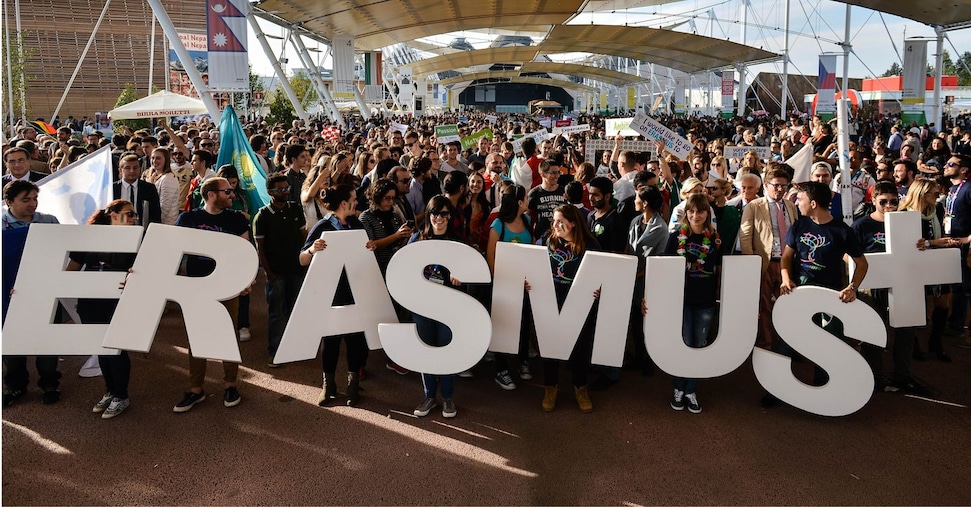
am a citizen of the world,” so the great Renaissance thinker Desiderius Erasmus is reputed to have said. It is because of his cosmopolitanism that 521 years after his birth, the EU named its exchange programme for students after him. It was part of a project aiming to create citizens of Europe, not just of its member states.
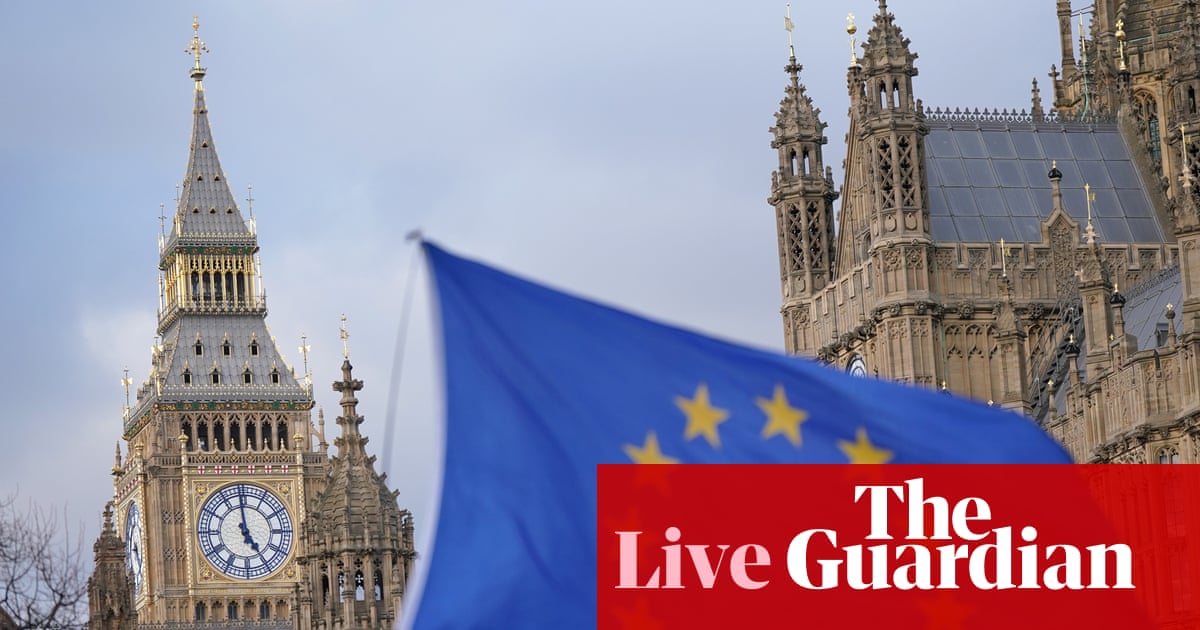
Britain’s post-Brexit withdrawal from the scheme was a setback for a cosmopolitan project that has suffered bigger blows since. Nationalism has been ascendant across the continent, and Euroscepticism ceased to be a peculiarly British phenomenon years ago. Could the announcement that British students are to be readmitted to Erasmus+ provide some hope that the internationalist dream is not dead yet?
As an alumnus of the then fledgling programme in 1989, I hope so. I spent a term in Erasmus’s home town of Rotterdam, at the university that bears his name, and was there when the Berlin Wall fell. Half-Italian, I was enthusiastic about the vision of ever-increasing union in Europe. So why did it falter?