The UK’s membership explained as it prepares to rejoin the EU education and training programme it left after Brexit
The UK is to rejoin Erasmus, the European Union’s education and training scheme, five years after the country pulled out following Brexit. The move will allow UK institutions to tap into Erasmus’s wide network of training, educational and cultural opportunities, with the UK government describing it as “a huge win for our young people”. But how will it work?
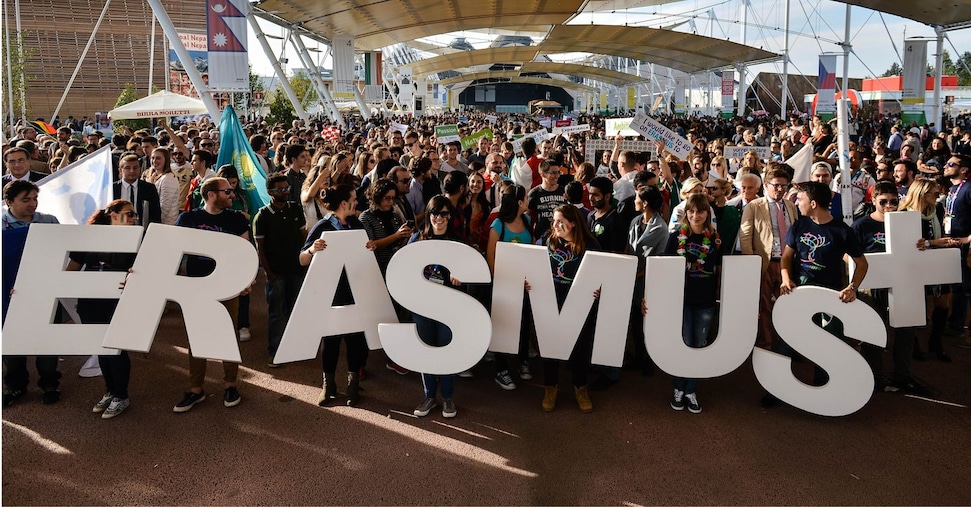
Although the first Erasmus scheme from 1987 centred on higher education students, it has widened over the years to become Erasmus+ and includes work placements for apprentices, sports coaching, teacher training and school language and cultural projects. UK ministers are keen to highlight the vocational and work experience elements of Erasmus+ membership for students and apprentices. In 2018-19, more than 8,000 UK trainees and just under 10,000 university students used Erasmus.
Individuals can’t apply directly to Erasmus; they apply through participating organisations such as schools, youth groups, colleges or workplaces. The individual programmes can last from two days to a year, and encompass all EU member states as well as associated countries – Iceland, Norway, Liechtenstein, Serbia, Turkey and North Macedonia. The scheme includes grants for travel, accommodation and living costs as well as course fees and some overheads. Students continue to pay tuition fees to their home institution.