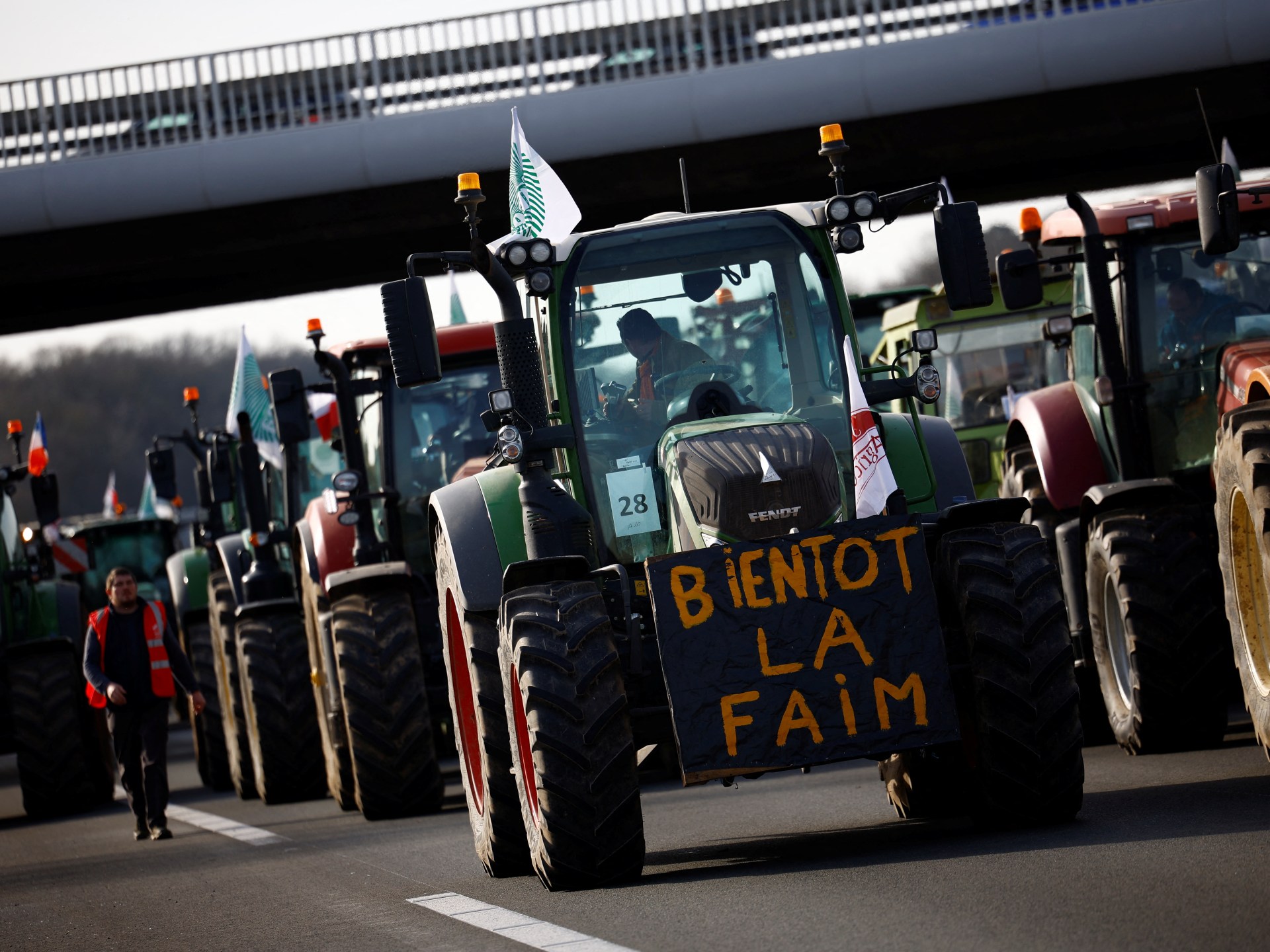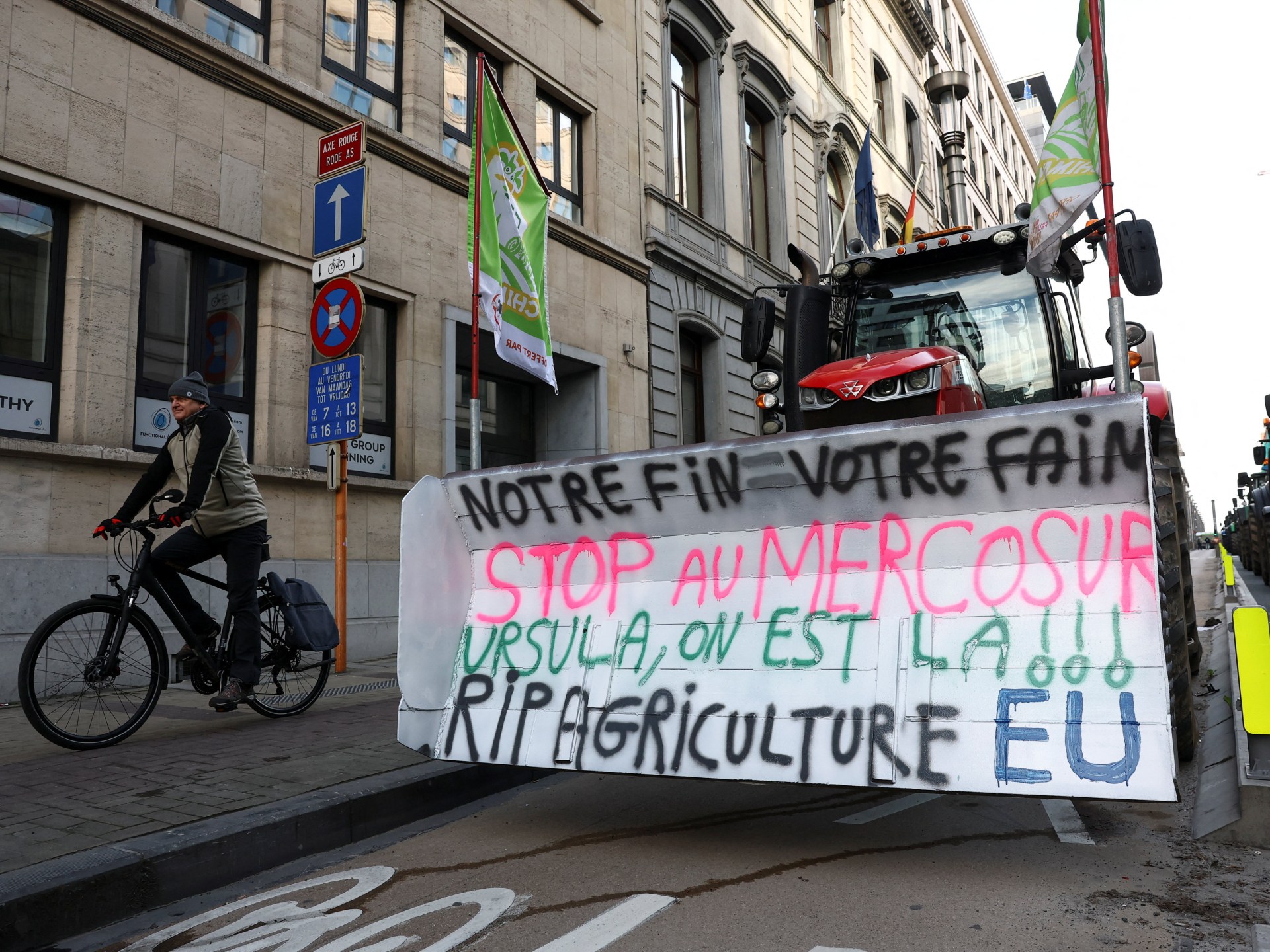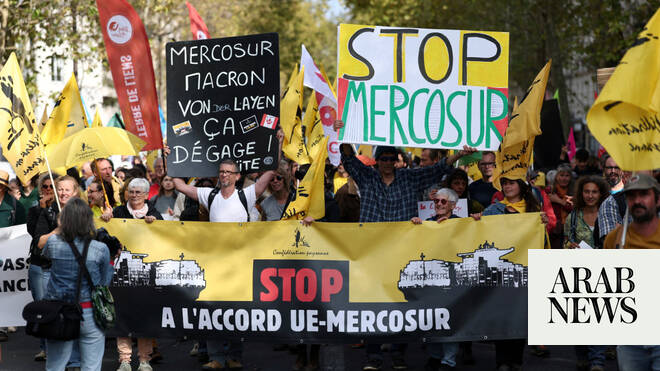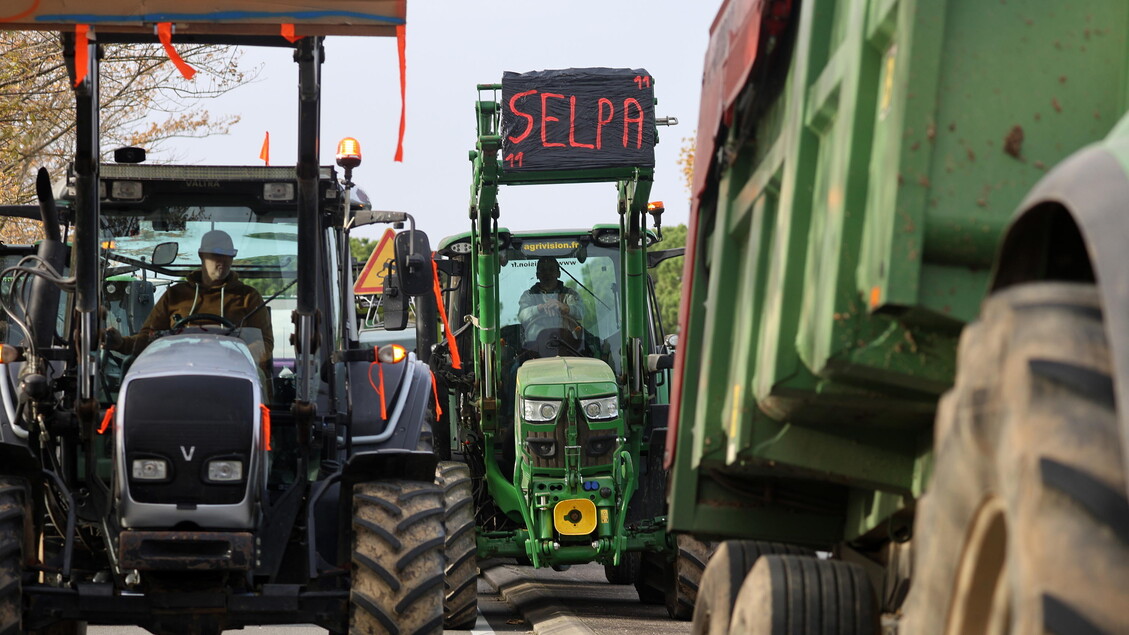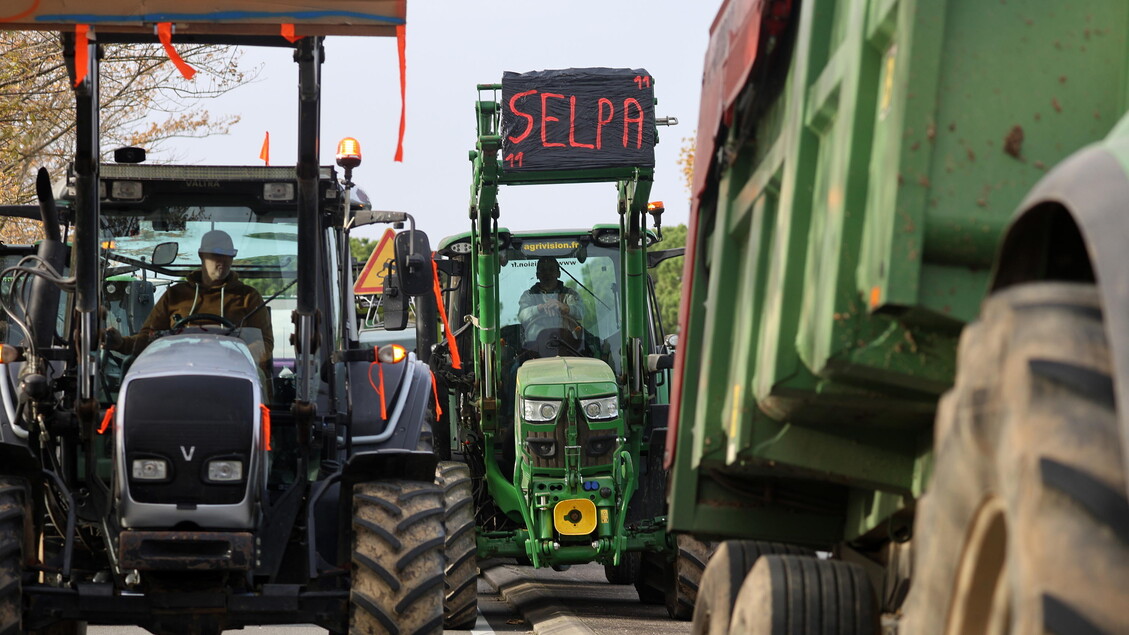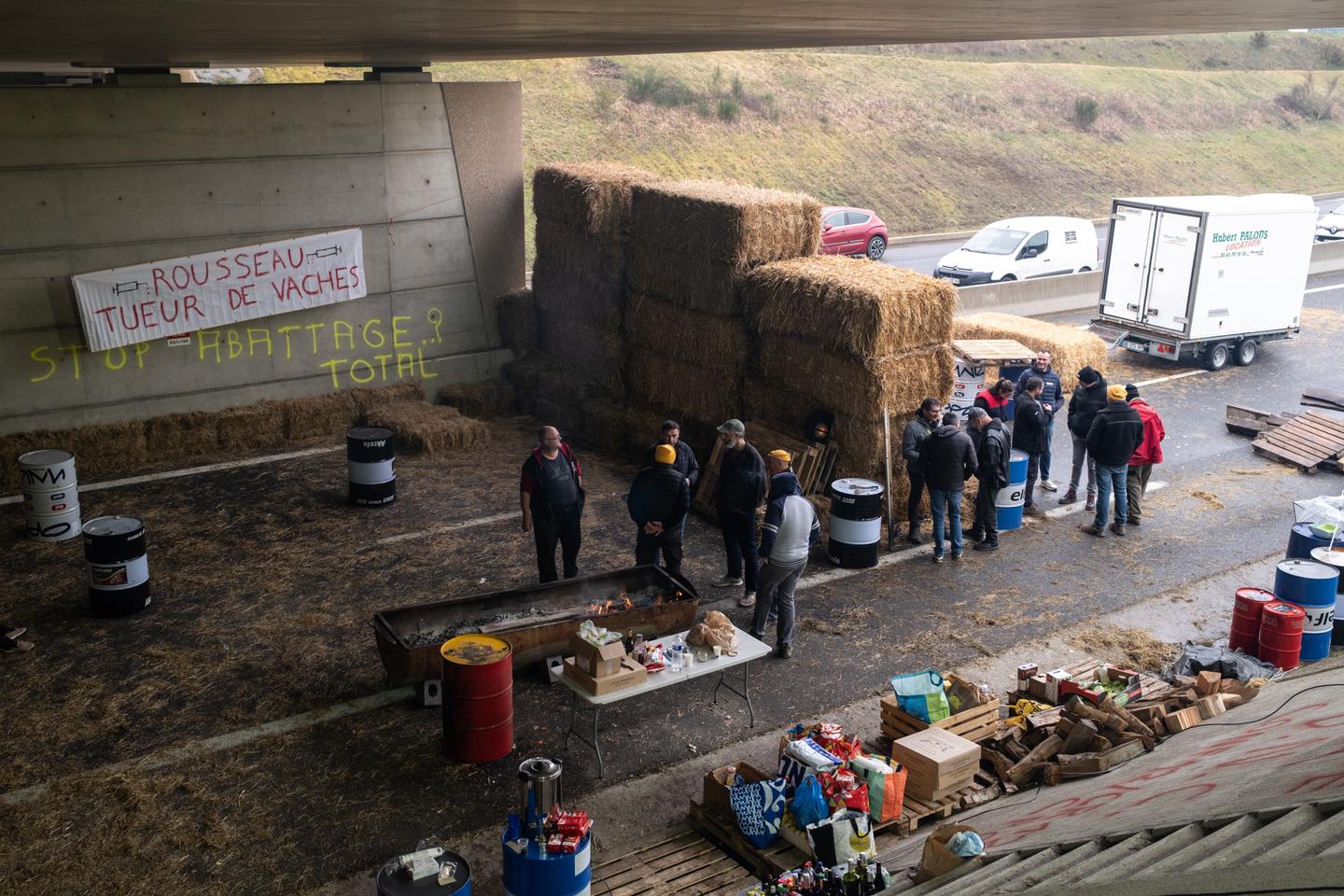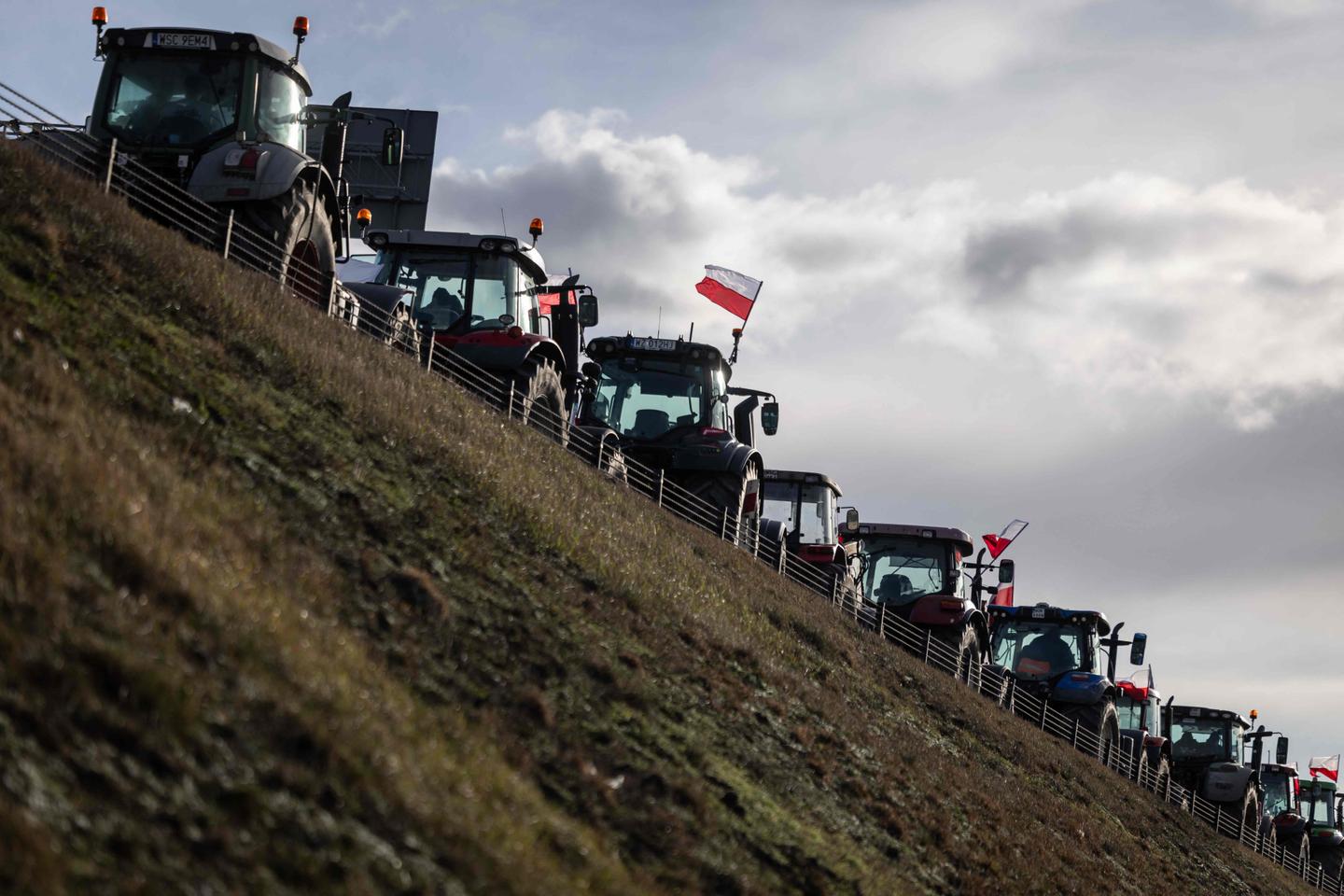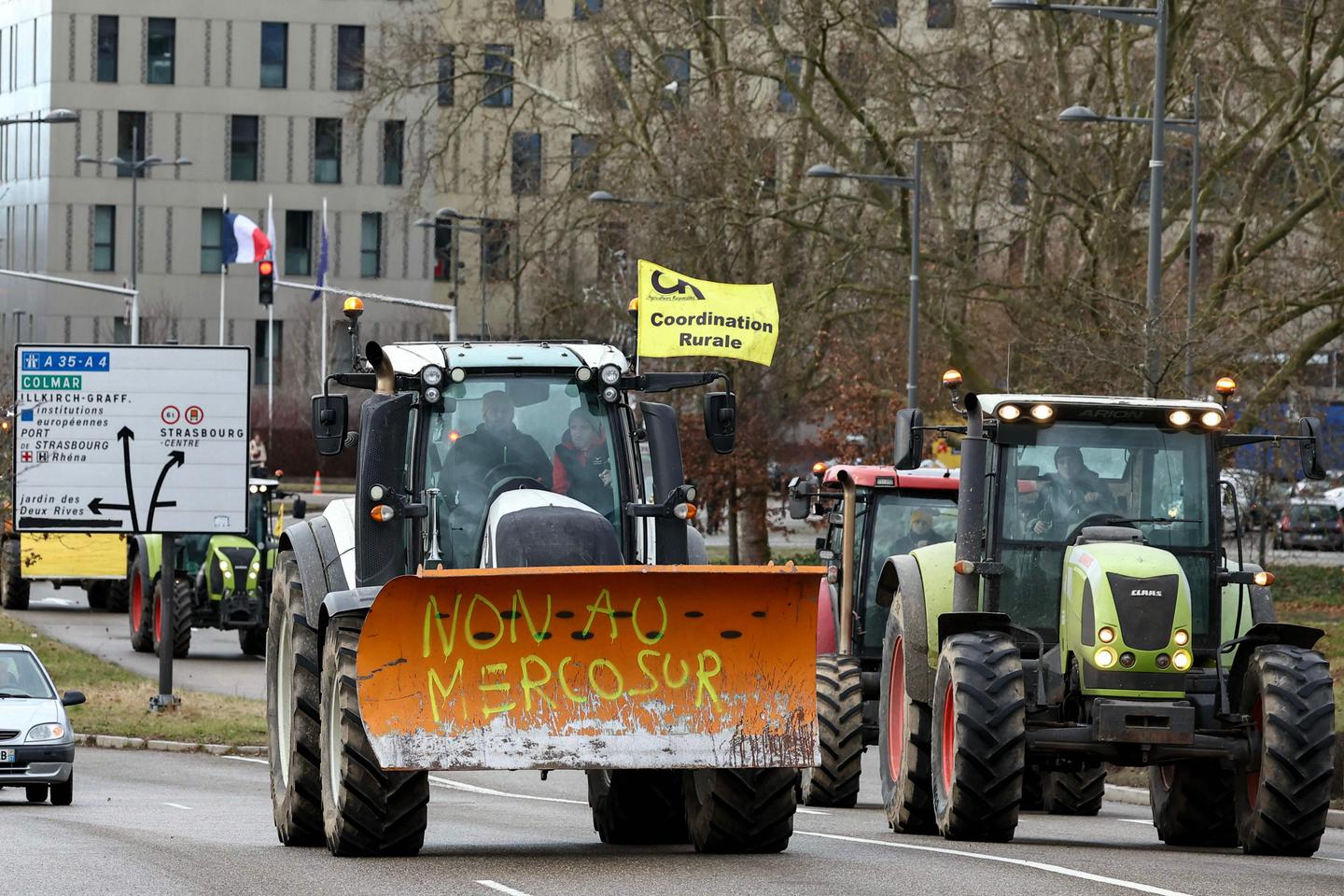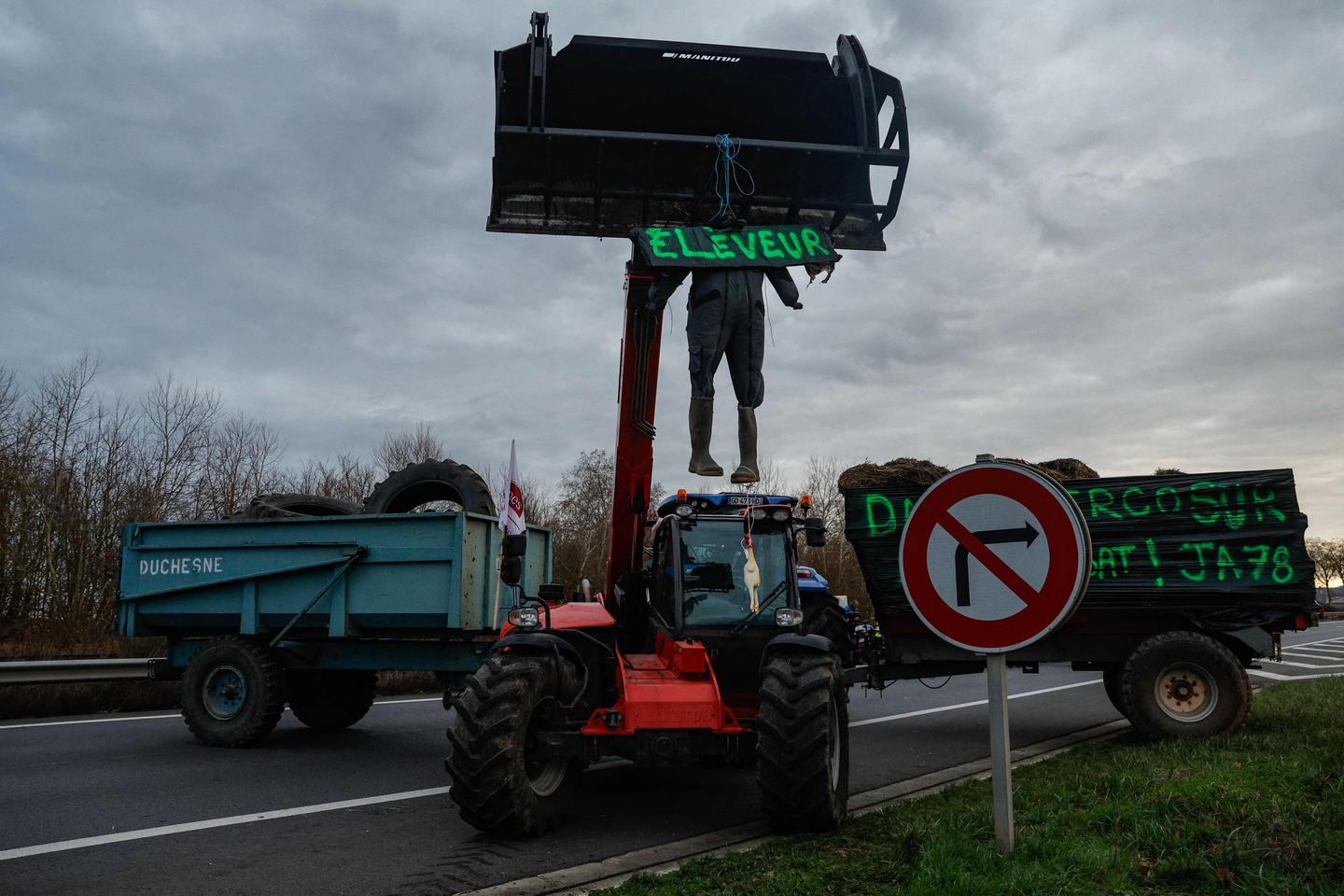
Members of the Jeunes Agriculteurs des Yvelines (Young Farmers of Yvelines) union partially block the N12 highway in protest of mandatory cattle culling and the EU-Mercosur trade agreement, Méré, France, December 16, 2025. GEOFFROY VAN DER HASSELT / AFP
Safeguard clause, mirror measures, tighter import controls... With pressure mounting for the European Commission to secure a mandate to sign the free trade agreement with the four Mercosur countries (Argentina, Brazil, Paraguay and Uruguay), after more than 25 years of negotiations, on Saturday, December 20, several provisions have been put forward in recent months to try and reassure reluctant countries, notably France, Poland and Hungary.
The content of the free trade agreement itself has not changed since December 2024, as negotiations with Mercosur have now concluded. The adjustments presented are additional measures. But, according to many experts and representatives of European agricultural sectors, these few safeguards fall far short of providing sufficient protection against an economic bloc with such vast differences in social, environmental and sanitary production standards compared to those in force on the continent.
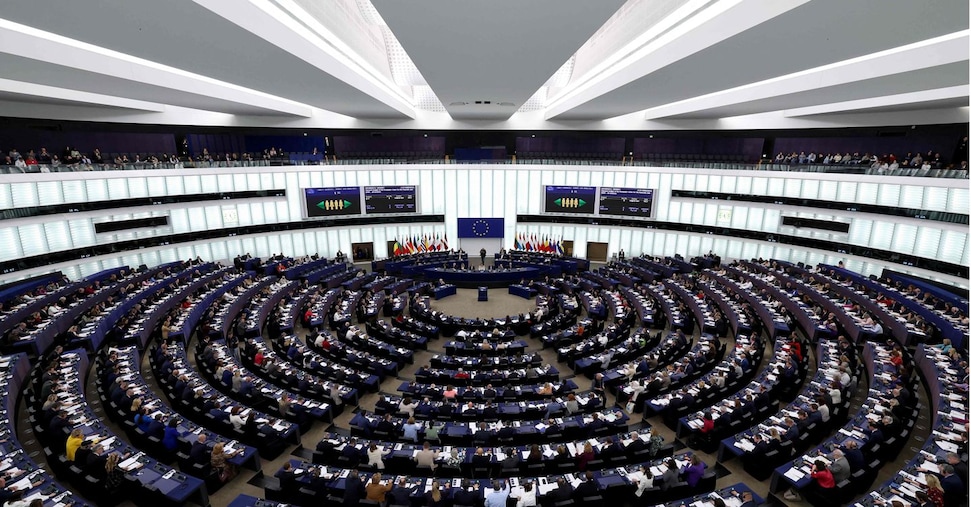
On Tuesday, December 16, the European Parliament adopted a regulation on how to apply the safeguard clause. Such a clause is not new and has been included in the agreement since 2019. It allows emergency measures to be activated if a sector experiences severe market destabilization. However, this type of mechanism, present in all free trade agreements, comes with highly restrictive conditions that make it extremely difficult to implement. According to economist Maxime Combes of social and economic justice campaigner AITEC, the European Union was only able to activate such a mechanism twice between 1995 and 2018. "The mechanism can be used to manage an urgent situation over time, but it is not designed to resolve competitiveness gaps between European countries and Mercosur countries," said Combes.