S
ince the #MeToo movement emerged in 2017, the grim reality of the scope of sexual violence has continued to come to light. After cases were revealed in artistic circles and workplaces, within couples, families and the Catholic Church, those in schools and childcare institutions have also spoken out, breaking decades of silence and exposing the scale of the problem.
An increasing number of parents' reports and complaints about abuse and sexual assault, targeting after-school activity coordinators employed by the Paris City Hall and other municipal authorities, is the latest sign of this reckoning. Of the 160,000 children who are victim to sexual violence in France every year, 81% experience it within their own families, while 11% are abused at school or in recreational settings, according to the Independent Commission on Incest and Child Sexual Abuse (CIIVISE).
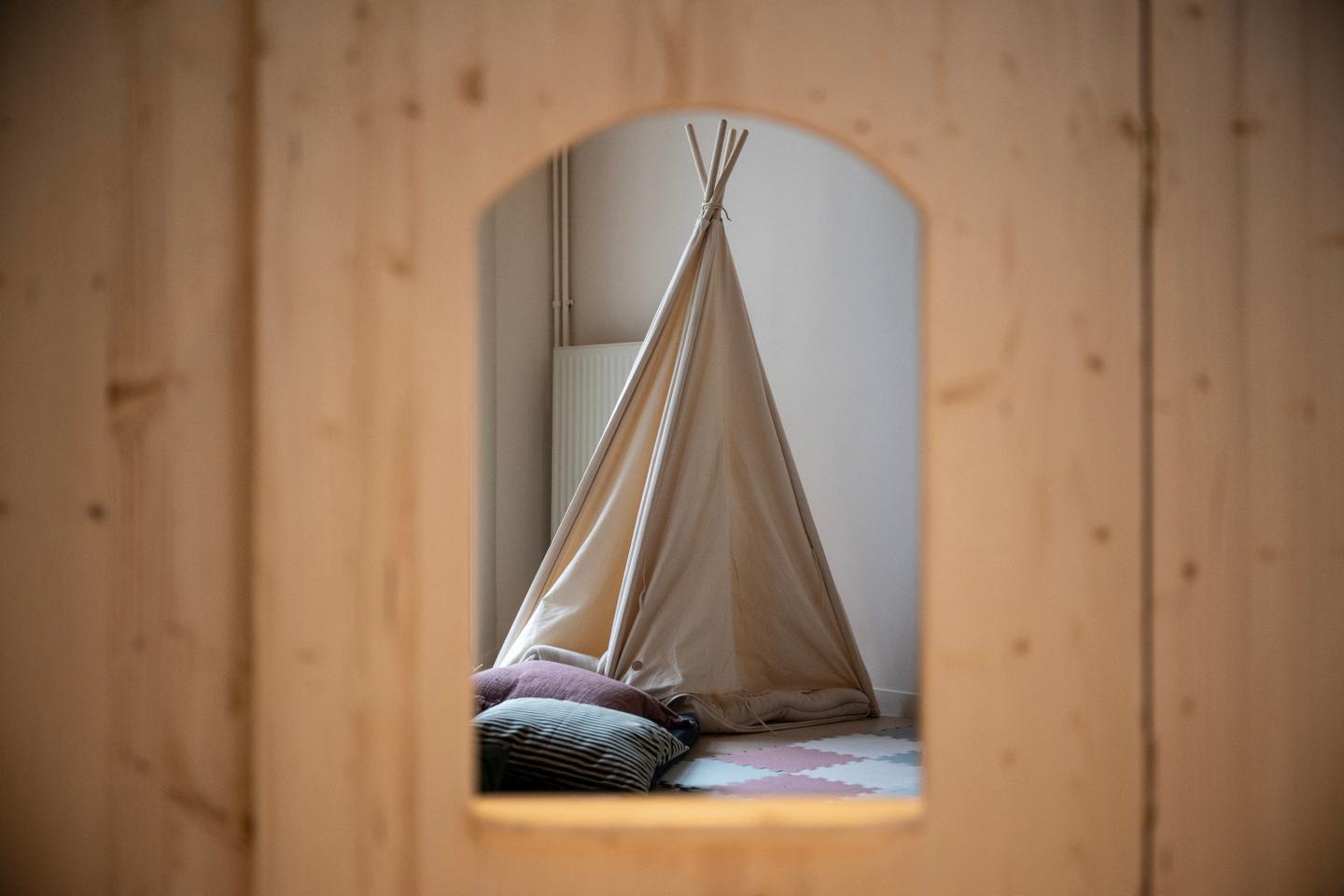
A playroom at the first health center dedicated to children who have been victims of violence and entrusted to child protection services, in Paris, on December 2, 2025. JULIEN DE ROSA / AFP
While the full extent of these serious dysfunctions has yet to be determined, there is little doubt as to why such abuses may be concentrated during certain parts of children's daily schedules, such as lunchtime, afternoon snack time or after-school workshops. These activities, which are run by municipalities, are staffed by people recruited and paid by the authorities, under conditions which do not focus on the child's best interests. These jobs are often irregular, running for just a few hours on certain days each week, and are typically performed by temporary workers who are poorly paid and have little or no training.