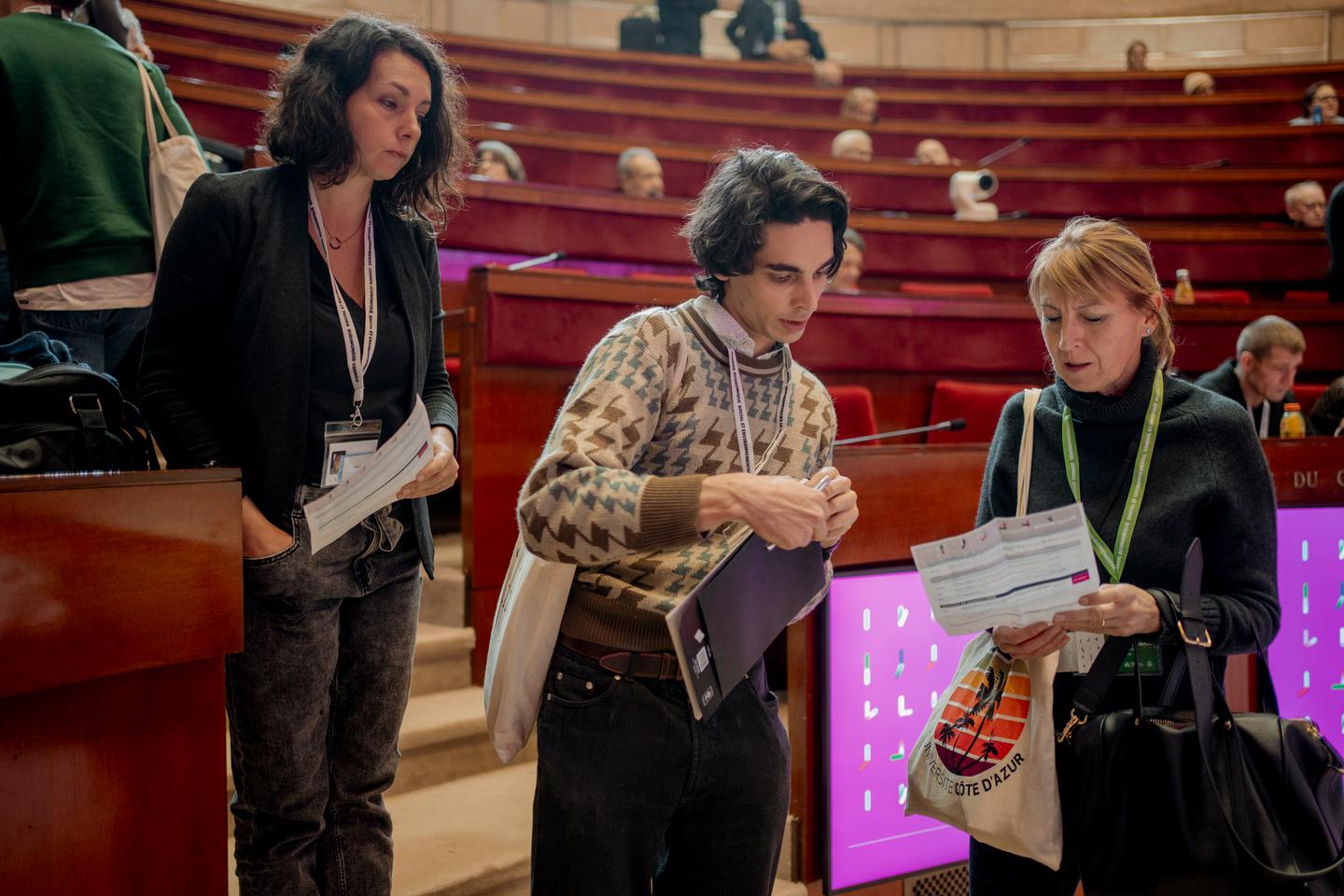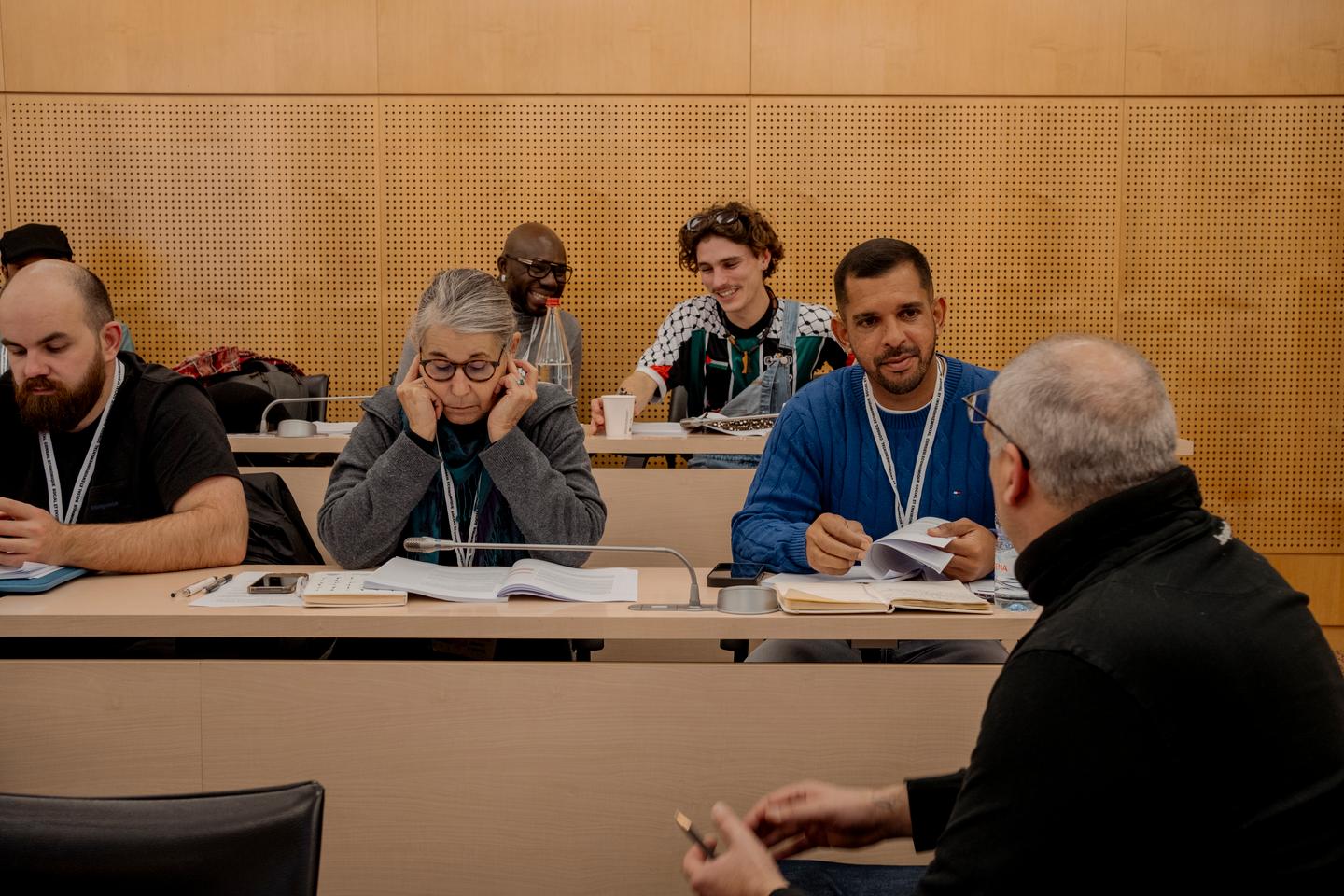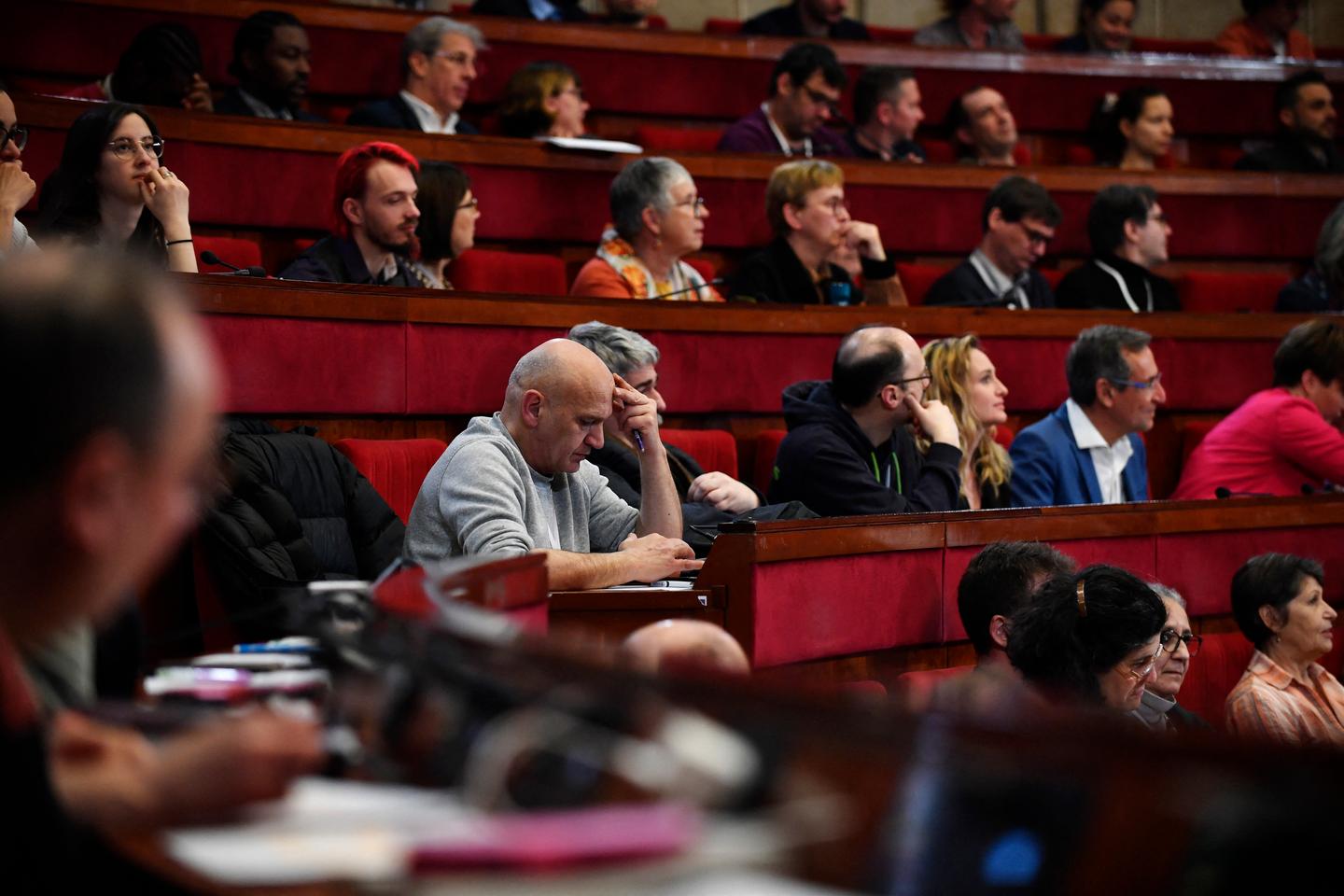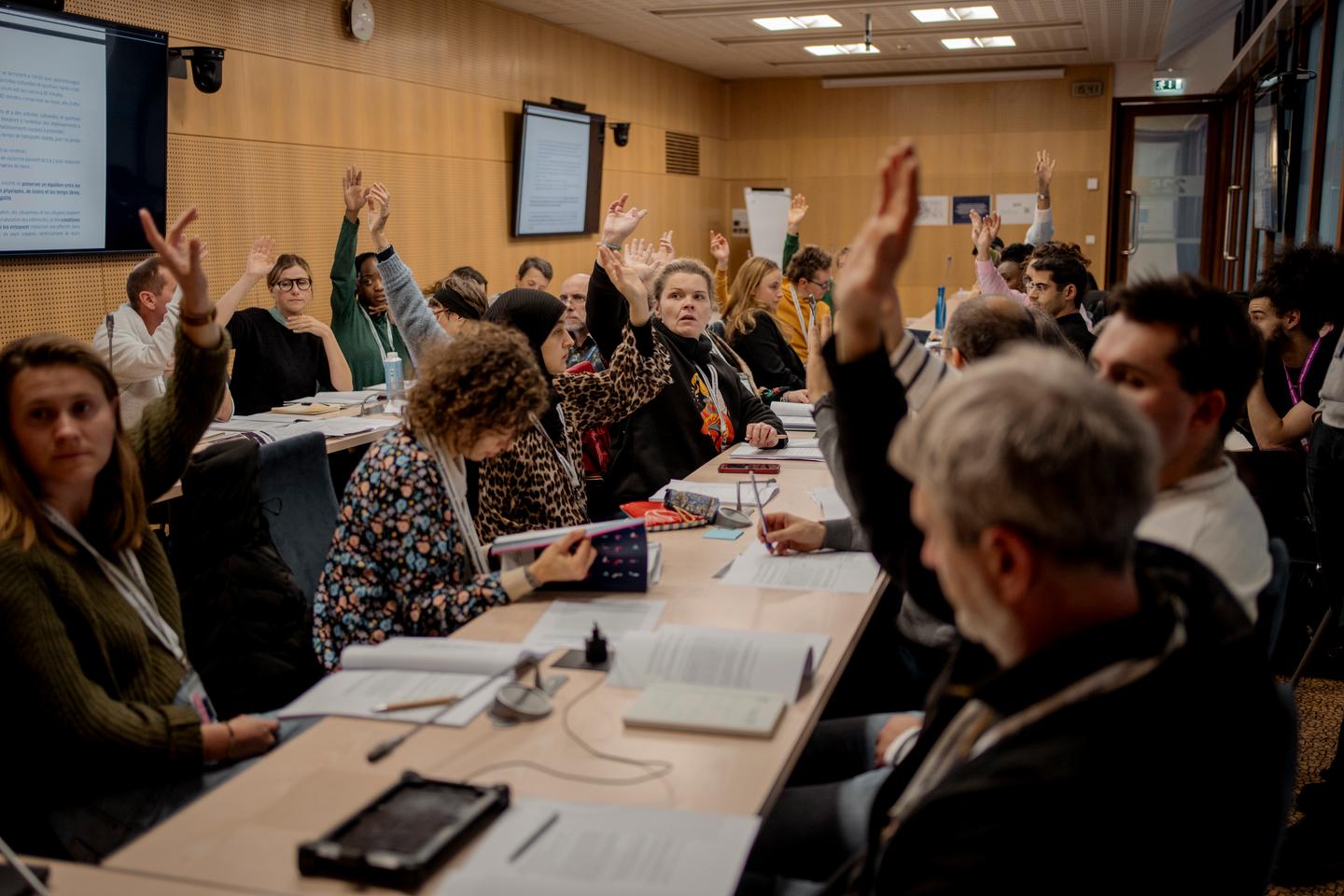
Working group during the seventh session of the Citizens' Convention on Children's Time, in Paris, France, November 21, 2025 AGNES DHERBEYS / MYOP FOR LE MONDE
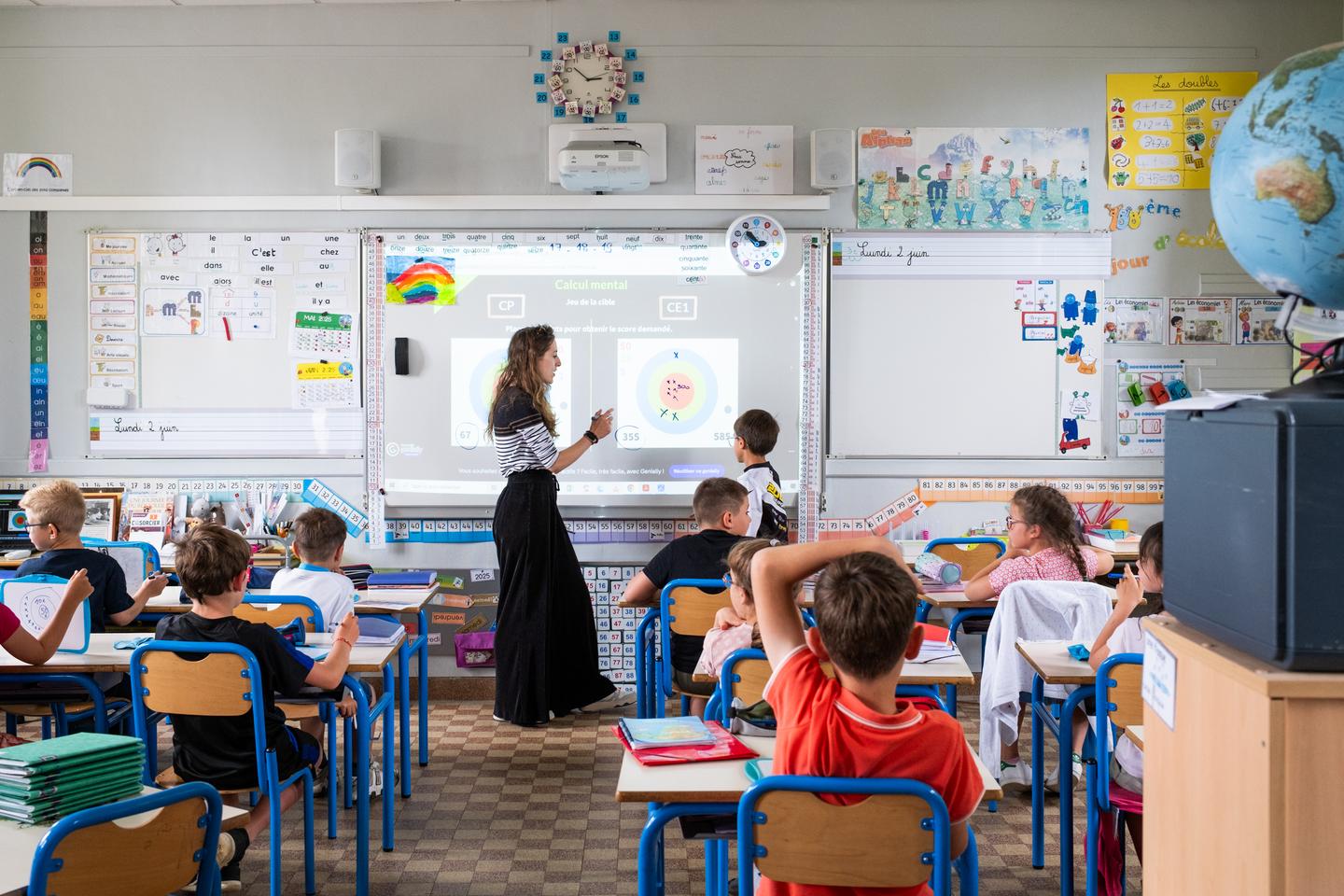
The question asked by the French government in May to the 133 randomly selected participants in the French citizens' convention on children's schedules was daunting: "How can we better structure the different times in children's daily lives so that they are more conducive to their learning, development and health?"
The citizens brought together by the Economic, Social and Environmental Council (CESE), a government advisory body, fully embraced this broad mandate as they prepared their final report, which was adopted by 199 votes for, and two against, on Sunday, November 23, in the morning. The vote marked the final step after they had agreed, in mid-November, on 20 proposals, each adopted by more than 66% of the group. Together, these measures outline a profound transformation in the management of children's time, currently too "fragmented" and "under-resourced, both in terms of personnel and finances." First, they called for a sweeping overhaul of the school system, which they described as "unsuited to children's biological rhythms."