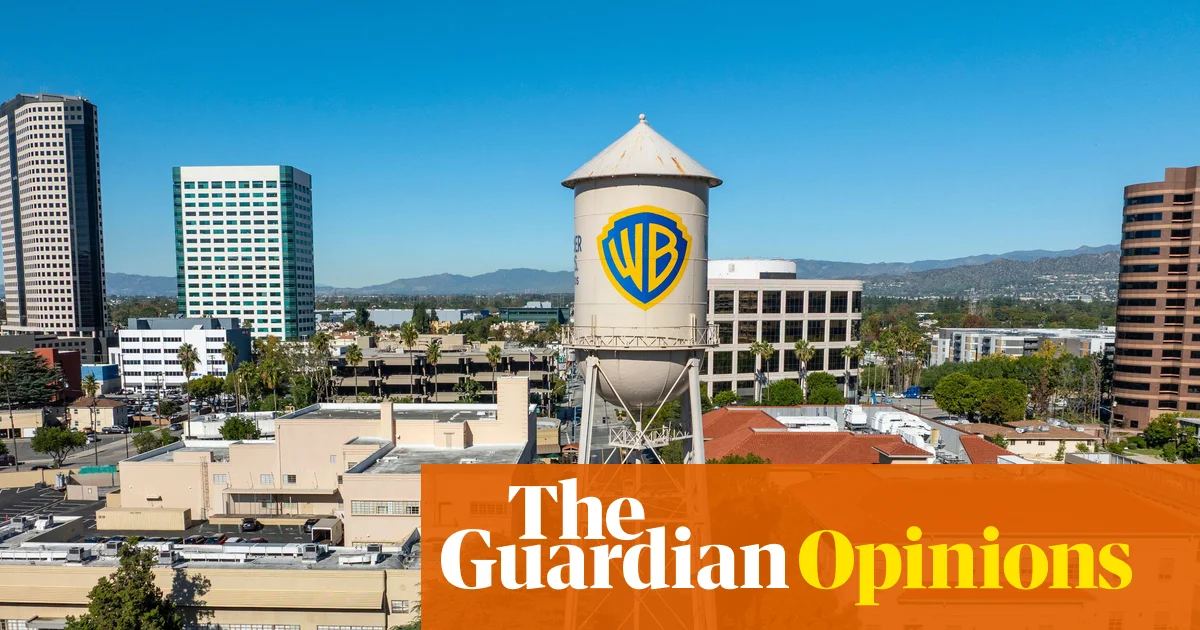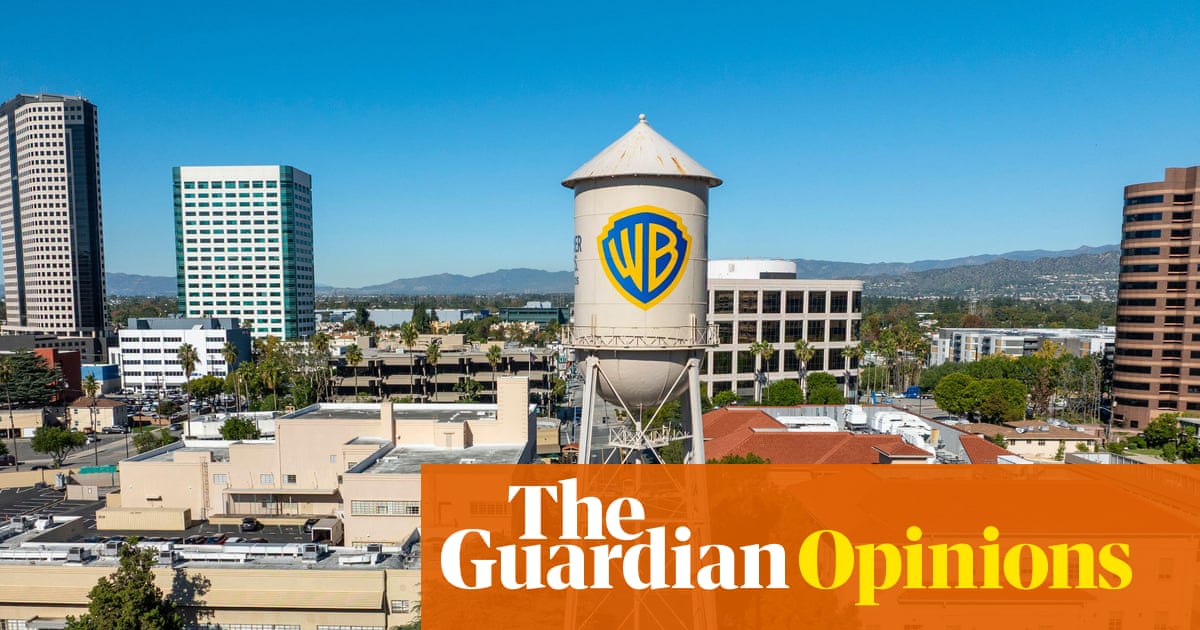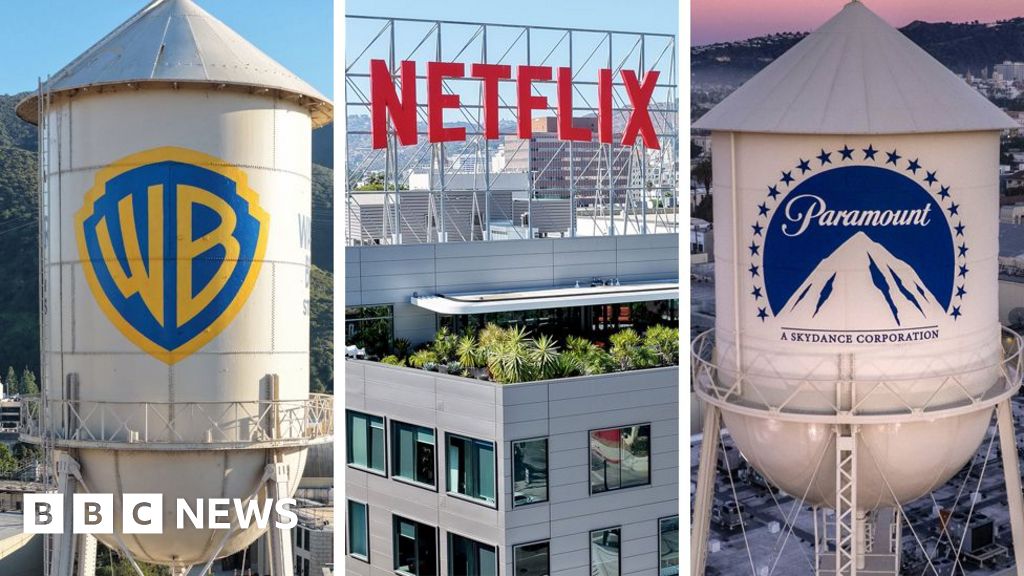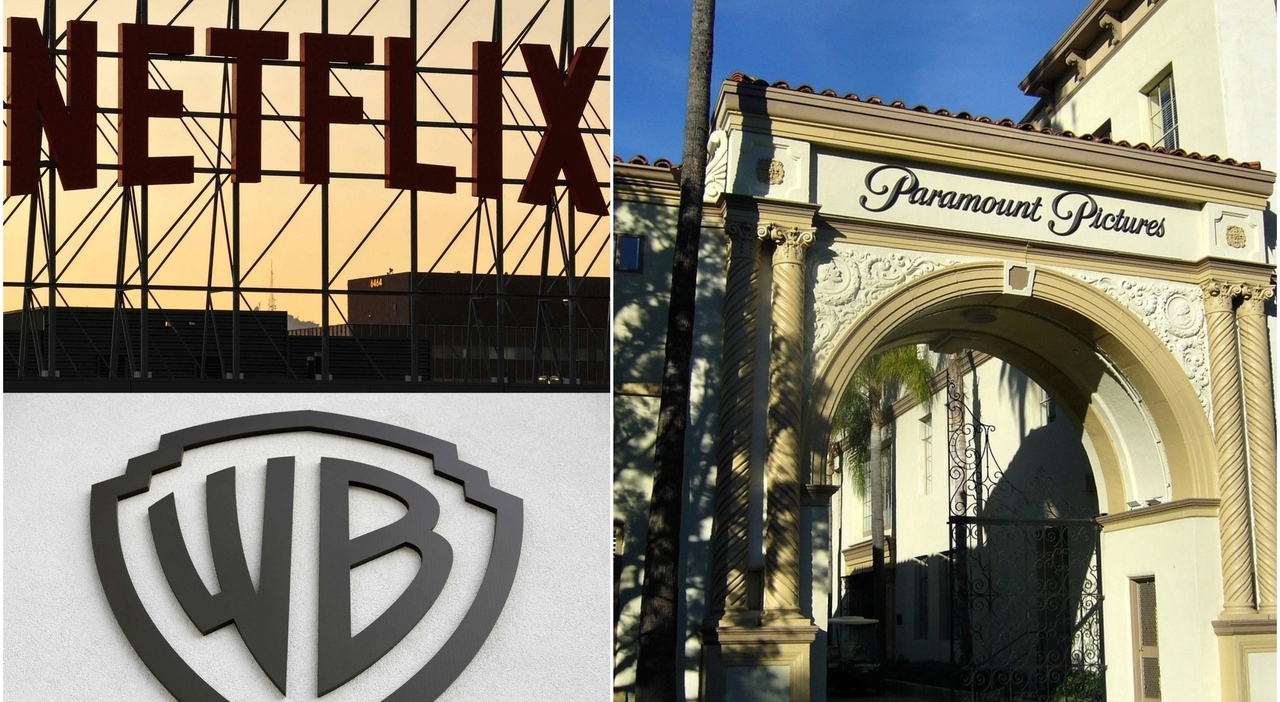
Last week, Warner Bros. Discovery (WBD) announced plans to sell Warner Bros. Pictures, DC Studios and streaming service HBO Max to Netflix, following a bidding war that also ended with a hostile takeover bid by Paramount. The planned sale would create a mammoth streaming and production giant with intellectual property rights to beloved franchises including Batman and Harry Potter. It’s also sure to draw scrutiny from antitrust enforcers at the Department of Justice (DOJ).
Is this a step toward more viewer-friendly competition, or toward entertainment monopolization? What about Paramount’s bid? Even President Trump is concerned about the situation. But the answers aren’t obvious.
The merging parties argue that Netflix subscribers could benefit from an expanded content library and bundled services with HBO Max at lower prices. They also expect “at least $2-3 billion of cost savings per year by the third year” and combined resources that could foster more content and allow for bigger creative risks.
Importantly, the deal could create a stronger competitor against other diversified media giants including Amazon and AppleTV, which are subsidized by their respective e-commerce and mobile/computing platforms. Recent antitrust verdicts recognize the importance of such scale for competitiveness in digital markets. A 2023 U.S. District Court decision approved Microsoft’s merger with gaming studio Activision Blizzard, as it allowed games to reach a wider audience while creating a stronger competitor against market leader Sony.