ByCat Wang,
Forbes Staff.
A
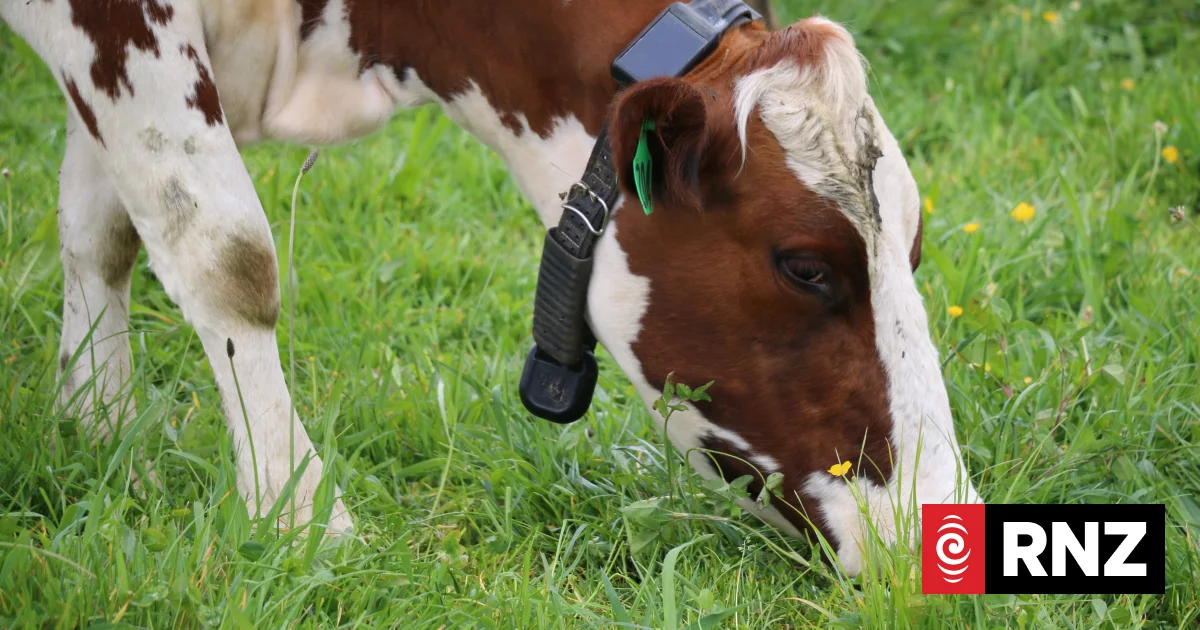
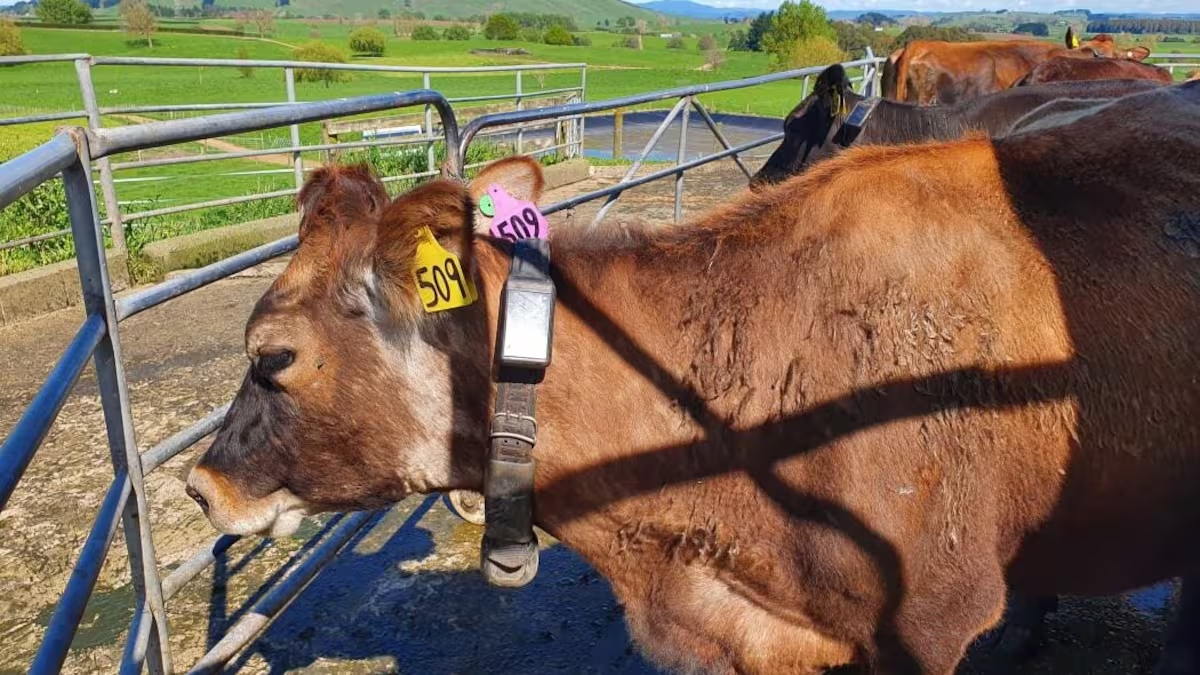
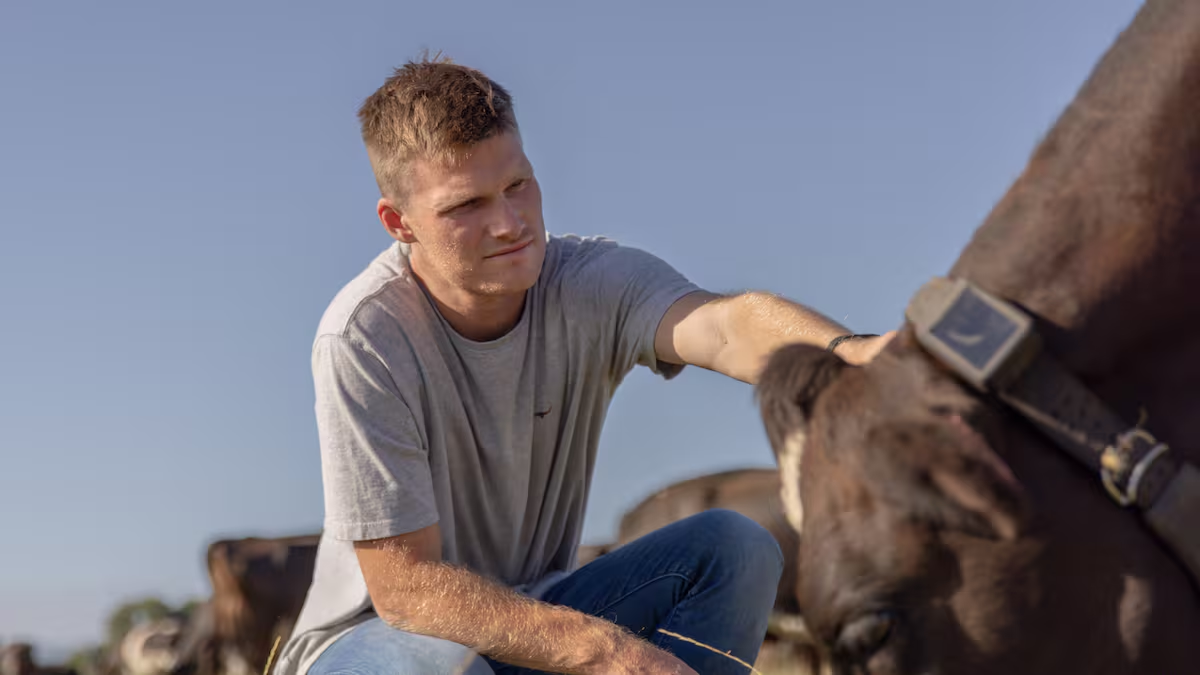
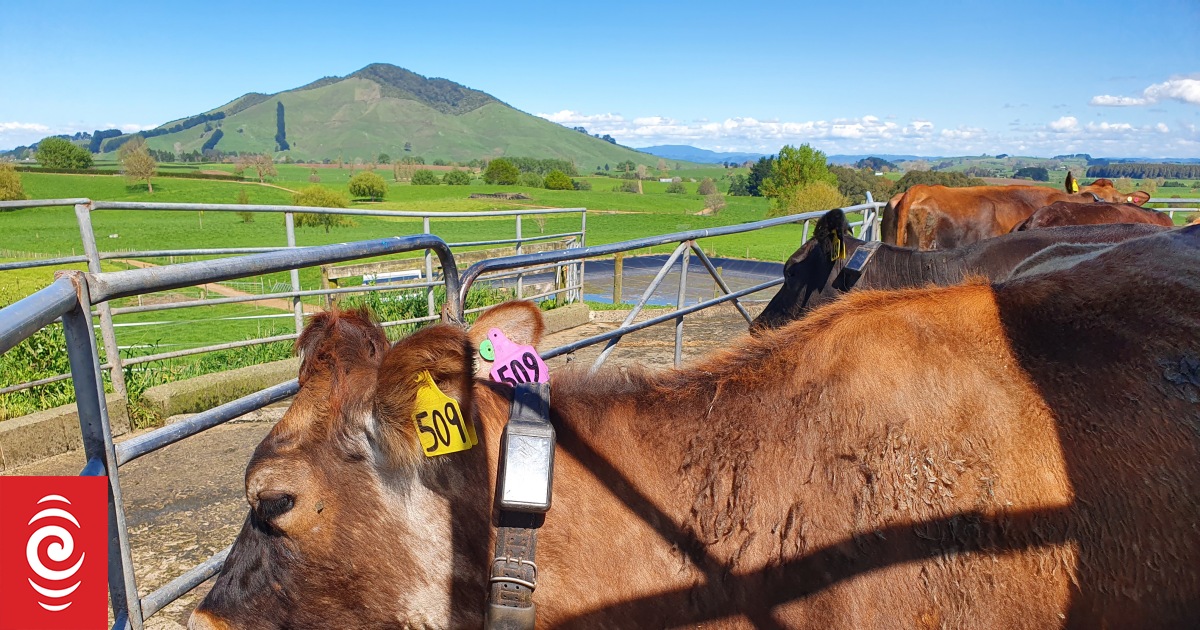
bout 100 tiny, moving yellow dots are clustered within a triangle on the screen of Craig Piggott’s mobile phone. Each dot represents a cow on his family’s dairy farm in New Zealand’s rural Waikato region, and each cow is wearing a wireless smart collar made of thick, black plastic, resembling a belt with a solar-panel-fitted buckle. Standing nearby, Piggott taps and holds a button on his phone screen. In an instant, the cows lift their heads and dutifully plod across the field to where fresh grass is ready for grazing.
The bucolic scene is part of a video demonstration by Auckland-based Halter, Piggott’s nine-year-old company, to show how cows can be trained and managed with its virtual fencing technology. Relying primarily on vibrations and sound cues, Halter’s smart collars allow farmers, by using the app, to steer their cows toward new sections of a pasture and keep them within set boundaries. The 31-year-old chief executive tells Forbes Asia by a video call from San Francisco, where his lead VC investor is based, that his product saves between 20 and 40 hours of labor a week: “Our core milestone is building the category to a point where you just wouldn’t dream of running a farm or ranch without some form of virtual fencing product.”