I
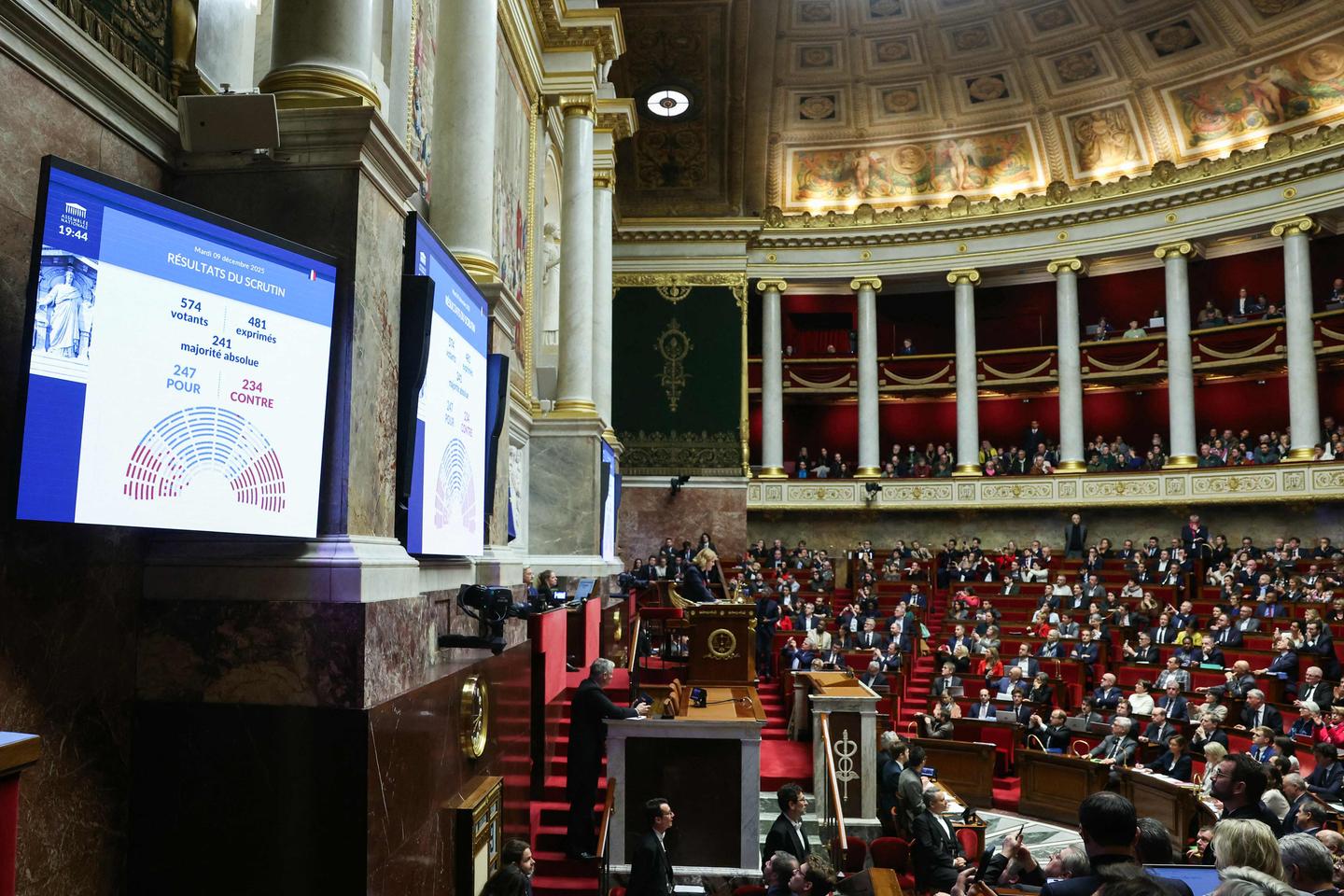
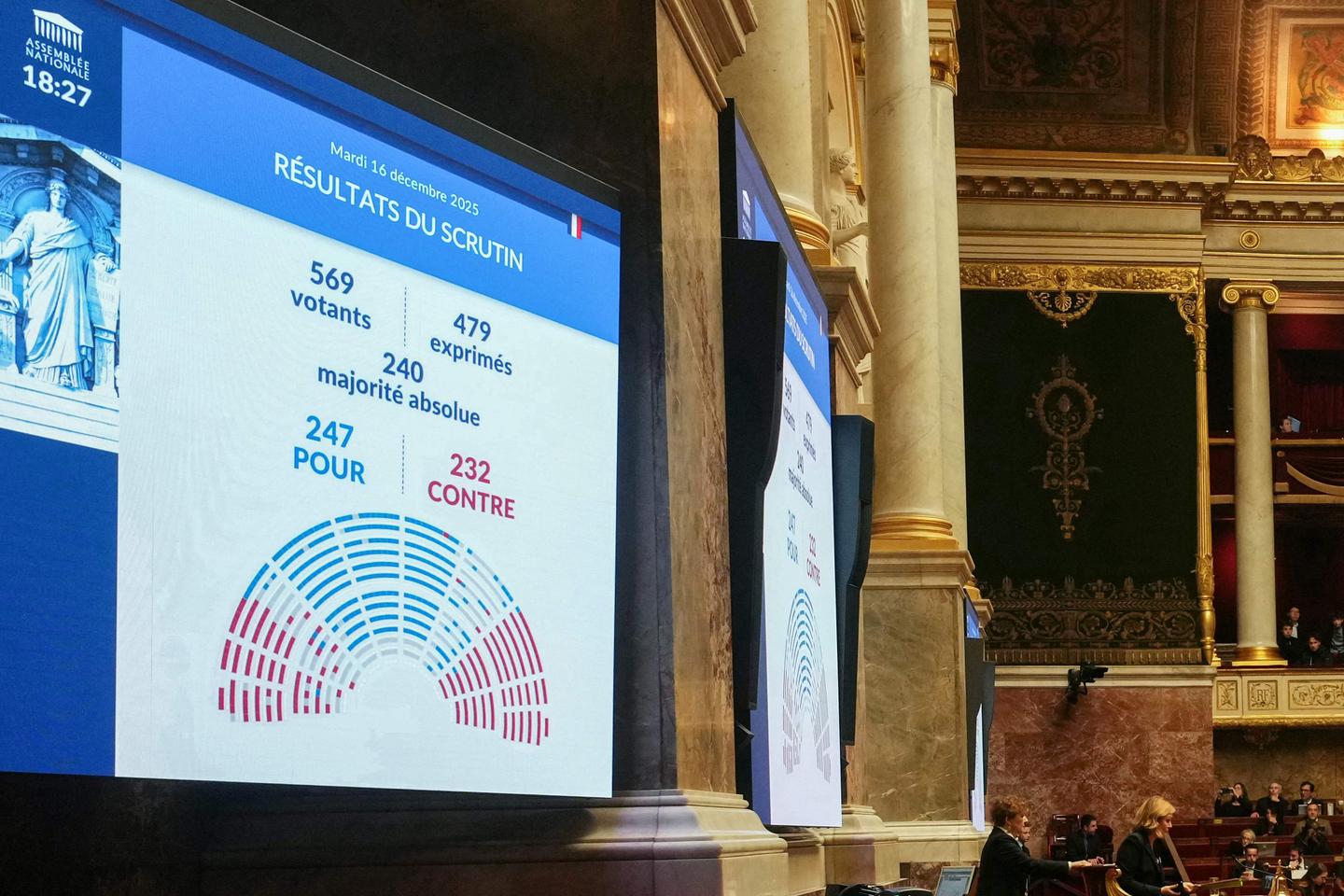
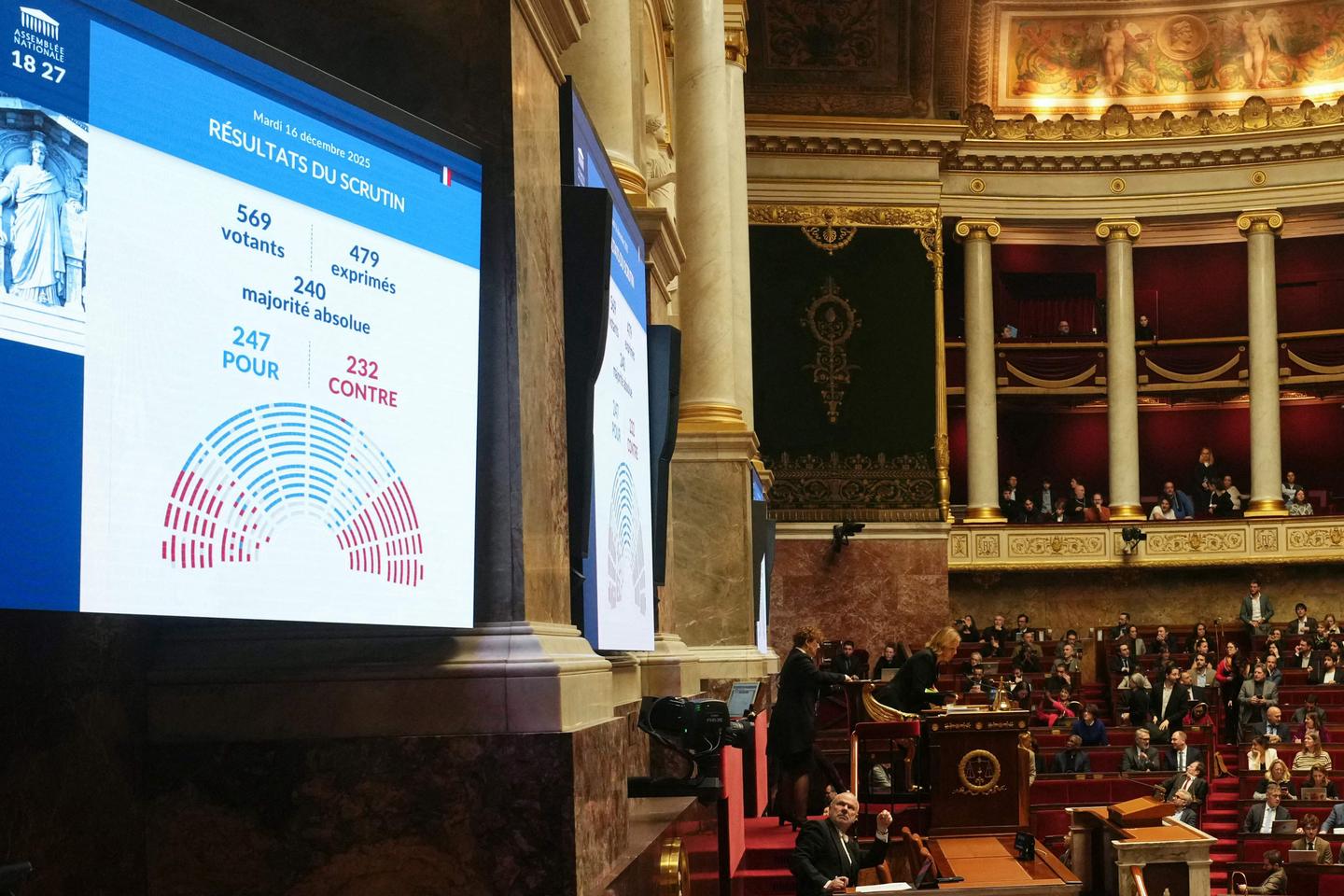
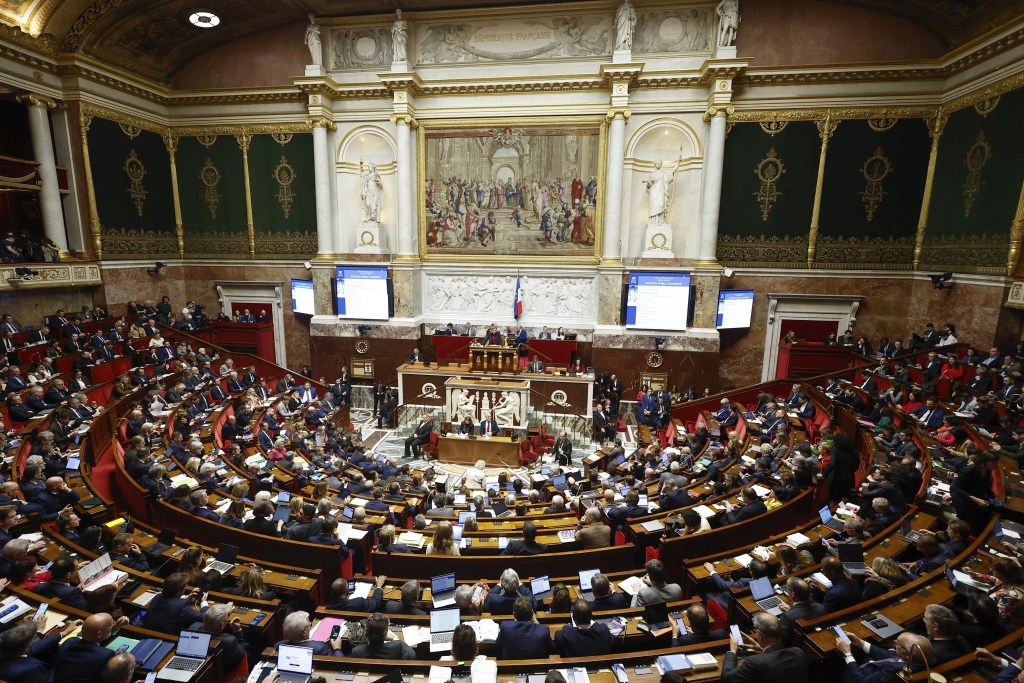
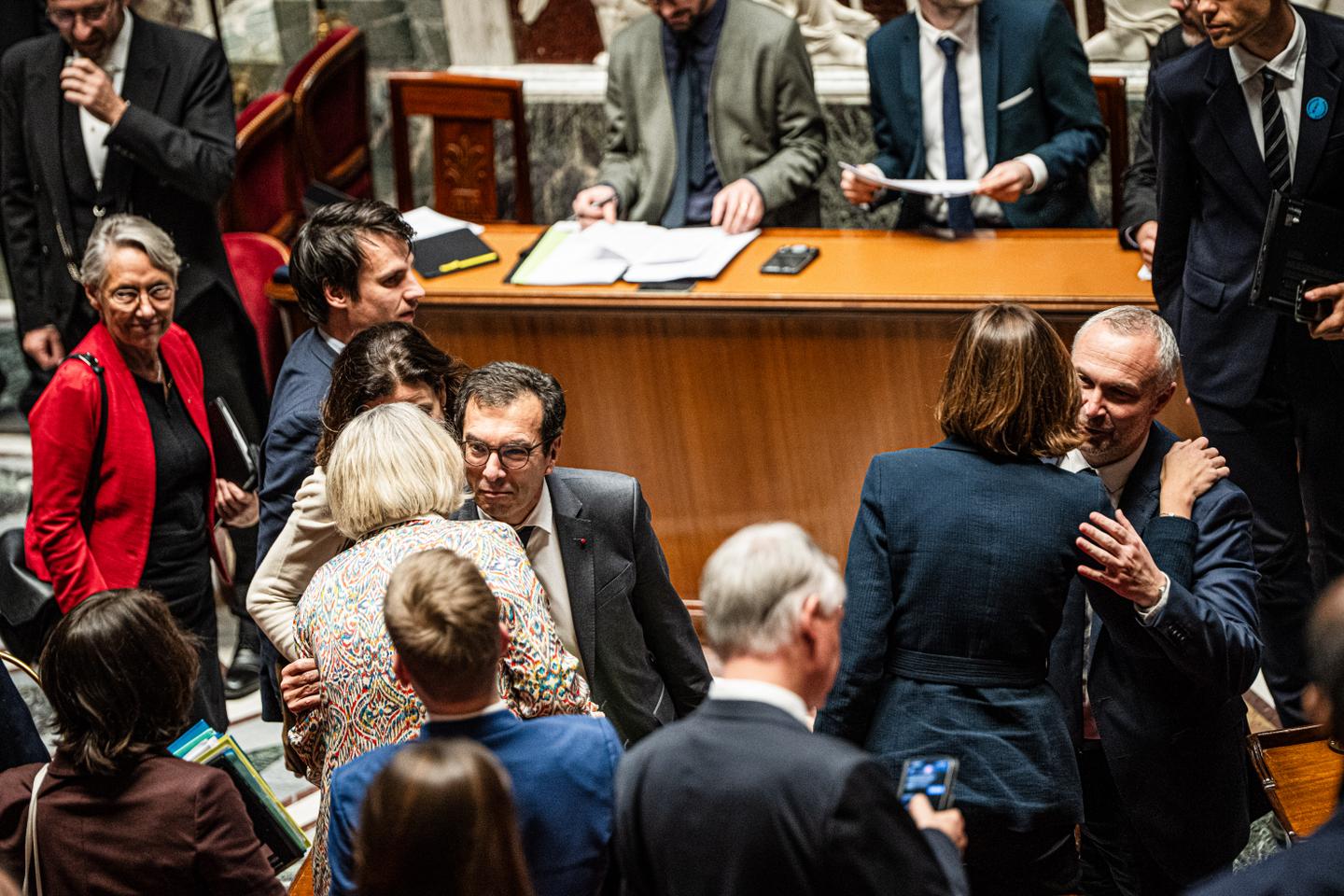
t was a tour de force. On Tuesday, December 9, members of France's Assemblée Nationale passed the social security budget bill by just 13 votes. For the first time since 1958, a budget bill was passed in an Assemblée where the government had no absolute majority without using Article 49.3 of the Constitution to force the bill through without a vote. Lecornu had deliberately dropped that option to open up negotiations with opposition parties and attempt to avoid a no-confidence vote. The vote was also unprecedented in its breakdown: Opposition parties – the Socialists and Greens – voted in favor or abstained; part of the governing coalition – the Horizons (center-right) and Les Républicains (LR, right) parties – chose not to support the bill, opting instead to abstain.
Subscribers only
French PM Lecornu's budget bet starts to pay off
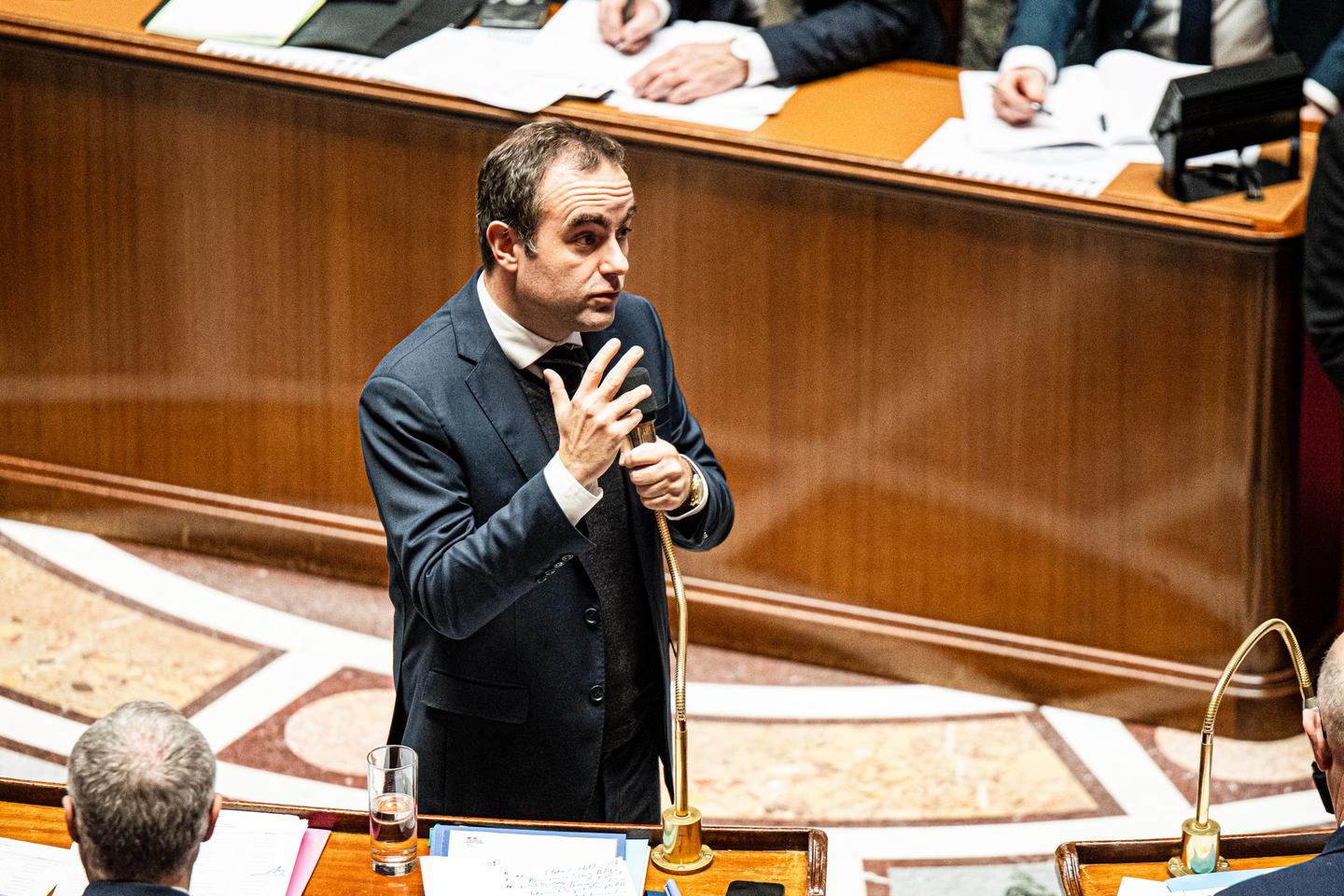
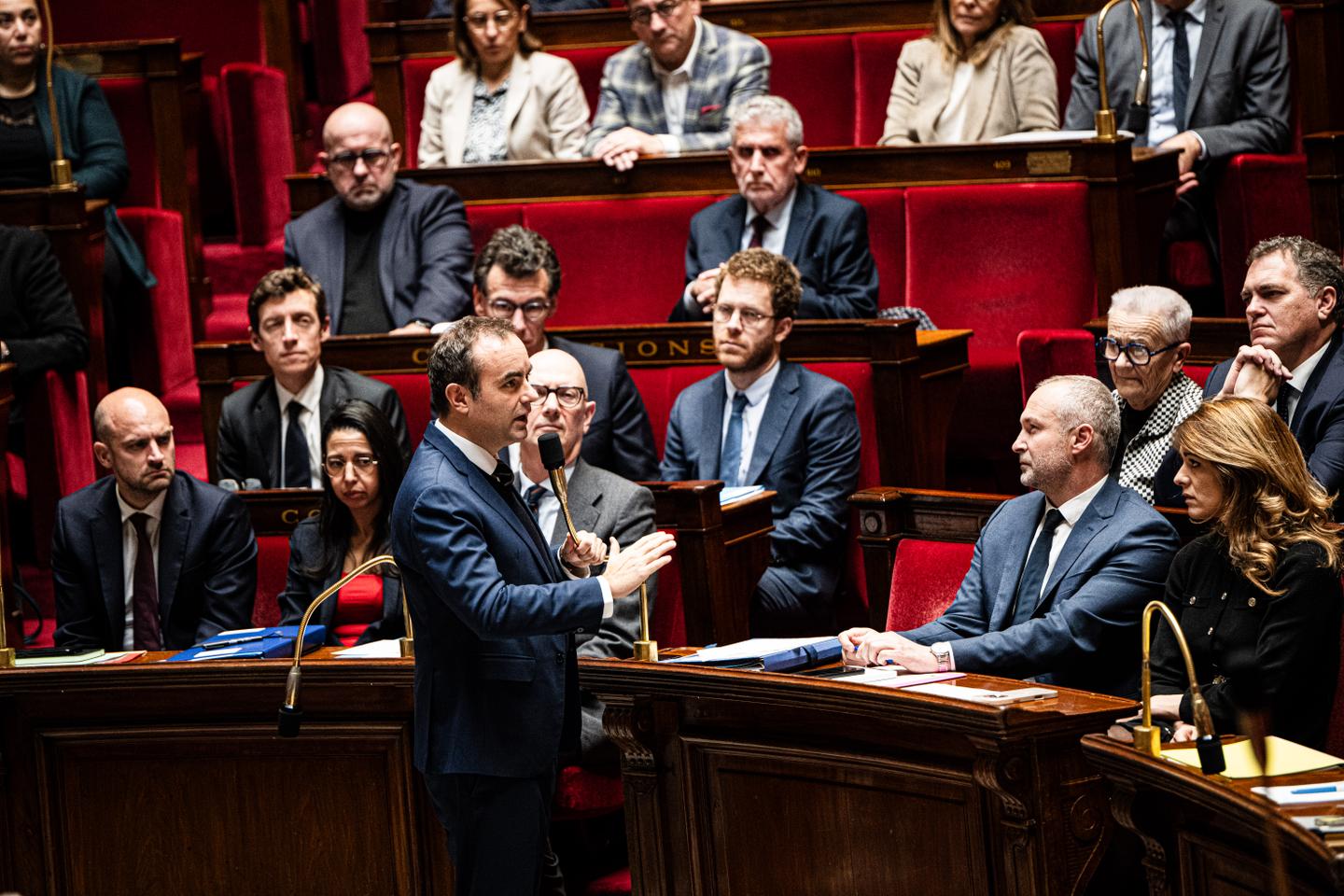
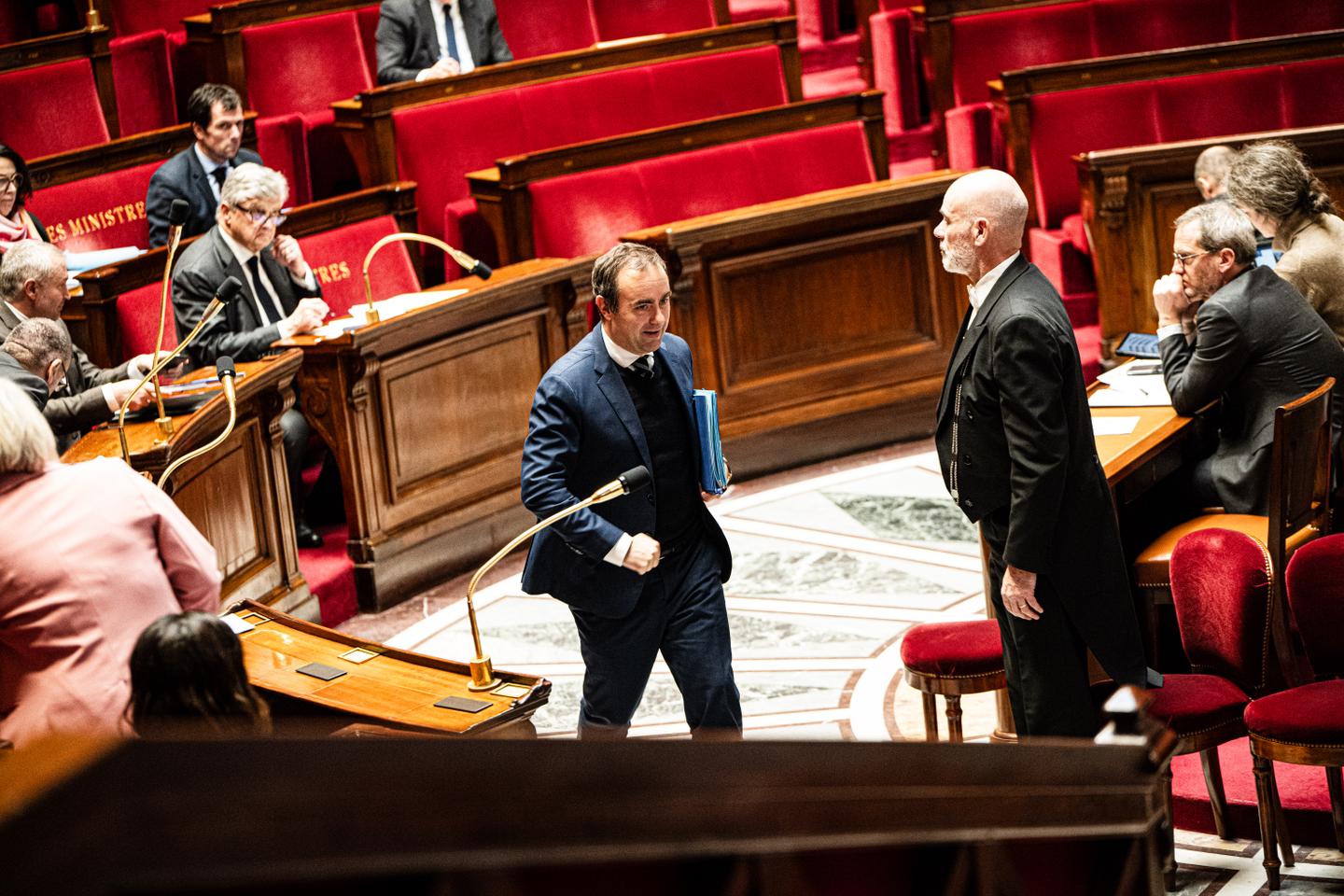
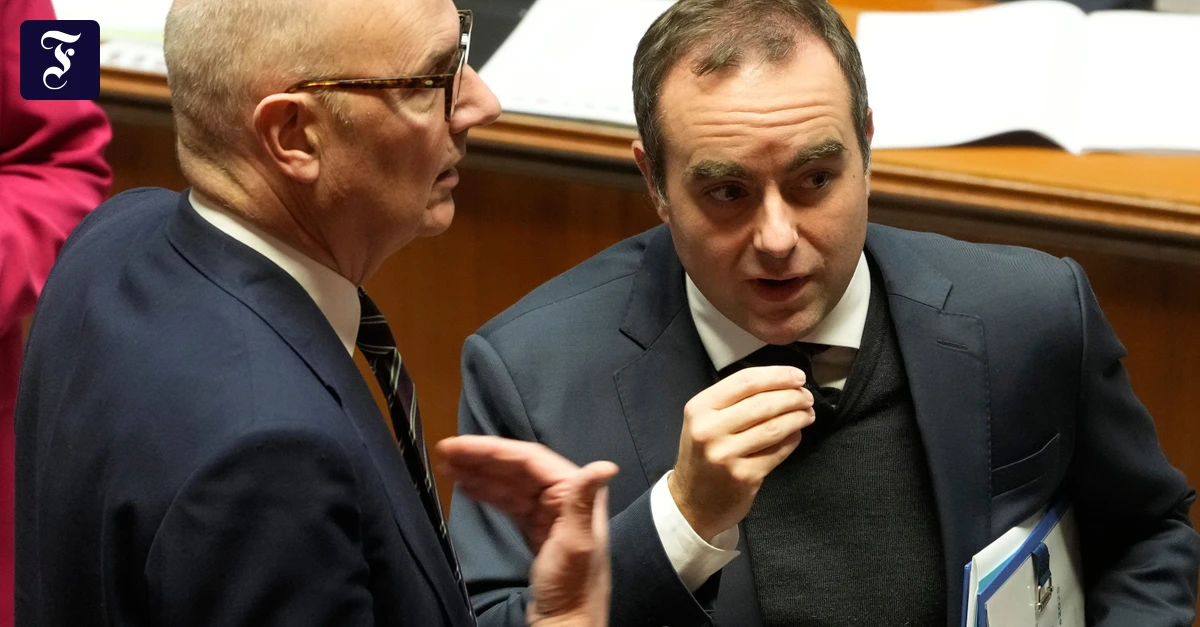
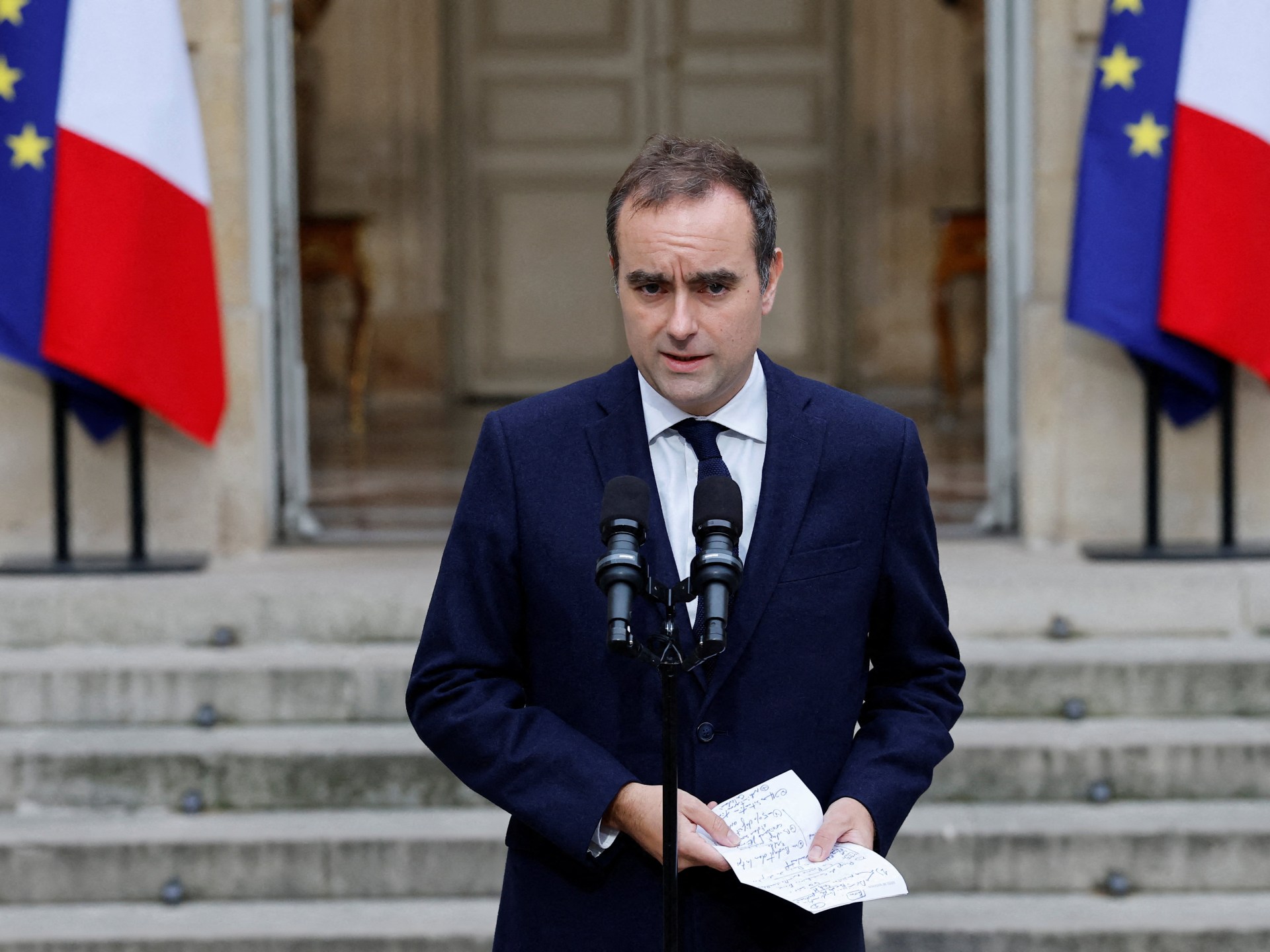
For Prime Minister Sébastien Lecornu, who had doggedly sought an unlikely compromise through a discreet "small steps" approach, this came as an initial success. The prime minister had succeeded where his two most recent predecessors, François Bayrou and Michel Barnier, had failed. Barnier, who was toppled over the social security budget in December 2024, had put his fate in the hands of the far-right Rassemblement National (RN) party. Lecornu instead turned to the Socialists, with whom he managed to negotiate what both sides dubbed a "loyal" agreement.