I
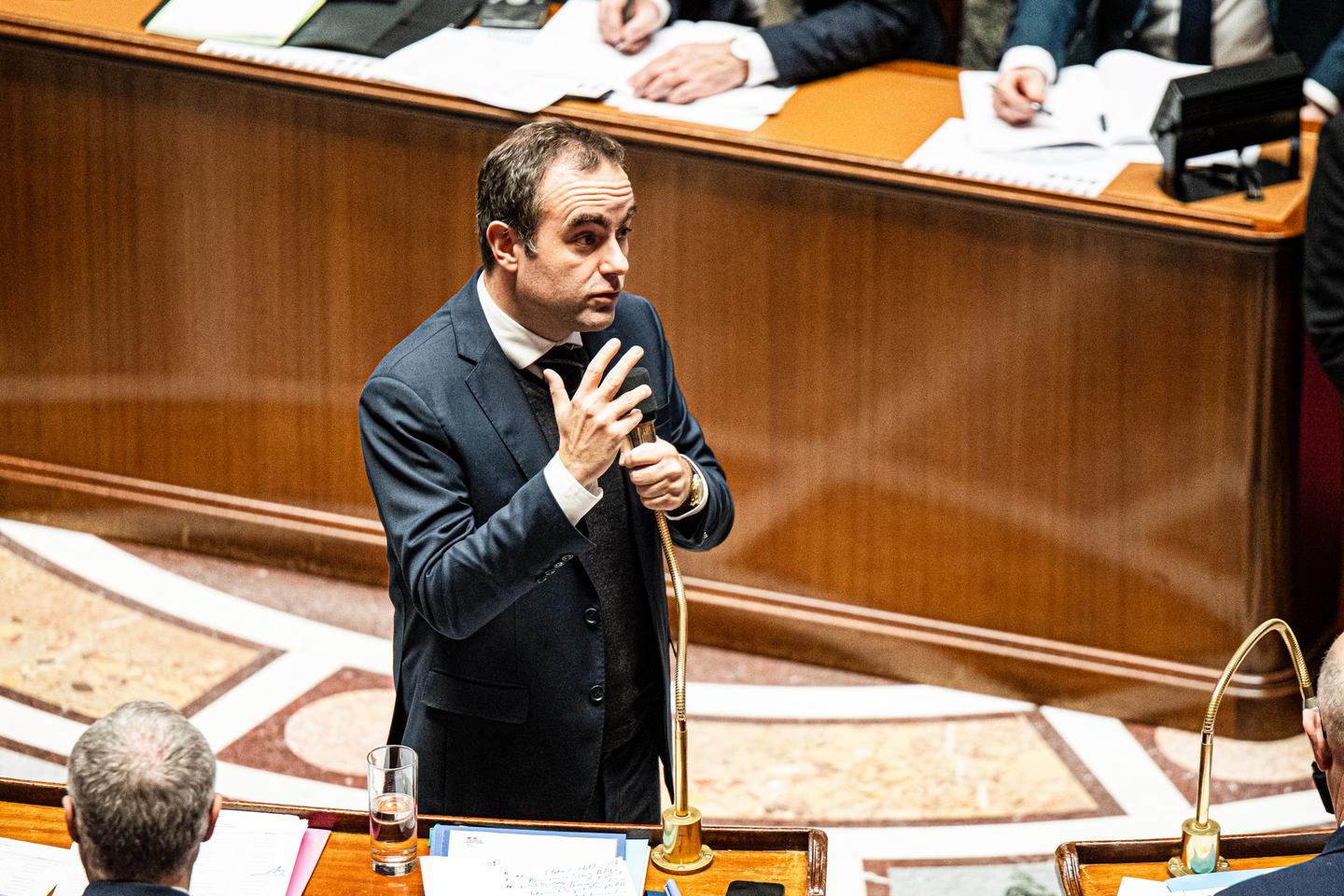
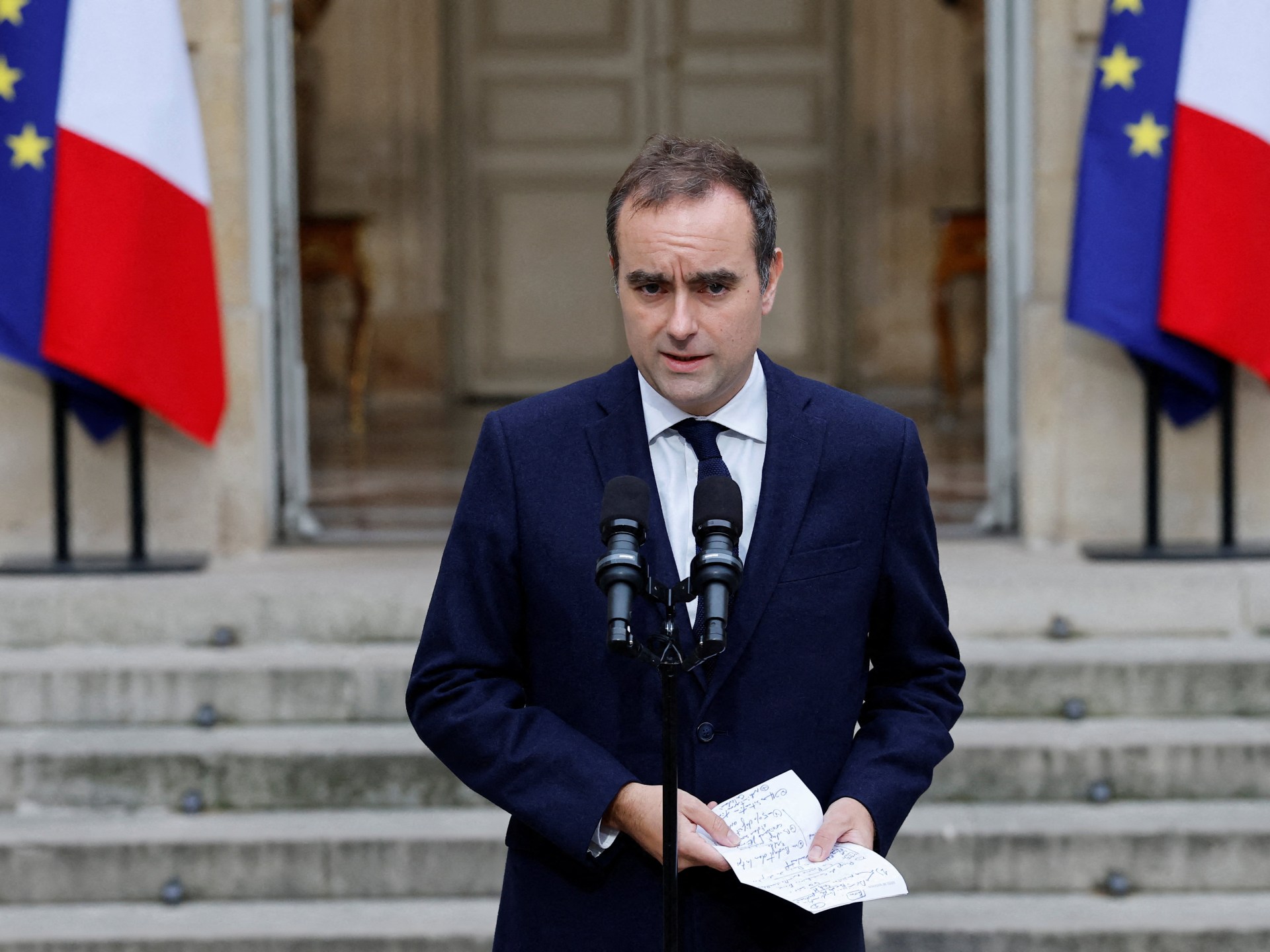
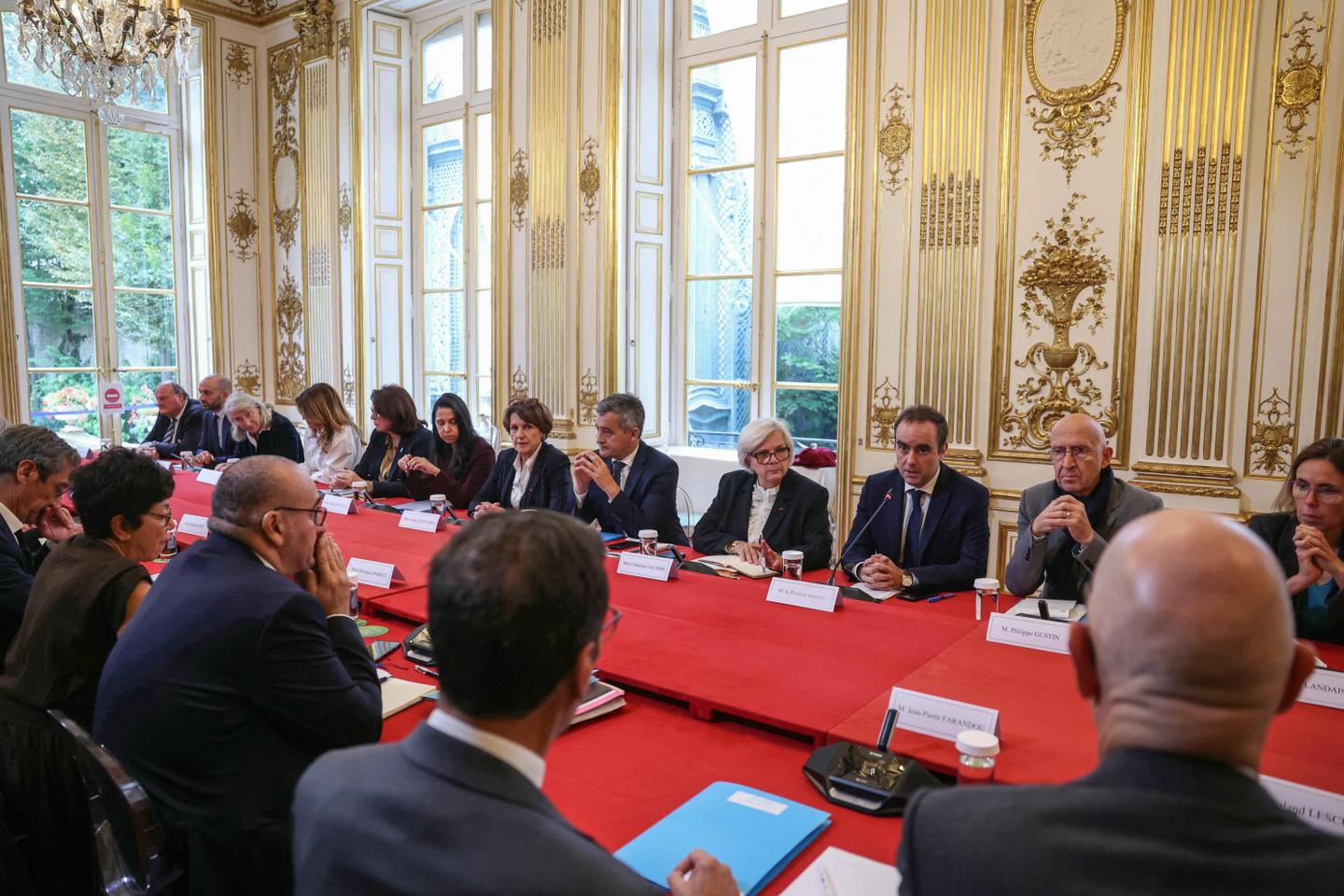
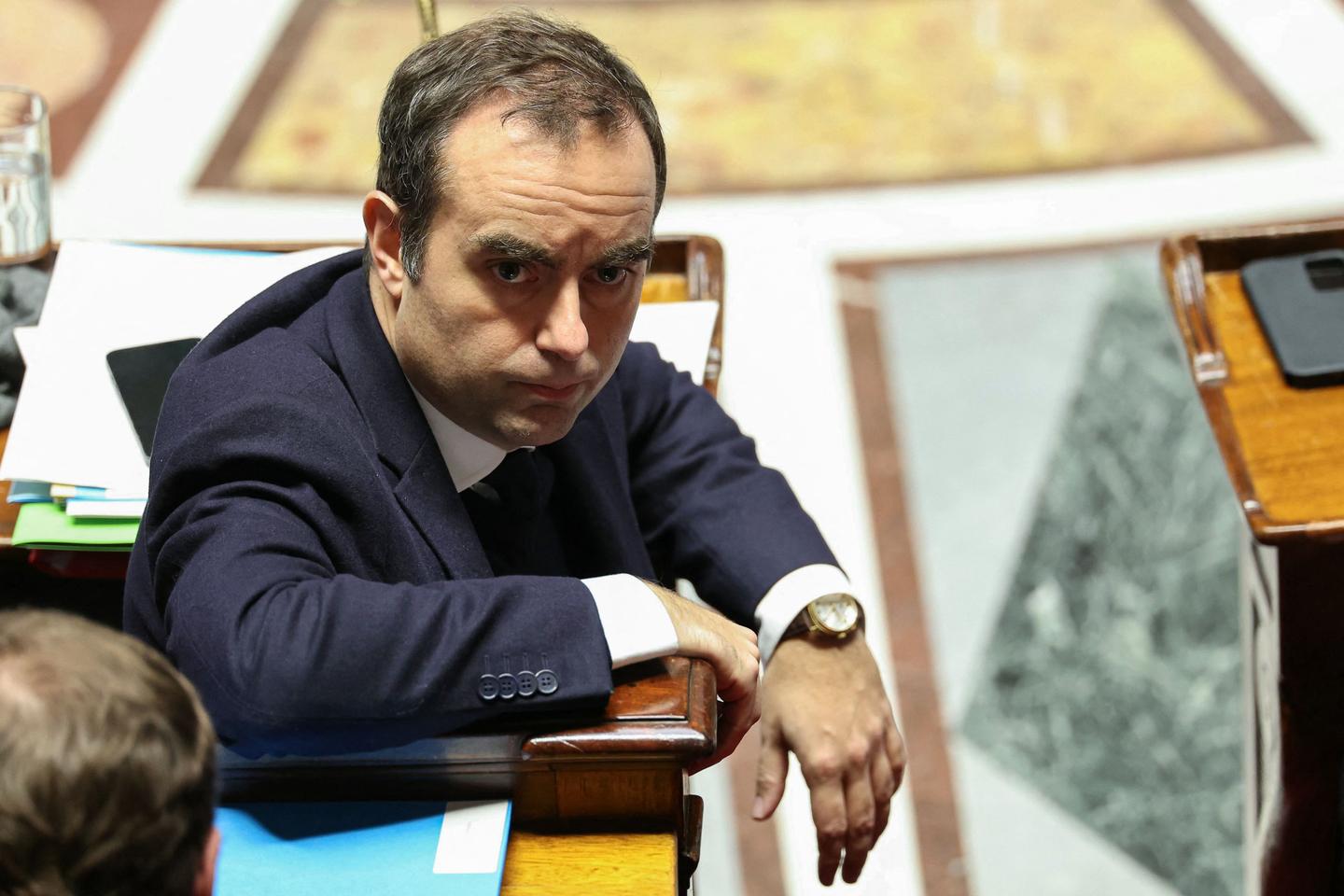
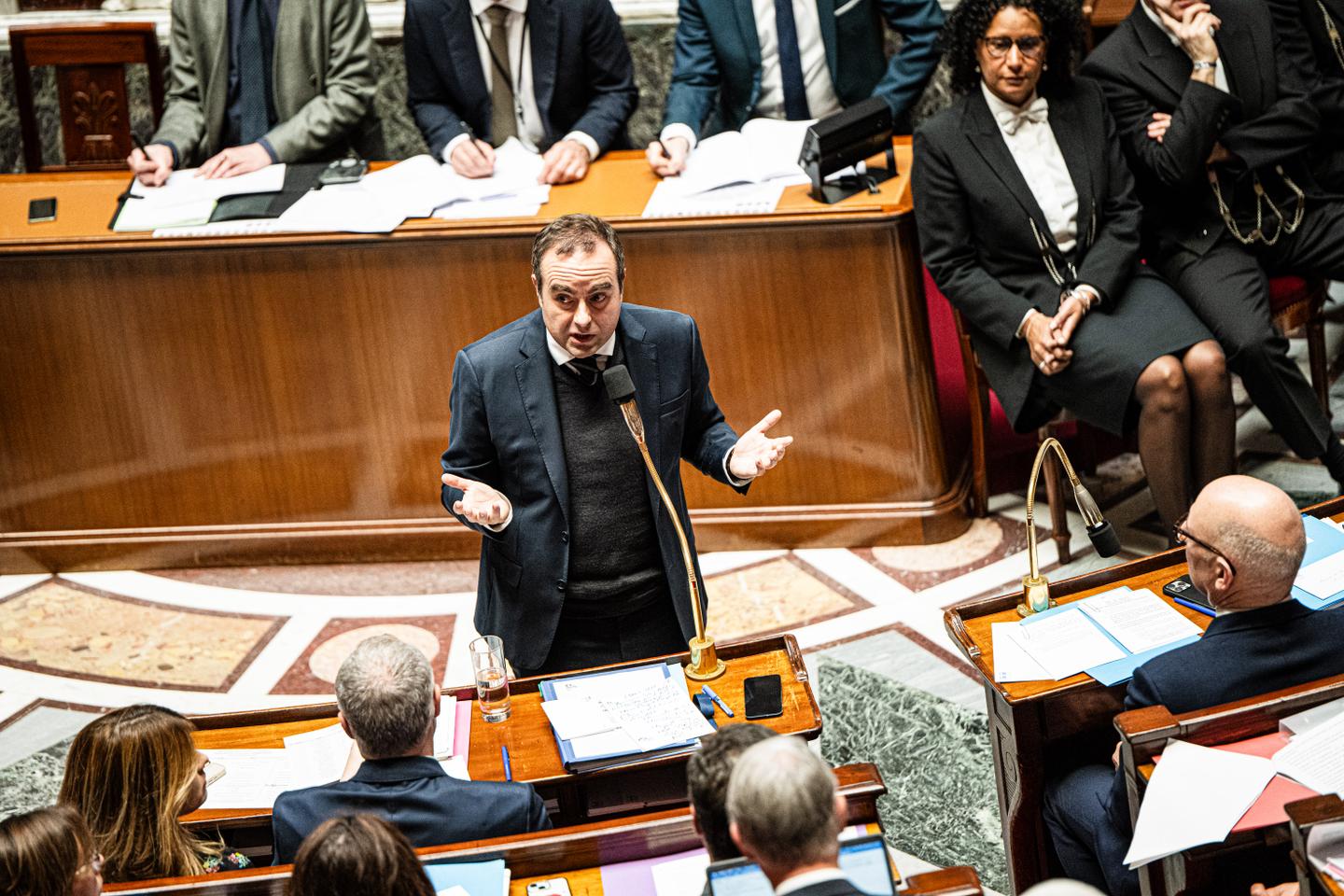
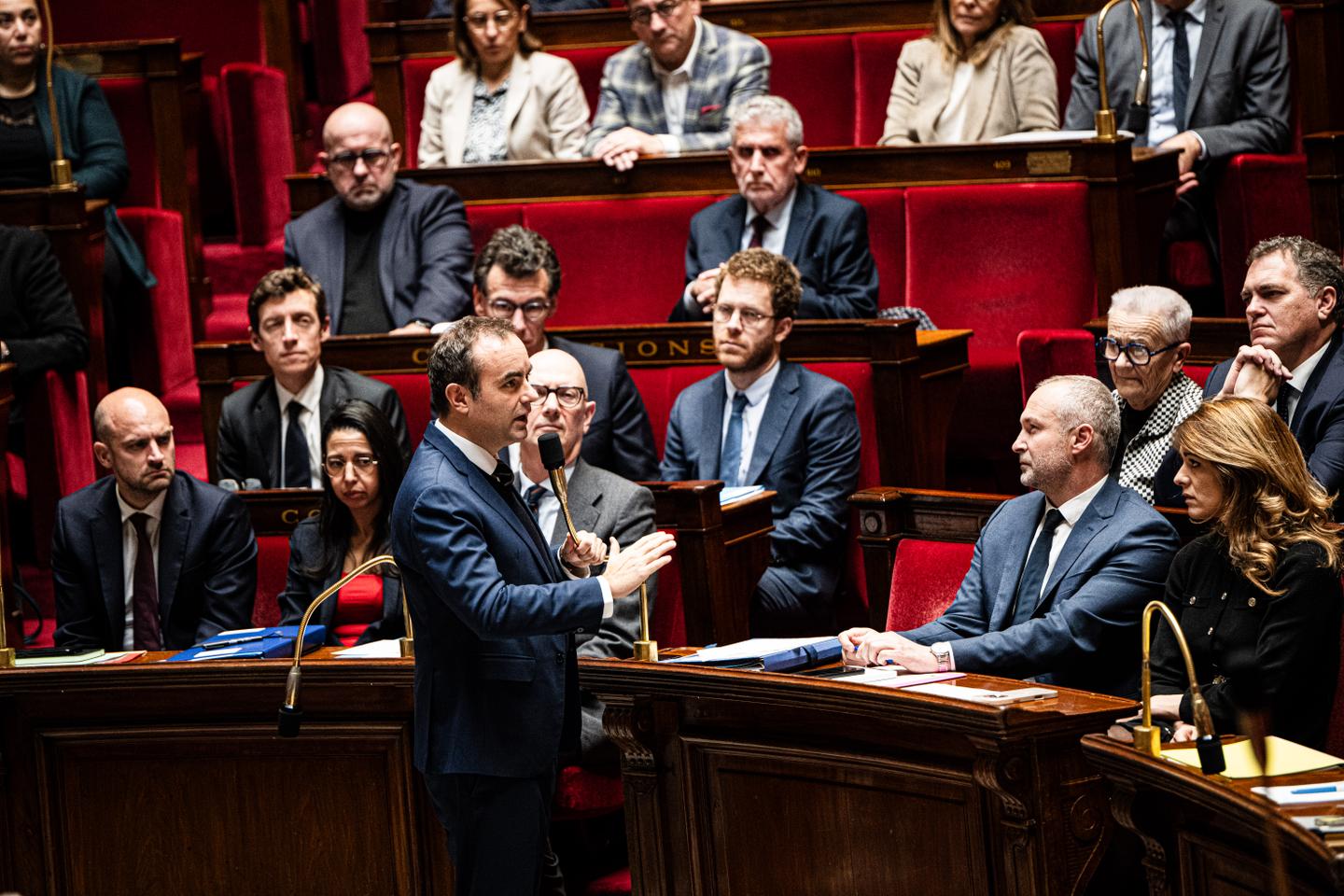
t is a high-stakes week for French Prime Minister Sébastien Lecornu. After being significantly amended in the Sénat, the social security budget bill returns to the Assemblée Nationale on Tuesday, December 2, for a tense new reading. This first major budget test has been a proving ground for the prime minister, who has staked his strategy on negotiation and compromise, deliberately choosing not to use Article 49.3 of the Constitution, which allows the government to push a bill through without a parliamentary vote.
Fully aware that he is walking "on very thin ice," Lecornu privately calls this a "moment of truth." If the social security budget bill passes on December 9 with the Socialists' support, which would be unprecedented, it could create momentum for the state budget bill, scheduled to be examined shortly after. But if the social security budget is rejected, the chances of passing the state budget before year's end would be almost zero. Lecornu's strategy would have failed.
His approach already suffered a setback during the night of November 21 to 22, when the state budget's "revenue" section was rejected by all but one member of the Assemblée. The proposal imposing a "mandatory" zero-interest loan from the wealthiest individuals, put forward by the Socialists in close coordination with the prime minister's office, failed to deliver the expected results. "All that for this," Lecornu's critics, particularly those on the right in the Assemblée Nationale, complained – accusing the flexible prime minister of handing too much leverage to the Socialists ever since he agreed to suspend the contested 2023 pension reform.