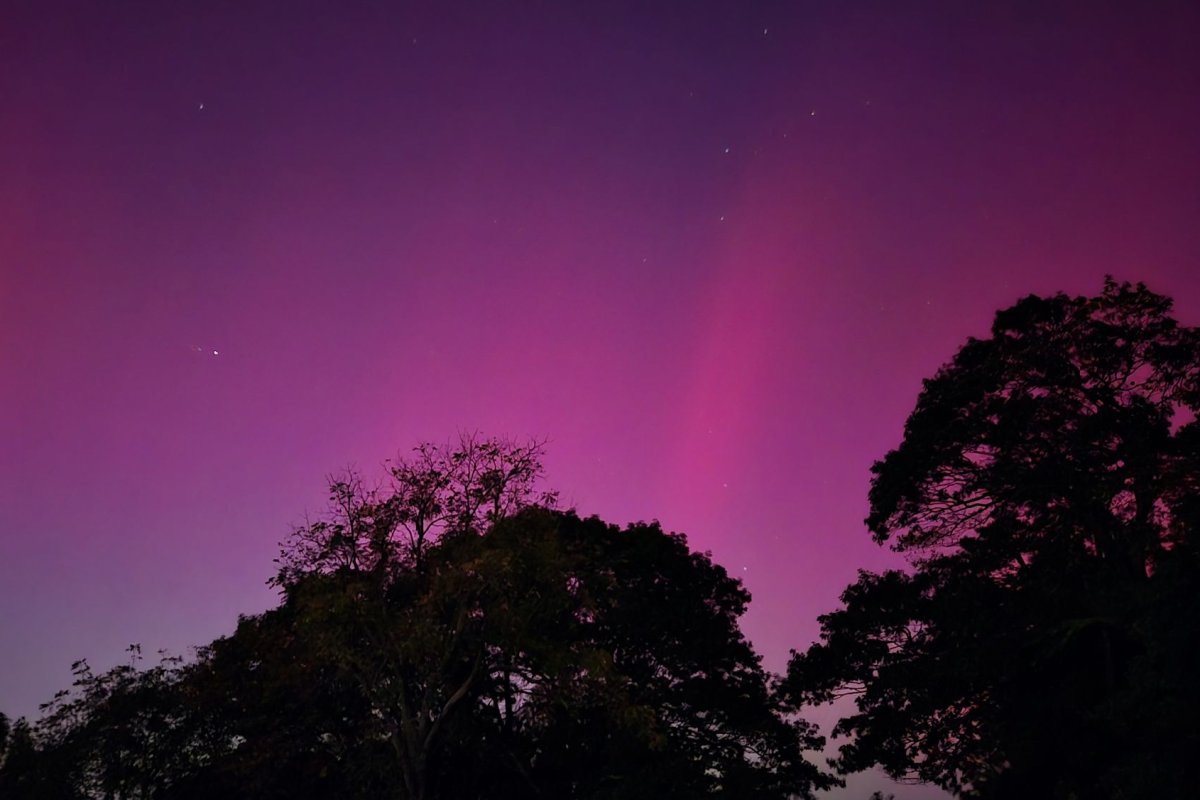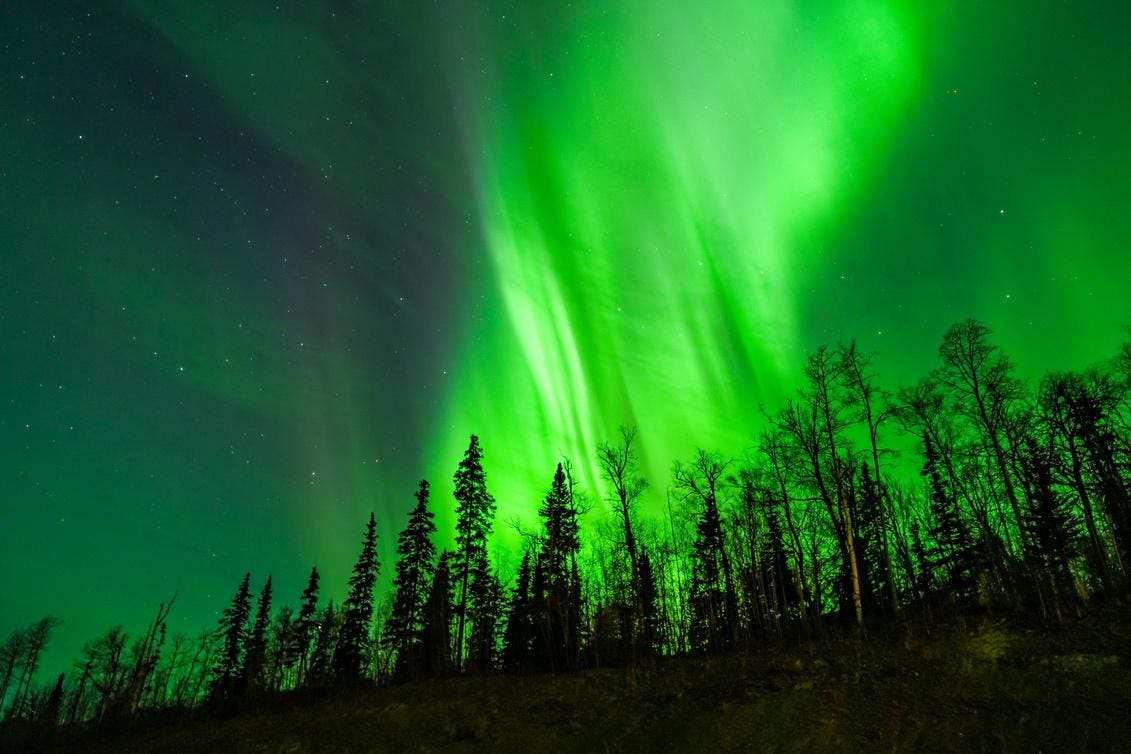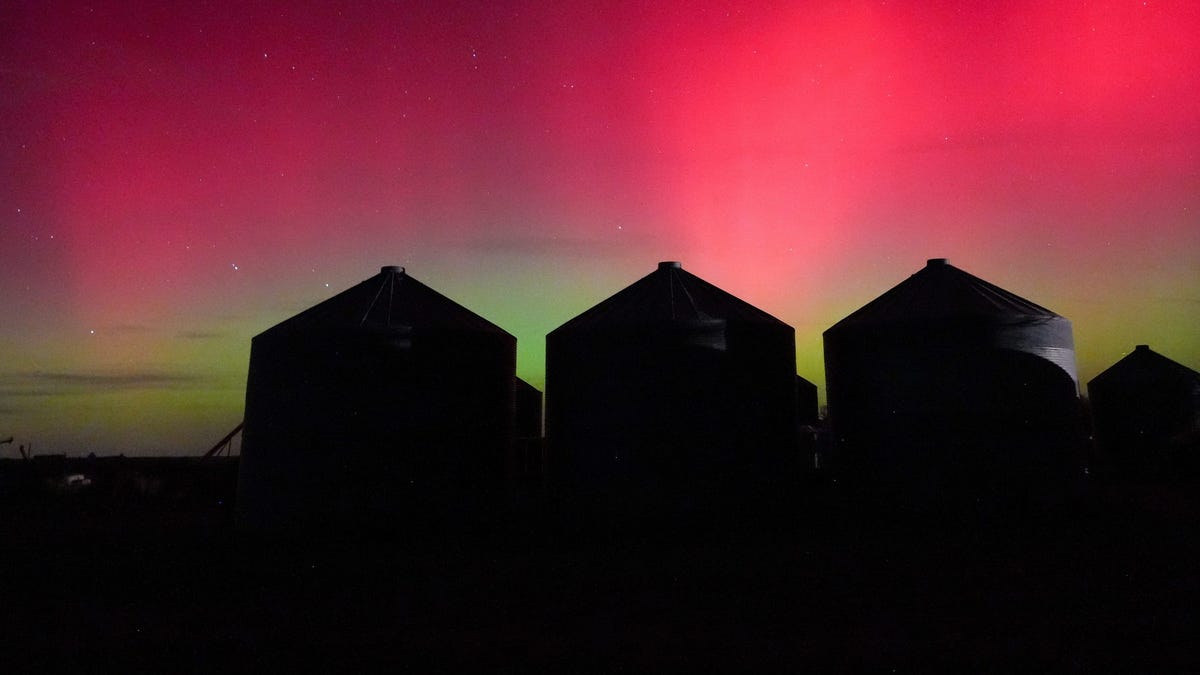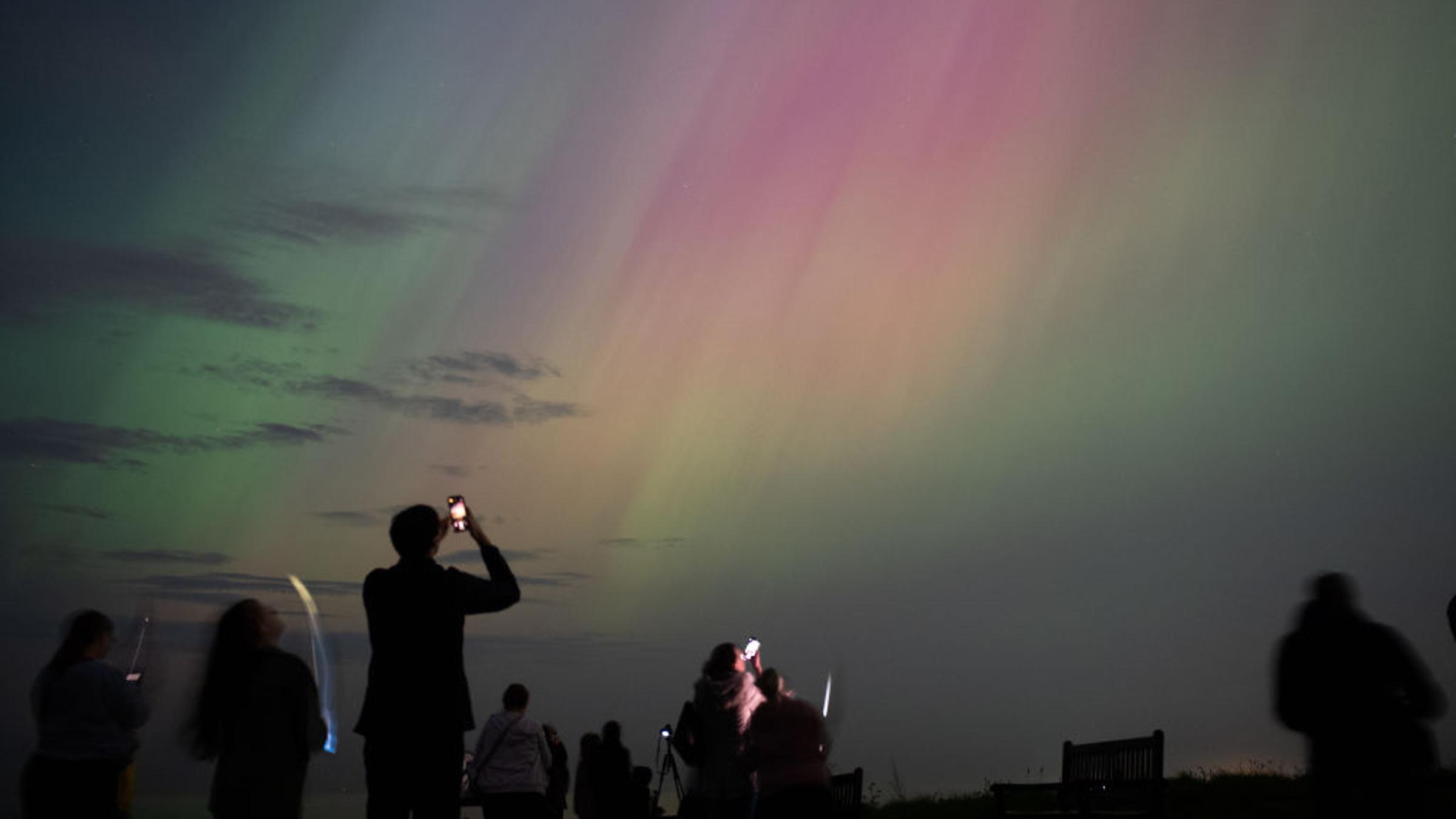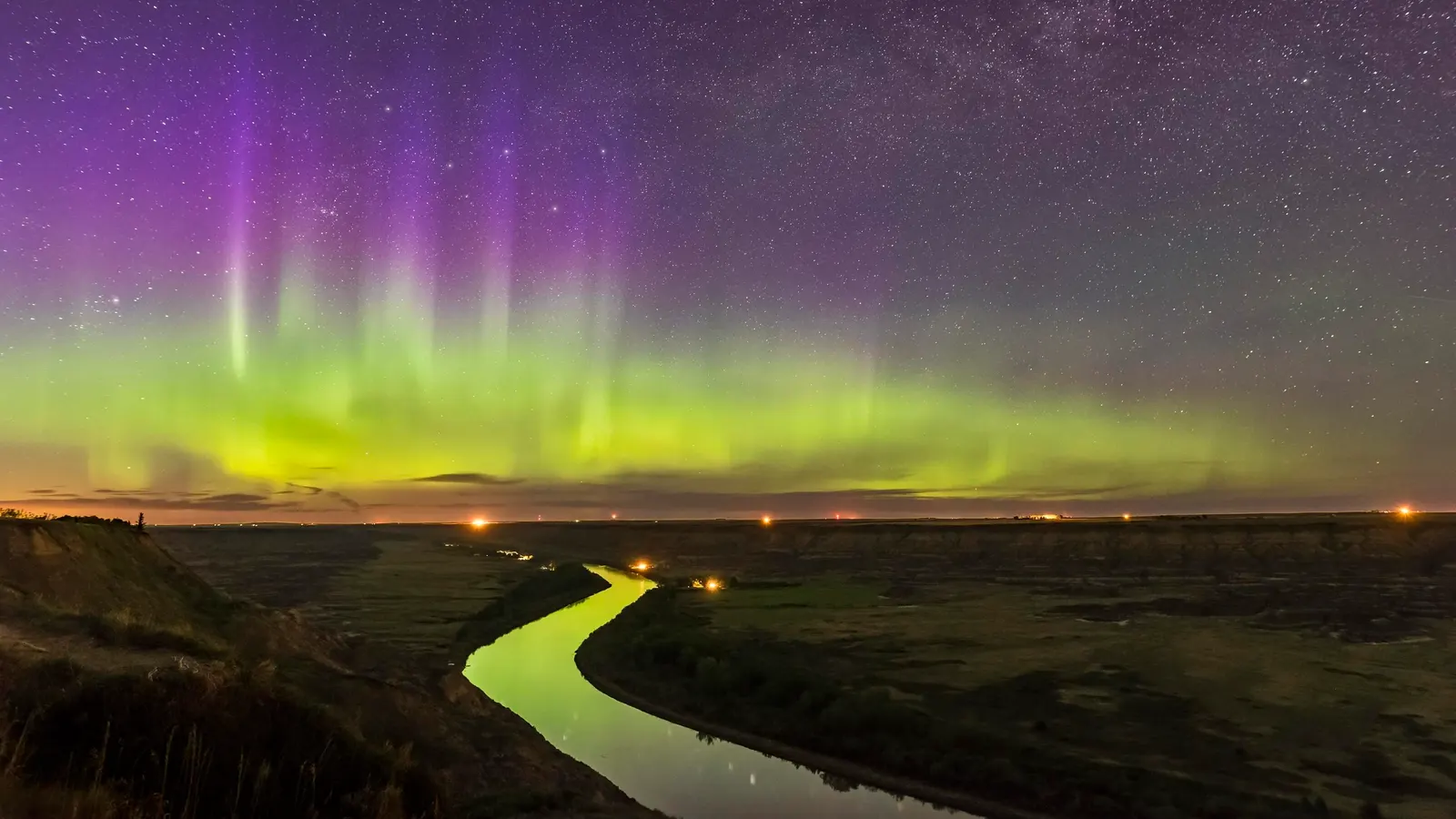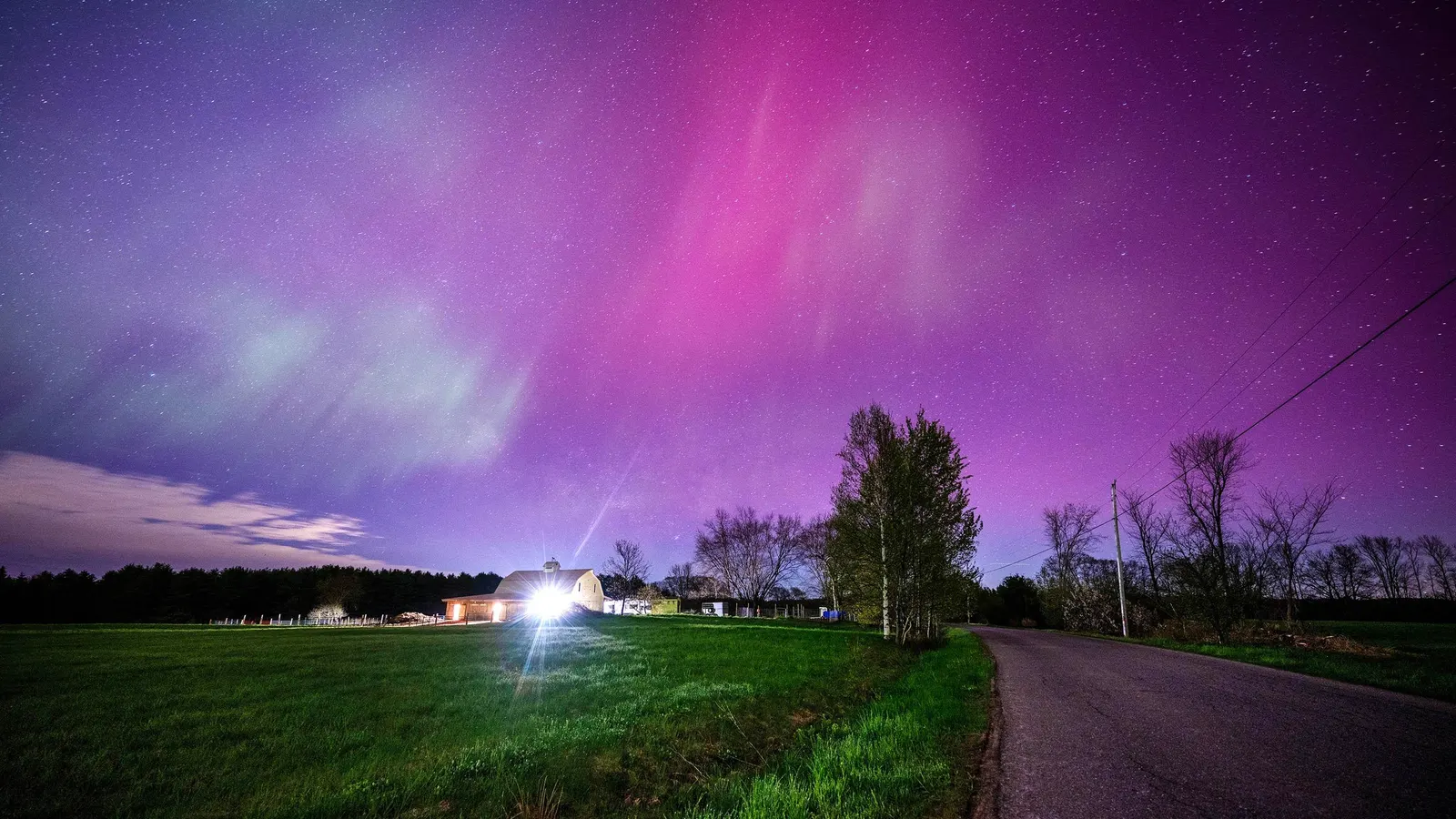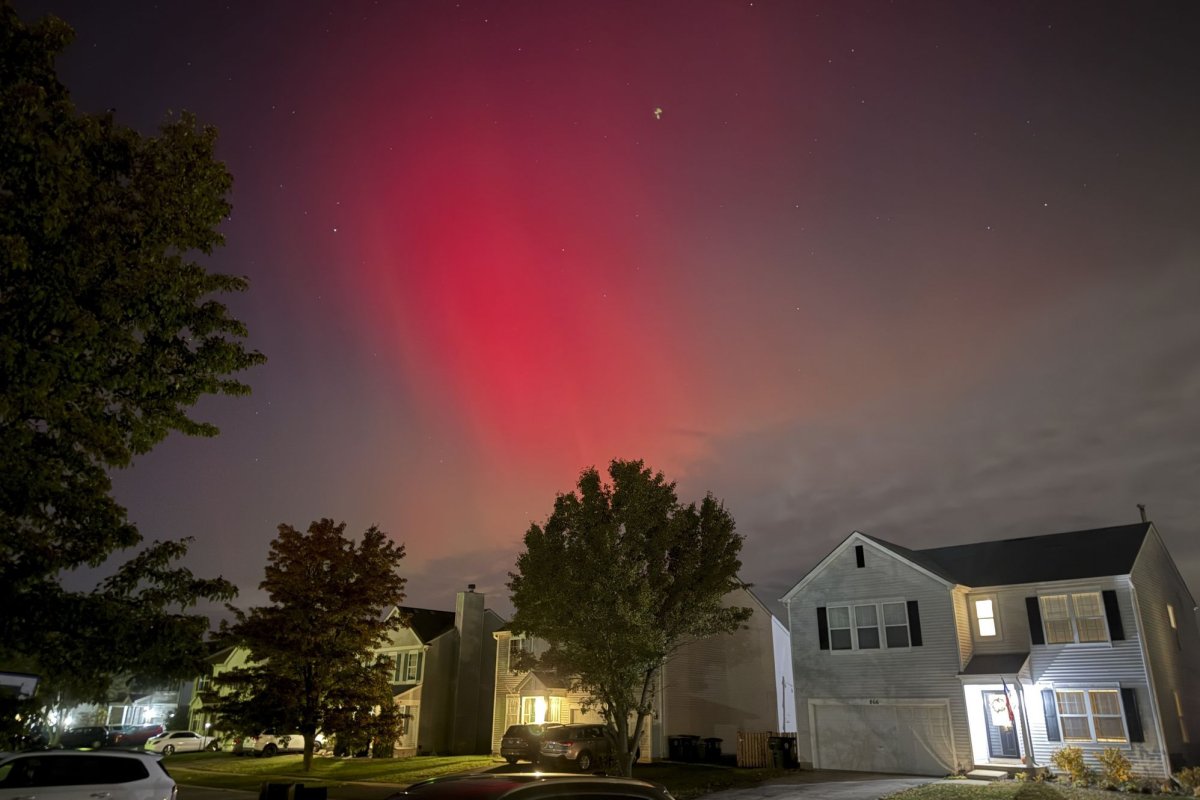
The Northern Lights are seen over Round Lake Heights, Ill., in November. A burst of solar material known as a coronal mass ejection (CME) was detected by NOAA satellites departing the sun on Monday, meaning the lights could be seen by Tuesday in some northern parts of the United States. File Photo by Tannen Maury/UPI | License Photo
Eruptions of charged particles from the sun are moving toward Earth and could create vivid displays of the northern lights, or aurora borealis, across large parts of the northern United States this week.
A burst of solar material known as a coronal mass ejection (CME) was detected by NOAA satellites departing the sun on Monday. CMEs are massive clouds of magnetized plasma that can set off geomagnetic storms when they interact with Earth's magnetic field.
NOAA's Space Weather Prediction Center (SWPC) forecasts that the incoming CME could reach Earth around midday Tuesday, prompting a Strong (G3) Geomagnetic Storm Watch, a level 3 out of 5 on the agency's space weather scale.
If a strong geomagnetic storm develops, the aurora forecast suggests the northern lights could be visible across the northern tier of the country and may even reach as far south as the Midwest, as well as Oregon, depending on storm strength and cloud cover.