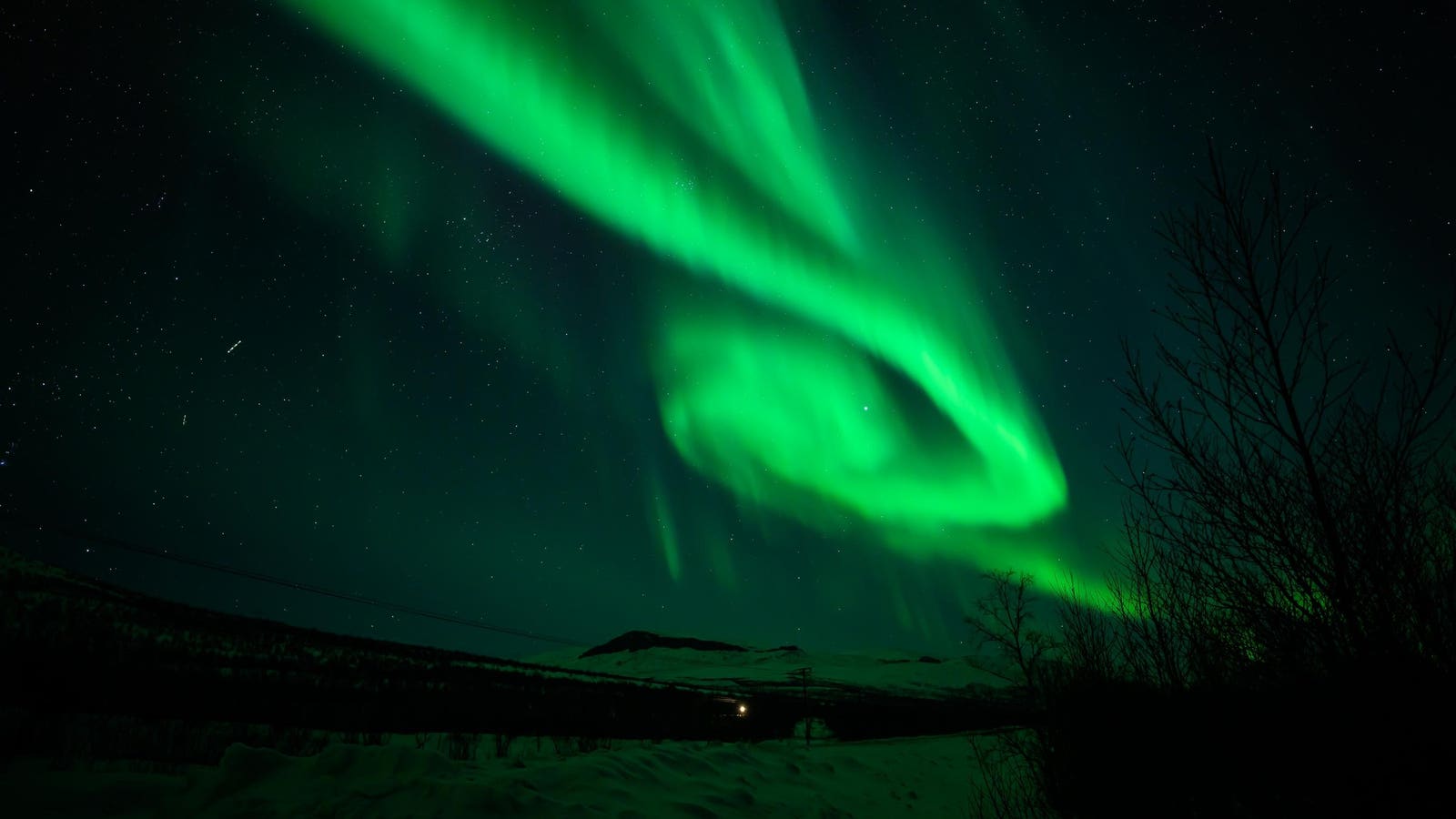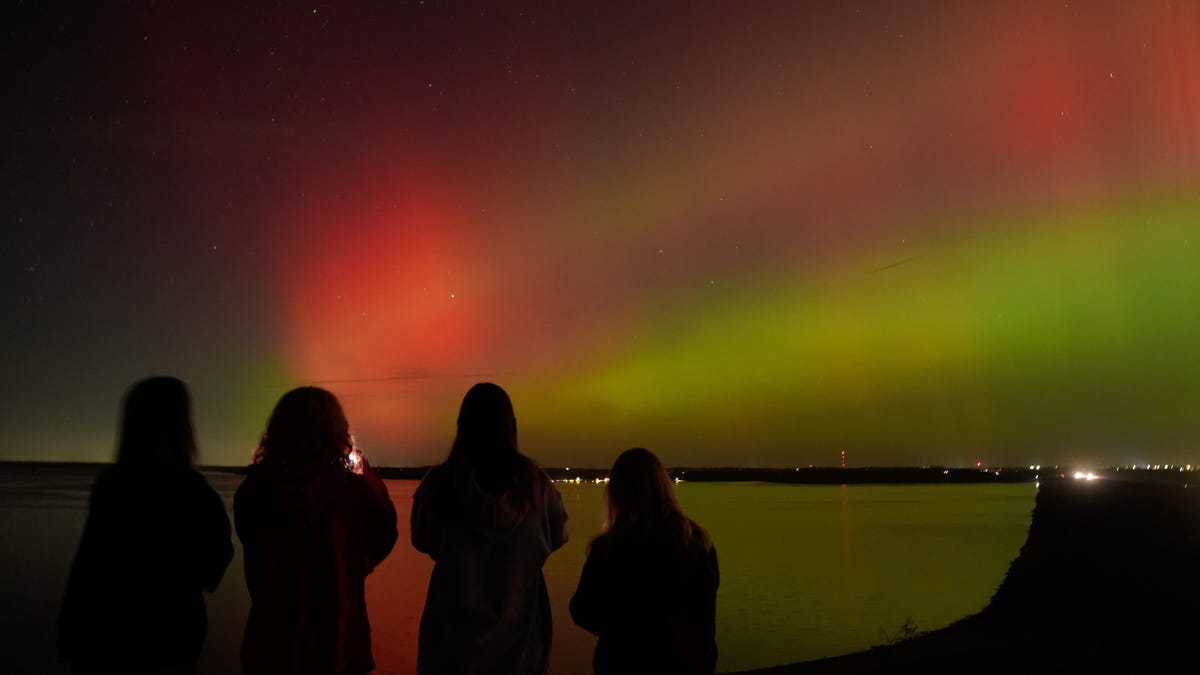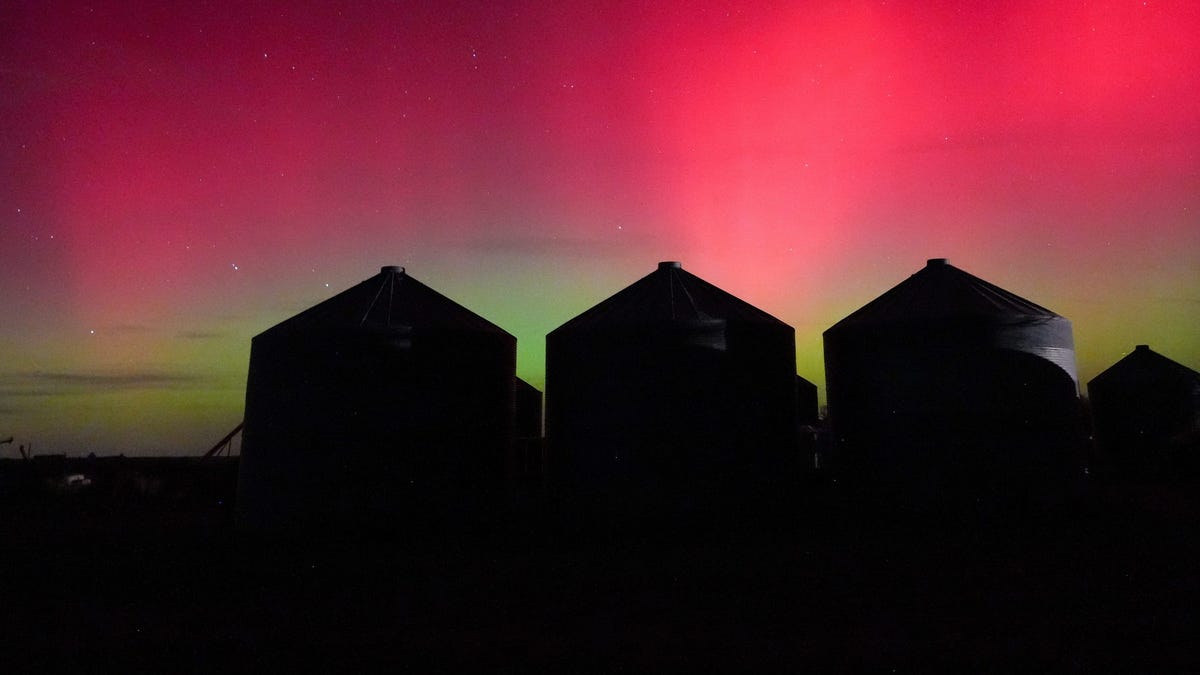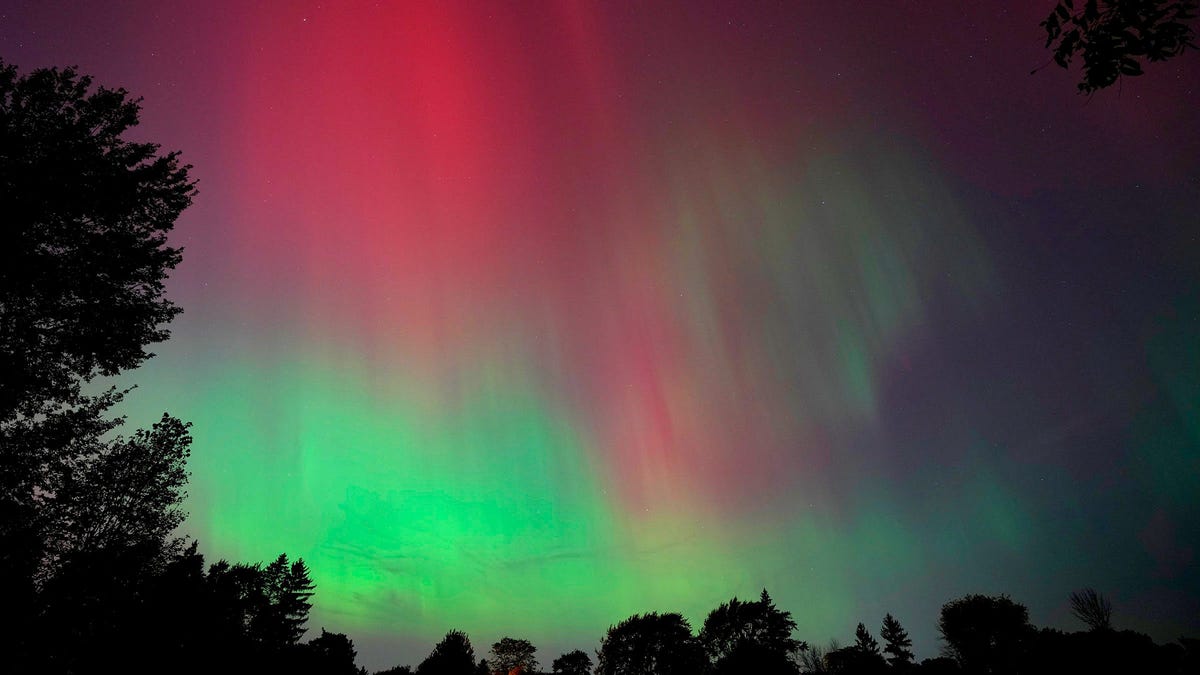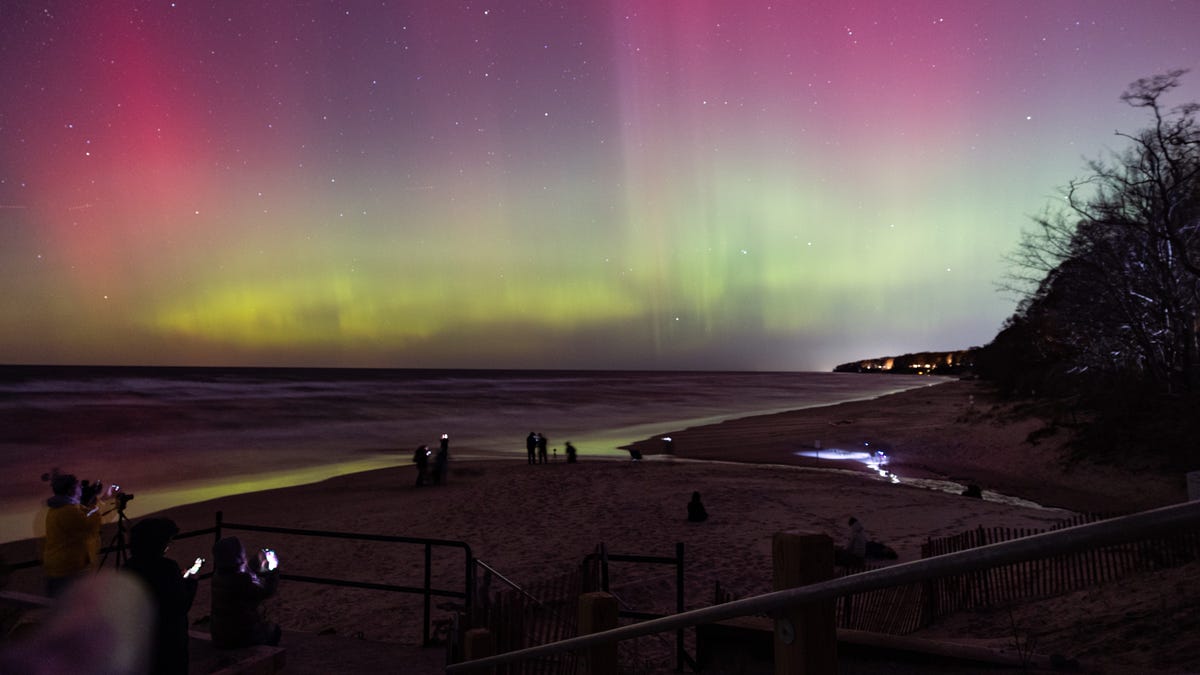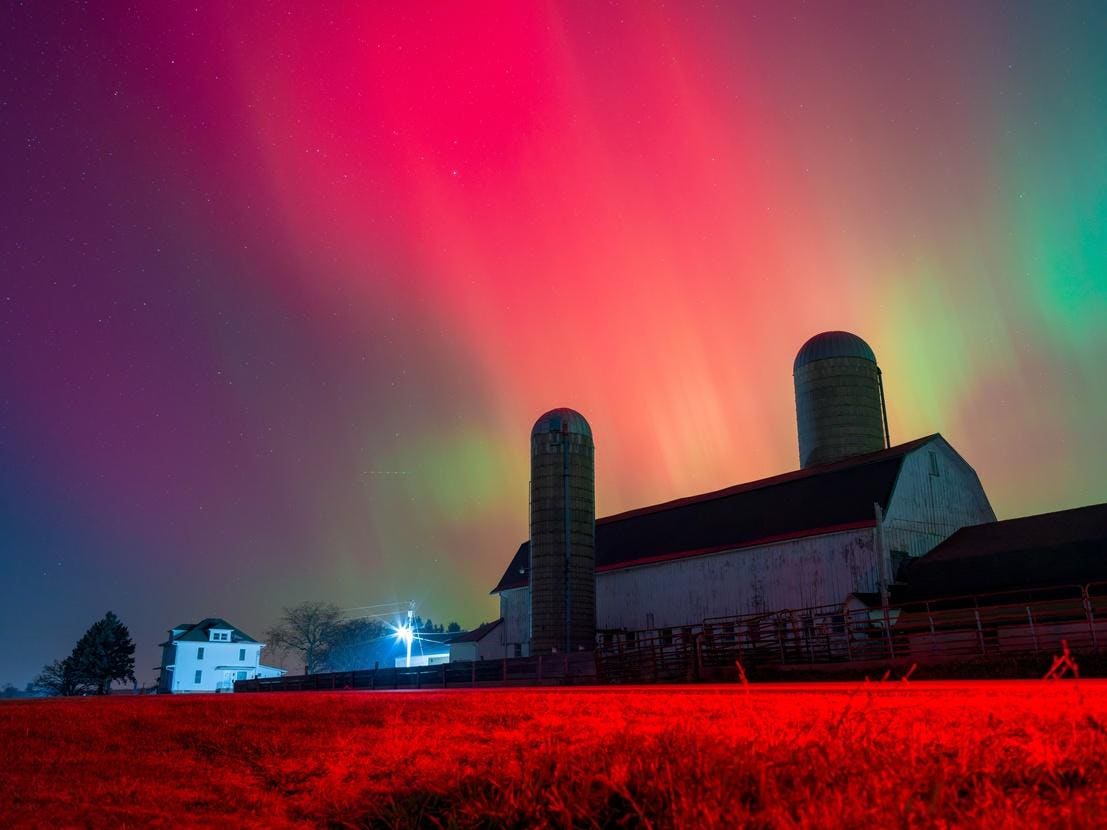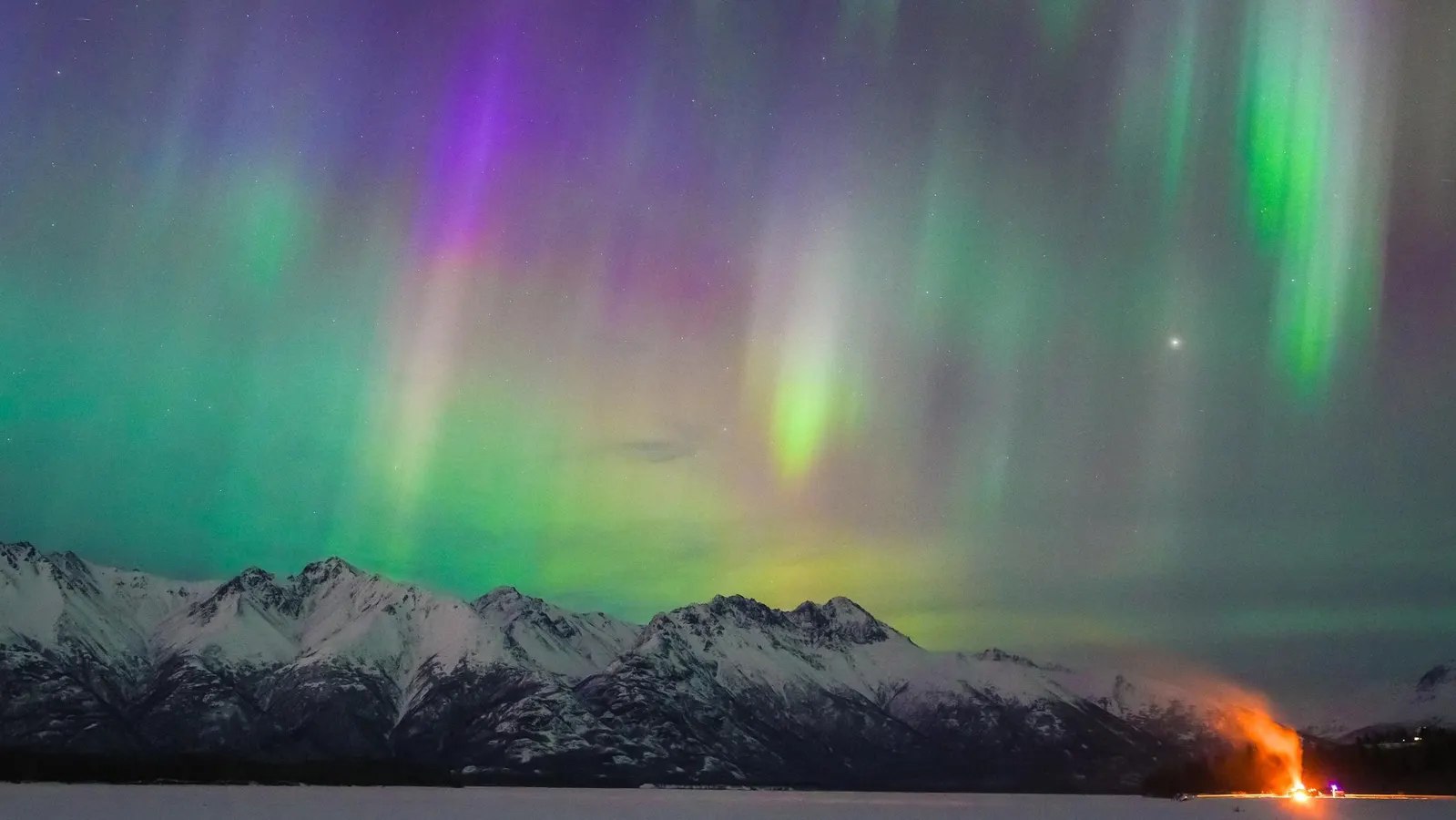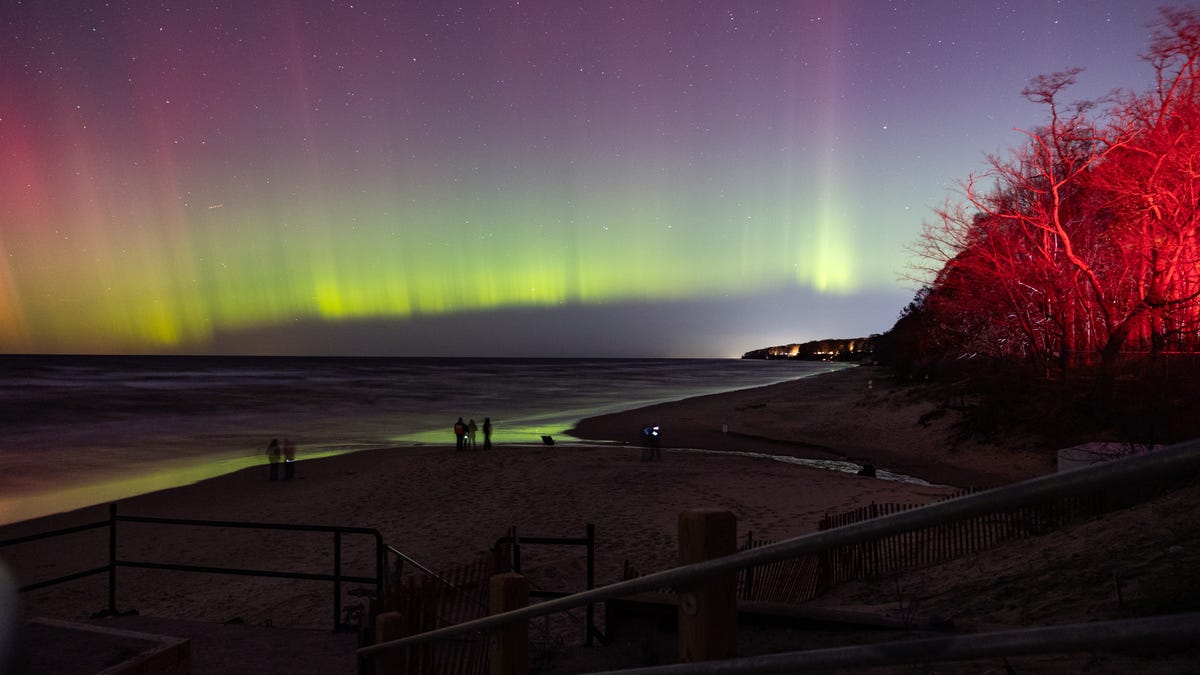
Thanks to major solar activity arriving to earth on Dec. 9, the northern lights could dazzle skies in more than a dozen states.
A coronal mass ejection — large expulsions of plasma and magnetic field from the sun — is expected to reach earth around mid-day on Dec. 9, likely causing increased geomagnetic activity, according to an alert from the National Oceanic and Atmospheric Administration's Space Weather Prediction Center.
According to two of NOAA's geomagnetic storm scales, the event could cause a more active aurora on Dec. 9.
On one, the K-index scale — which indicates how far away from the poles the northern lights could be visible — NOAA is predicting a 5 out of 9, which indicates a brighter aurora. On another, the agency ranks the event a G1 — a minor event.
The northern lights project colorful lights in the night sky as a result of an interaction between the sun's plasma and Earth's magnetic field. It is a natural phenomenon and officially known as the aurora borealis, according to the National Weather Service.