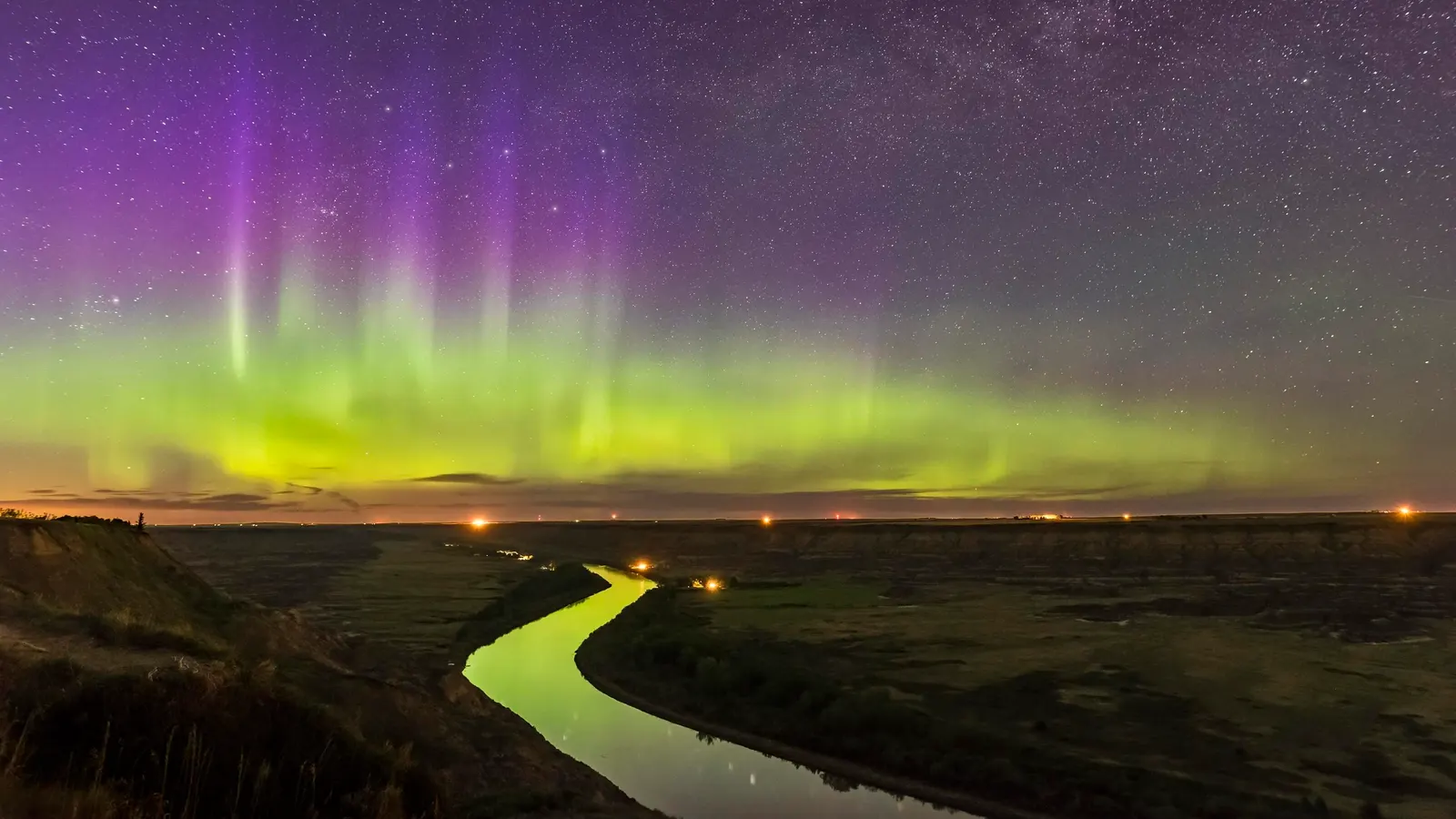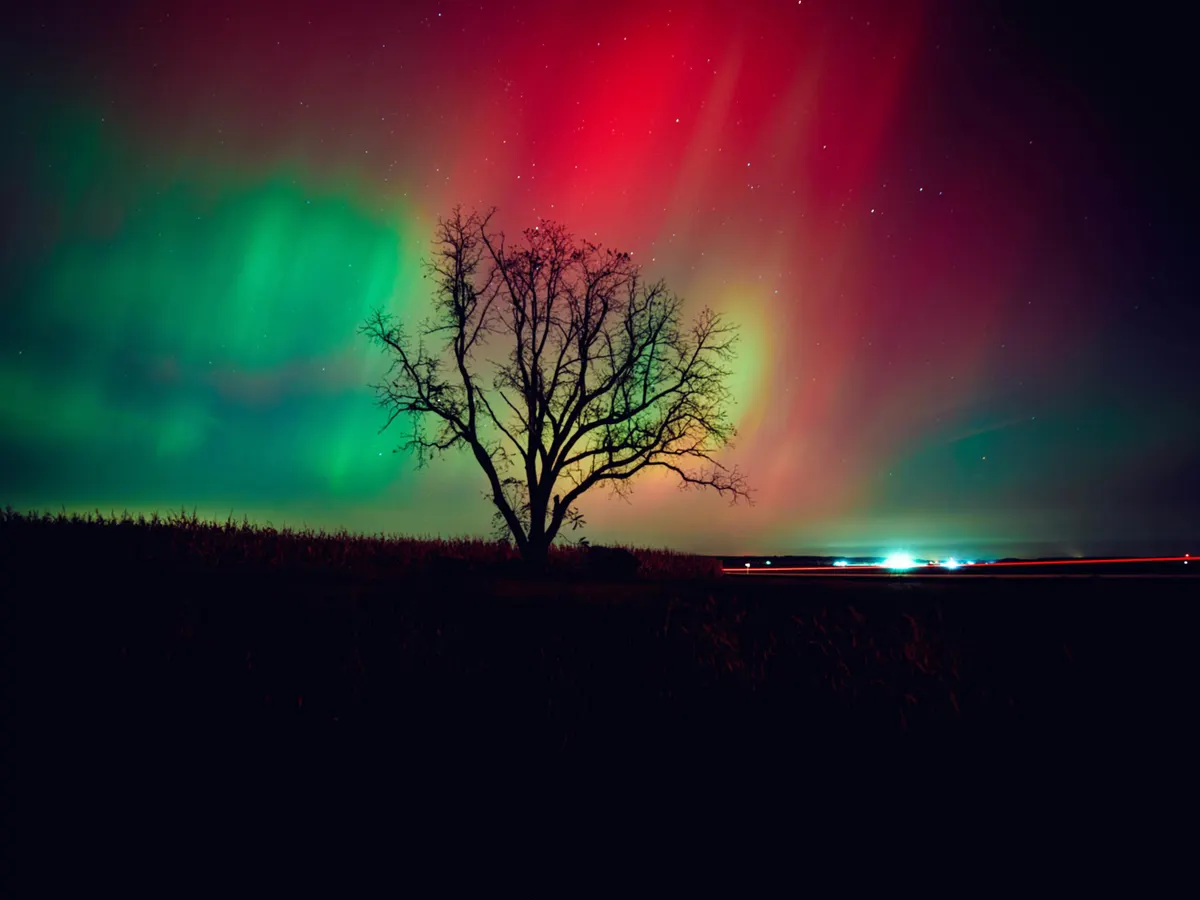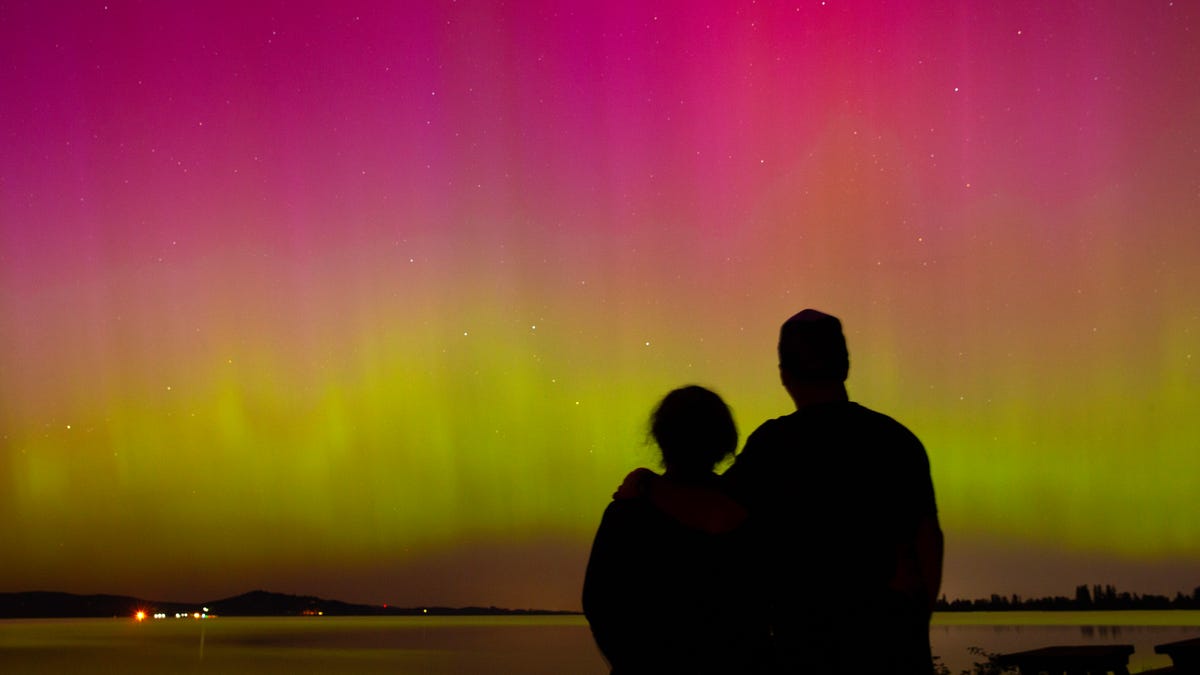
When experienced stargazers in the continental United States hear the words, "geomagnetic storm," likely one question comes to mind: Are we getting some northern lights?
In this case, the answer is definitive: Yes.
An explosion on the sun's outermost atmosphere of charged particles, known as a coronal mass ejection, has been hurtling toward Earth since Tuesday, Aug. 5, according to the National Oceanic and Atmospheric Administration. The agency's Space Weather Prediction Center has since been tracking the ejection, which it said has the potential to soon trigger a geomagnetic storm on Earth.
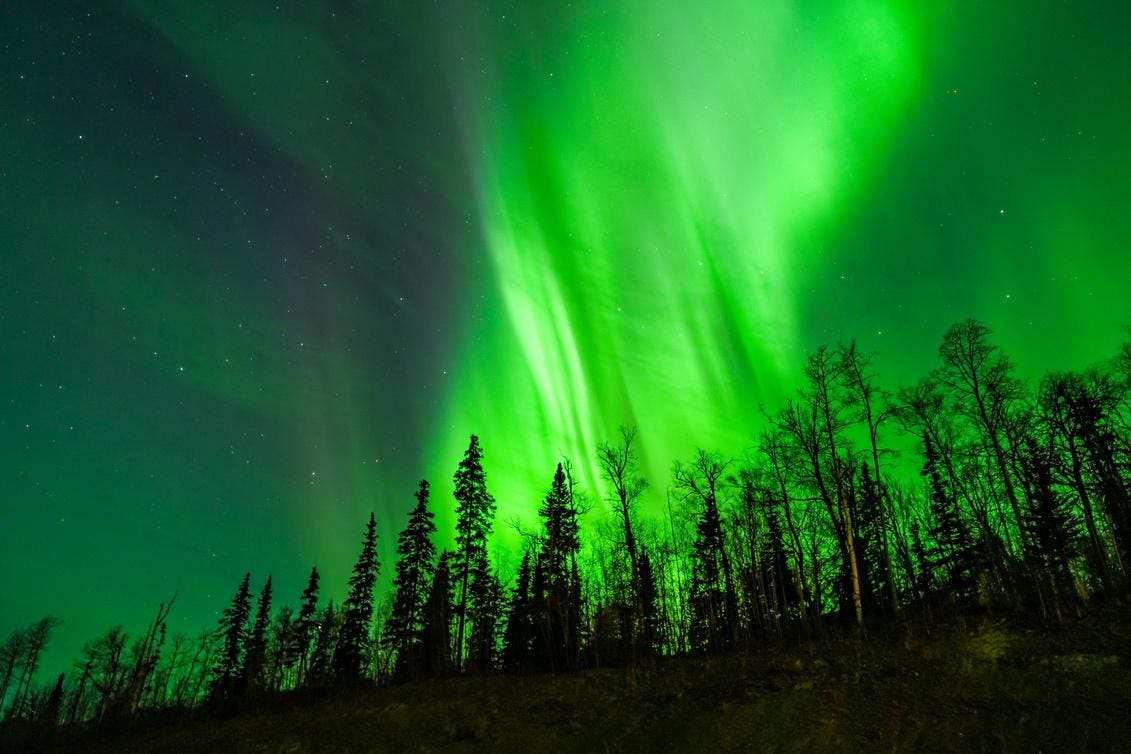
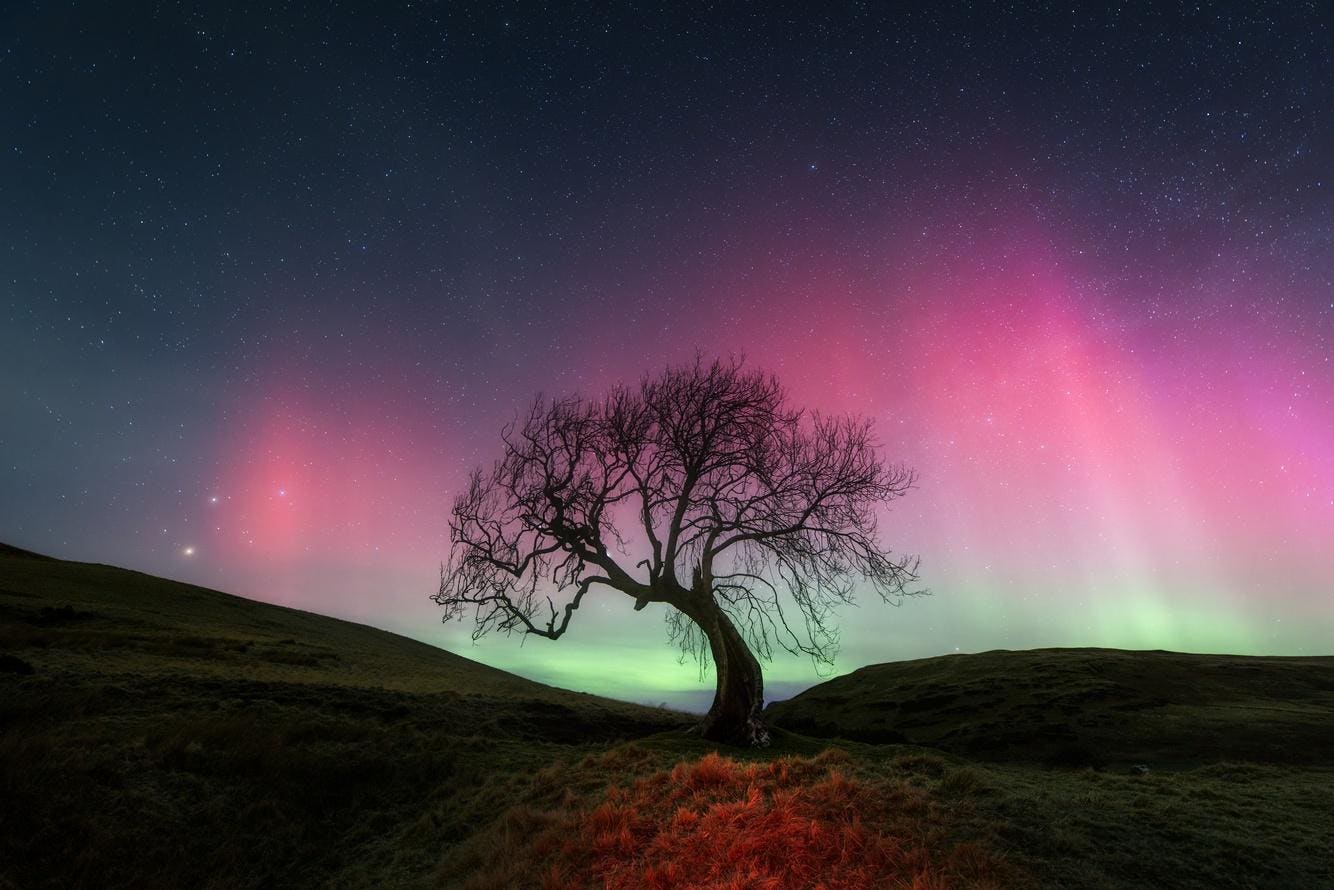
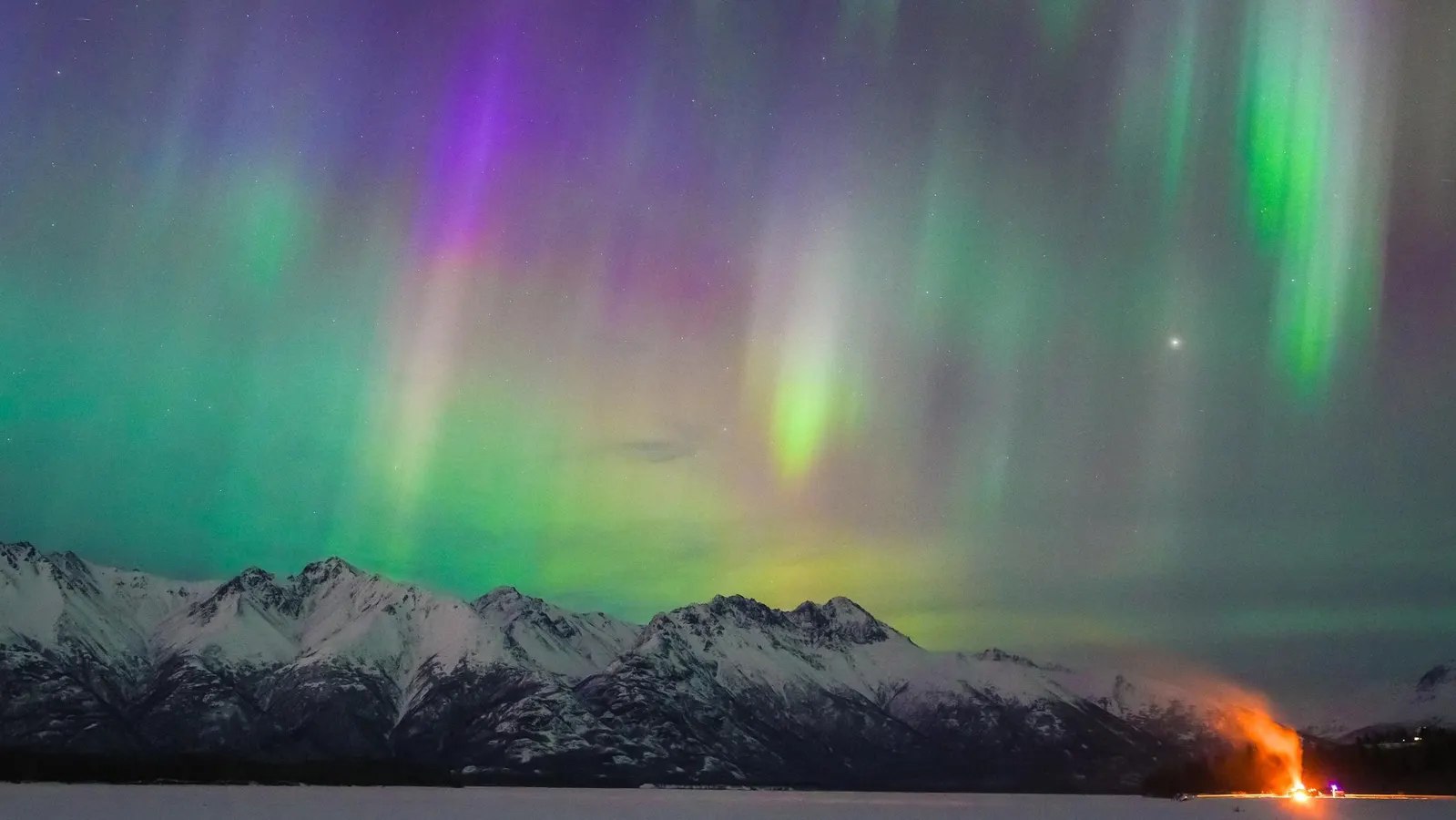
What does that mean for skywatchers? Well, the particles flowing from the sun could interact with our planet's magnetosphere in ways that trigger the northern lights, also known as the aurora borealis.
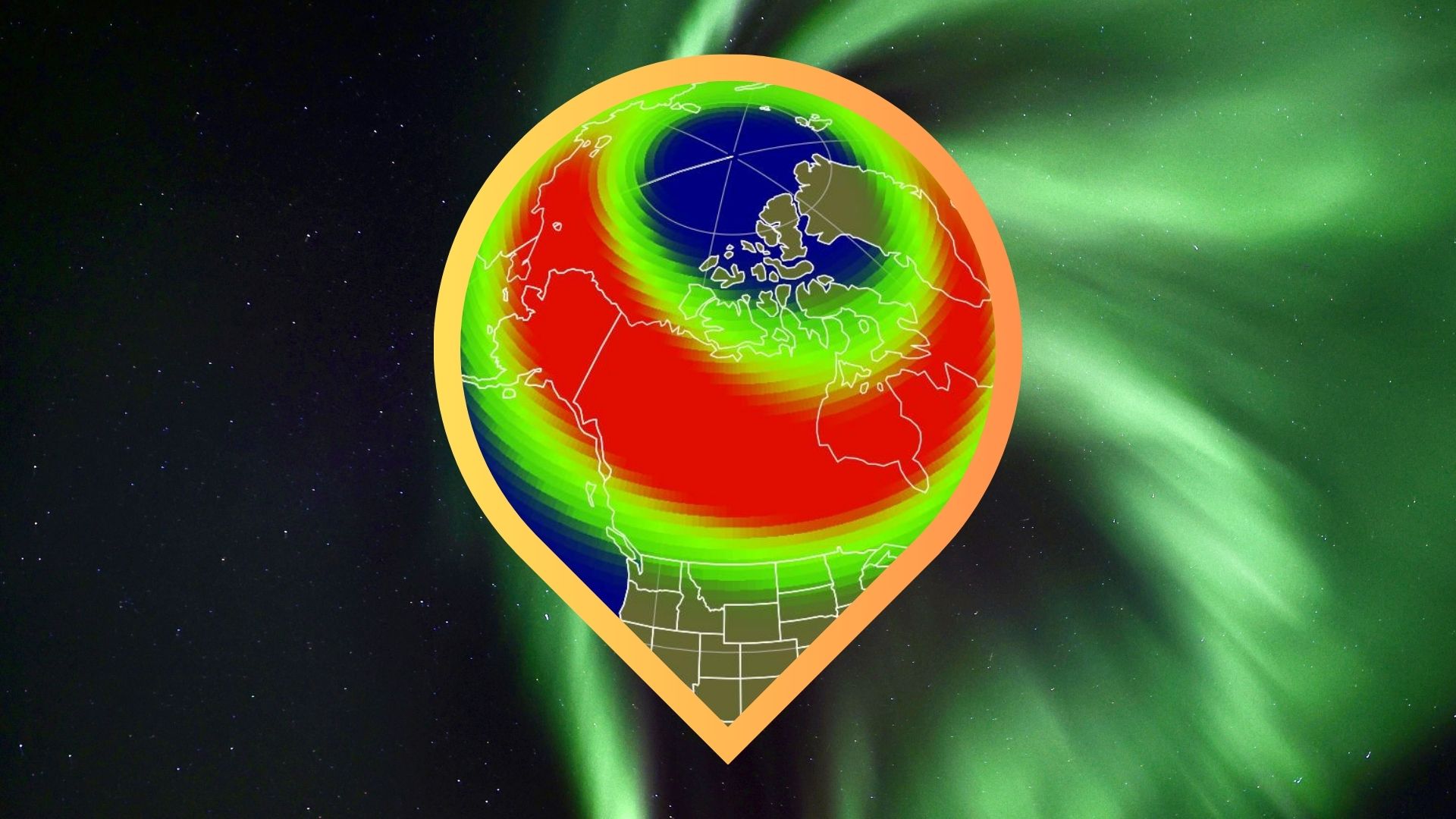
For the next two nights, the luminous green and red glow of the auroras may be more widely visible than is typical in up to 18 states in the U.S.