With a return to thinness in the fashion industry, catwalks spanning size, age and race may be the secret of the Kors appeal
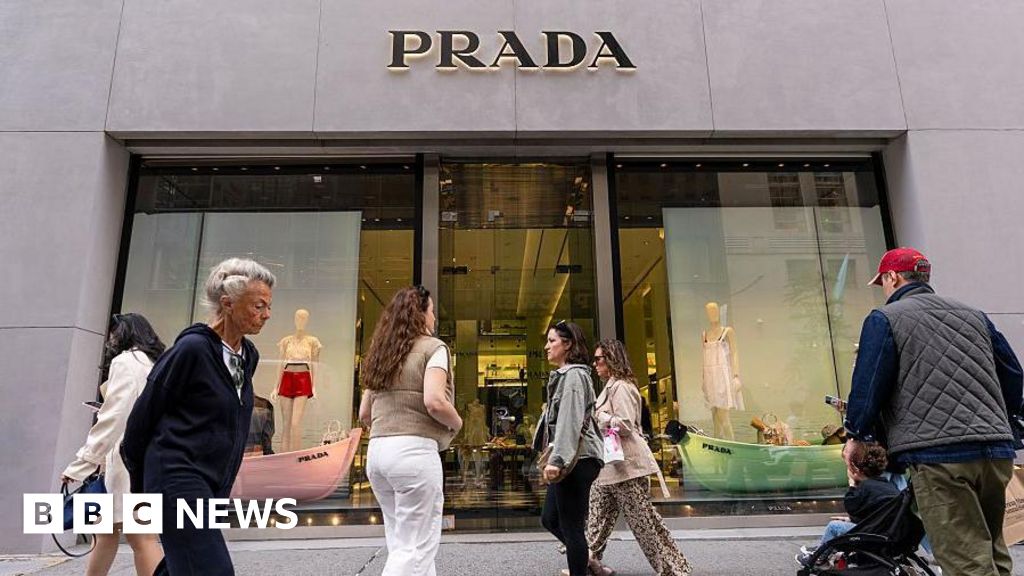
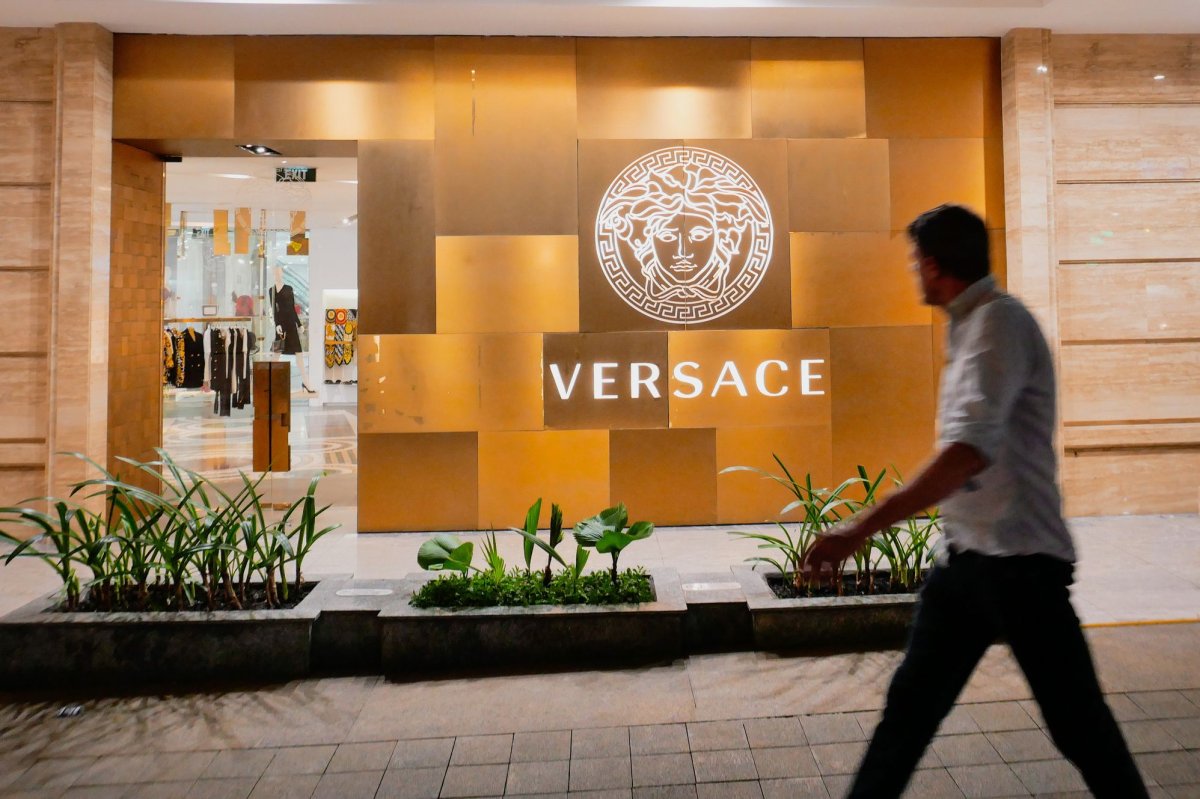
The sale of Versace to Prada this week in a $1.4bn deal marked a new chapter for two storied Italian fashion houses.
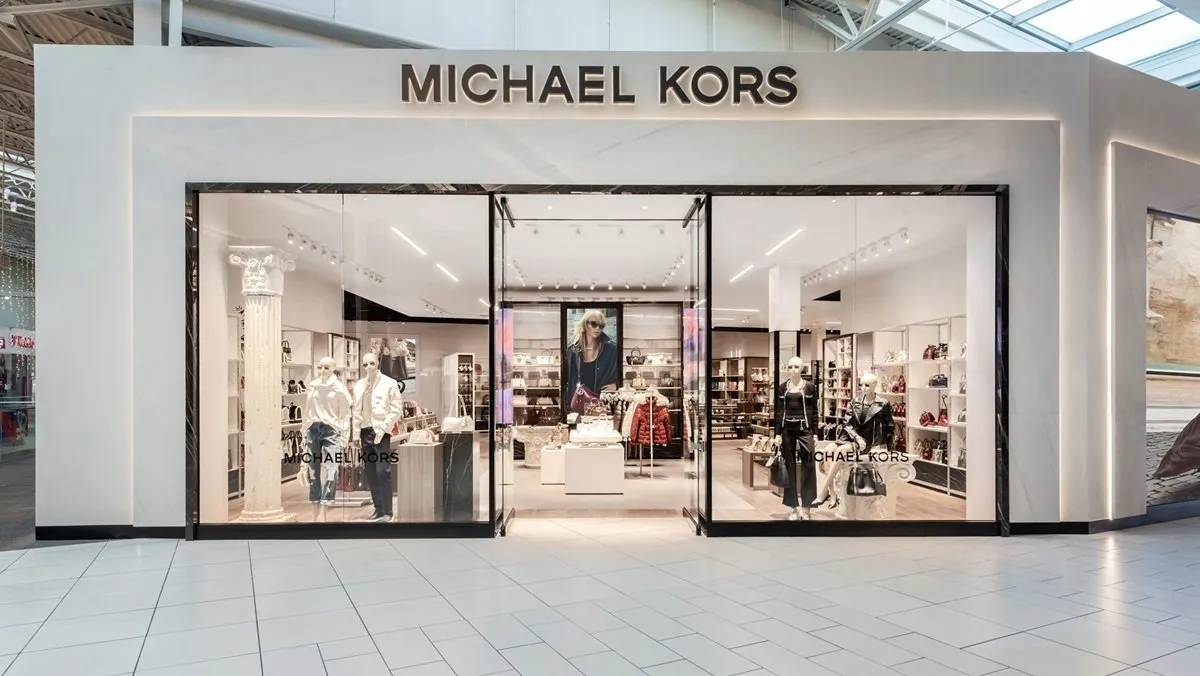
It also left Versace’s former parent company, Capri Holdings, with an even greater focus on Michael Kors, the 44-year-old brand know as America’s Armani that made up about 70% of sales in its last financial year.
Speaking to the Guardian before the launch of his new flagship store on Regent Street in London, Kors said he was concerned that the fashion industry is becoming “more about entertainment and spectacle” and less about customer needs. “When fashion people hear ‘wearable’, they think it’s such a dirty word. And God forbid anyone says ‘commercial’. To them, it’s the worst thing in the world.”
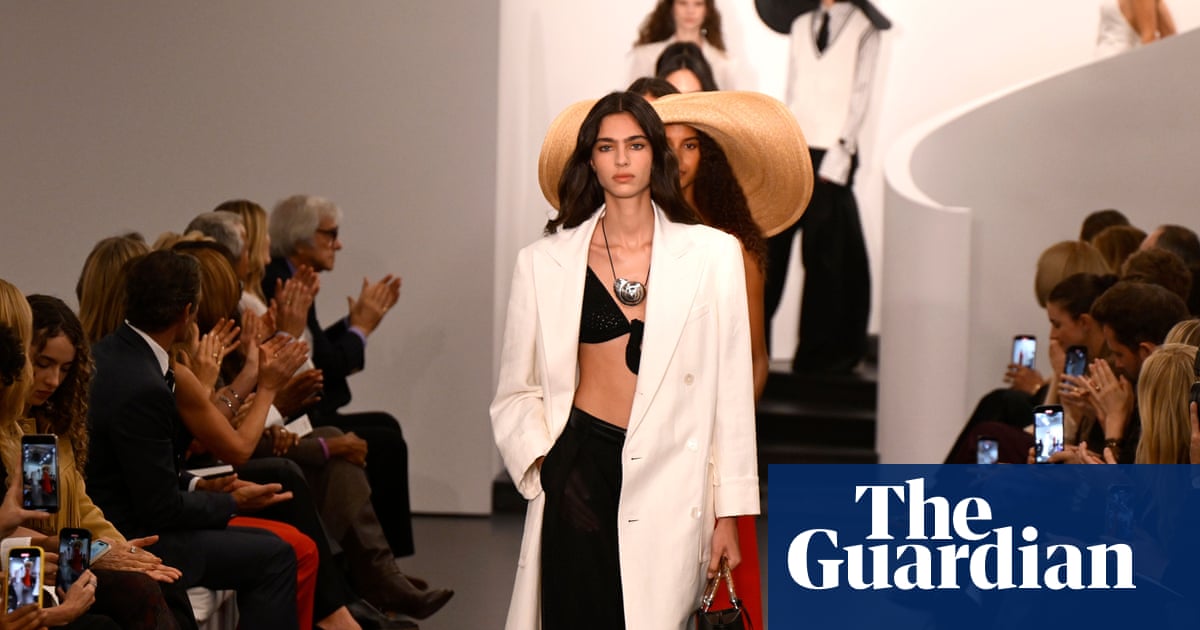
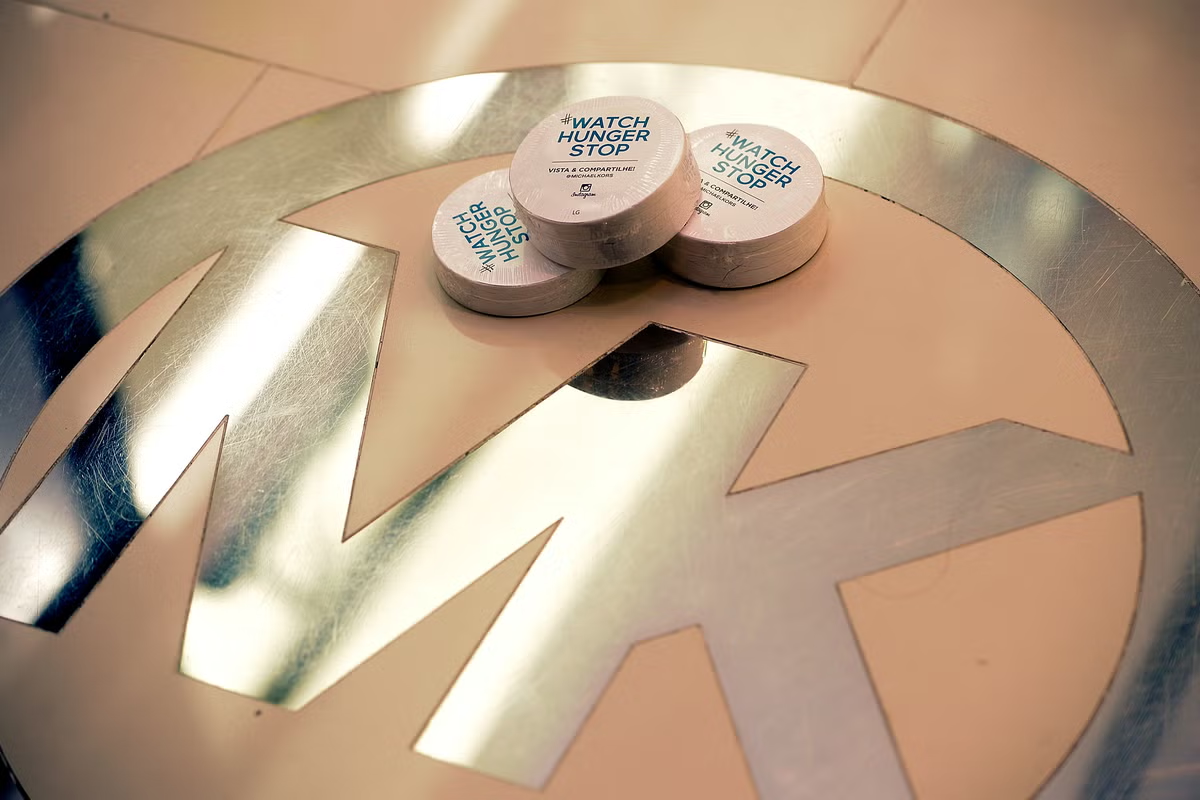
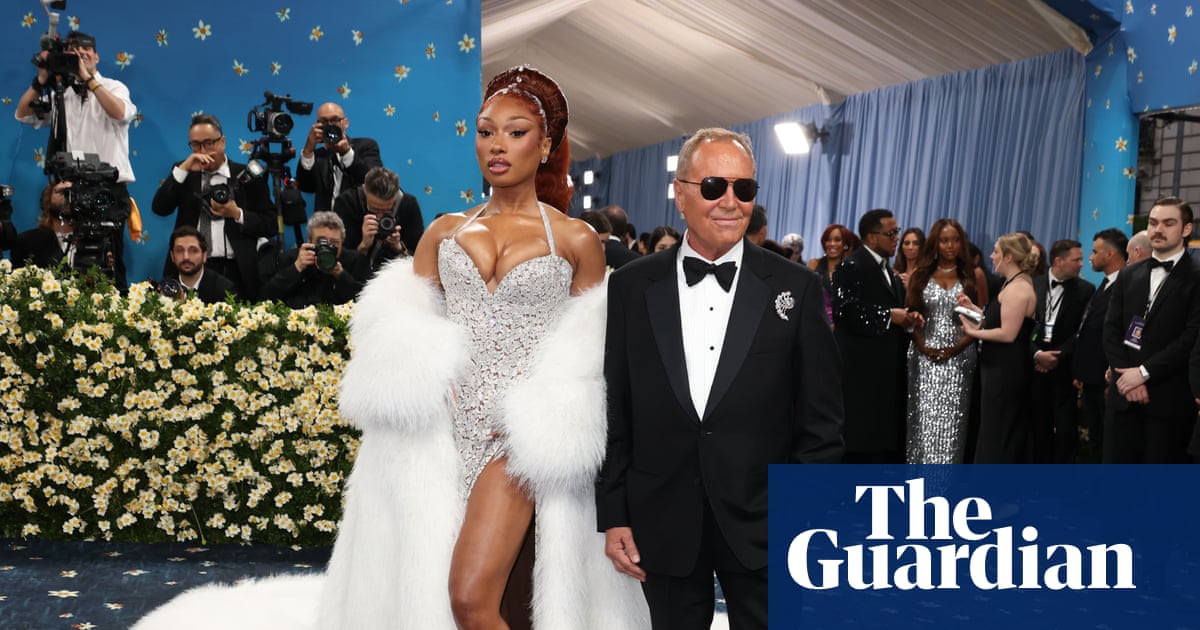
Kors doesn’t just sell clothing but a glamorous aspirational lifestyle that he and his brand embody. His designs have been worn by everyone from first ladies to Gwyneth Paltrow and Megan Thee Stallion. But while his Instagram feed is peppered with A-lister dinner parties, summers sailing around the Saronic islands and glossy catwalk shots, it’s the brand’s more mainstream off-shoot MICHAEL Michael Kors that is its economic moat. Stroll down any high street and you’ll spot the shiny MK logo swinging from bags slung over the shoulders of finance graduates or hanging from the elbows of women who wanted a designer bag for less than four figures.