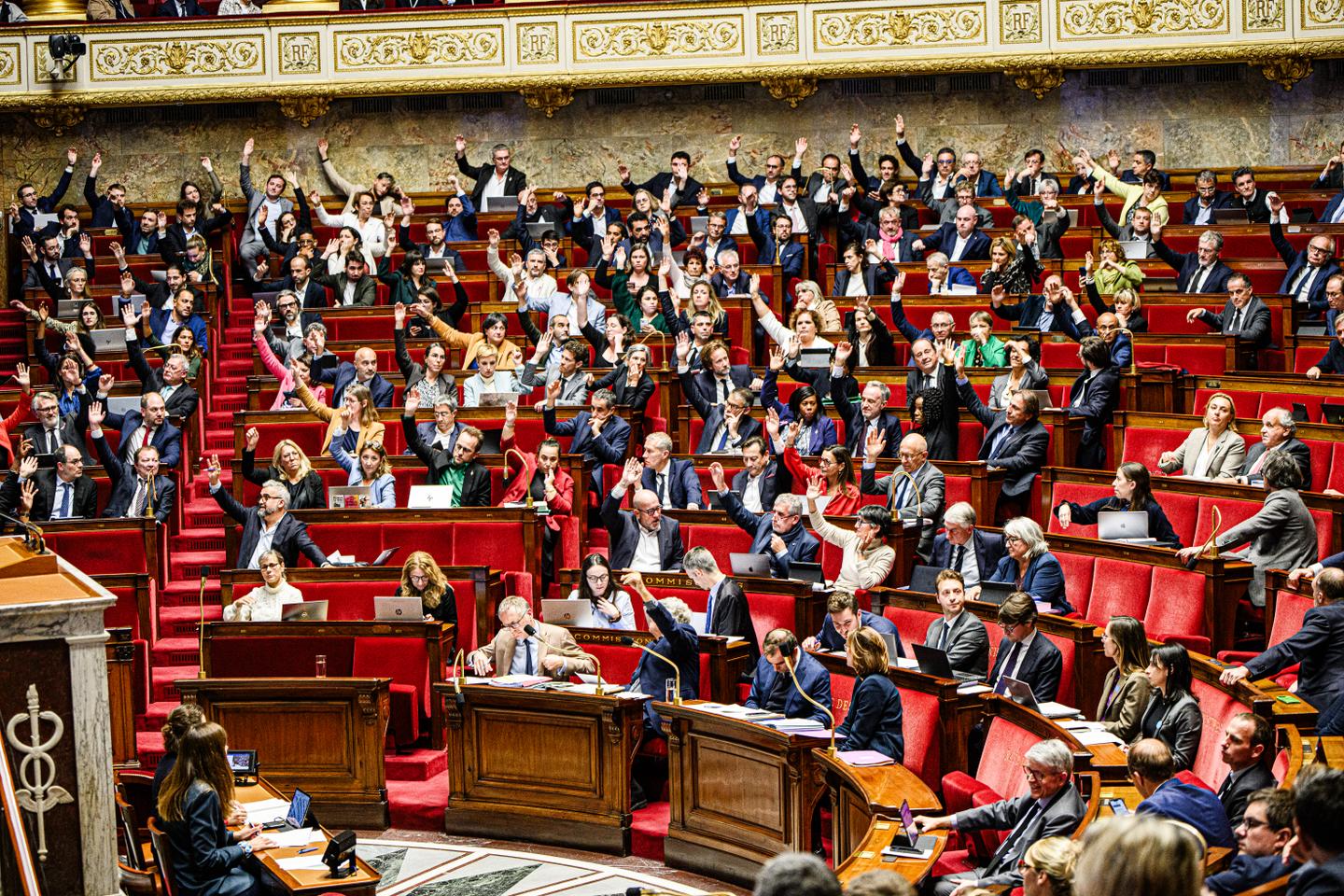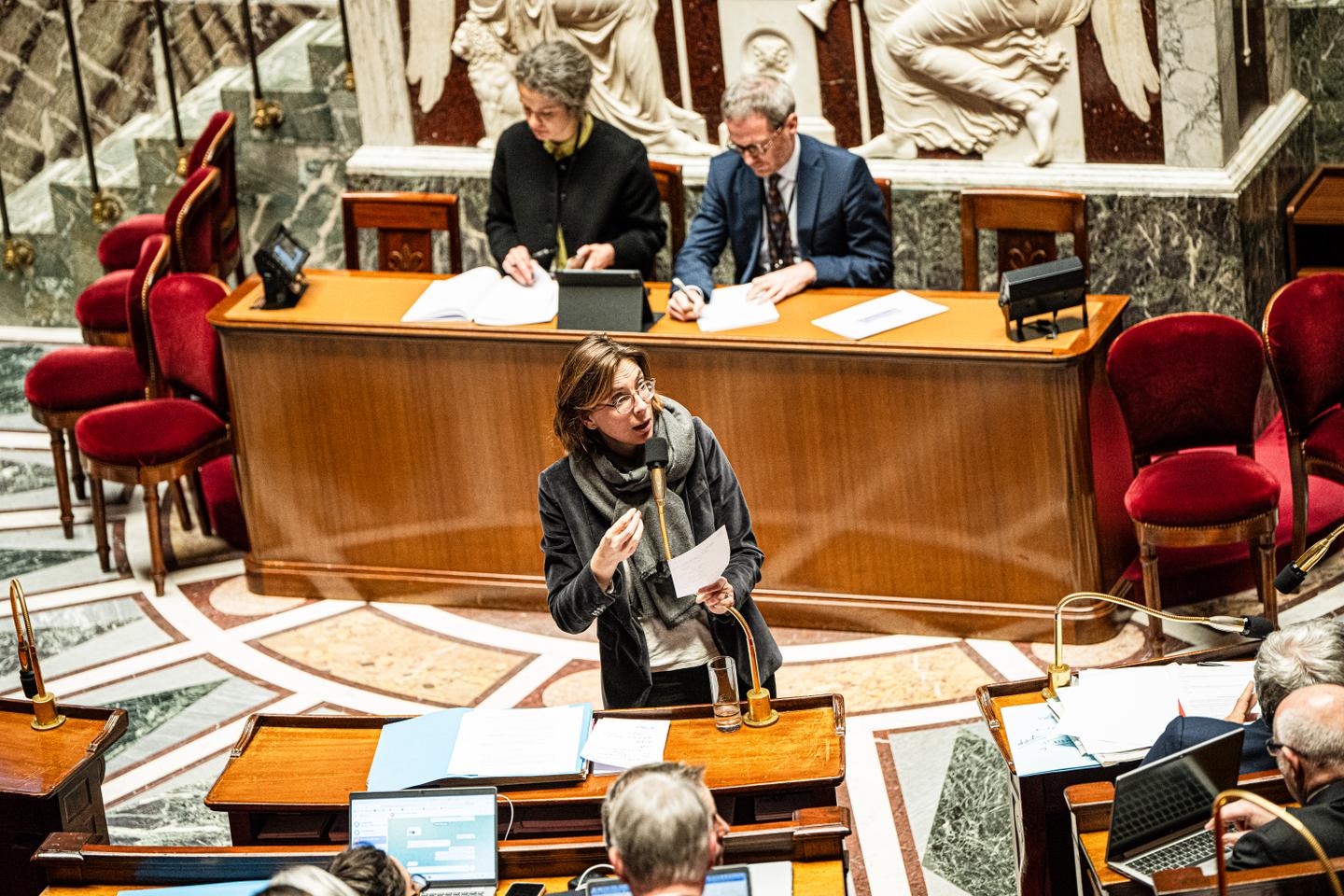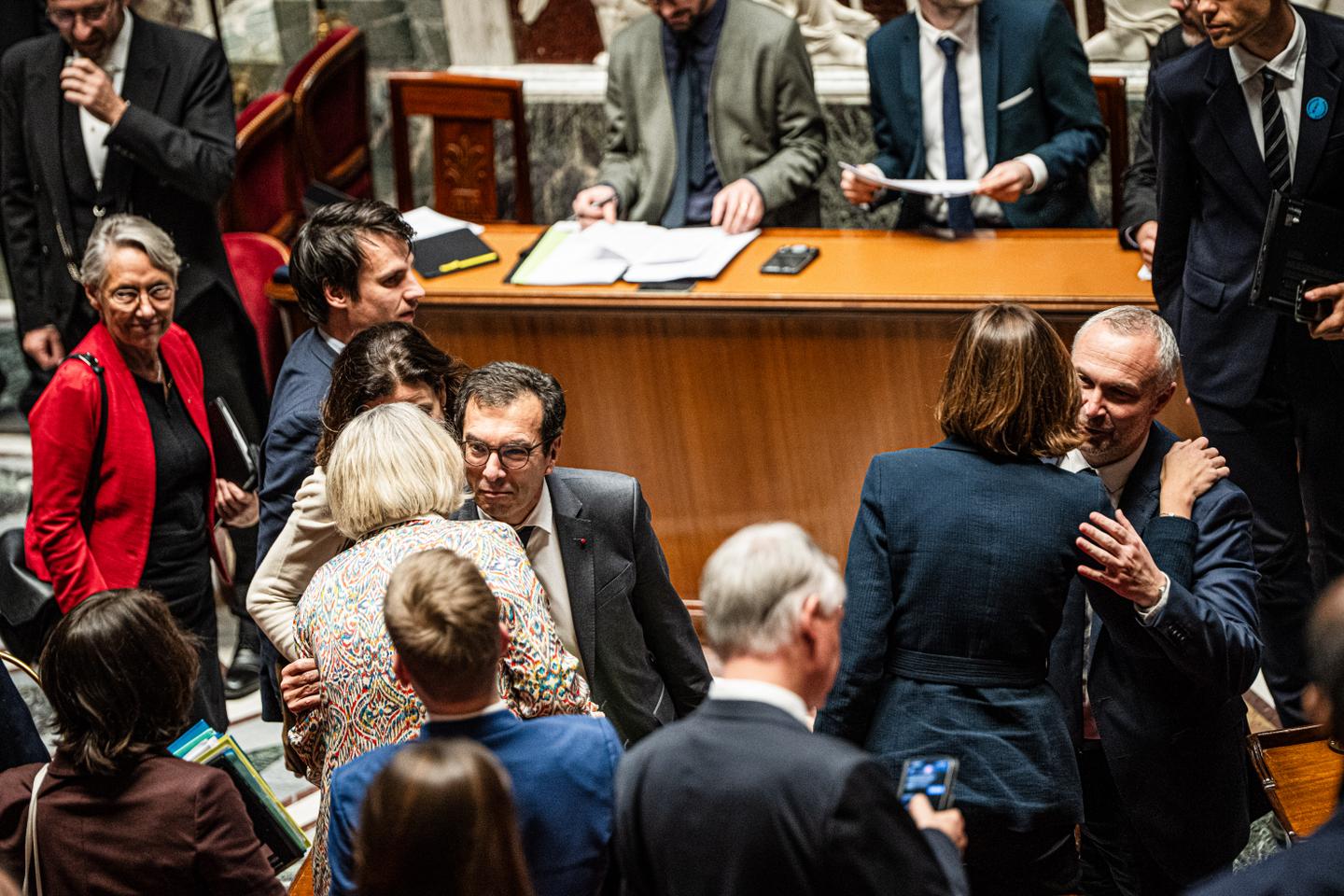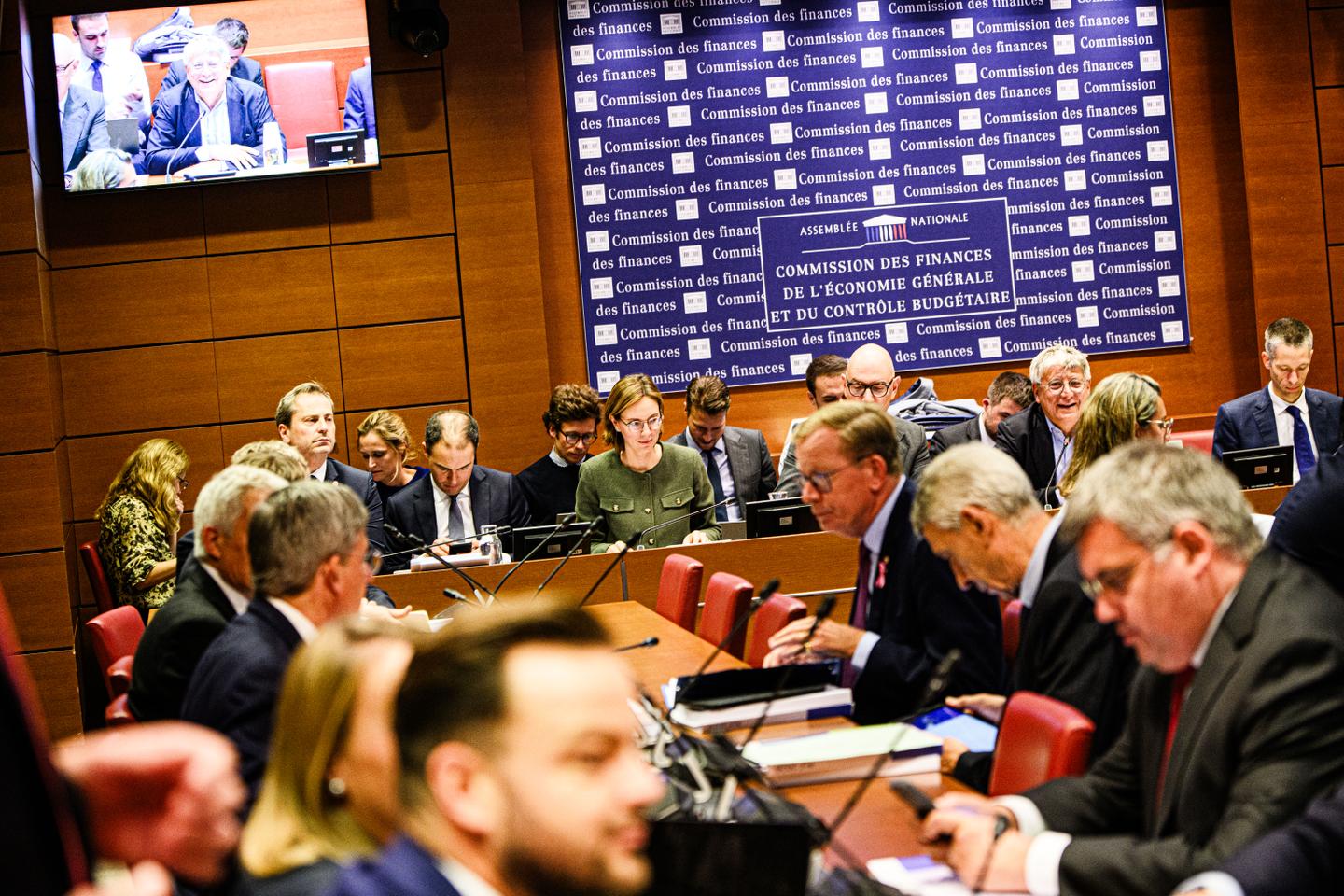
Public Accounts Minister Amélie de Montchalin and Finance Minister Roland Lescure during their hearing on the 2026 budget bill, Paris, October 14, 2025. JULIEN MUGUET FOR LE MONDE
T
he scene unfolded on a Thursday evening in November. It was a late-night session at the Assemblée Nationale, right in the middle of budget season. In the small room of the Finance Committee, a low hum settled in as several female MPs discussed funding for the program on affective, relational and sexual education – an initiative designed in particular to challenge sexist stereotypes. The noise grew louder. Céline Thiébault-Martinez, a Socialist MP, paused: "If everyone present in this room, especially some of the men, had taken part in this program, they would realize that as soon as a woman speaks, the men start whispering and talking, as if women's words mattered less."
Eric Coquerel (La France Insoumise, radical left), the committee's chair, could only agree. "We have to admit there's often a commotion" in such situations, he noted. He had already called the MPs to order two weeks earlier. The discussions, he added, "confirm other gender stereotypes: Most of the amendments to fund child protection or support women were defended by women, while most of the opponents were men."