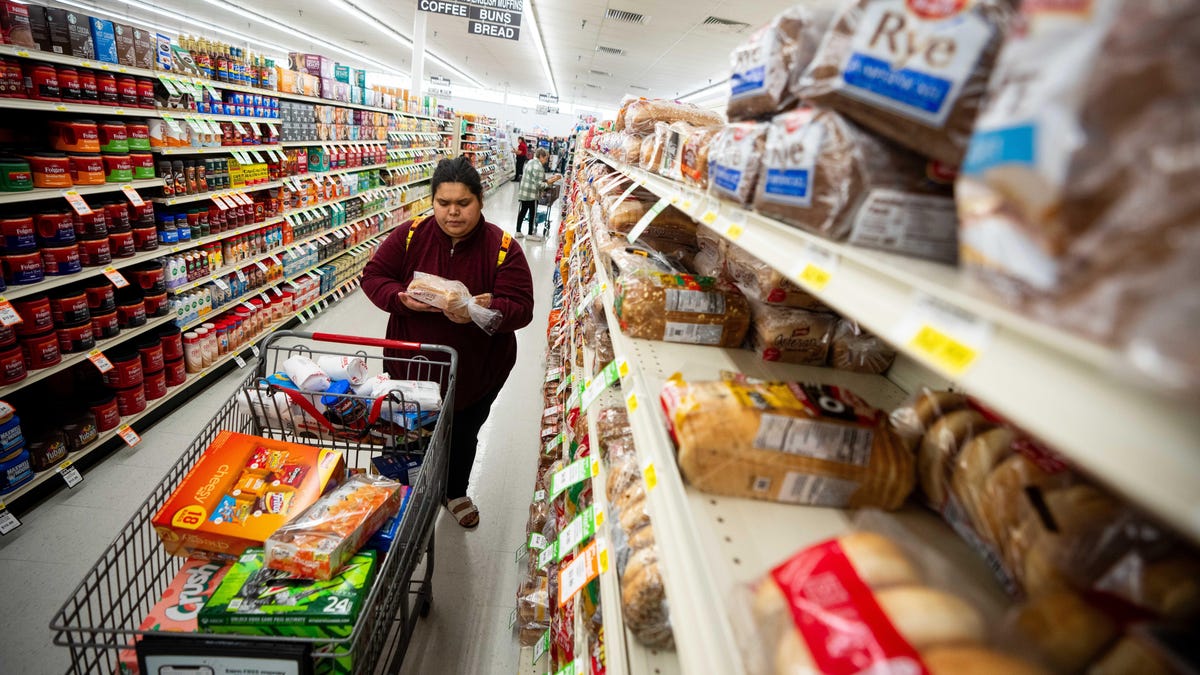
The new year will see dozens of states, cities, and counties raising the minimum wage locally, helping millions of Americans offset an increasingly urgent affordability crisis.
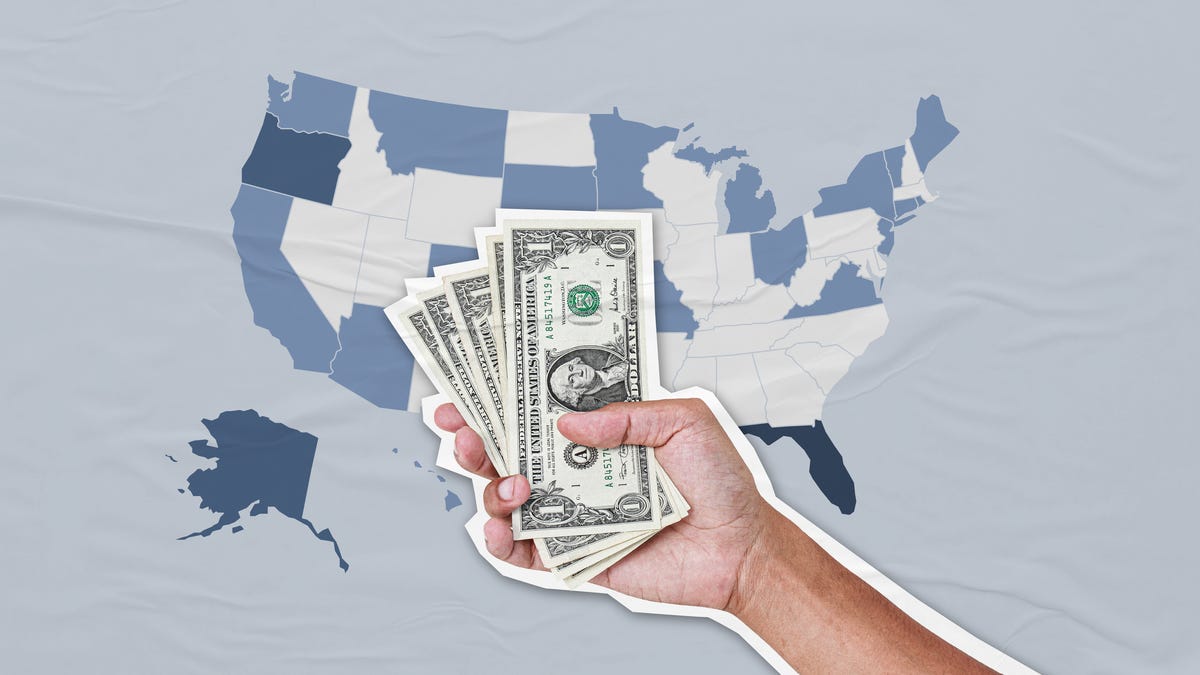
On January 1, 2026, the minimum wage will increase in 19 states and 49 cities and counties, with an additional four states and 22 localities lifting their minimums later in 2026, according to an annual report from the National Employment Law Project (NELP), a worker advocacy group. In 2026, a total of 79 jurisdictions will have a minimum wage of $15.00 or more.
“Policies increasing the minimum wage have been a lifeline for underpaid workers who have been the most impacted by a growing affordability crisis—defined here as the growing gap between household incomes and the cost of housing, groceries and other basics,” wrote Yannet Lathrop, NELP’s senior researcher and the author of the report.
State and local government measures on the minimum wage are critical because the federal wage floor hasn’t gone up since 2009, said Kathryn Anne Edwards, an economist and policy consultant, in an interview with USA TODAY. Nearly two decades later, one million Americans still make that amount, which is $7.25 an hour.
But sometimes ballot initiatives – policy led by ordinary voters, not state legislatures or city councils – are necessary to get those changes made, Edwards added.