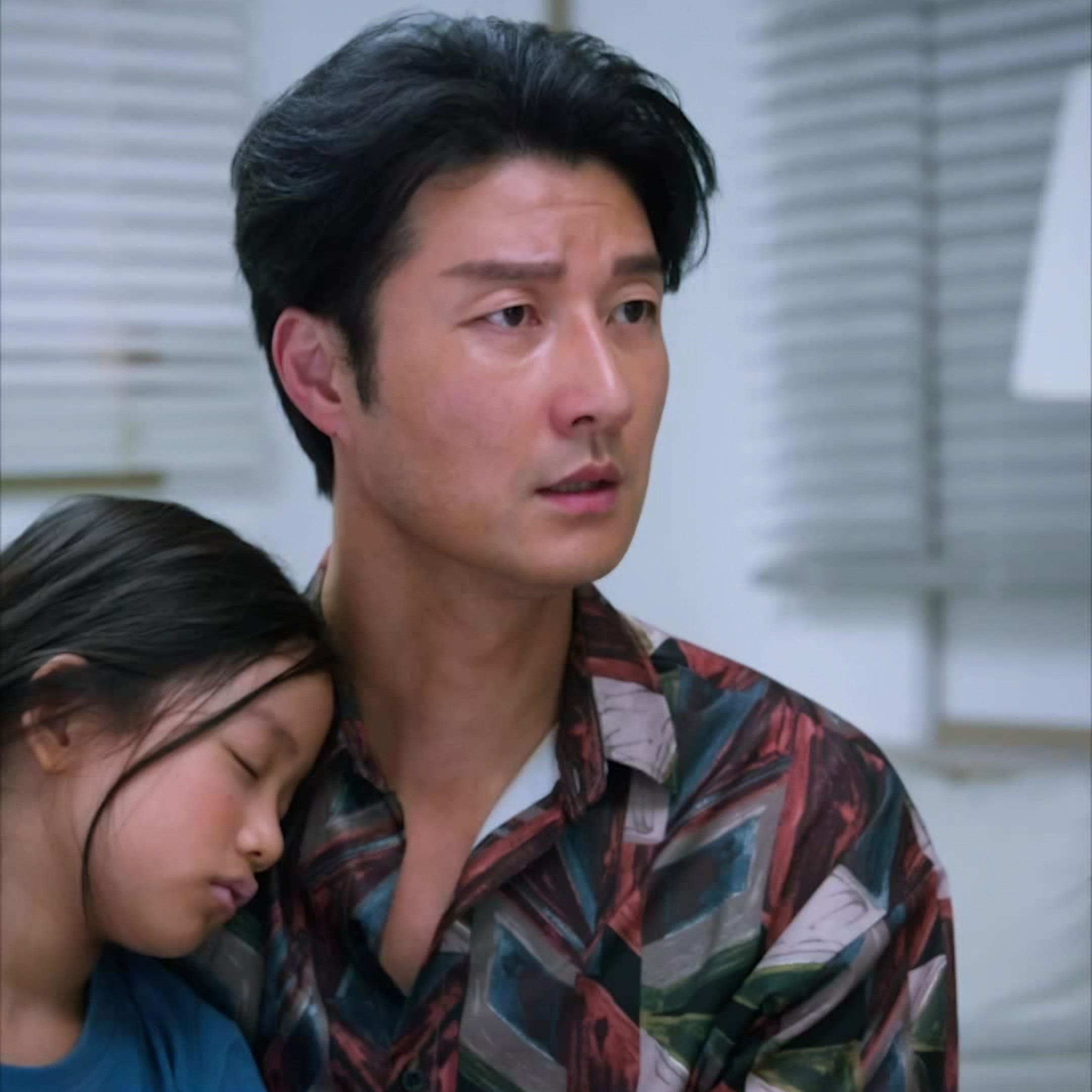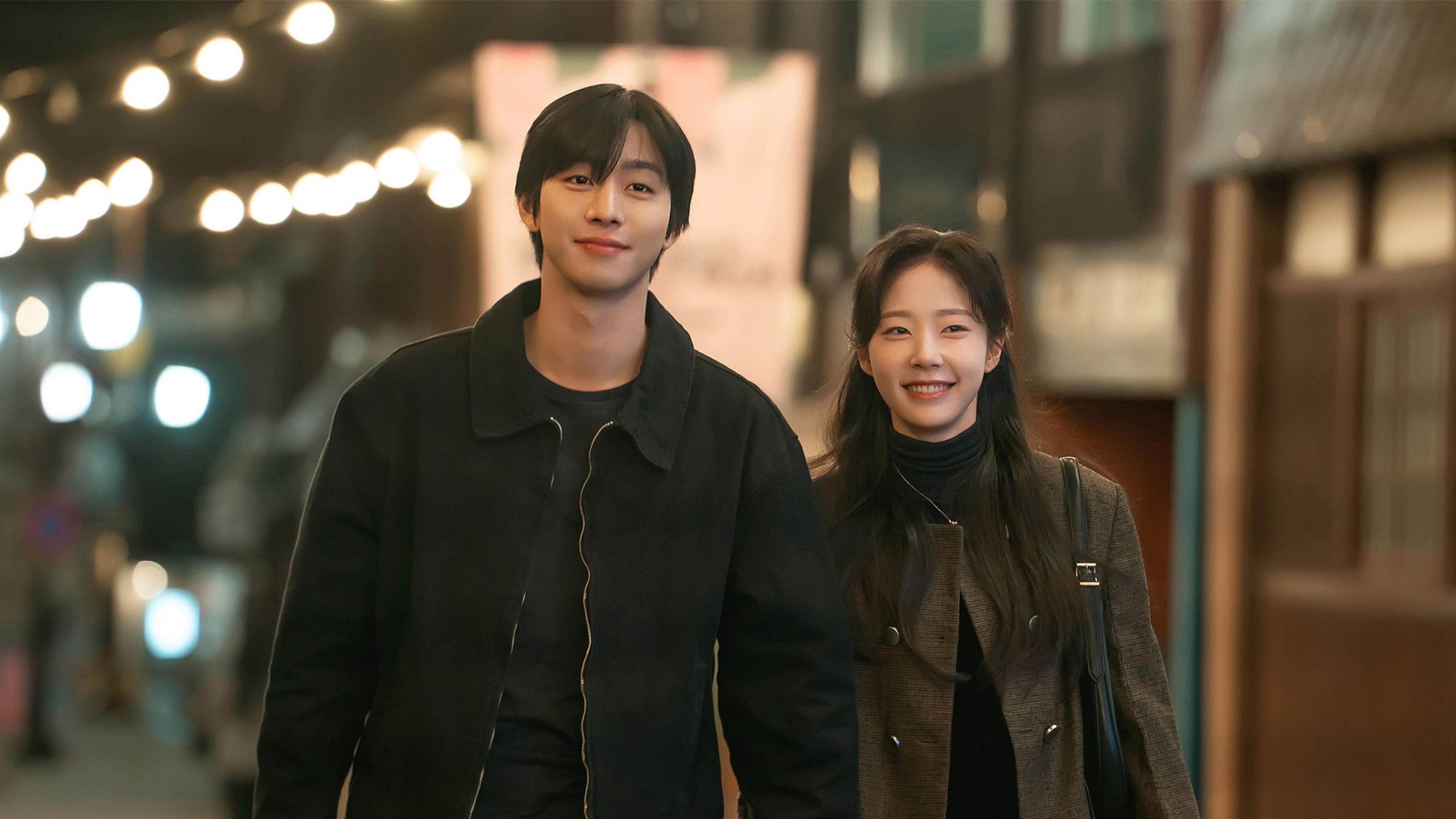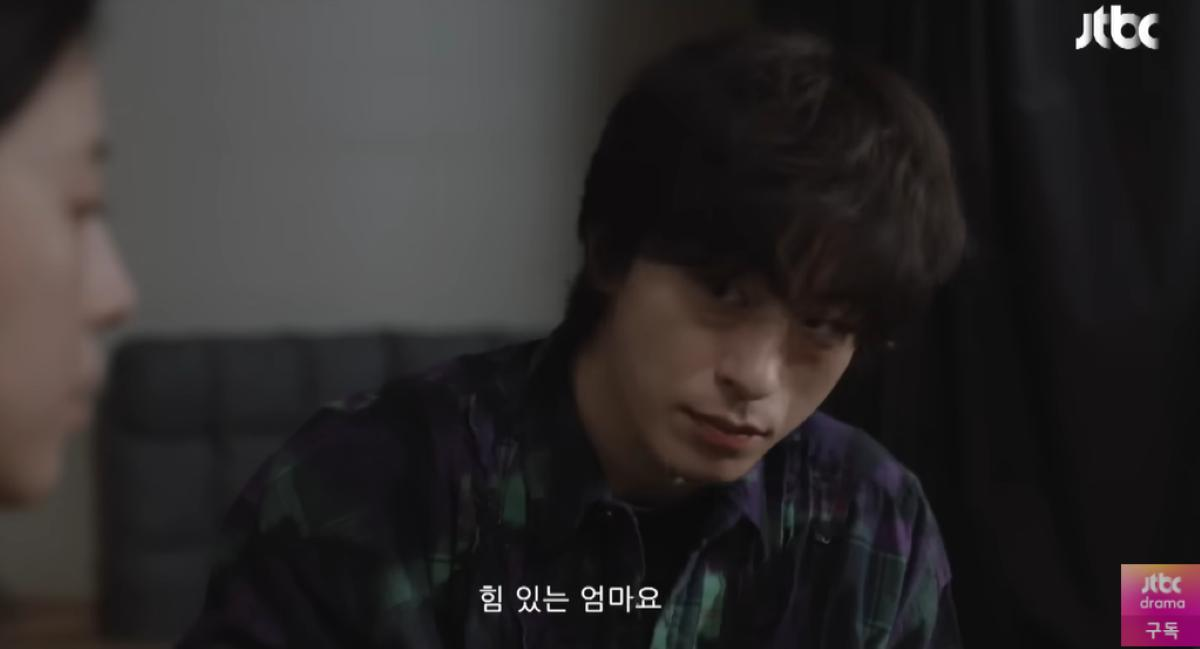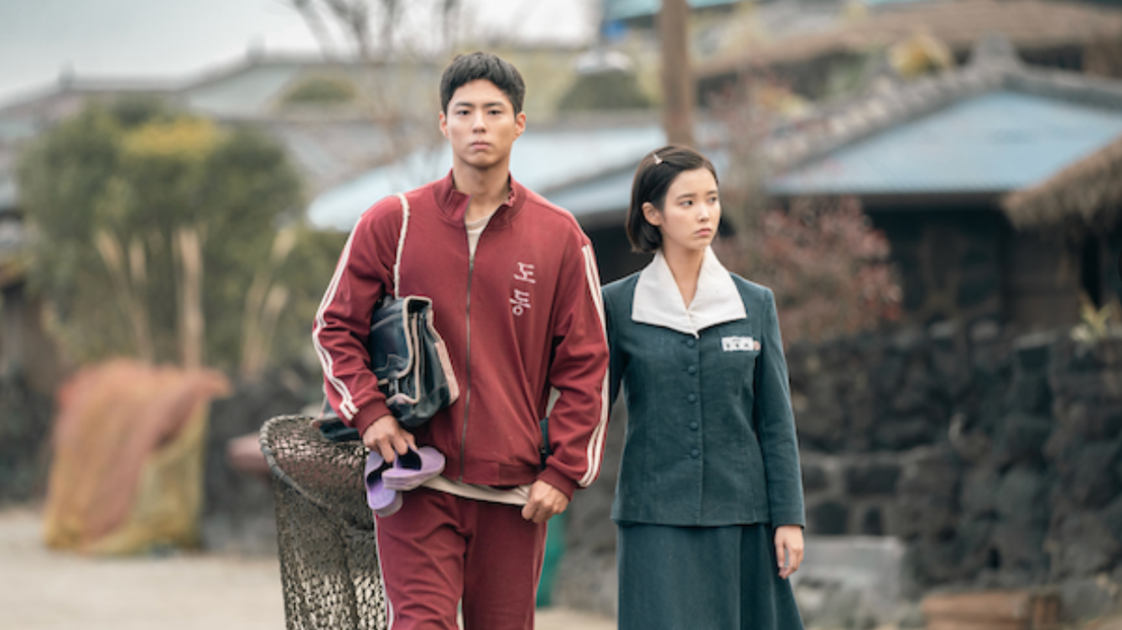
Every single Sunday after church when I was little, my parents, my sister, and I would head to our local Korean market. In a musky, dark, narrow hallway behind the checkout counter, almost ceiling-tall bookshelves lined with rows of VHS tapes of K-dramas. After getting all the necessary groceries — which included handmade rice cakes and kimbap that sold out in minutes — my umma would go straight to her favorite spot and grab five or six tapes of the latest K-drama. Or, if the mood struck, older ones she hasn’t seen yet. Titles of the shows, scrawled on the side of the tape in marker, were particularly faded on the most popular ones. While it used to be just people within the Korean community, people of all different ethnicities and ages watch K-dramas today. Sometimes, it’s out of curiosity or hype. Others, it’s related to a burgeoning K-pop obsession. For us immigrant children who are now middle-aged adults, it’s often about familiarity. We get lost in the storytelling, sometimes through unrealistic romance (that we love anyway) or the hypnotizing soundtrack.When I watch, I see the characters and their stories as a reflection of my parents’ lives. It’s been illuminating to envision, through these K-drama characters, versions of them that I’ve never known.It’s hard to imagine a time when my parents weren’t “umma” and “appa” or even “husband” and “wife.” But I began to see and process a different version of them while watching “Twinkling Watermelon,” a K-drama about a time-traveling high school student who wants to be a musician. It’s layered; the main character gets to go back into his own past and bear witness to his own father’s dreams of becoming a musician. Watching this tender story unfold made me wonder about my parents’ own aspirations long before they became parents and before immigration changed their lives. Did they tuck their dreams under their pillows when my sister and I came into the picture? As they age, I wonder how much of their youth and those dreams still linger in their memories.I didn’t ask them right away, but as I delved back into these shows, my curiosity and empathy grew. I didn’t know about all that my parents lived through in the aftermath of the Korean War as young children. Our realities are shaped by what’s happening around us at the time, and I was reminded of this while watching “When Life Gives You Tangerines,” a super popular show that came out earlier this year. A steadfast love story between two characters on Jeju Island spanning from the 1960s to the present day, the K-drama provides the historical context of haenyeo life, gender roles, and the aftermath of the Jeju April 3rd Massacre. The hardships the couple in the show lived through while protecting their children from a post-war reality made me think about my parents’ own journey in Korea and in the U.S. My appa was born in 1953, the same year the Korean War ended. I will never know the impact of this violence, the separation of families and the trauma that runs through his veins.Yet, he and umma gave us a childhood filled with family togetherness and emotional security, where laughter and an abundance of food were always available to us. I’m convinced that my sister’s and my own reality was just a sliver of our parents’ much bigger, complex picture. Recently, while looking through old photographs of my parents, I asked what they most missed about Korea. I assumed not being able to speak the language and leaving their friends and family behind was the hardest, but what they actually told me will leave my heart aching for a long time. It revealed their actual hopes, dreams, and let-downs.What they longed for and what was excruciatingly difficult to find, they told me, was a neighborhood where doors were often left open for neighbors to stop by anytime, and where we could make friends with kids next door.Community was so important to my parents, and I thought a lot about their struggle to find it when I began watching “Reply 1988,” which explores family and coming-of-age through the tender story of five families living in a neighborhood in Seoul in 1988. These families were there for each other for life’s everyday, mundane moments as well as milestones. Perhaps it has a special place in my heart because 1988 was also the year we immigrated to the U.S from South Korea, leaving our own dongnae (neighborhood) behind. Umma remembers our new neighborhood in Michigan as being too quiet. Appa remembers it being difficult to make friends. Back in Korea, our dongnae was where everything happened, and everyone’s lives intersected in a way that felt both safe and supportive.In their journey to learn a new language in a culture they didn’t understand, they observed and quietly lived their days, working day after day. I hear the loneliness in their stories and in the plots and character development of these K-dramas, which have shed unexpected light on my parents’ experiences.K-dramas have served as a bridge between us when I need a way to get past our differences that sometimes feel like we’re living in two separate worlds. These dramas have been a mirror, reflections of what my parents’ lives might have been like. So while those Sunday afternoon trips to the Korean grocery store for video tapes of K-dramas were where it all began, the stories thankfully continue to unfold.
The Unexpected Therapy Of K-Dramas
“As I delved back into these shows, my curiosity and empathy grew. I didn’t know about all my parents lived through during the aftermath of the Korean War.”
912 words~4 min read