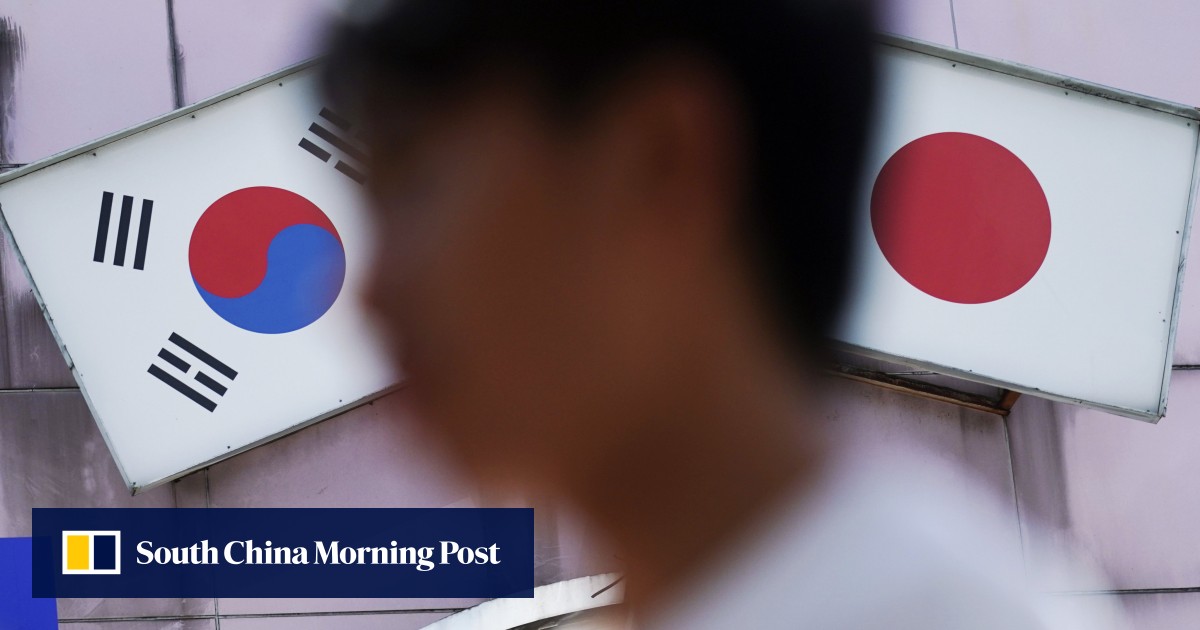
Eighty years after South Korea’s liberation from Japanese colonial rule, a younger generation’s shared passions are creating a new intimacy
Pop-up stalls themed around blockbuster series lure teenagers and twenty-somethings who, until recently, might have been dismissed as otaku – a once-derogatory term for obsessive fans.
But now, Japanese pop culture is everywhere: in the manga-laden shelves of Animate, in the queues for anime-themed pop-ups, in the playlists of teenagers.
“I started to watch Japanese animation from a young age as my parents introduced me to classics like Dragon Ball Z and Studio Ghibli,” Choi said. “I’m always asking my friend if they watched the new Japanese anime that dropped on Netflix.”
This cultural intimacy the two neighbours now share, of animated films, games, fashion and food, has increasingly found its mirror in the cautious drawing closer of their political leaders, despite their history.