Lee Yoon-seo
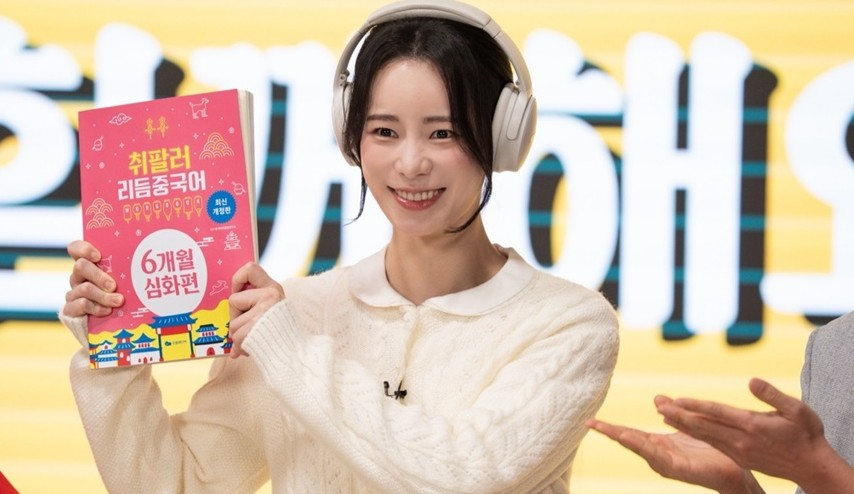
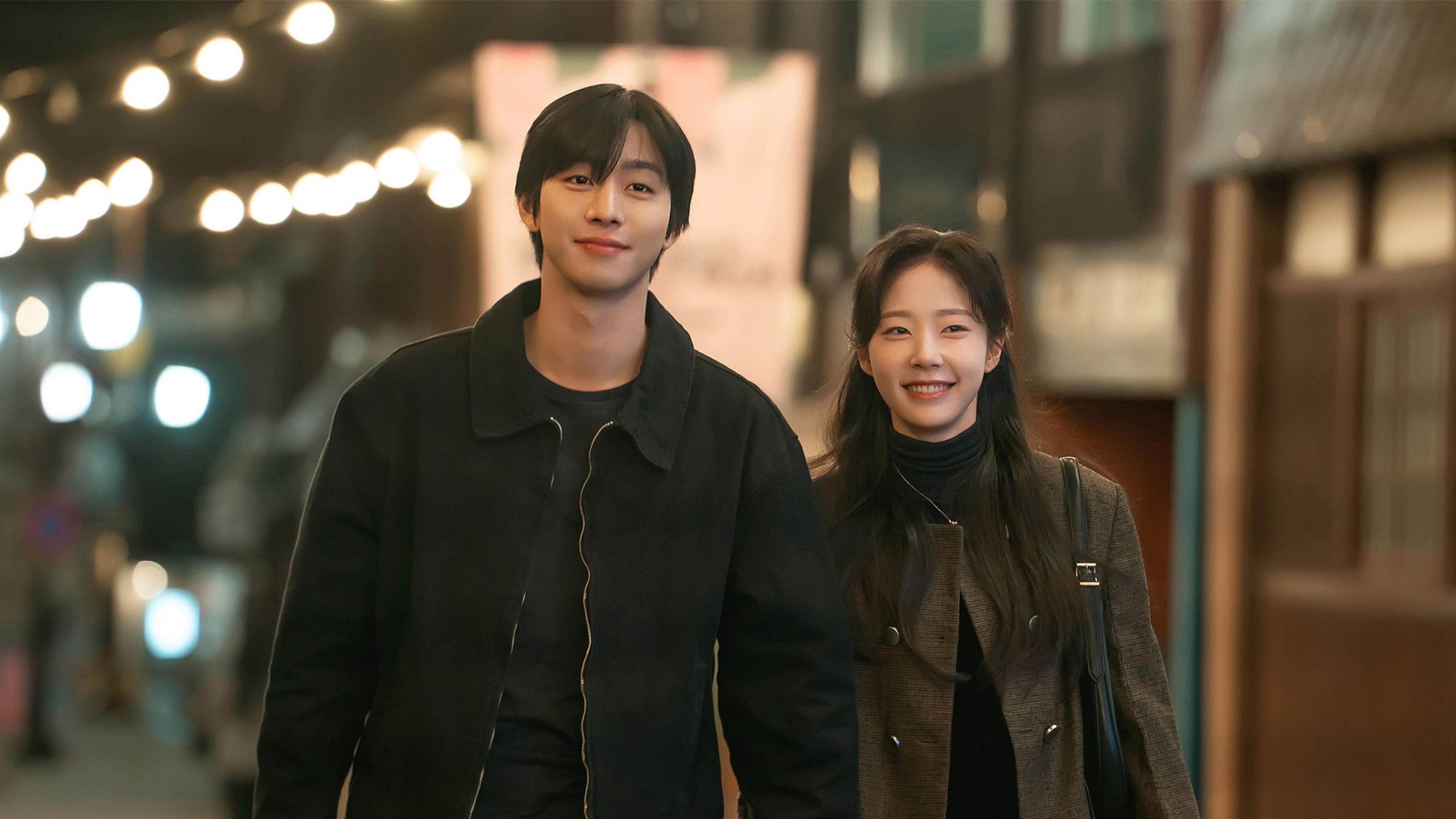
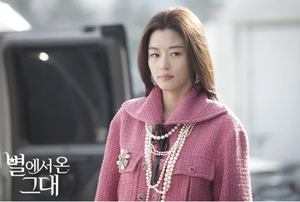
In today's K-dramas, the heroine — not the hero — is the one who changesThe ideal K-drama heroine was once poor, kind and endlessly forgiving — a woman who endured hardship with quiet resilience before eventually melting the heart of a cold, emotionally distant male lead through sheer devotion.Today, she might ruin your life over the course of 12 episodes.From the self-sacrificing melodrama heroines of the 1980s to the unapologetically driven women dominating screens today, Korean television's female protagonists have undergone a striking transformation over the past four decades.1980s, era of turbulence "Love and Truth," starring Jung Ae-ri (right), became one of the defining dramas of 1980s, drawing ratings that climbed to around 70 percent during its run. (MBC) In the 1980s, female leads in Korean dramas were typically portrayed as patient, self-sacrificing women who placed family, duty and emotional restraint above their own desires.These characters suffered in silence, weathering poverty, marital conflict and difficult in-laws while maintaining an image of unwavering moral purity. Some women were also subjected to domestic violence, with many shows depicting women’s subordinate status, openly showing husbands slapping their wives, and audiences accepted such scenes as normal.The archetype dominated melodramas, family series and daily soaps alike, and one of the defining examples of the era was "Love and Truth," the ratings juggernaut that surpassed a 70 percent viewership share at its peak. Its protagonist, Lee Hyo-sun, played by the era's top actress Jung Ae-ri, embodied the feminine ideal of the time: patient, family-oriented and guided more by responsibility than personal desire. The character reflected broader social expectations that women should remain docile, self-sacrificing and morally pure.By the late 1980s, that image was beginning to fracture. The rapid modernization that followed the 1988 Seoul Olympics reshaped social values, encouraging greater emotional self-expression and individualism. In line, television gradually became filled with sophisticated fashion, urban romance and financially independent women. The stylish, cosmopolitan career woman emerged as a new aspirational figure.TV shows gradually moved away from stories centered solely on sacrifice and endurance, turning instead toward questions of personal desire and identity. Rather than being defined solely by what they could endure for others, women onscreen were increasingly portrayed through what they wanted for themselves.The 'Candy Candy' years "Love Is in Your Embrace," starring Cha In-pyo (left) and Shin Ae-ra (MBC) By the 1990s, democratization had expanded the emotional and social scope of female protagonists. Yet many heroines of this transitional era, despite being portrayed as individualistic and ambitious, were still not allowed to stand on their own.Instead, one of the era’s defining tropes became the so-called "Candy Candy" narrative: stories in which a poor but optimistic heroine endured hardship and ultimately achieved upward mobility through relationships with wealthy men.Series such as "The Last Match" and "Love Is in Your Embrace" helped popularize the model through actresses like Shin Ae-ra, whose characters were innocent yet resilient."I personally think Korea may be one of the countries where perceptions surrounding women's social status and gender roles have changed most dramatically over the past few decades," said Lee Sung-min, associate professor in the department of media arts and sciences at Korea National Open University."From a historical perspective, I think there were two major turning points in the portrayal of women in Korean dramas: one around the 1980s, and another following the rise of the generation born in the 1990s," Lee said."I especially think Koreans born in the 1990s have a fundamentally different perception of gender roles and the balance of power between men and women compared to older generations," he added.From Cinderella to 'girl crush' "My Lovely Sam Soon," starring Hyun Bin (left) and Kim Sun-a (MBC) As women's social roles evolved rapidly, the early 2000s marked another transitional era for Korean dramas. Series such as "My Lovely Sam Soon" had introduced female leads with careers, professional ambitions and even more assertive personalities.Still, despite the stronger identities of female protagonists, many dramas remained, in some ways, tethered to "Candy Candy" tropes or Cinderella fantasies centered on wealthy male leads."Lovers in Paris" — which logged peak ratings of 57 percent during its broadcast and became one of the biggest series of the 2000s — exemplified the formula. Its heroine was struggling but cheerful, while the central fantasy still revolved around falling in love with a chaebol heir. The aesthetics had modernized, but the underlying romantic framework remained largely intact. "My Love From the Star," starring Jun Ji-hyun (SBS) By the 2010s, however, conversations surrounding gender, feminism and female identity had moved closer to the center of Korean pop culture alongside the rise of women’s social standing."My Love From the Star" introduced one of the decade's defining heroines through Jun Ji-hyun's wildly charismatic Cheon Song-yi. Loud, narcissistic and enormously successful on her own, she represented a departure from the quieter heroines who had dominated earlier eras of Korean television.That shift became even more pronounced in late-2010s hits such as "Hotel del Luna," one of the most-watched series of 2019. Its heroine, Jang Man-wol, played by IU, emerged as one of the clearest mainstream embodiments of the "girl crush" archetype in Korean drama — a woman who loved money, craved power, acted selfishly at times and consistently overshadowed the male lead in both charisma and screen time.In an earlier era of Korean television, a character like Man-wol likely would have been written as the villain rather than the romantic lead. "Perfect Crown," starring IU (MBC) That evolution has only intensified. Female characters now frequently hold narrative control, while traditional Cinderella fantasies have largely receded from the mainstream — reflecting both changing social dynamics and possibly, a growing desire to move beyond long-repeated tropes.In their place are "girl crush" heroines: emotionally guarded and professionally formidable women who dominate many of the country's currently hottest series such as "Perfect Crown" and "My Royal Nemesis.""Before this drama, I had actually done quite a lot of romance series. As I kept working on them, I started to feel that certain emotional beats and relationship dynamics were repeating themselves. I even wondered if the kind of excitement and romance I was portraying might start to feel somewhat cliched or predictable to today's viewers," Park Jun-hwa, director of "Perfect Crown," said in an interview Tuesday."Hui-ju (IU) is such an intense and ruthless character that you almost think, 'Can someone really be this extreme?' Yet I think viewers actually find a different kind of enjoyment in that boldness," said Park."At the same time, as the character gradually reveals a softer and more feminine side, audiences also seem to connect with the romantic excitement and emotional warmth within that transformation (in characters like Hui-ju)," he added.The heroine takes control Lim Ji-yeon stars as Seo-ri in "My Royal Nemesis." (SBS) According to Lee of KNOU, the transformation mainly reflects a generational shift among audiences themselves."The core audience for Korean romance series today is women in their 20s and 30s," Lee said. "With the change in social standings, viewers no longer emotionally identify with passive or self-sacrificing female characters. They connect more with women who have clear desires, ambitions and agency."He noted that older romance dramas typically focused on transforming the male lead — often an arrogant chaebol scion or an emotionally distant man who gradually became more caring through love — while the heroine remained largely static, enduring hardship with unwavering devotion."Now the transformation belongs to the woman," Lee said. "The story often begins with a heroine who believes she doesn't need men or romance at all, and ends with her discovering that meaningful emotional connection is still possible. In many ways, that reflects the desires and emotional realities of contemporary audiences."Thomas Suh, the former managing director and producer at Systeme D Entertainment, said catering to female audiences is a fundamental part of the K-drama industry."In the (Korean) film industry, most directors are still men, and directors often take the lead not only in directing but also in writing the scripts. By contrast, television networks and drama production companies tend to have a much higher proportion of female employees," said Suh."There are also many female writers, and since a large portion of the audience is made up of women, it seems inevitable that more Korean series naturally reflect the realities and sensibilities of female viewers today," he added.Pop culture critic Kim Hern-sik believes the rise of ambitious and assertive female leads in K-dramas is a trend that is unlikely to fade anytime soon."This shift will probably continue for quite some time," Kim said. "Women's participation in society has expanded significantly, and expectations surrounding women's social roles continue to evolve. Since women remain the dominant audience demographic for Korean dramas, changing perceptions of womanhood in society inevitably reshape the kinds of female characters that appear onscreen."