https://arab.news/nrva2
Starting from the 15th century, thanks to advances in navigation tools, shipbuilding and mapmaking, European powers were able to explore new maritime routes and claim new overseas territories. Portugal and Spain were soon followed by Britain, France and the Netherlands, with the original goal being mainly to seek new trade routes to Asia.
The world quickly became a chessboard, with local populations disregarded. The colonial powers always started with a scramble to grab land and claim it as their own before any rival could. There is no doubt that a key part of the subsequent centuries of war between the European powers was linked to trading posts and who could control the seas.
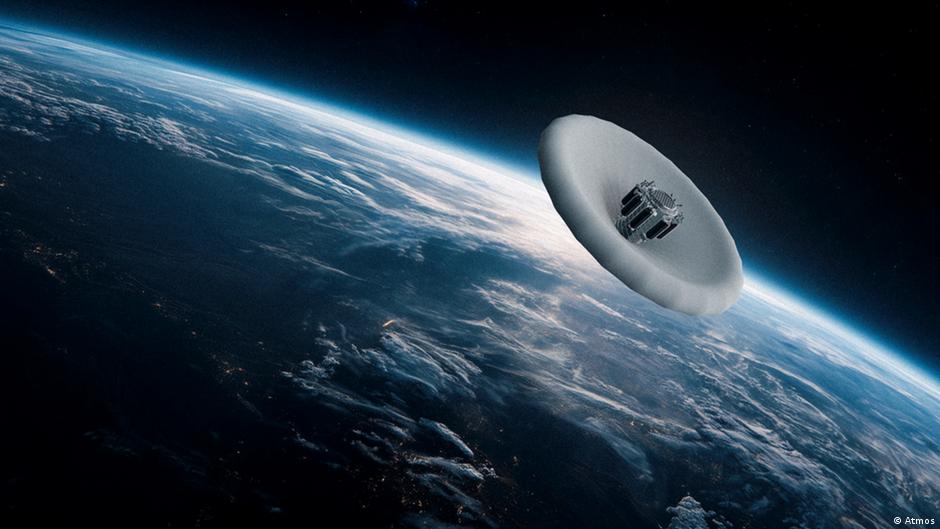
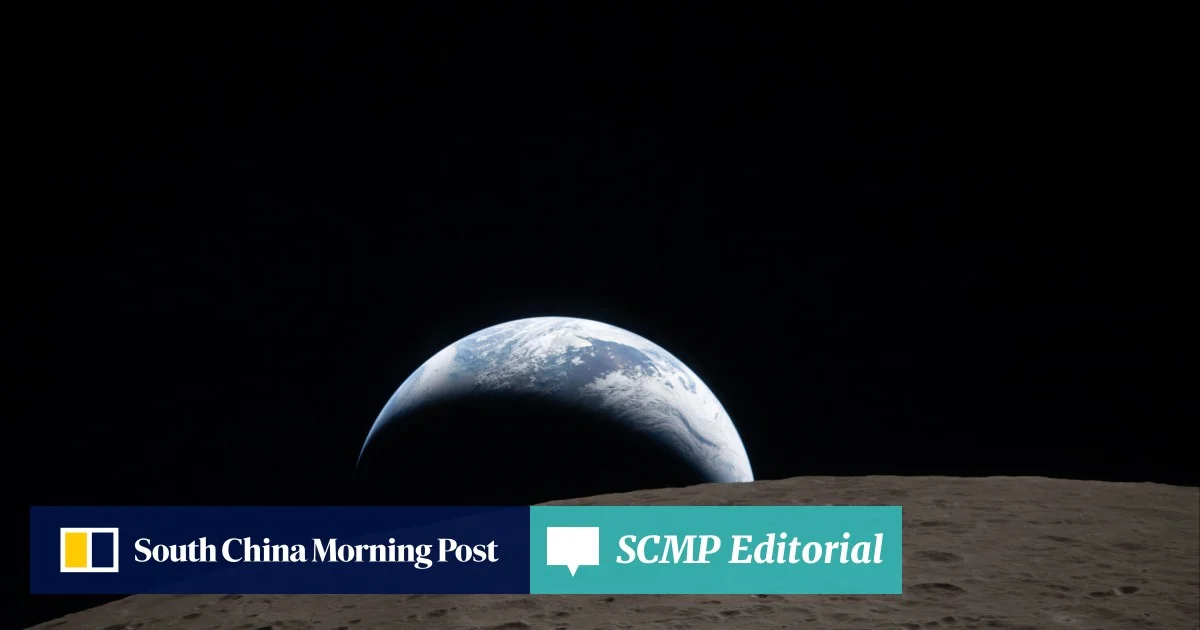
Today, we might ask if we are at the dawn of a similar historical and geopolitical situation, but this time regarding space and, more precisely, the moon.
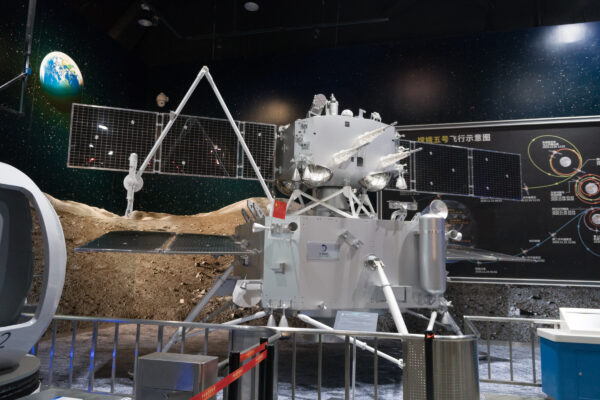
There are many similarities between the two epochs. New technologies — with countries today having increasingly better and faster access to space — are again the driving force. The focus on discovery and exploration is the same in space as it was on the sea. One main focus for countries is to establish settlements on the moon. And, as competition increases between the US and China, there is a race to see who will be able to reach this objective first. We cannot help but draw a parallel with the territory expansions of the European powers. Will the race to the moon go on to create conflicts in space?