Self-collected vaginal specimens are now acceptable for cervical cancer screening, according to new guidelines from the American Cancer Society. Clinician-collected cervical specimens are still preferred.
The American Cancer Society (ACS) released the updated guidelines Dec. 4, with key changes regarding the development of self-collection tools for HPV (human papillomavirus) testing and new recommendations on when individuals can safely stop screening for the disease.
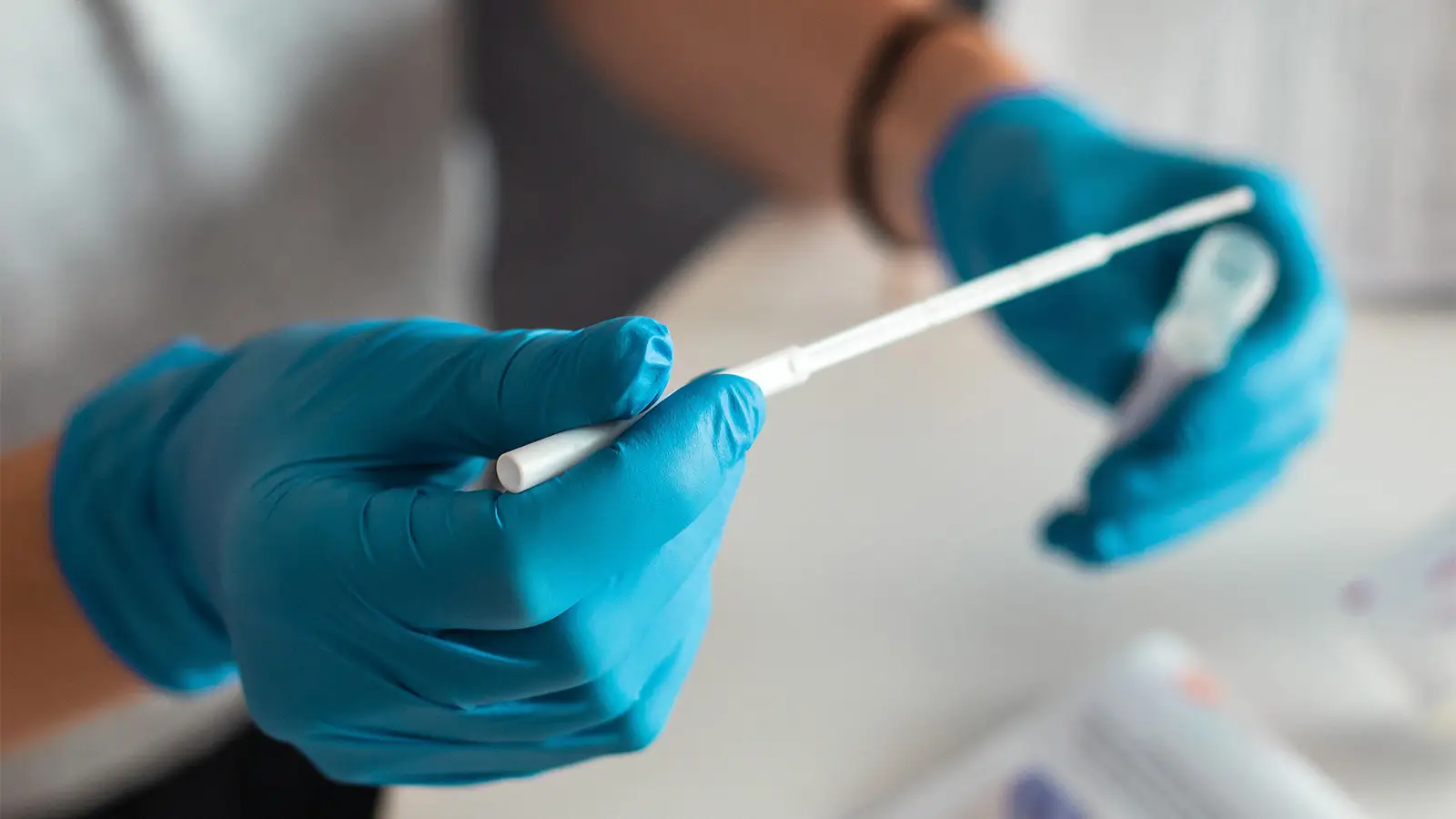
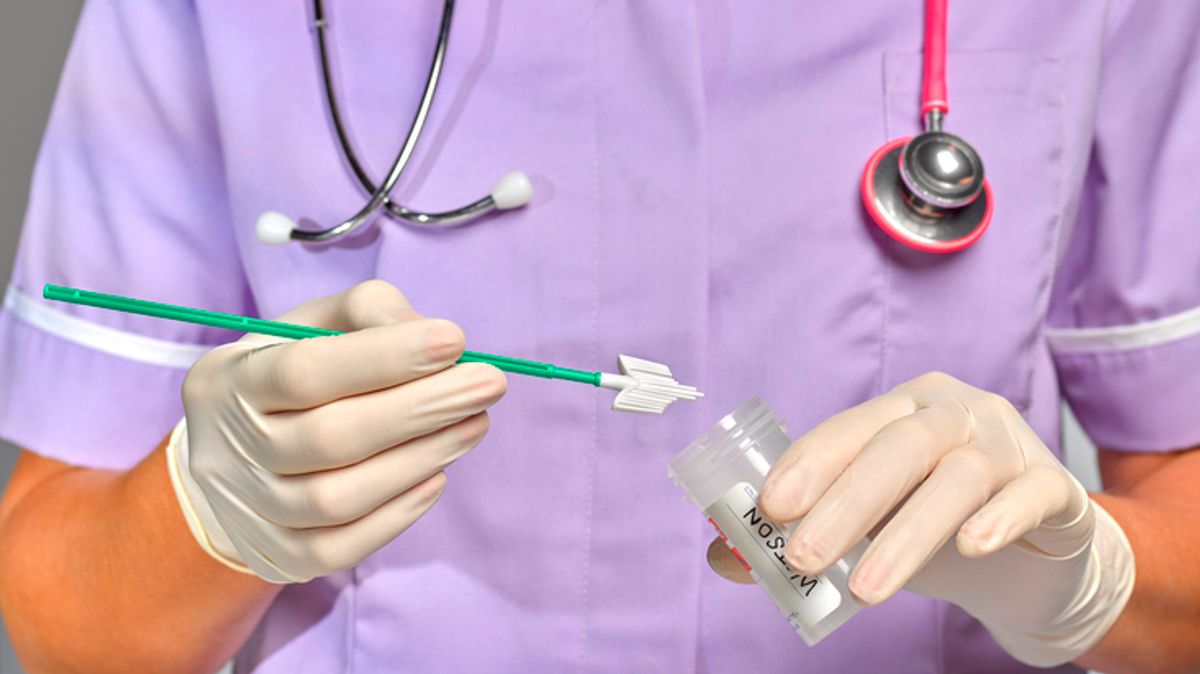
These changes follow the recent approval of HPV self-collection testing by the Food and Drug Administration (FDA) in May. The Teal Wand is an at-home vaginal sample self-collection device, used to test for HPV. The wand features a sterile sample ball used to swab the inside of the vagina.
“These updated recommendations will help to improve compliance with screening and reduce the risk of cervical cancer,” said Dr. Robert Smith, senior vice president, early cancer detection science at ACS and senior author of the report. The report was published in “CA: A Cancer Journal for Clinicians," the flagship journal of the American Cancer Society (ACS).
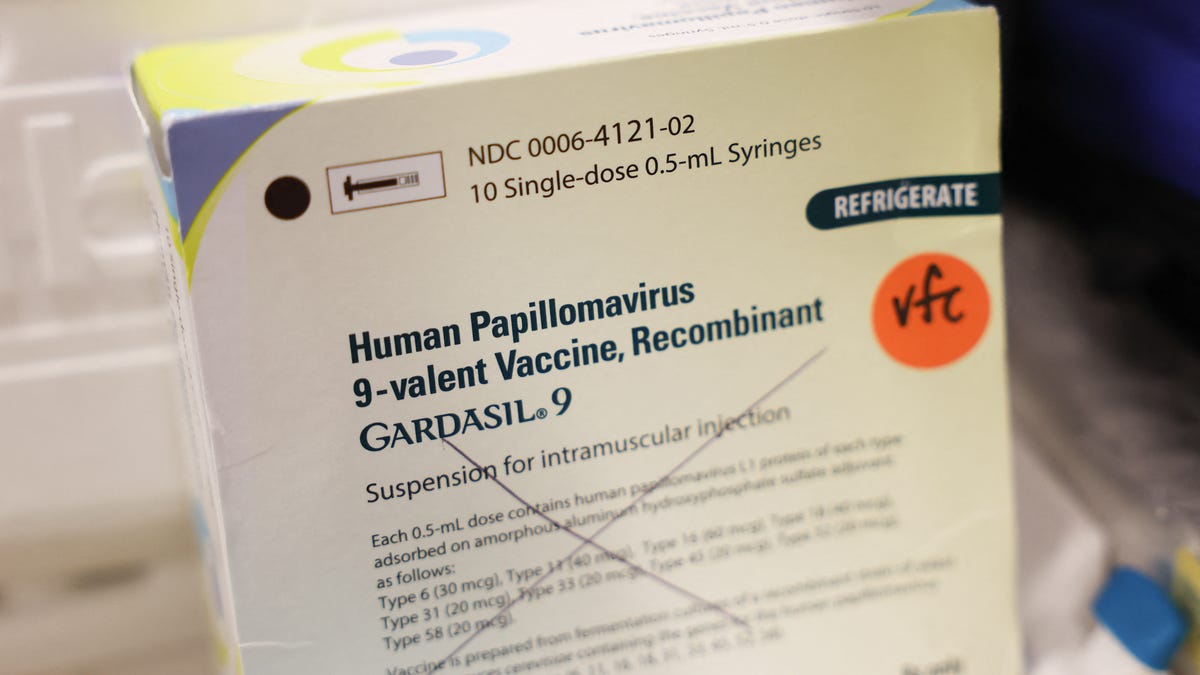
Research has shown that long-lasting infections with certain strains of HPV cause virtually all cervical cancers. It's the most common sexually transmitted infection, but it's also preventable thanks to the vaccine Gardasil-9, which is known for historic drops in cancer. However, ACS recommends that average-risk women and individuals with a cervix start cervical cancer screening at age 25 and undergo primary HPV testing every five years through age 65.