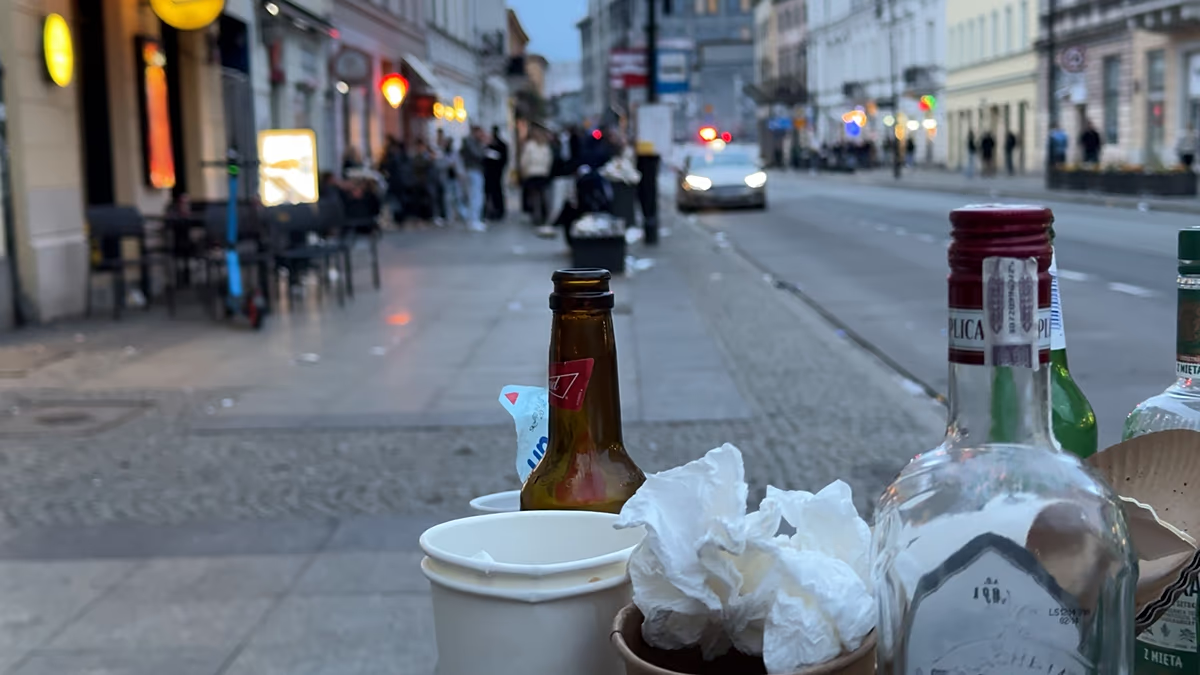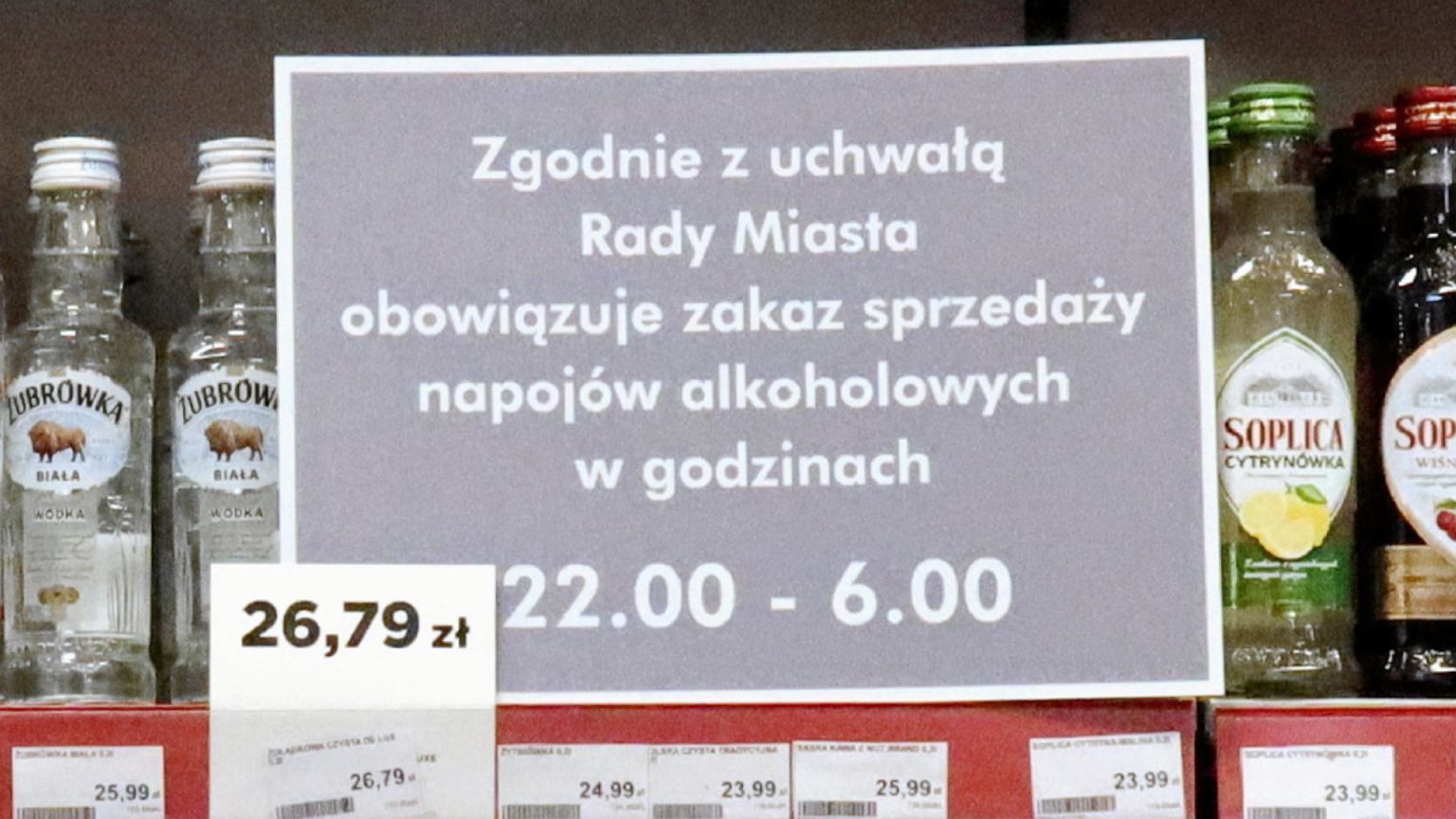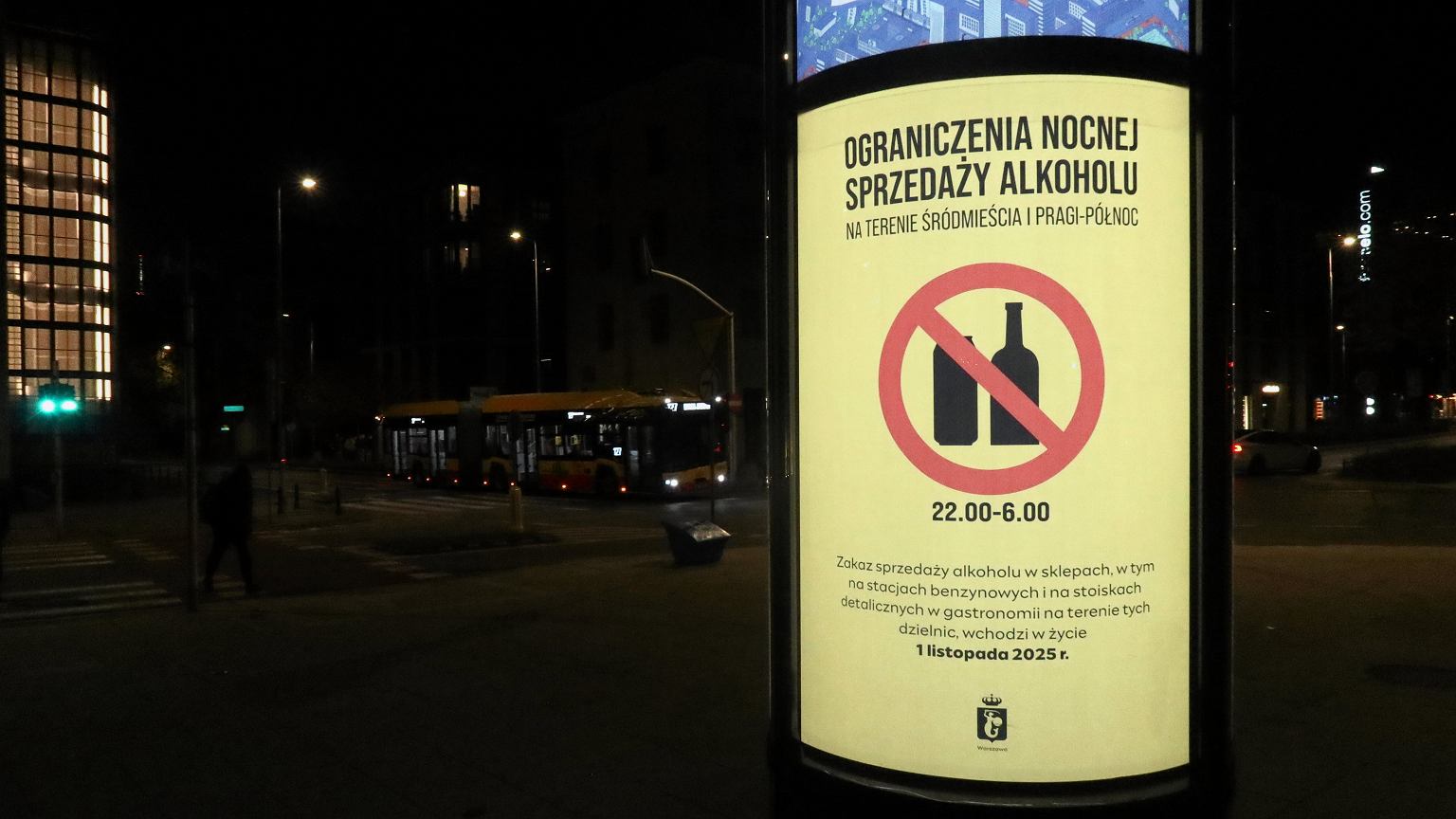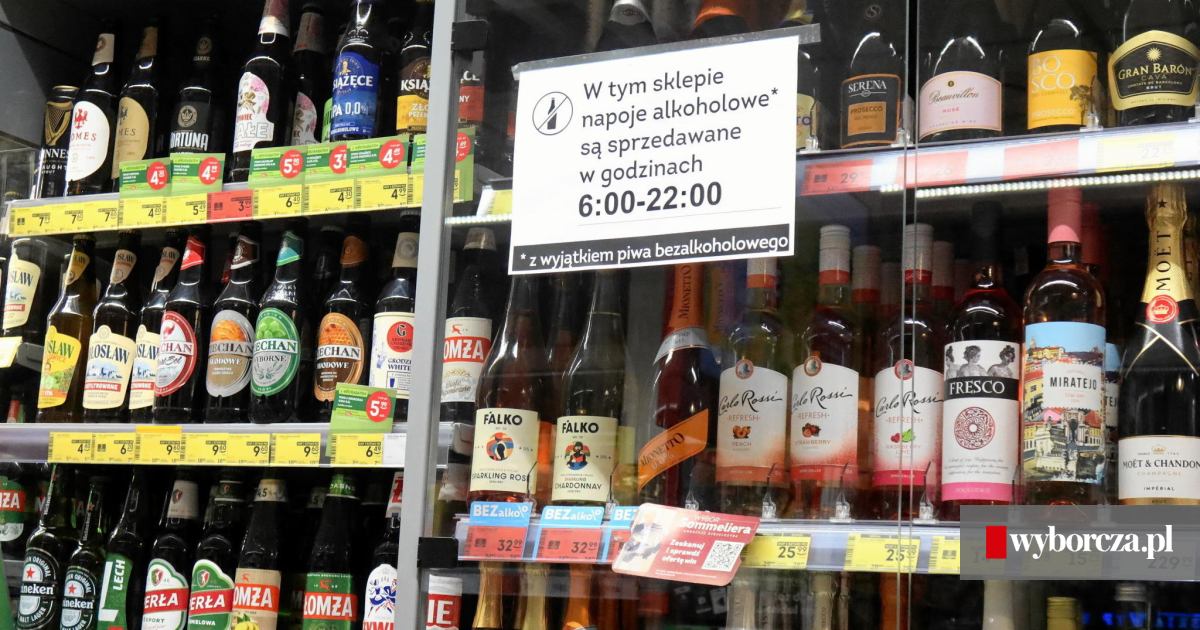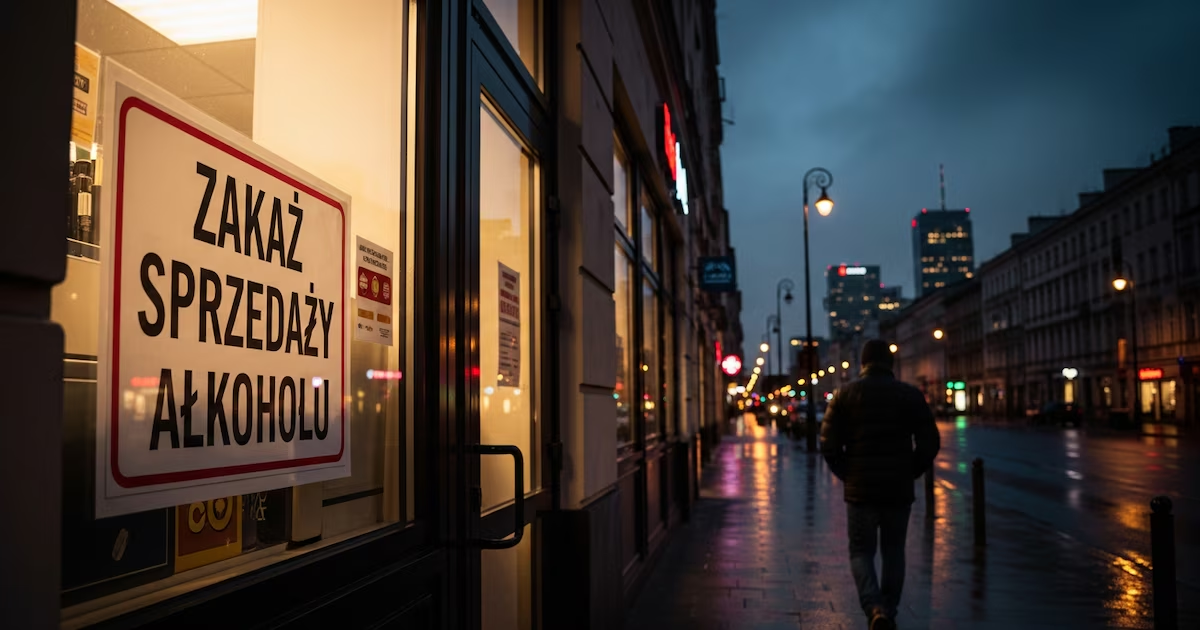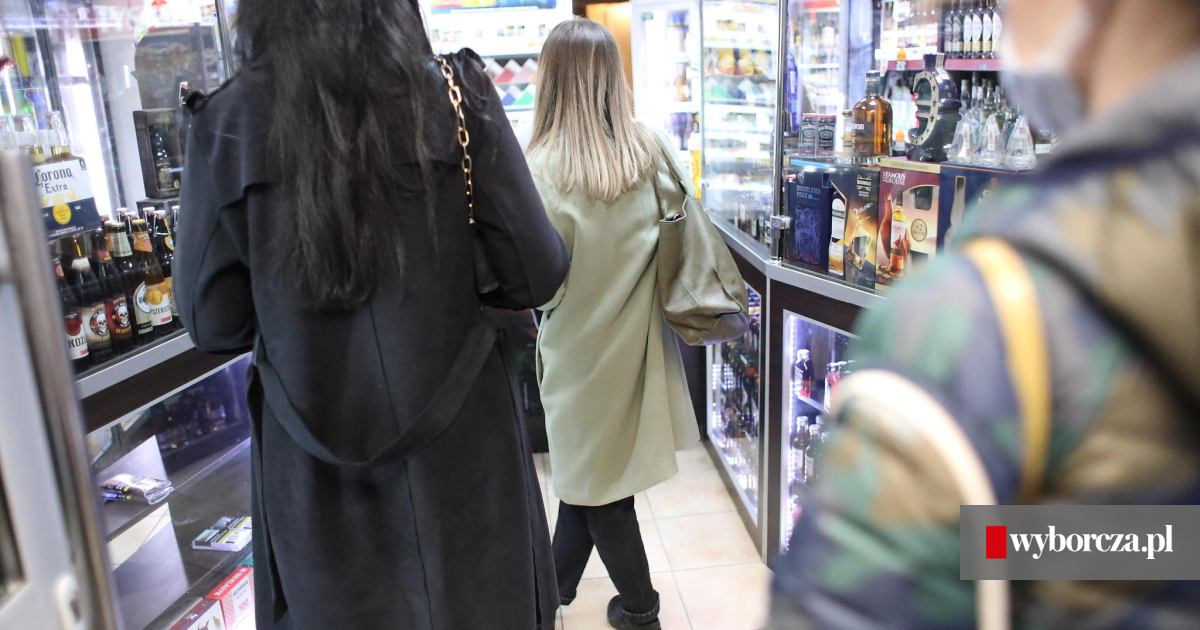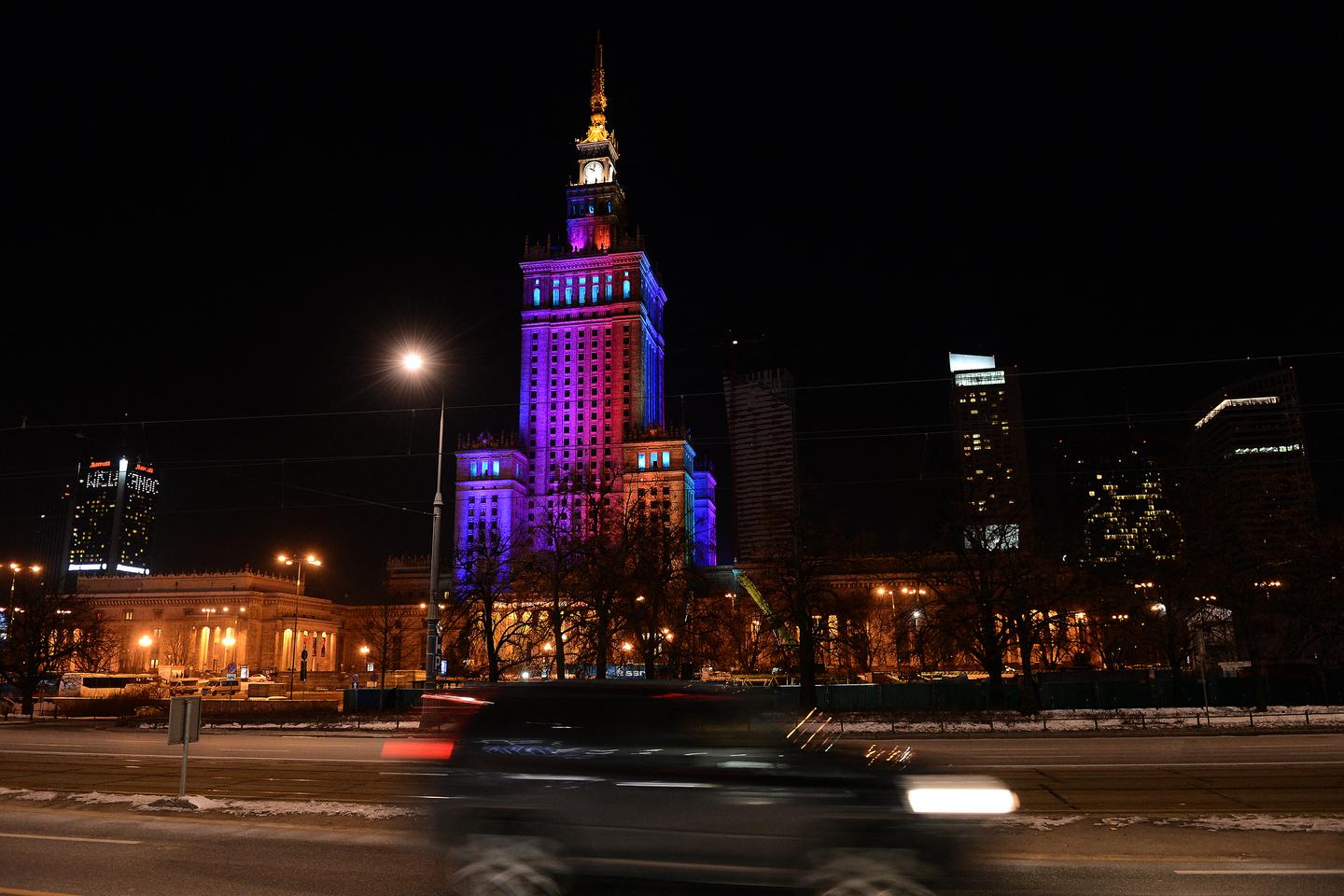
Round-the-clock alcohol sales in central Warsaw have come to an end. On November 1, two of the Polish capital's 18 districts – including the city center – banned the sale of alcoholic beverages in shops and gas stations between 10 pm and 6 am. Bars, restaurants, and other entertainment venues with licenses can still serve those seeking spirits.
The measure was a scaled-down version of a more ambitious ban aimed at the entire municipality. Proposed in September by Warsaw's liberal mayor, Rafal Trzaskowski, the resolution establishing a 'nighttime prohibition' was ultimately withdrawn on the day of the vote due to the dissatisfaction of a majority of city councilors, who typically support the mayor's policies. Just days earlier, the mayor argued on Facebook that "these kinds of measures make sense because they improve our safety," adding, "the data from cities that have adopted them unanimously show that it works."
On September 18, during a tumultuous city council session, one of the leaders of the dissent, Jaroslaw Szostakowski – a city councilor from the center-right Coalition Civique (Civic Coalition, the alliance to which Trzaskowski belongs) – argued that the ban was not "proportional to the scale of the problem" and was likely to create "high socio-economic costs." Claiming it was a "communist" measure, the same councilor notably asserted that the Ku Klux Klan in the United States had introduced prohibition in the 1930s.