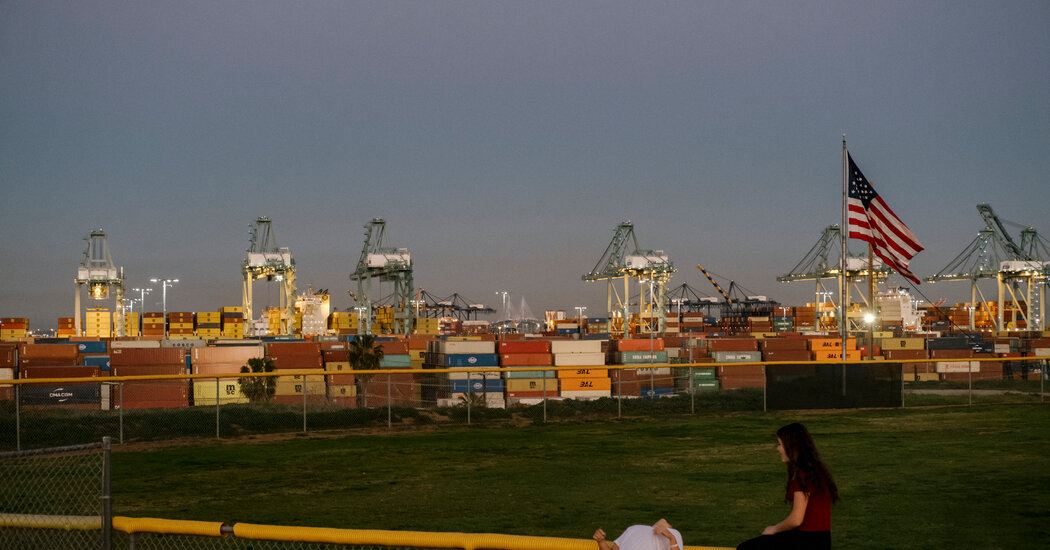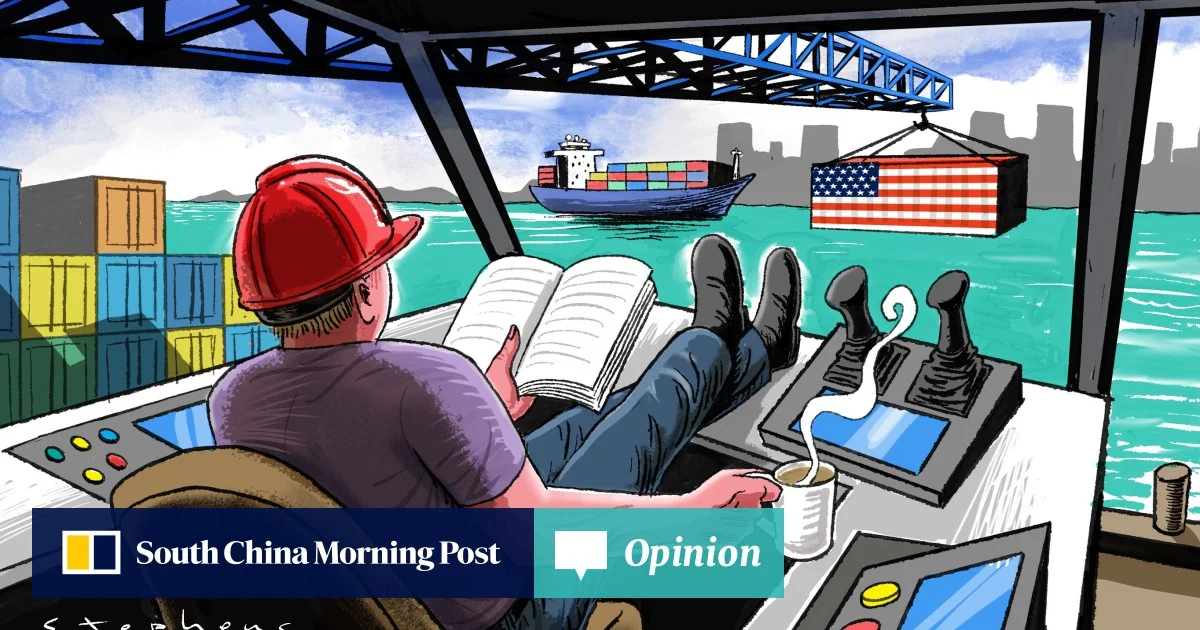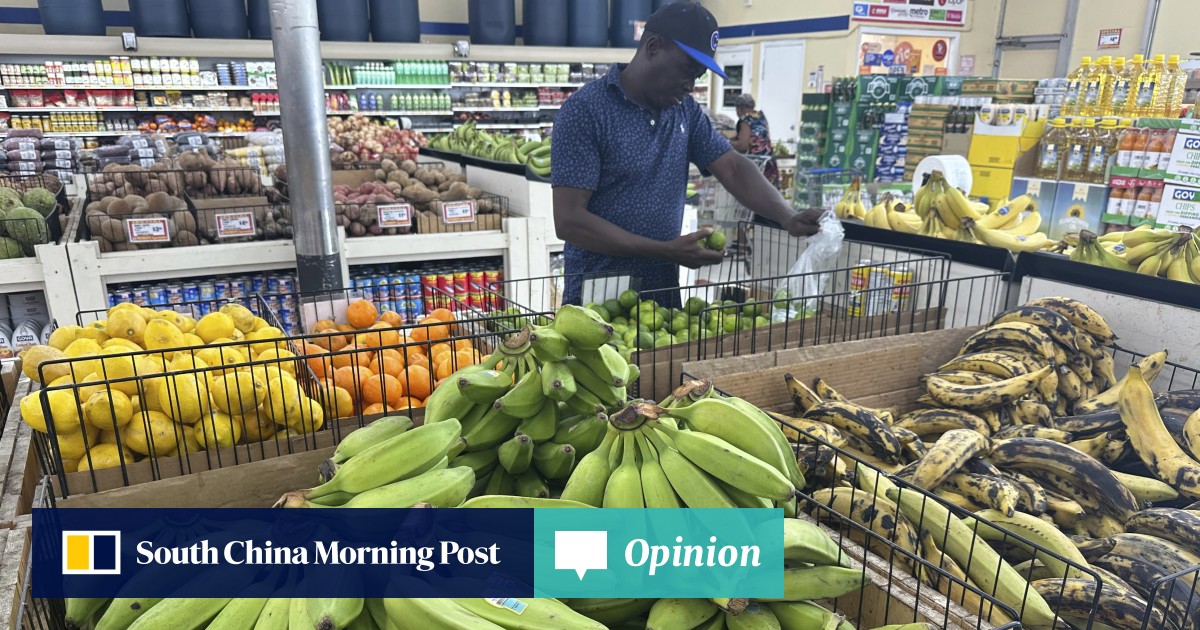
As the U.S. Supreme Court is weighing the limits of the executive branch’s authority on tariffs, it is important to consider the tradeoffs that come with free trade. In American political and business circles, free trade has long been the favored mantra. Investors, executives, and most politicians speak of it with near-religious conviction. According to Google Trends, Americans have searched for “free trade” roughly twice as often as for “fair trade” since 2004. Mentions of fair or reciprocal trade, by contrast, are far rarer—though Donald Trump managed to raise their profile over the past decade.
This imbalance in attention is not just a matter of economic theory. It reflects the political arithmetic that makes free trade a perennial favorite and fair trade a hard sell in Washington. This arithmetic follows an old Chinese proverb: “It is better to break one finger than to injure ten” (伤其十指,不如断其一指). But doing this can land the American economy in a ditch.
Politicians rarely lose votes backing free trade, because the numbers—of voters, donors, and dollars—tilt decisively in its favor. On the one hand, tariffs are the inevitable instrument of fair trade. They help domestic producers compete, reopen shuttered plants, and revive manufacturing towns. They also allow middle-aged steelworkers, for example, to keep well-paying jobs rather than take minimum-wage ones.