We and our vendors use cookies and similar methods (“Cookies”) to recognize visitors and remember their preferences. We also use Cookies for a variety of purposes, including analytics, to measure marketing effectiveness and to target and measure the effectiveness of ads. You can accept or reject the use of Cookies for individual purposes below. Some vendors process your data on the basis of their legitimate interest - you can object to such processing below. Your preferences will be saved in a cookie named “fides_consent” for a maximum duration of 12 months, as well as in your registered user account if you are logged in. If you previously accepted these methods through our prior banner, then we will use your data for targeting. Your preferences will apply on nytimes.com, as well as our News, Cooking, Games and Audio apps. Your preferences here are unrelated to Apple’s App Tracking Transparency Framework.
Tariffs and Trade
The president has pitched his trade policies at workers who feel left behind by globalization. But that doesn’t mean trade barriers will revive factories and close income gaps.
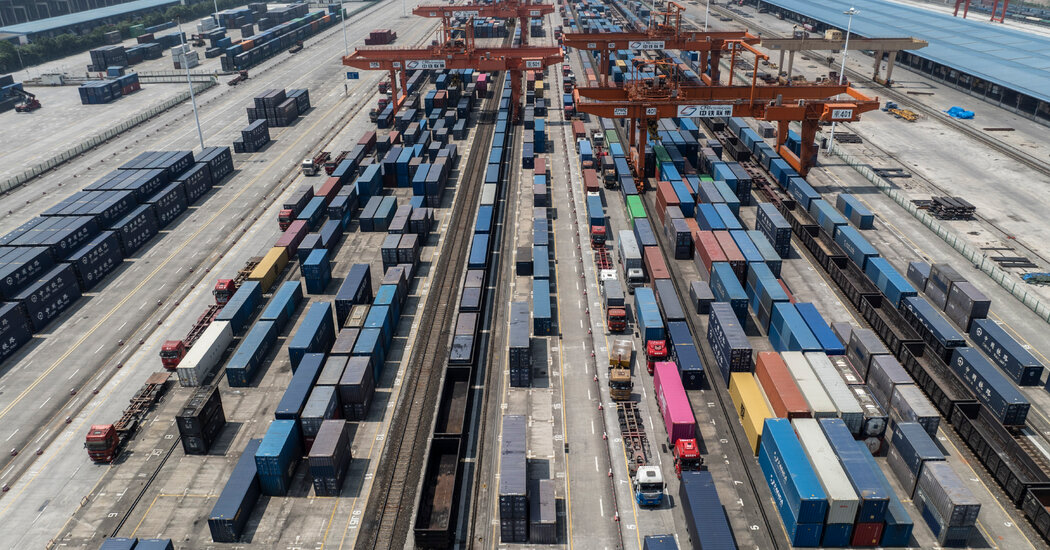
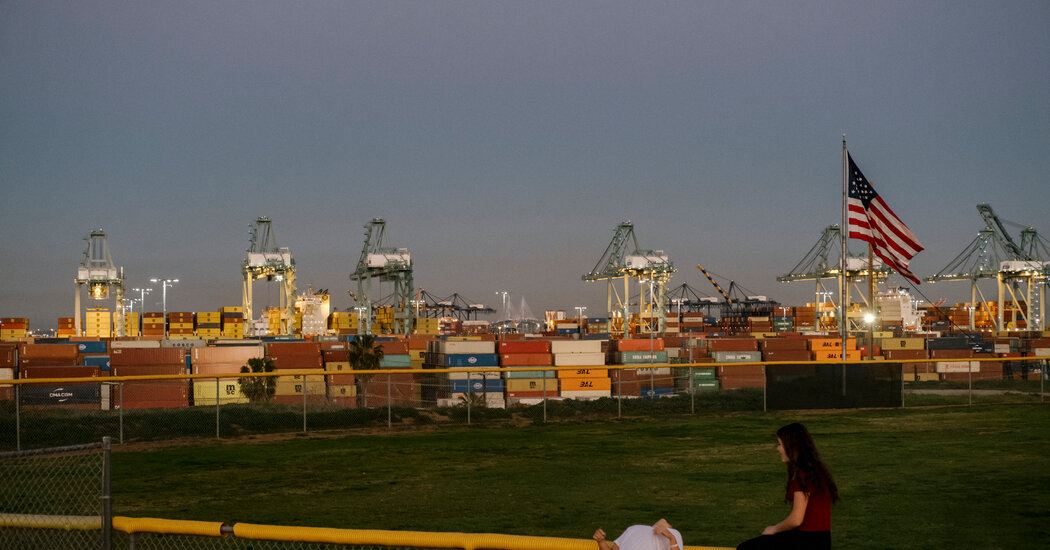
The port in Los Angeles. President Trump’s argument for tariffs is that they will pressure companies to bring well-paid manufacturing jobs back to America, but hyper globalization is only one of the factors that has led to America’s rising inequality.Credit...Mark Abramson for The New York Times