https://arab.news/baty5
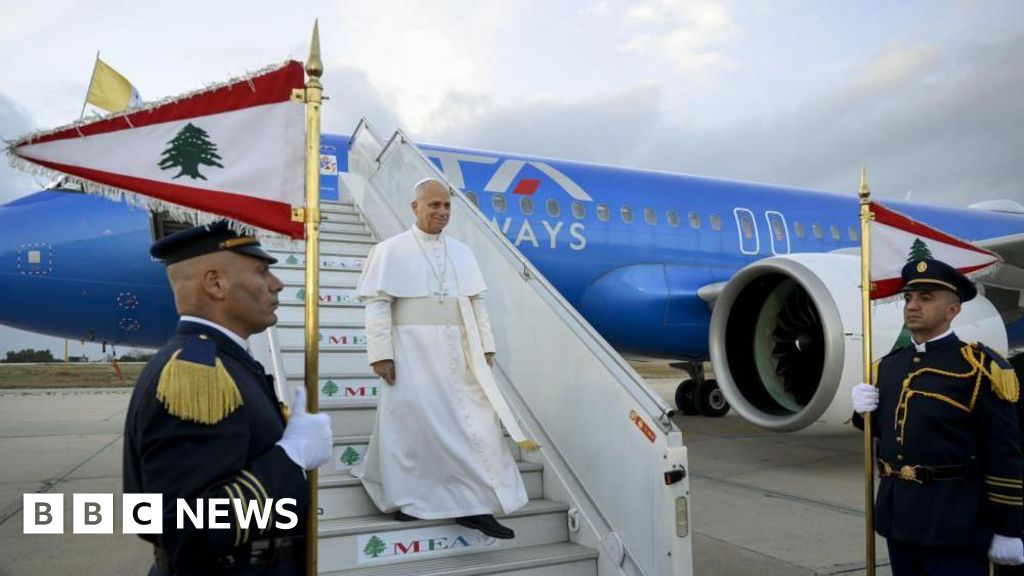
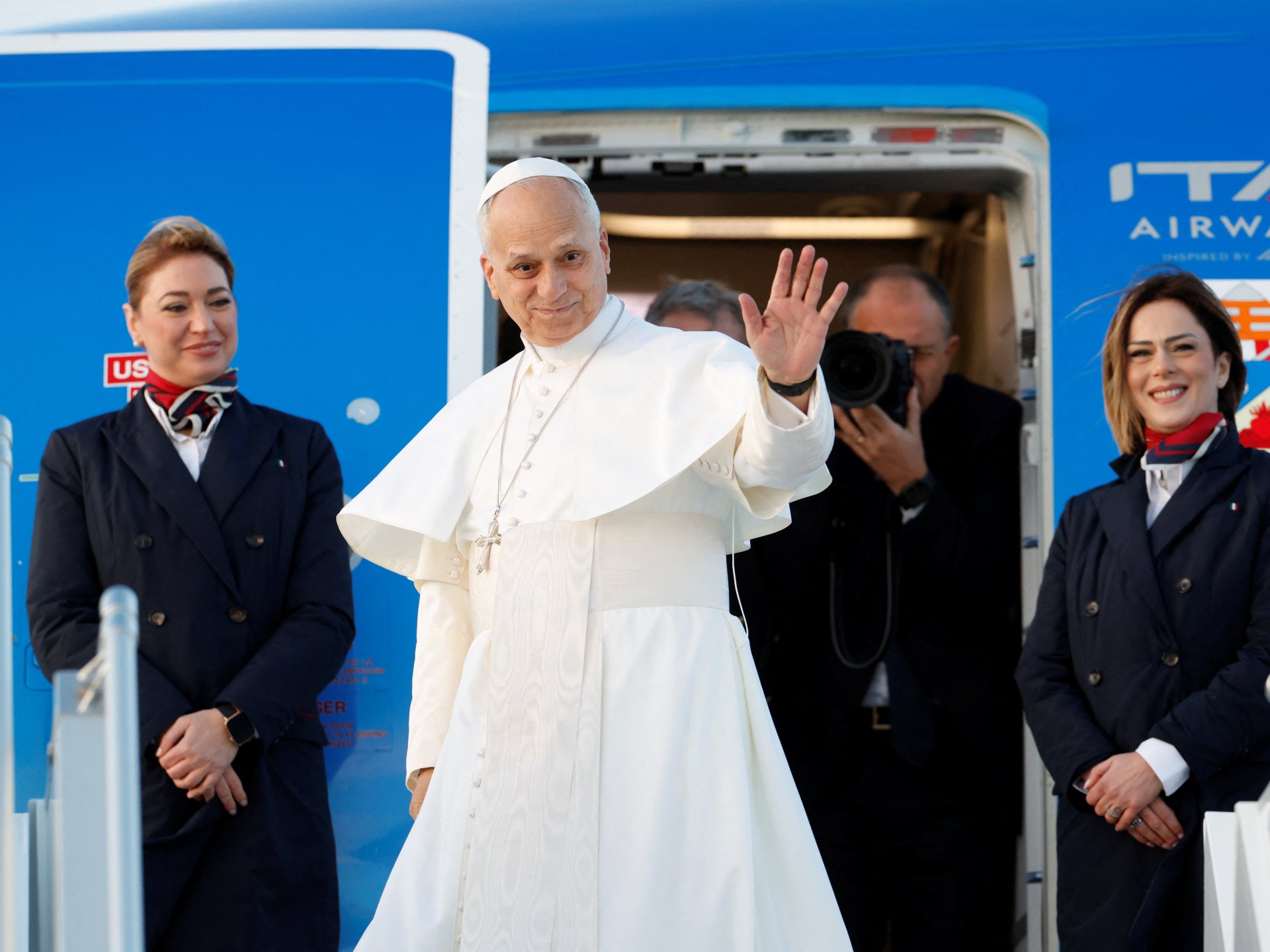
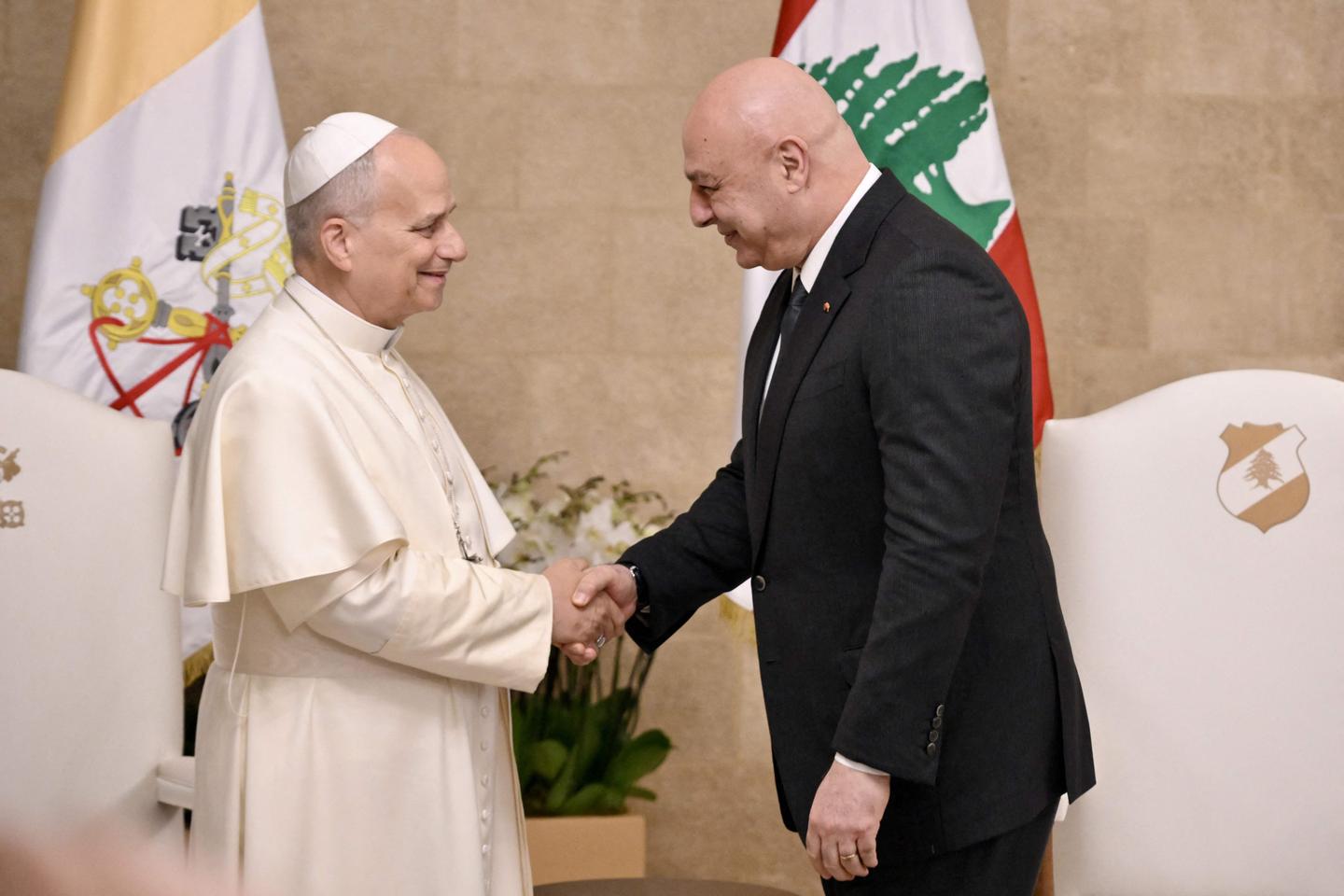
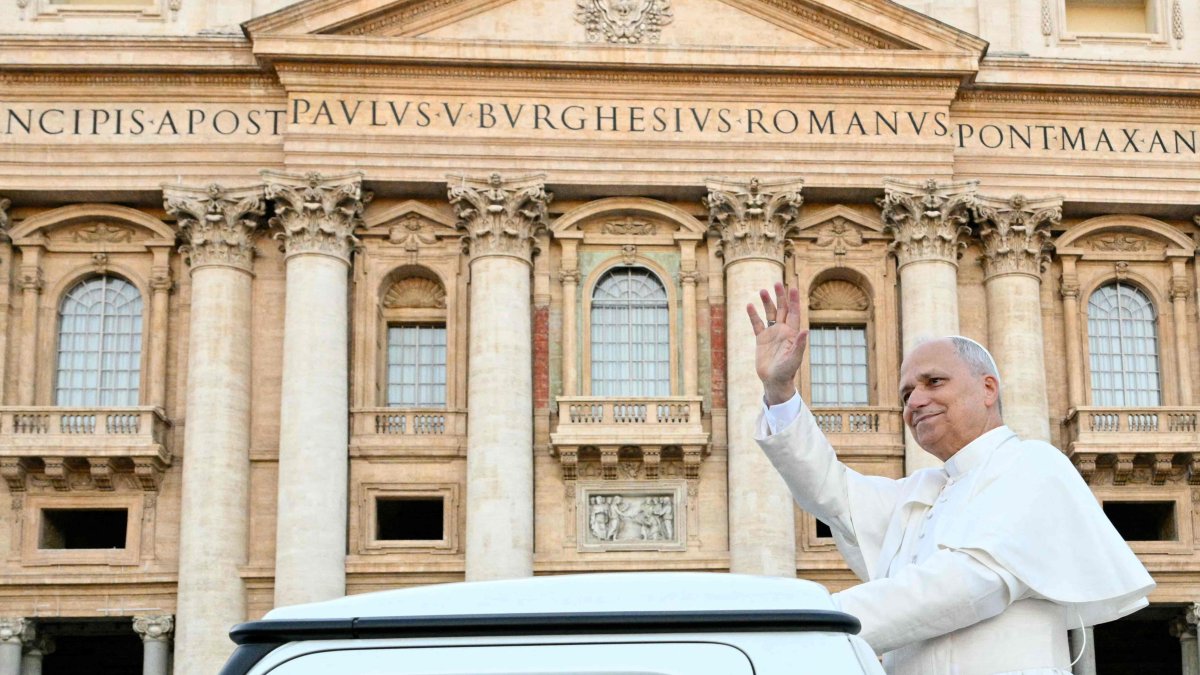
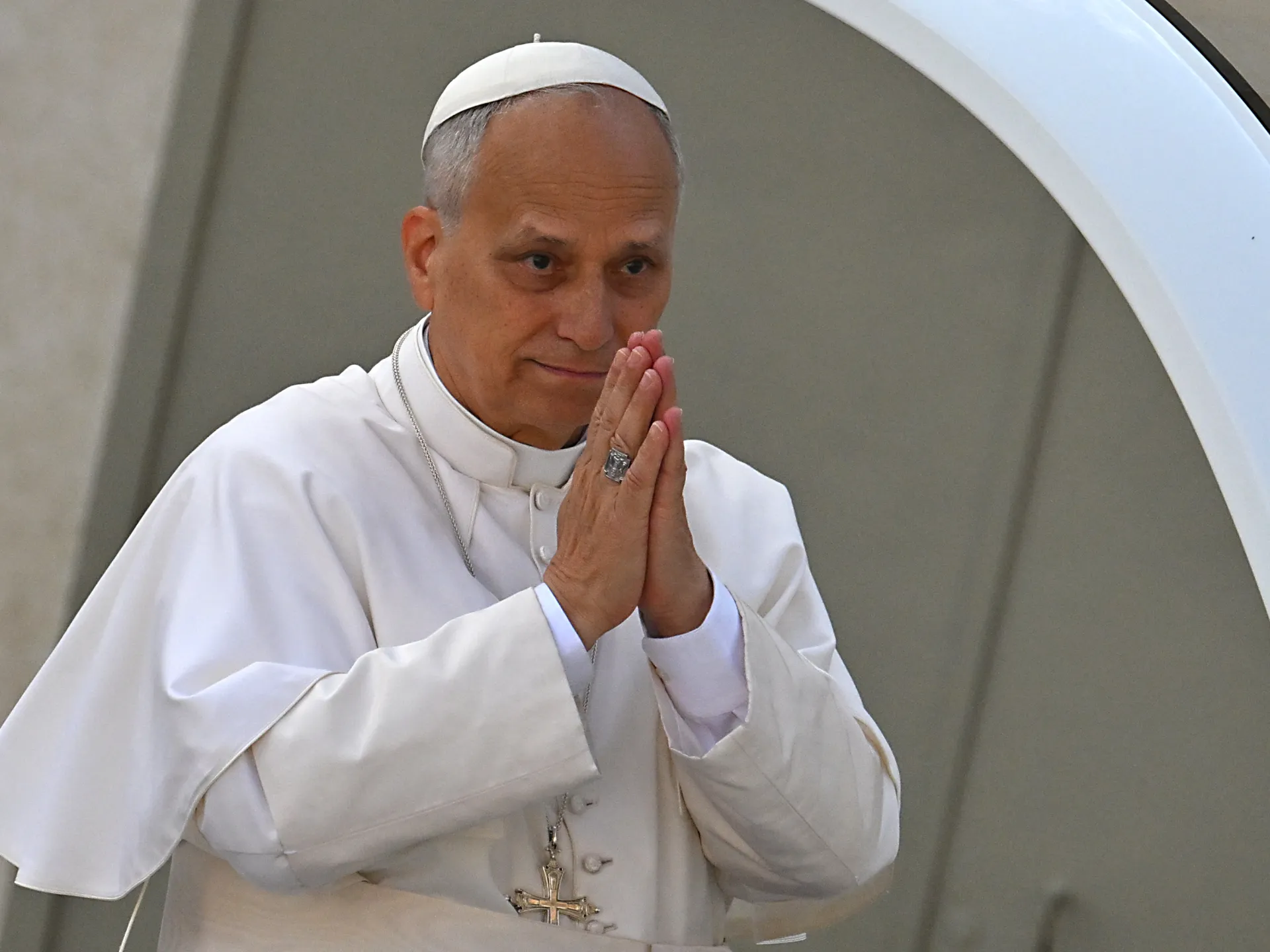
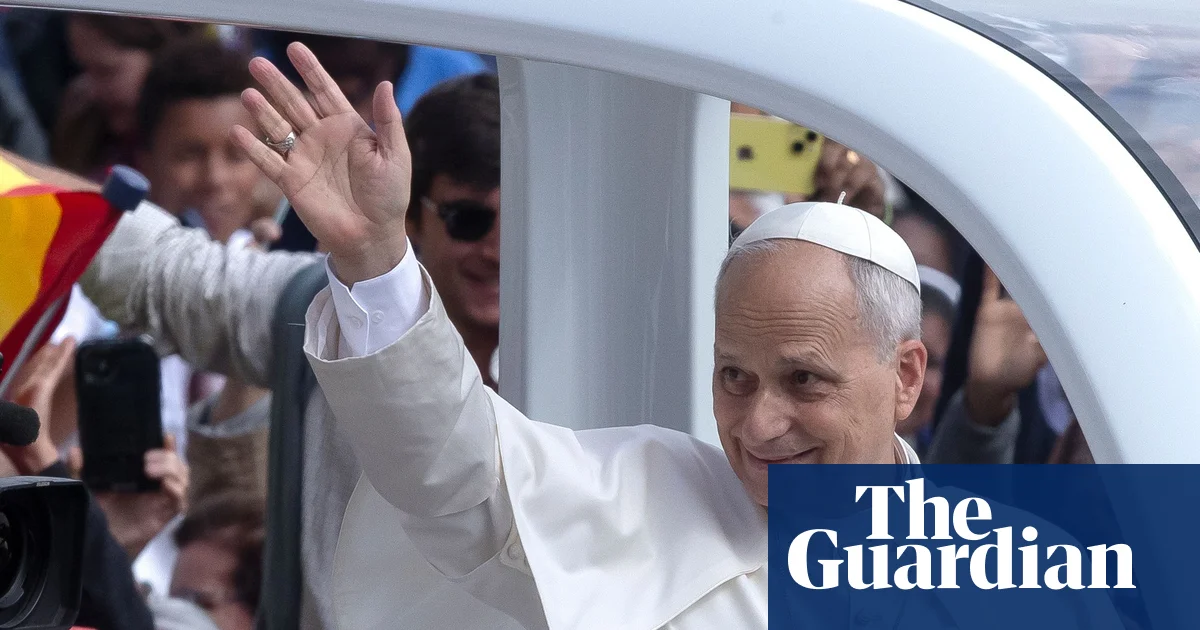
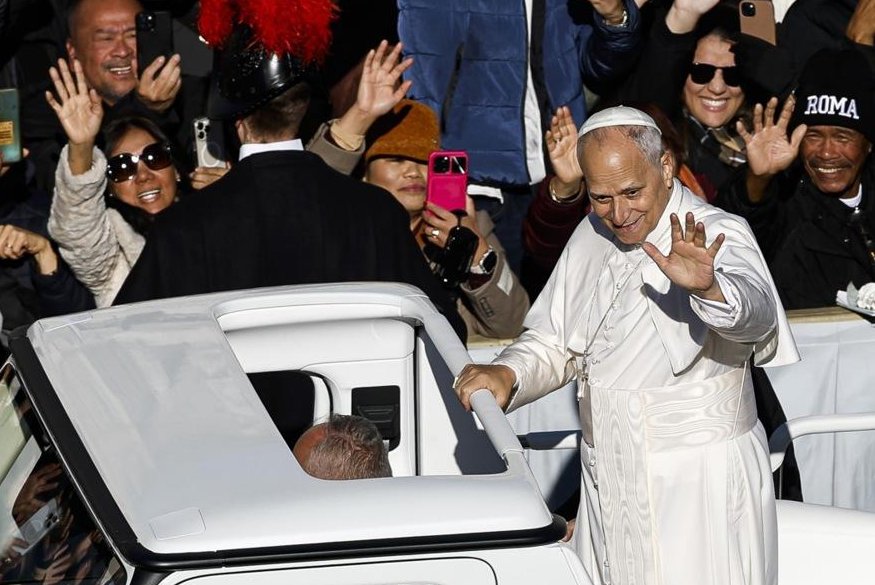
As Pope Leo last week set off on his first international apostolic journey — to Turkiye and Lebanon — since his election in May, he said: “I very much have been looking forward to this trip because of what it means for all Christians. But it’s also a great message to the whole world.” So what is the Vatican’s message amid the emerging world order, which has been transformed due to the ongoing conflicts in the Middle East and Europe?
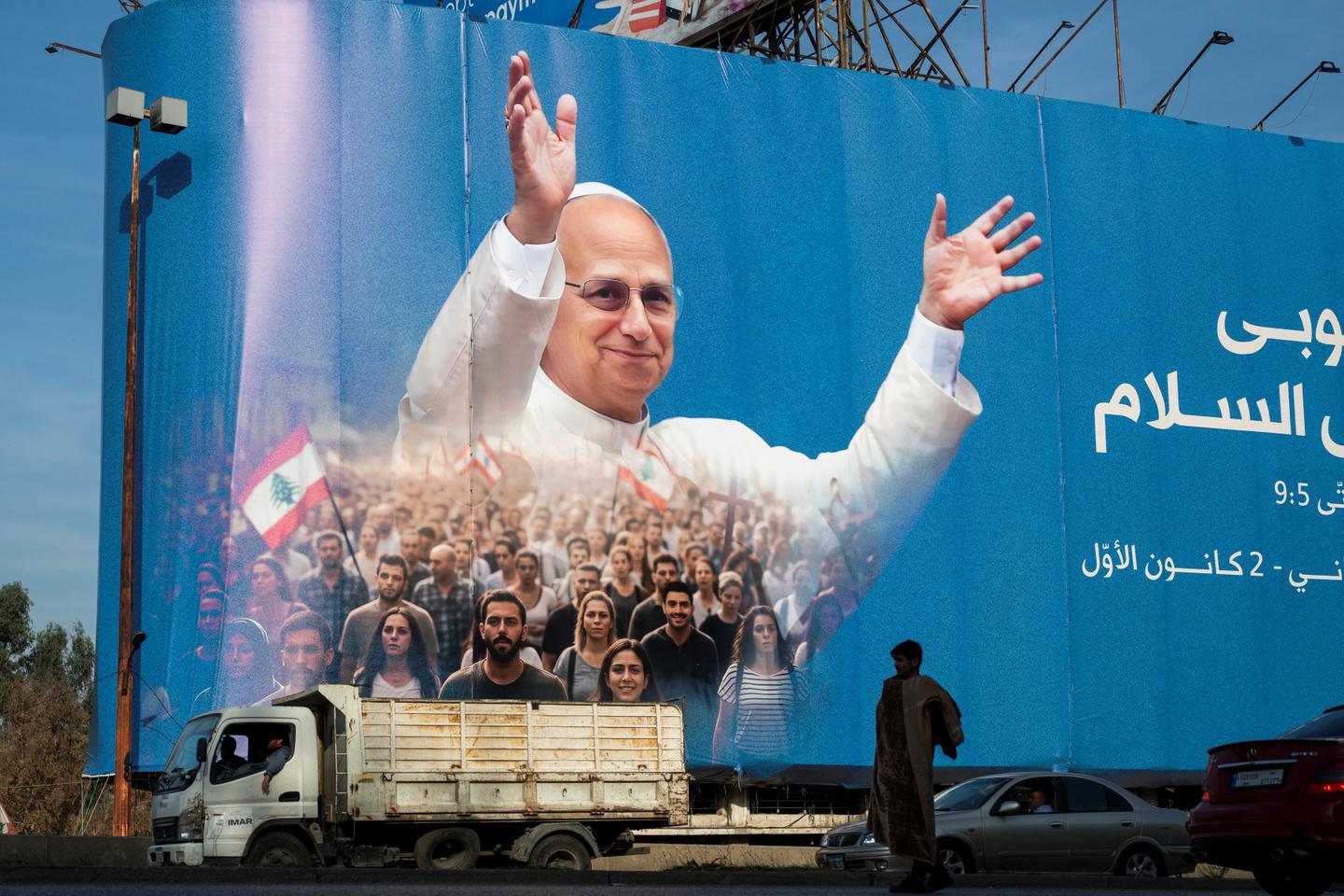
Both Turkiye and Lebanon have political and spiritual importance. Over 16 centuries, Constantinople (modern-day Istanbul) served as the capital of four successive empires: the Roman, the Byzantine, the Latin and the Ottoman. And Pope John Paul II once said: “Lebanon is more than a country; it is a message of freedom and an example of pluralism.” Arguably, for Pope Leo, visiting both Turkiye and Lebanon offers a message of peace for the new world order, in which morals — justice and peace — can be prioritized as the basis of the international system.
Faith-based diplomacy, or spiritual diplomacy, is the political order shaped by a divinely grounded vision. Winston Scott and Victor Tyler argue that, while the Holy See has limited hard power resources (such as economic and military), “its sustained moral voice, global diplomatic network and strategic interventions position it as a unique actor in international relations.” They conclude that, “in an era of geopolitical polarization and declining trust in liberal institutions, the Vatican’s interventions offer both a counternarrative and a stabilizing moral grammar within the international system.”