https://arab.news/v9h9h
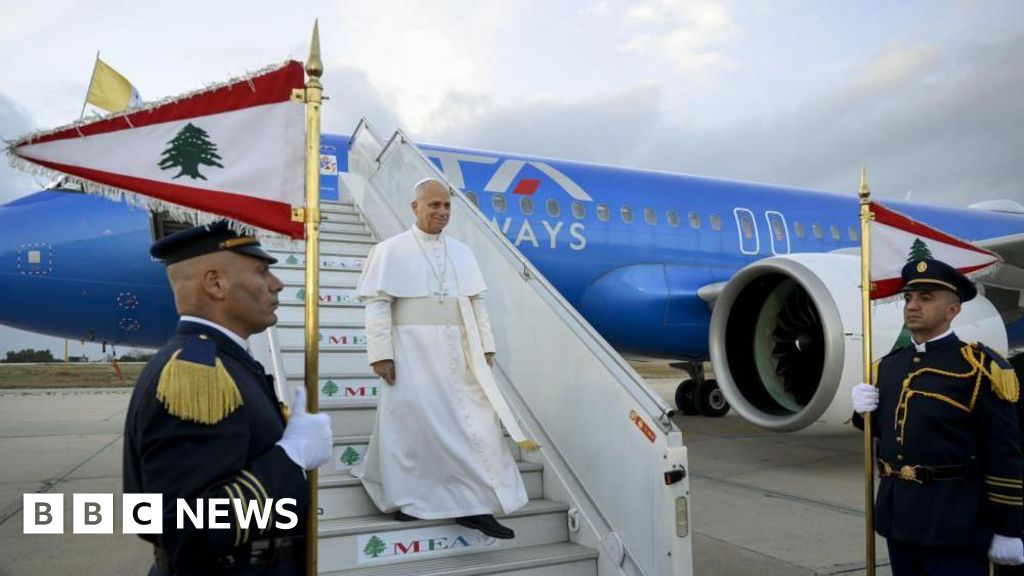
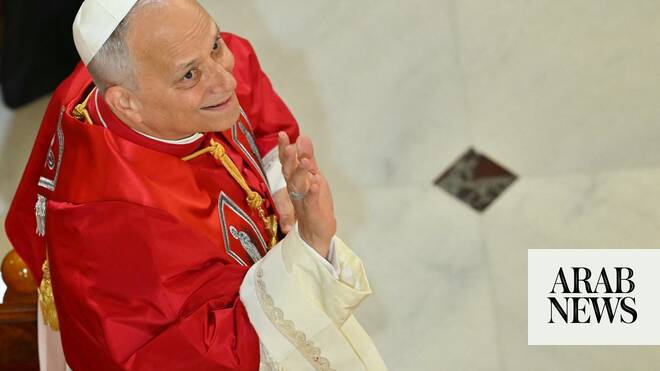
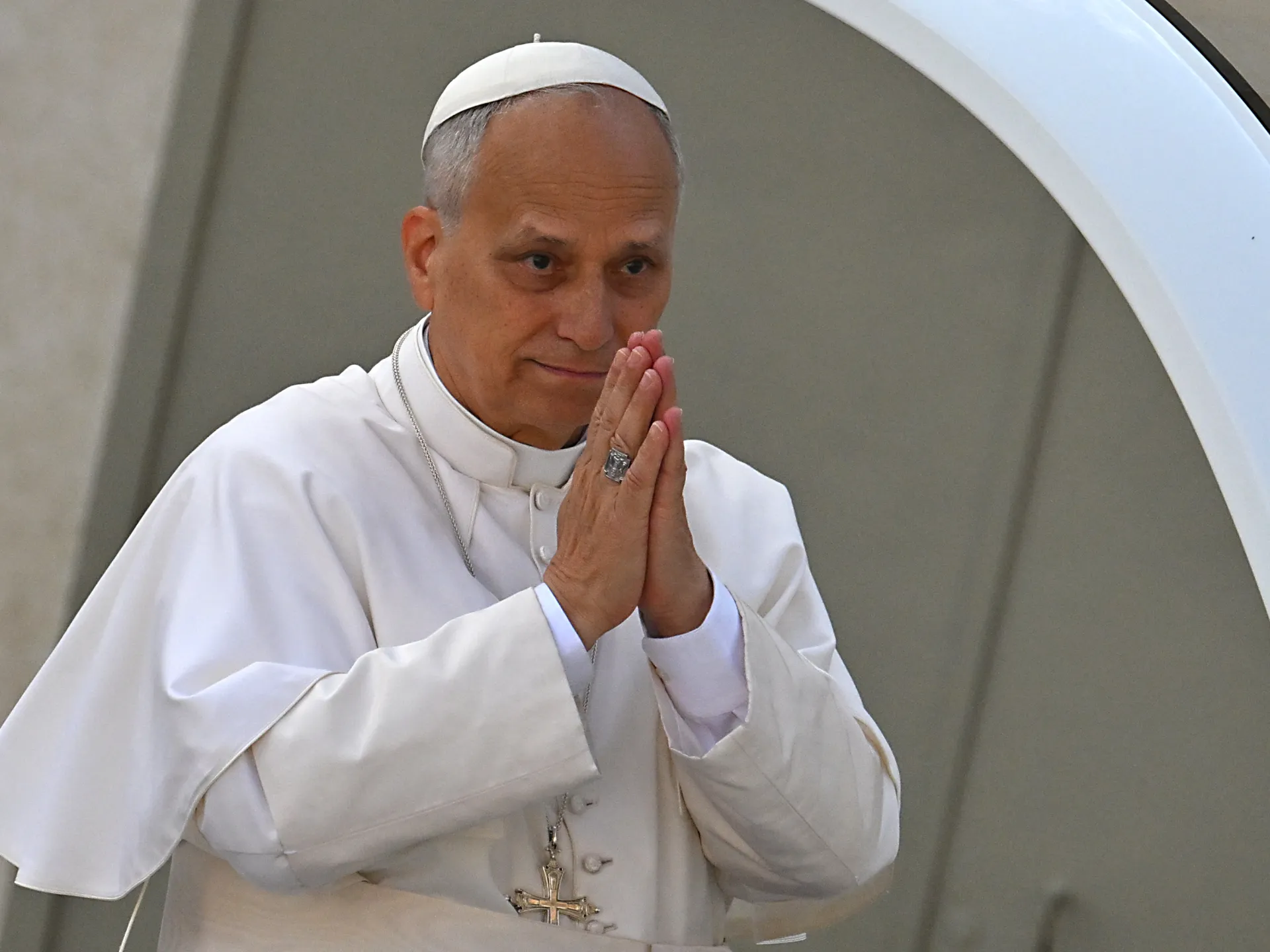
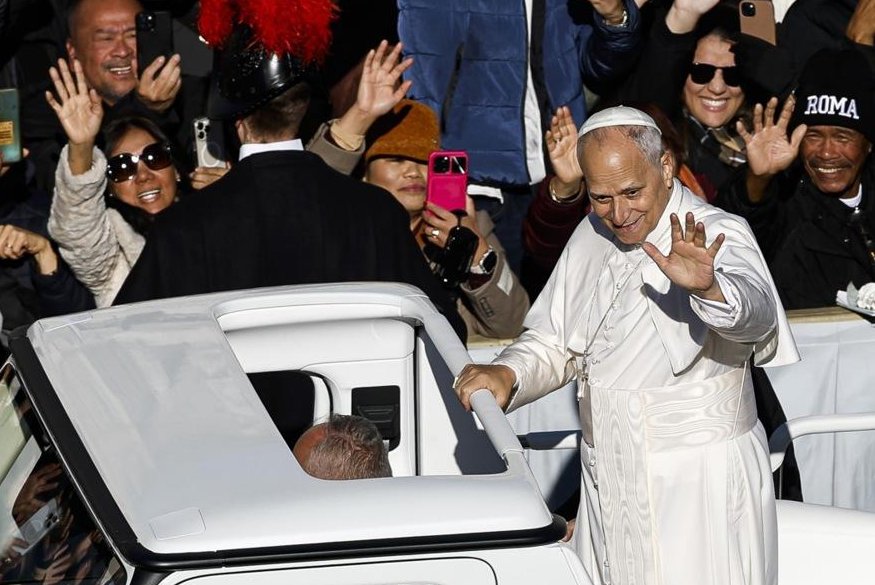
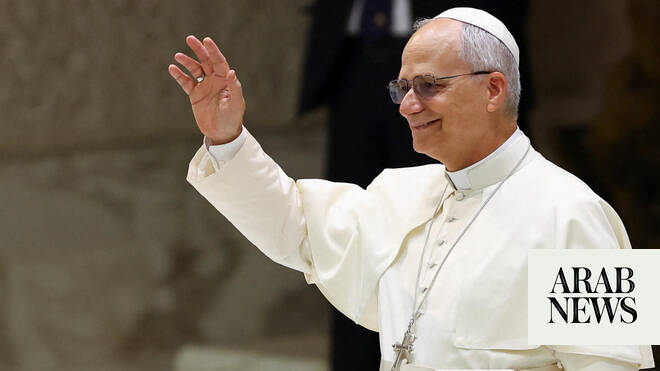
The first visit abroad by a new leader reveals quite a bit about their worldview, priorities and how they would like to be perceived by the international community and their own people. Even more so when they are a religious and spiritual leader for about 1.4 billion people across the globe, as is the case with Pope Leo XIV, whose papacy began in May and who chose the Middle East for his first overseas trip, sending a clear message of the importance he attaches to interfaith dialogue and peace. This message might be even more powerful coming from the first pontiff to originate in the US.
Pope Leo’s visit to Turkiye and Lebanon in late November and early this month was also a test of how he would handle some sensitive issues away from the protective environment of the Vatican. He very much took the political and social complexities of these two countries in his stride, coming across as genuine in his caring for the prosperity and security of his followers in the region, while equally searching for common ground with all religions.
His decision to visit countries where the majority are Muslim — albeit there is a stronger Christian minority in Lebanon than in Turkiye — demonstrates that he will not avoid difficult conversations, while keeping to the spirit of dialogue. Moreover, Pope Leo’s visit to Iznik, Turkiye, where the Nicene Creed was issued in 325 A.D. and which served as a point of departure for uniting the Christian world, was also symbolic of the need for present-day unity in his own backyard.