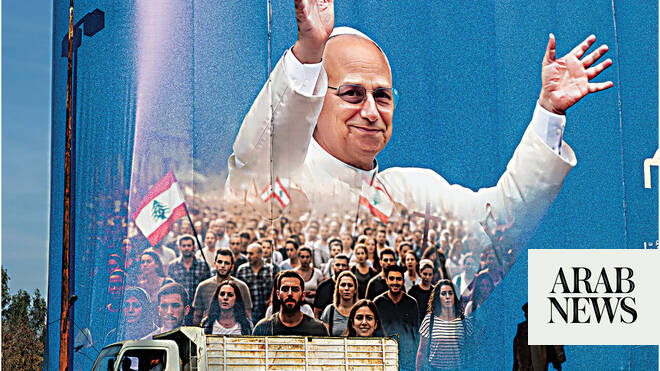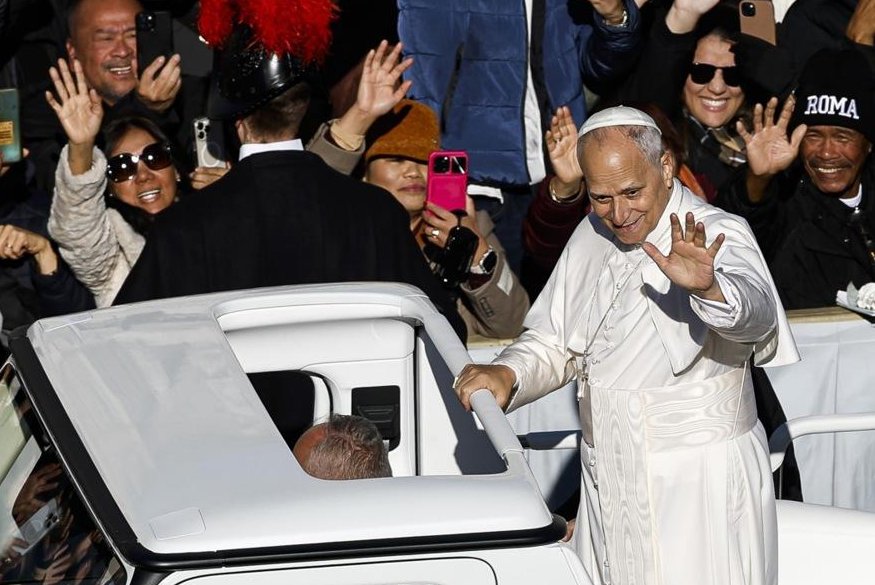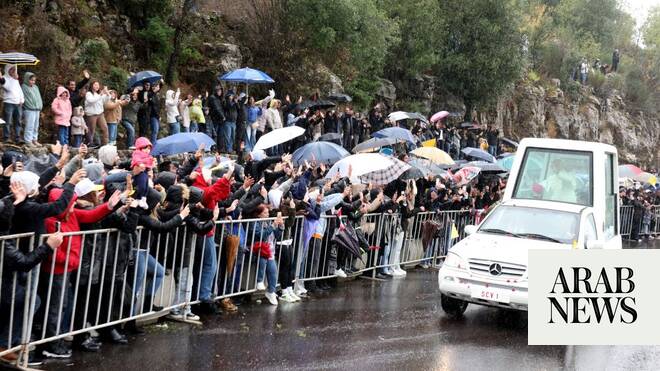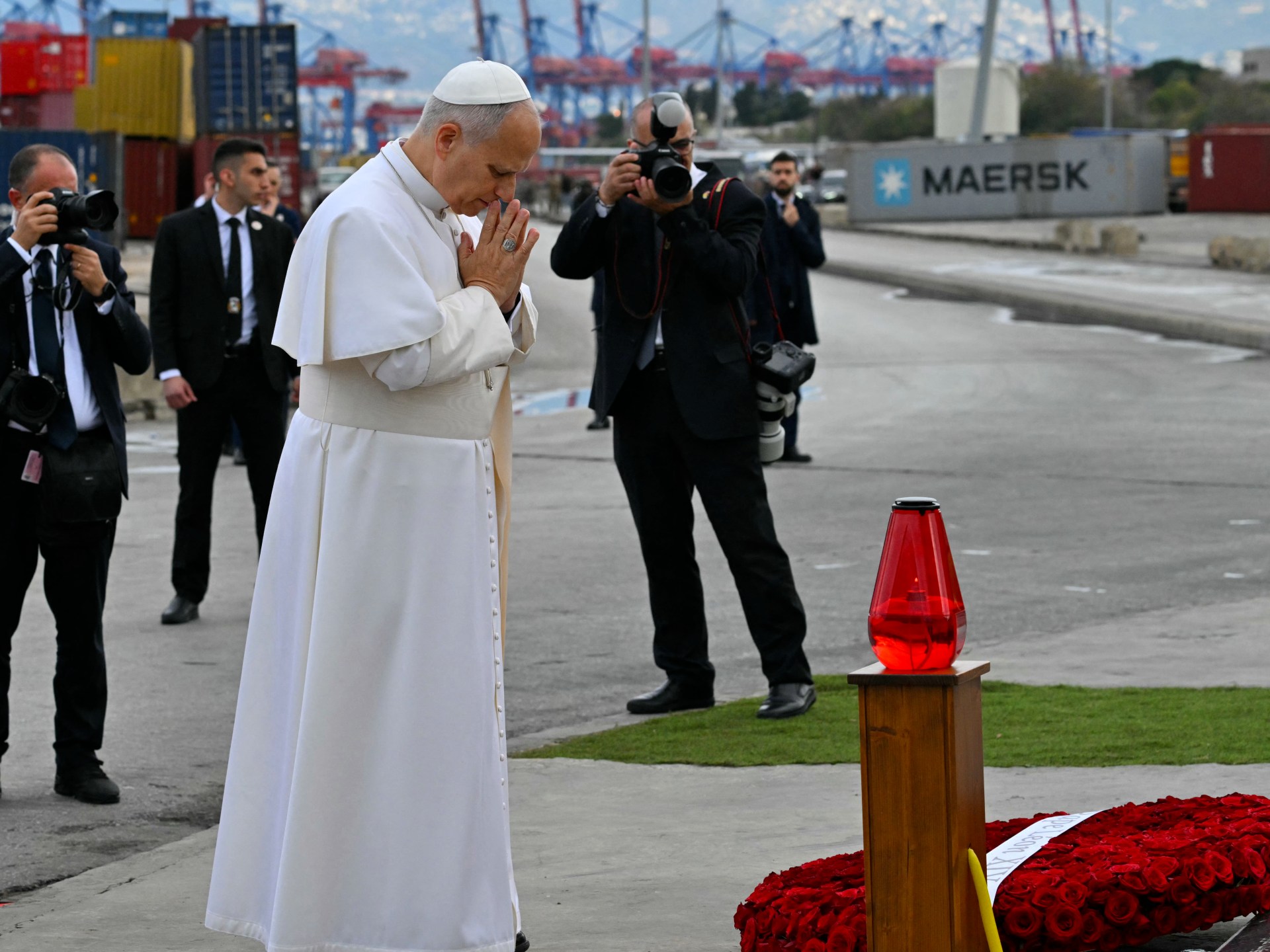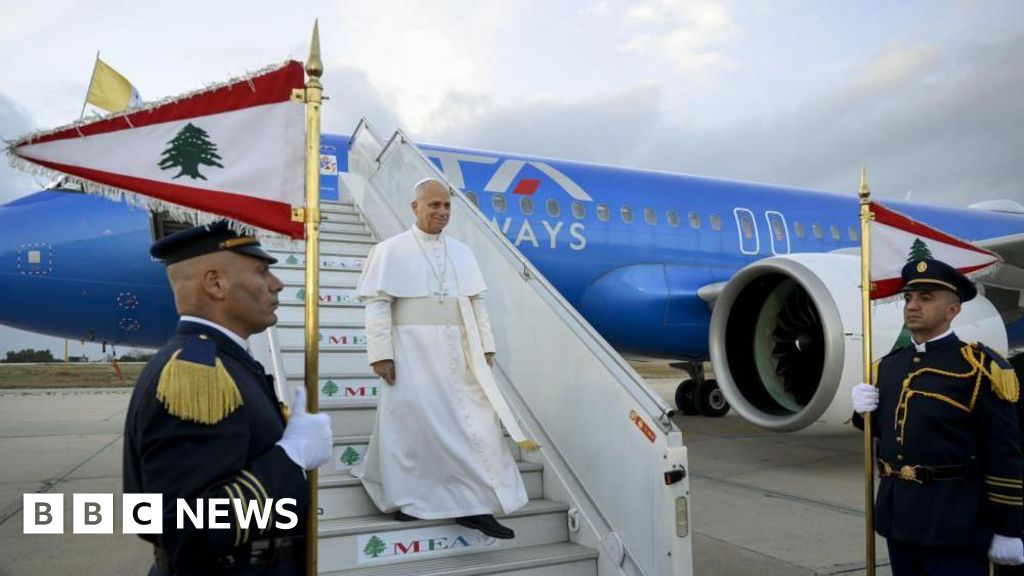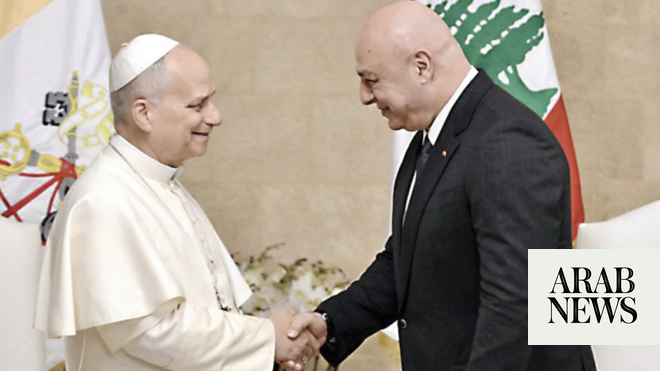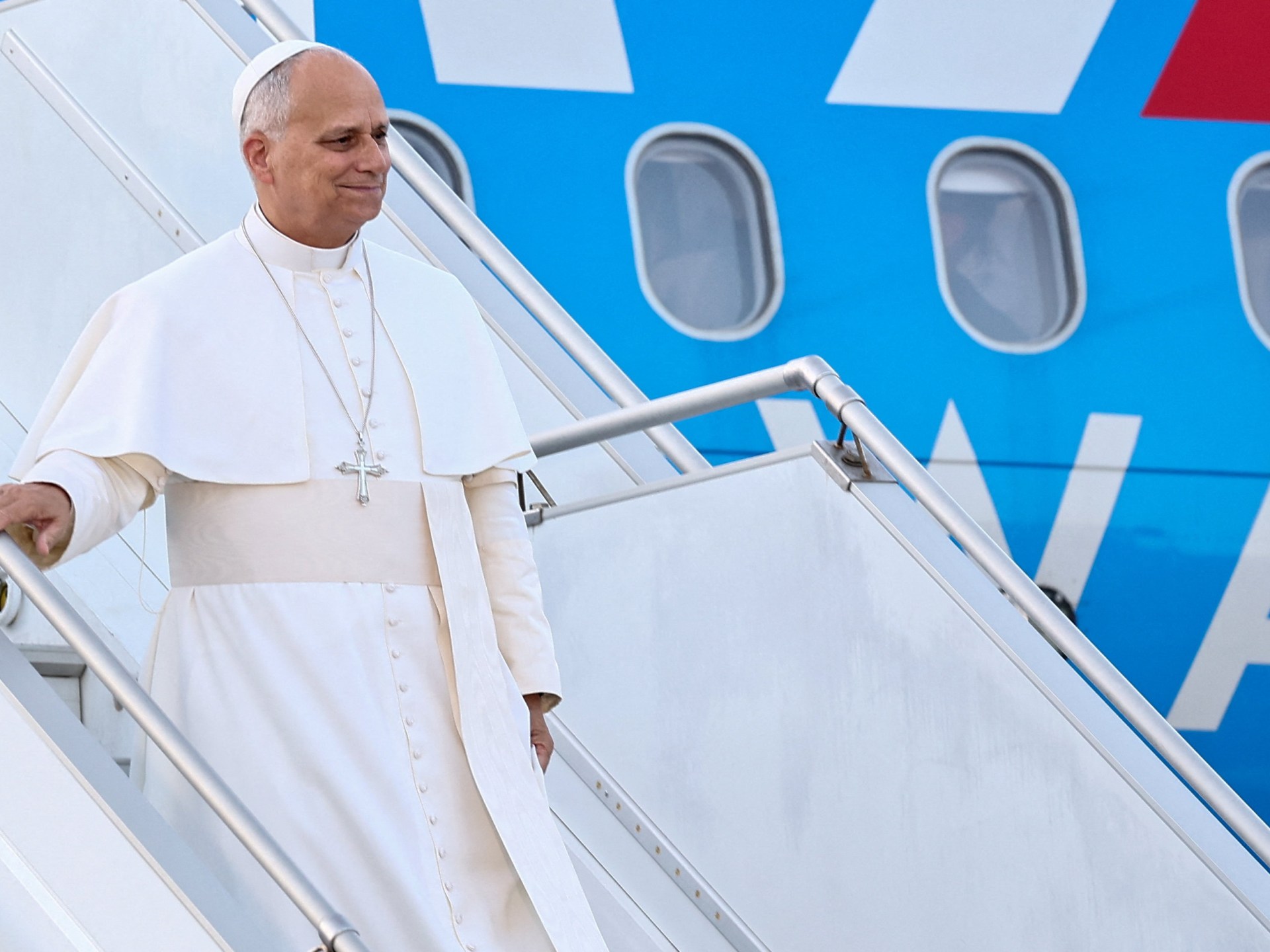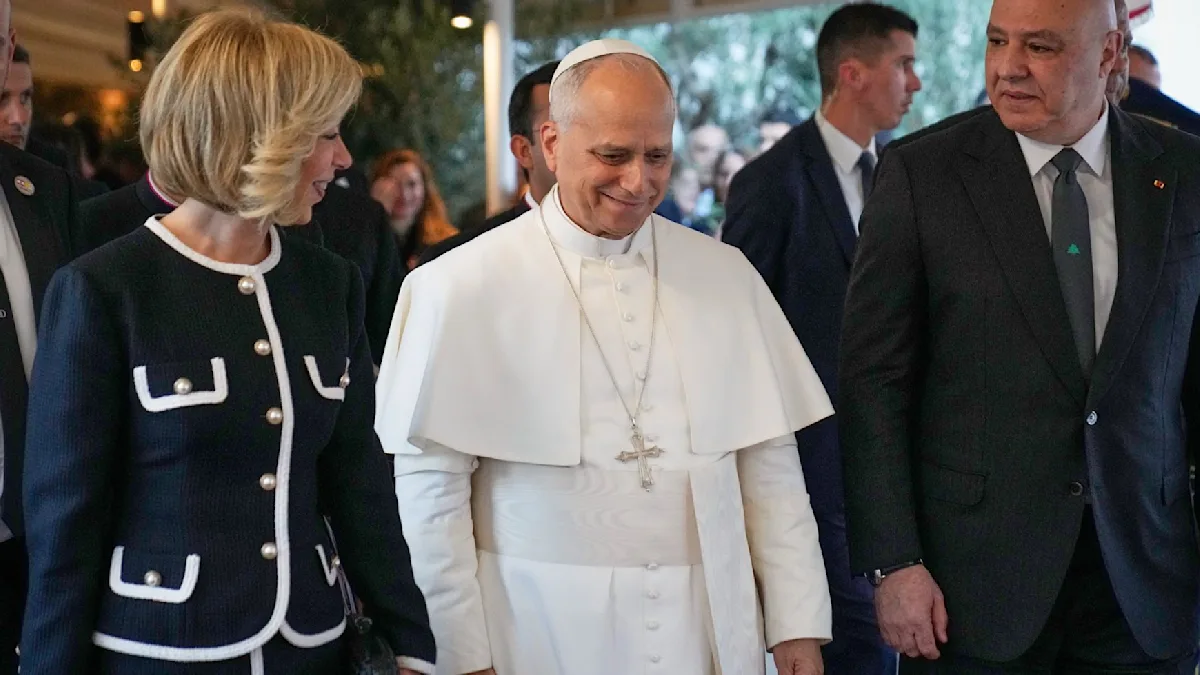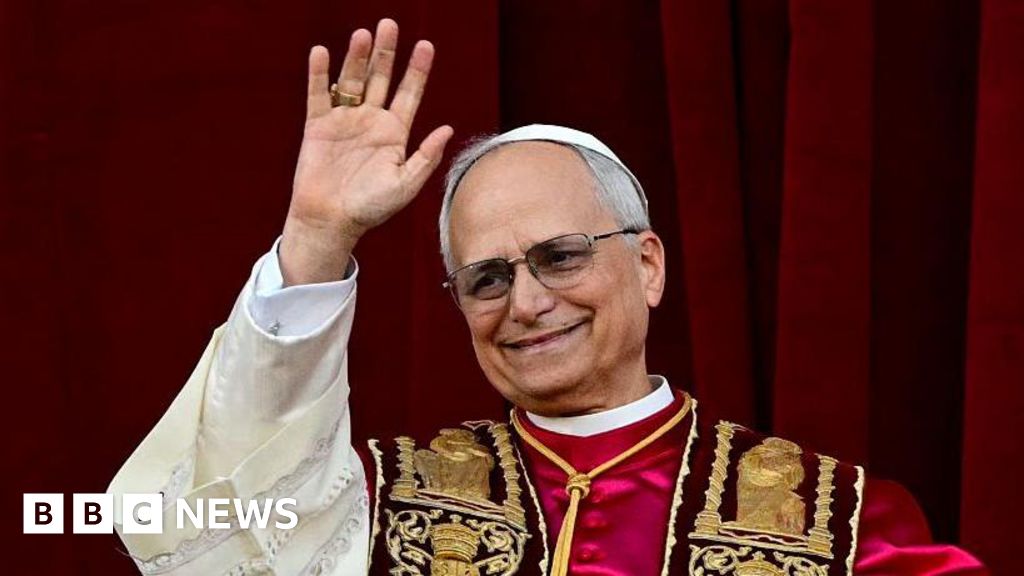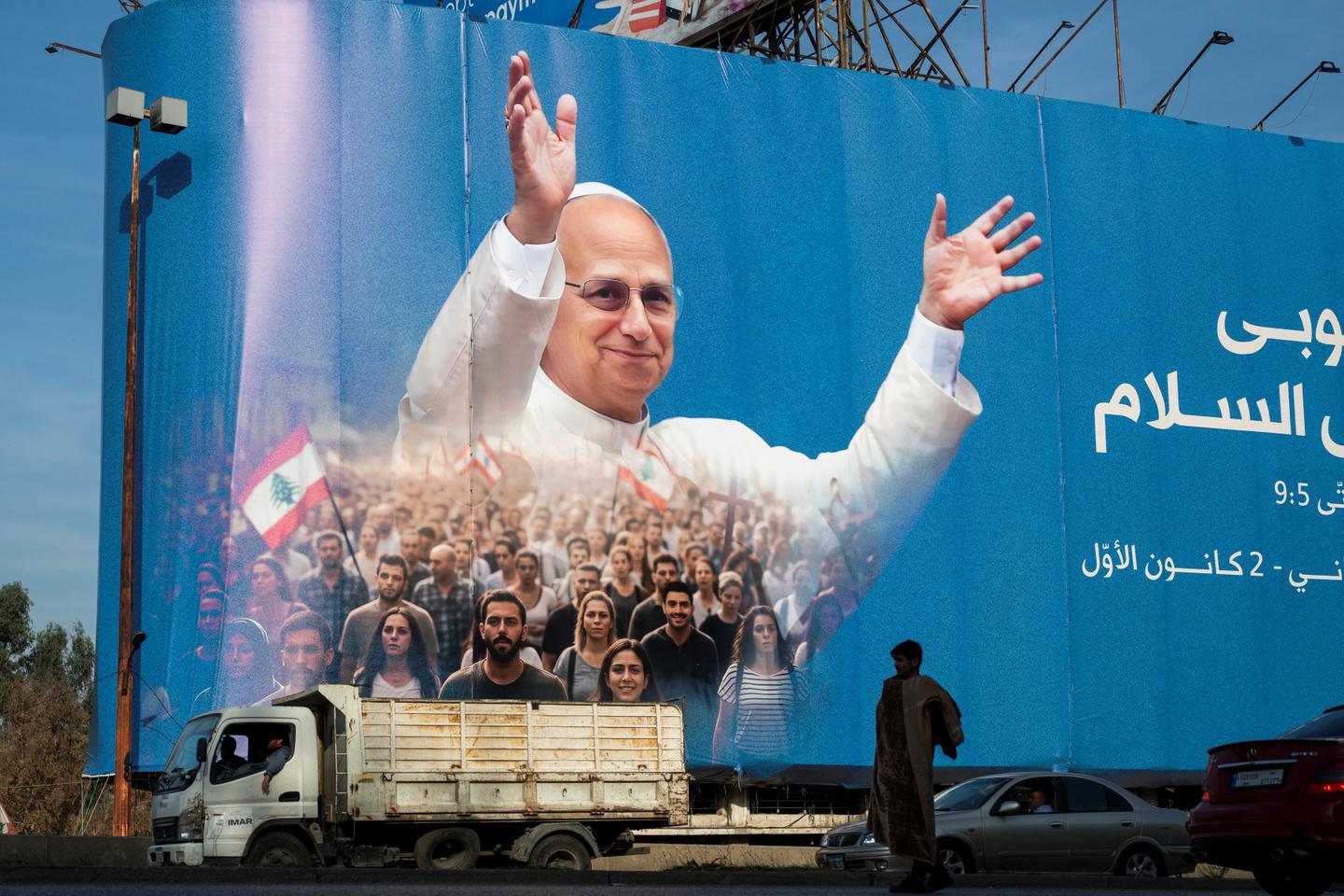
Billboard featuring Pope Leo XIV in Beirut, on November 28, 2025. JEWEL SAMAD/AFP
From the moment it was announced in October, Pope Leo XIV's visit to Lebanon was seen by authorities as a much-needed show of support. Beirut, which had not been invited to the Gaza summit in Sharm el-Sheikh, Egypt, feared being sidelined. Since then, the situation has darkened: Lebanon has faced mounting pressure from the United States, and Israeli bombings – violating the ceasefire agreement that ended the autumn 2024 war with Hezbollah – have grown more aggressive. In this context, the pope's visit on Sunday, November 30 in Lebanon, "could not come at a better time." "It's a balm for the soul," said a source close to the government.
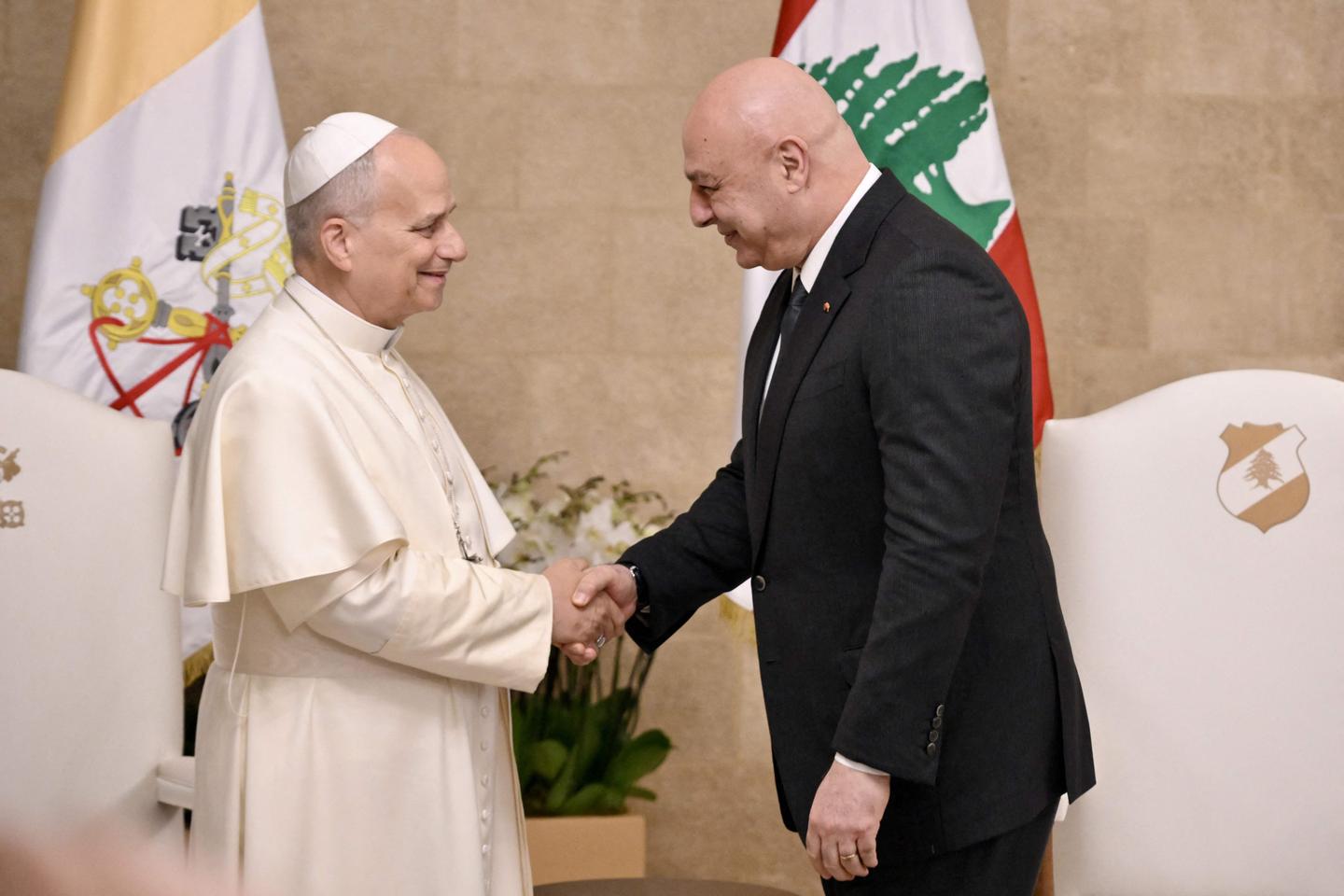
Upon his arrival, Leo XIV is set to meet with Lebanese President Joseph Aoun, Prime Minister Nawaf Salam and Speaker of the Parliament Nabih Berri. The first two came to power at the start of the year with significant Western and Arab backing, in a political landscape shaken by Hezbollah's weakening in the aftermath of the war with Israel.
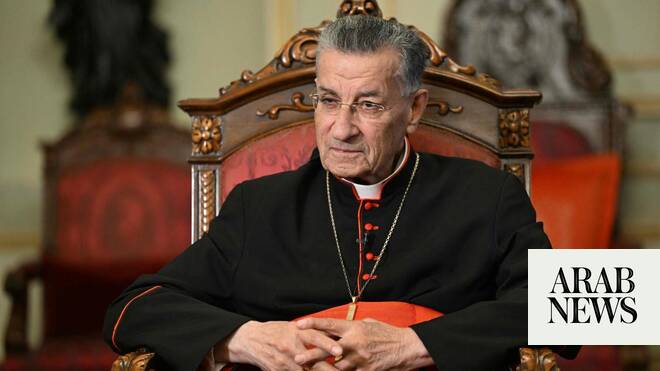
Still, despite their stated intent to chart a new course for Lebanon – carrying out economic reforms and disarming Hezbollah – the new authorities have been accused by some in the international community of doing too little or moving too slowly. These criticisms are deemed inappropriate by Mgr César Essayan, Apostolic Vicar of Beirut for Latin-rite Catholics: "The country has inherited a situation stemming from decades of shady dealings and foreign interference – whether Western, Arab or Iranian."