Last week’s budget left middle-income families anxious and angry. The party is turning its back on voters it can little afford to lose
Just over 15 years ago, a realisation began to dawn on British politicians, triggered by the financial crash of 2008 and its effects on millions of ordinary lives.
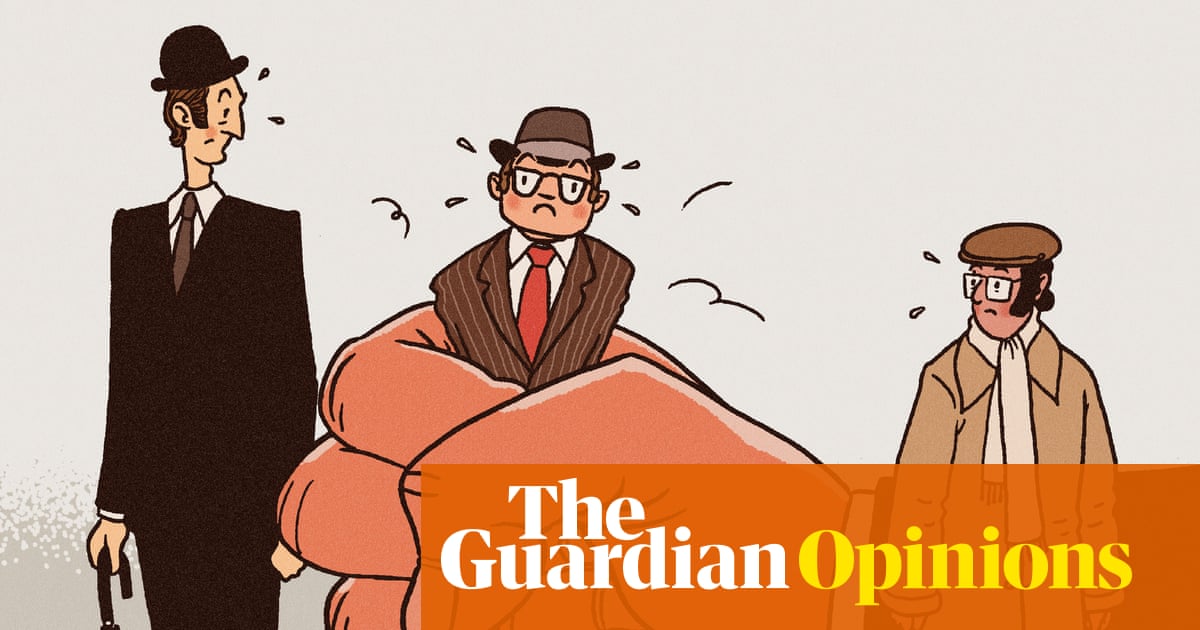
Before that rupture, they had clung to the idea that a huge chunk of the public was made up of contented consumers and property owners. Now, though, any such certainties were being shaken – something highlighted by the Labour conference speech given in 2009 by Gordon Brown, which contained two particularly eye-catching words: “When markets falter and banks fail,” he said, “it’s the jobs and the homes and the security of the squeezed middle that are hit the hardest.”
All these years later, the idea of an outwardly comfortable part of society anxiously feeling the pinch seems even more relevant. That is not, of course, to suggest that there are not millions of people living in much more precarious circumstances, nor that a Labour government should not prioritise their needs. Contrary to what you might read in certain news outlets, the squeezing of the middle has nothing to do with VAT on private school fees or the hourly rate charged by nannies. But the relevant stats definitely speak volumes about anxiety and uncertainty eating into lives that would once have been considered secure, and what that means for a country now brimming with a seething resentment that mainstream politicians seem unable – or unwilling – to do anything about.