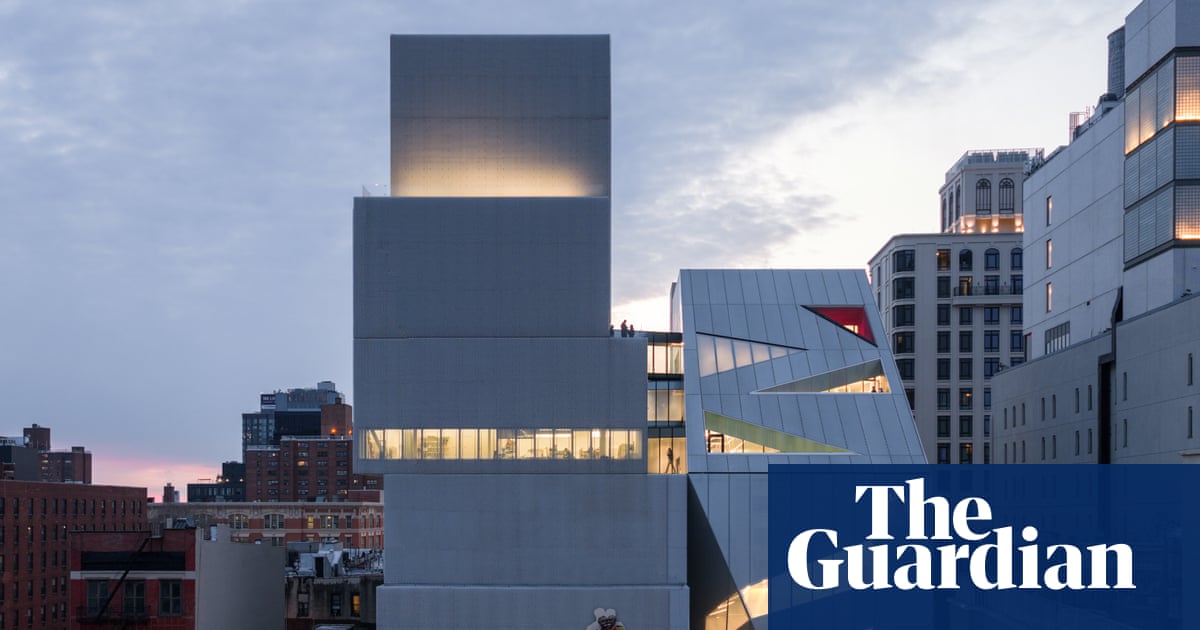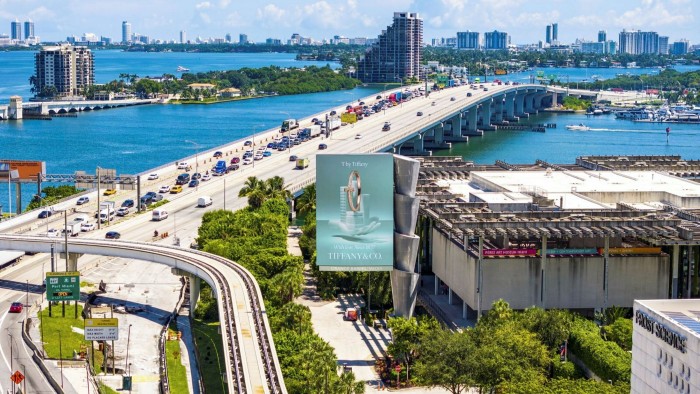
It’s impossible to miss. Overlooking a highway that connects Miami Beach to downtown Miami is a 1,800-square-foot digital billboard. With a larger footprint than a typical two-bedroom apartment, the screen advertises brands like Yves Saint Laurent and Tiffany & Co. Some passers-by might be surprised to learn the identity of its owner: the neighbouring modern and contemporary art museum, the Pérez Art Museum Miami.
A new generation is more comfortable than its predecessors with blurred lines between the non-profit and the commercial spheres
The billboard, which is estimated to generate at least $1.2mn each year for PAMM’s operations, is indicative of a broader change under way at American museums. As they face mounting financial challenges, many art institutions are becoming increasingly entrepreneurial, experimenting with everything from art sales to tech innovation to real estate development.
“The typical store and café lose money for museums,” says Stephen Reily, the director of Remuseum, a think-tank housed by the Crystal Bridges Museum of American Art that promotes innovation in art institutions. He notes that US institutions often focus on the revenue such businesses generate without examining the high cost of operating and staffing them. “It serves them better to consider the kinds of businesses they could operate profitably.”