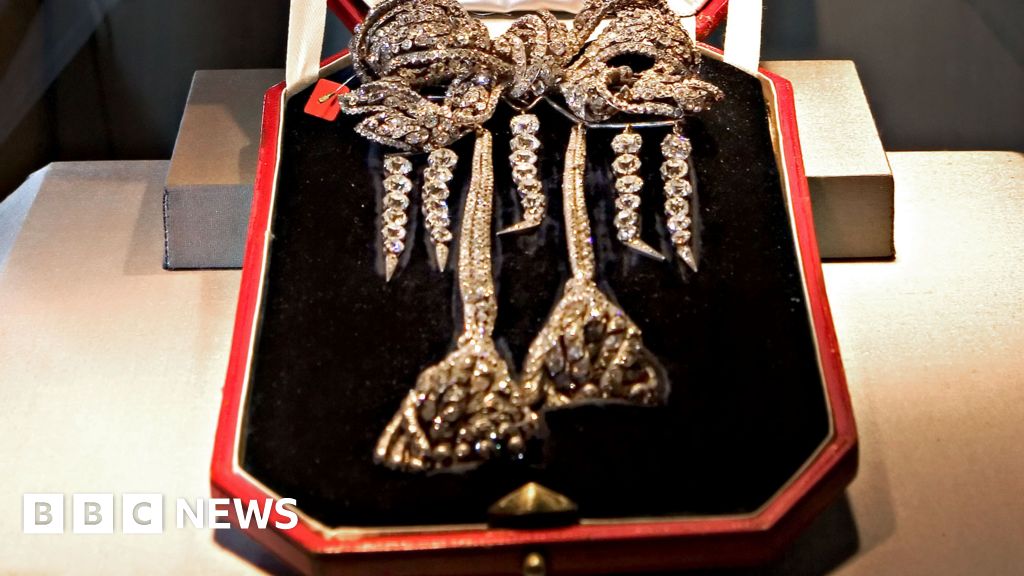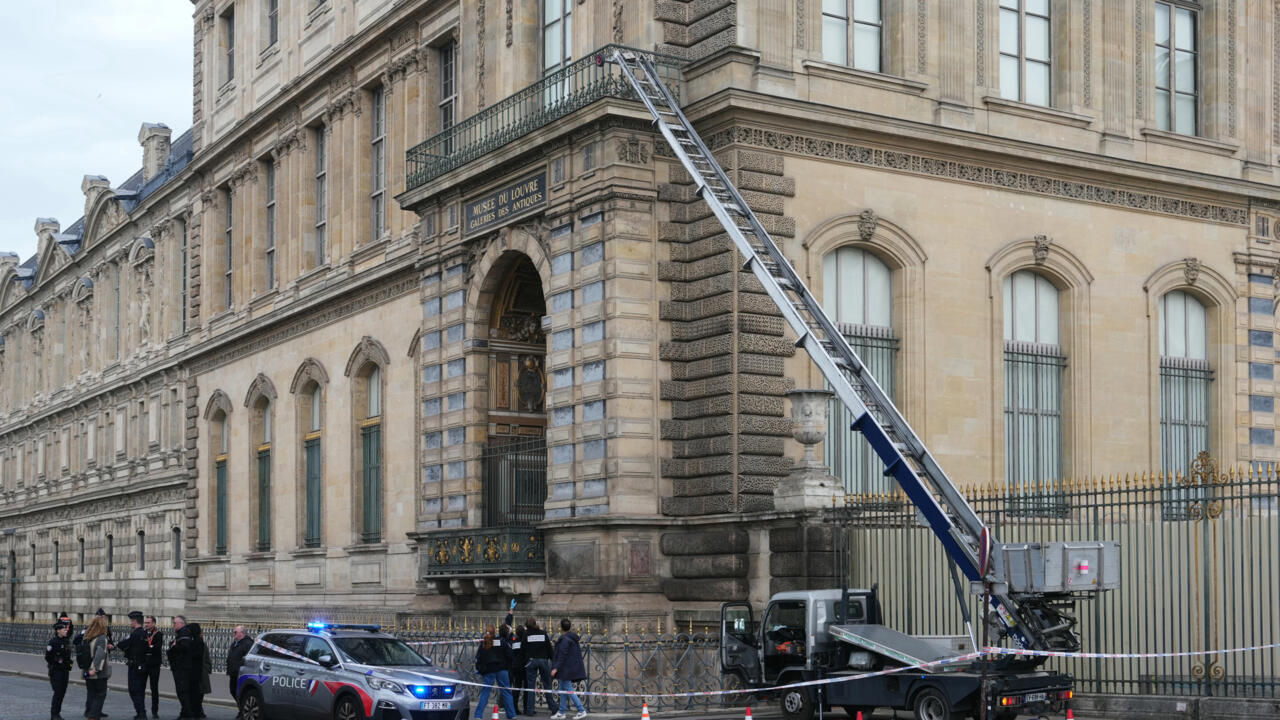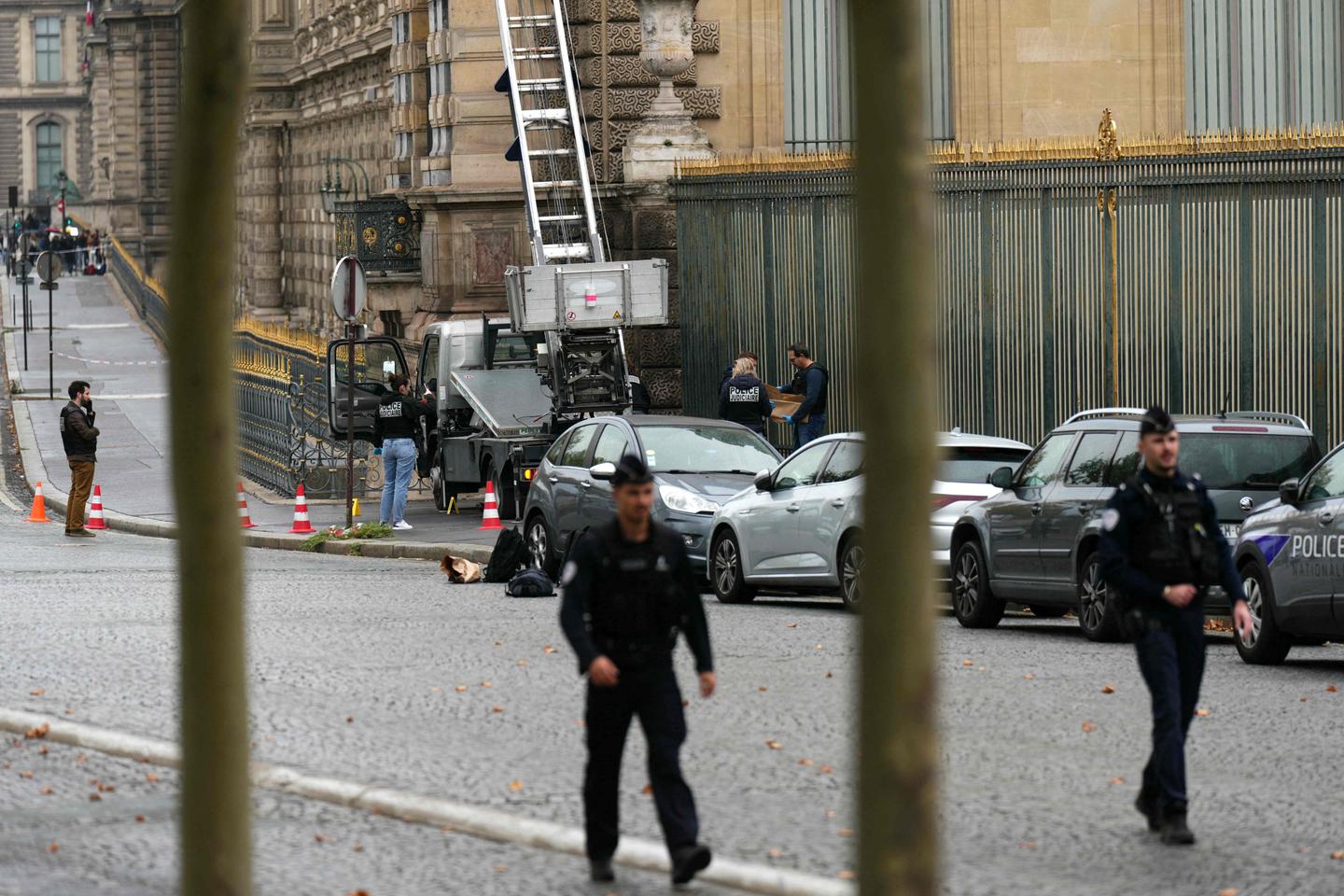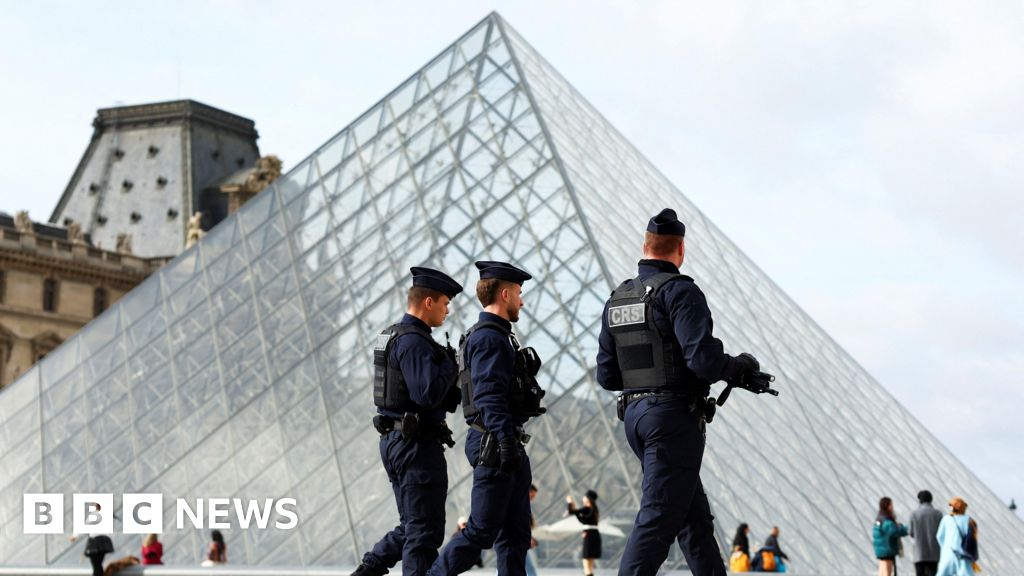
The Louvre was robbed about ten days ago, and the trauma lingers, as does the bewilderment. On top of that, what is likely the heist of the year also signals a new map of French culture: a waning influence of public institutions, hampered by lack of resources and weighed down by bureaucracy, and the rise of private players, seen as wealthy, nimble, "hip," and places where anything seems possible.
This is not new, but the trend has, in fact, accelerated. In the days following the crime, the capital witnessed a creative frenzy at the crossroads of art and luxury, orchestrated by private brands and companies – much to the chagrin of supporters of the so-called Zucman tax on wealth. Against the backdrop of the Art Basel Paris fair at the Grand Palais, brisk business was conducted and Qatar was prominently displayed as a "premium partner," as the saying goes today.
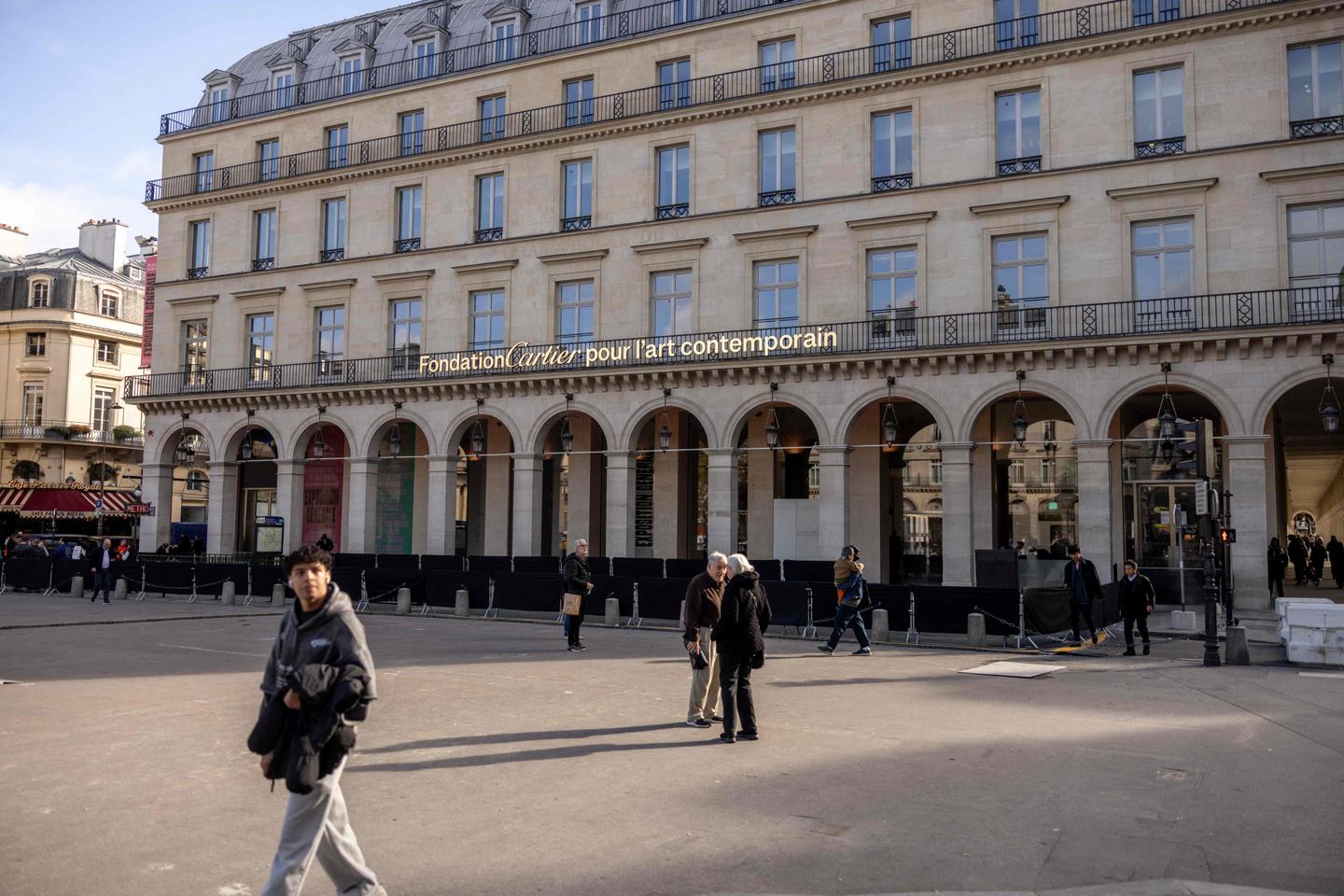
The excitement began on the morning of October 20, the day after the robbery. The Fondation Cartier pour l'art contemporain (Fondation Cartier for Contemporary Art) inaugurated its new "museum" directly opposite the Louvre, on Place du Palais-Royal. The space, a 150-meter-long Haussmannian building with 6,500 square meters, was gutted and transformed by Jean Nouvel into a €230-million showroom to display part of its collection. Conversations buzzed about the previous day's heist, with discreet laughter. It was as if the aficionados of contemporary art were floating above the old world.