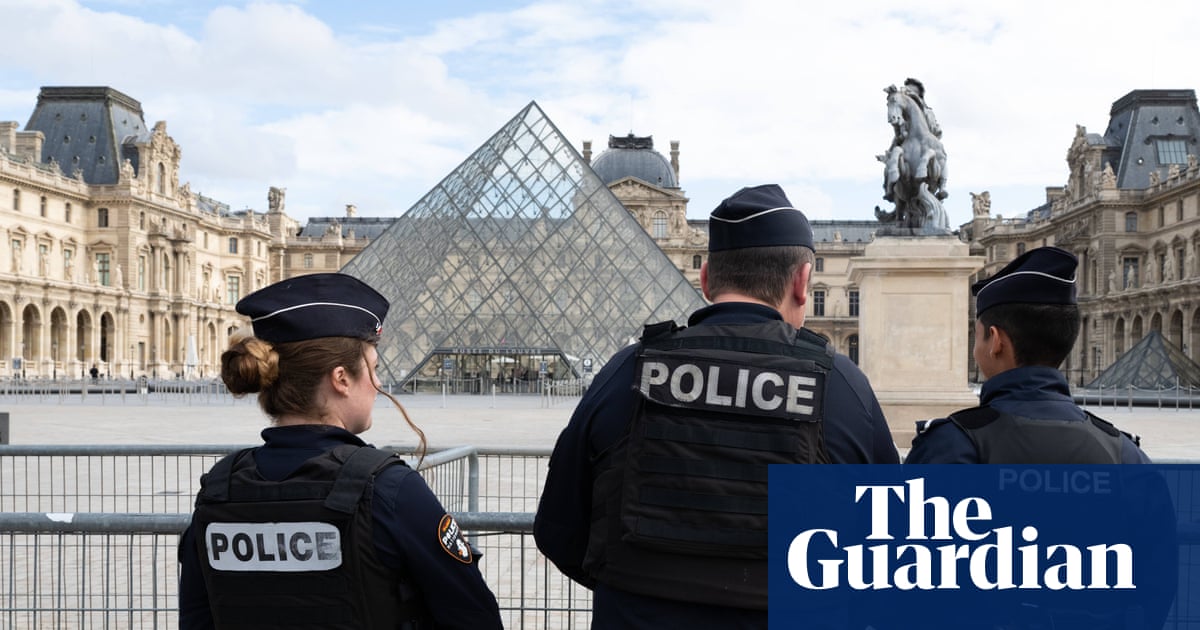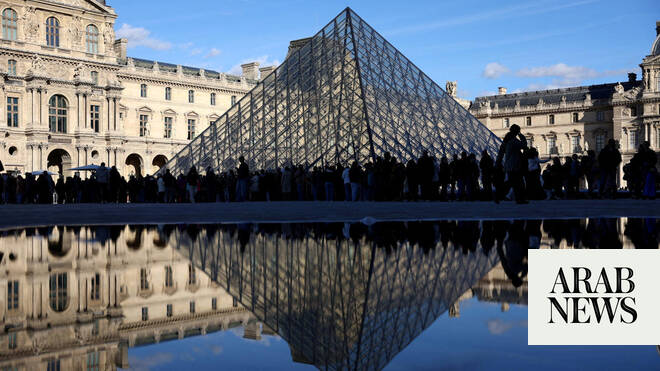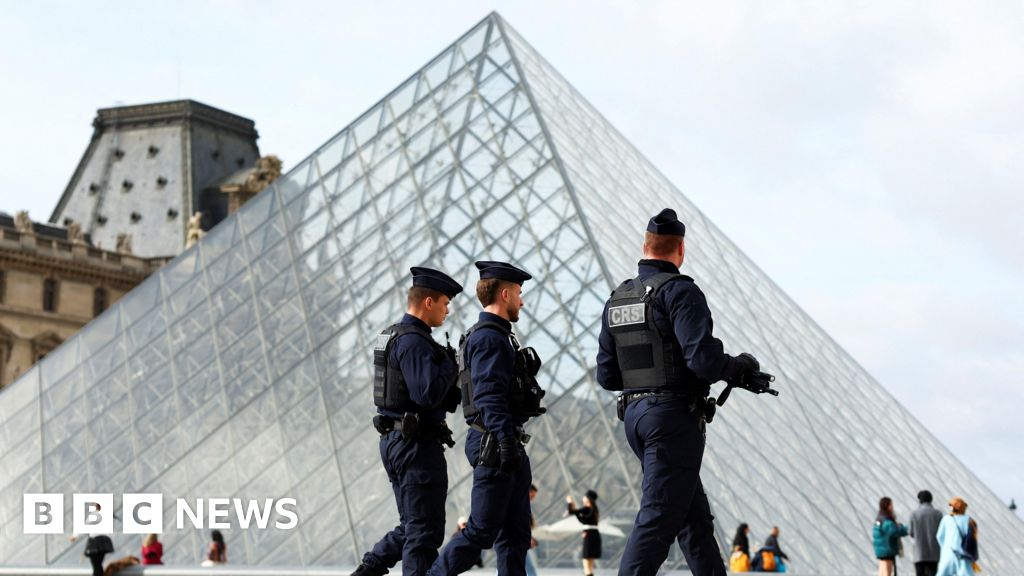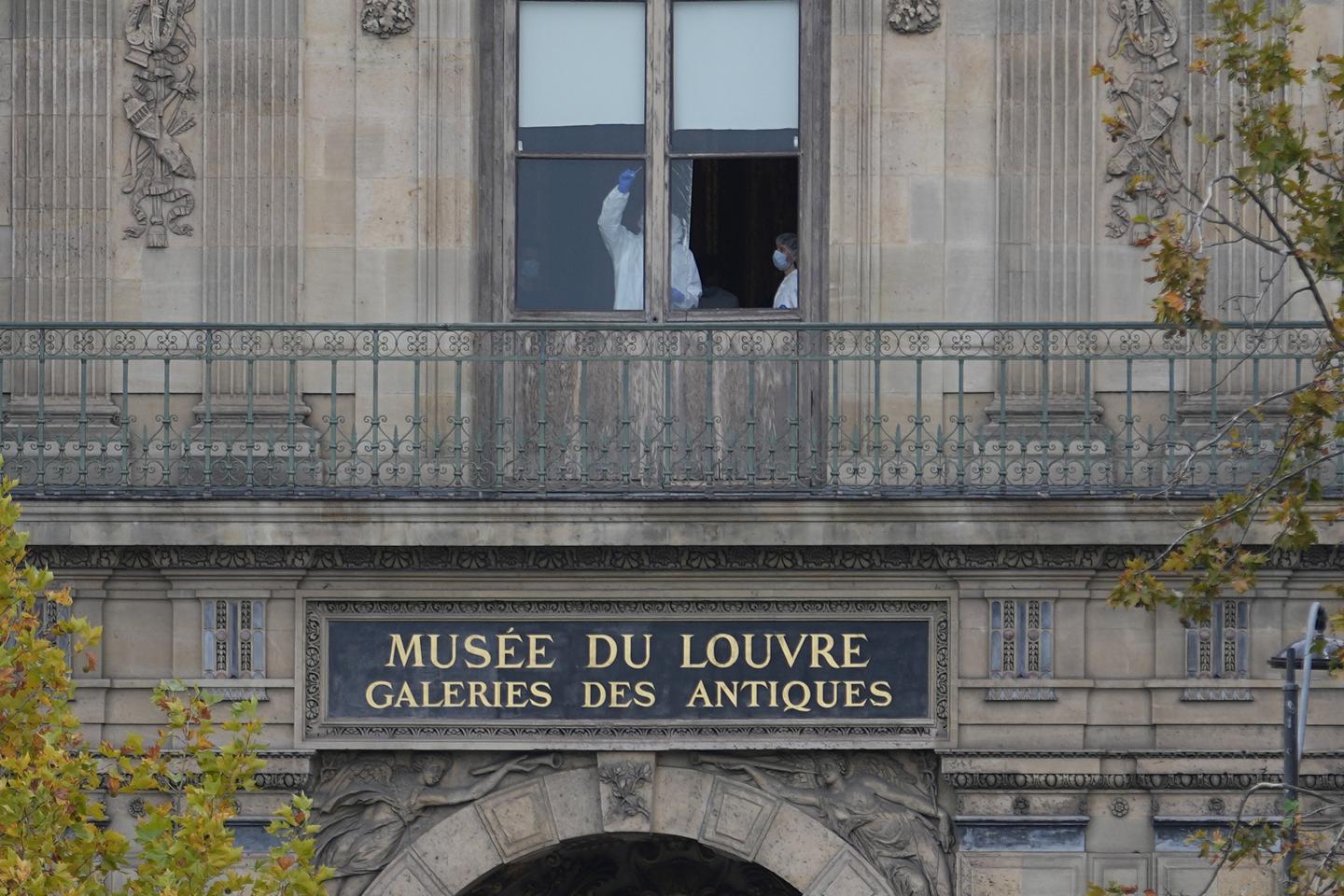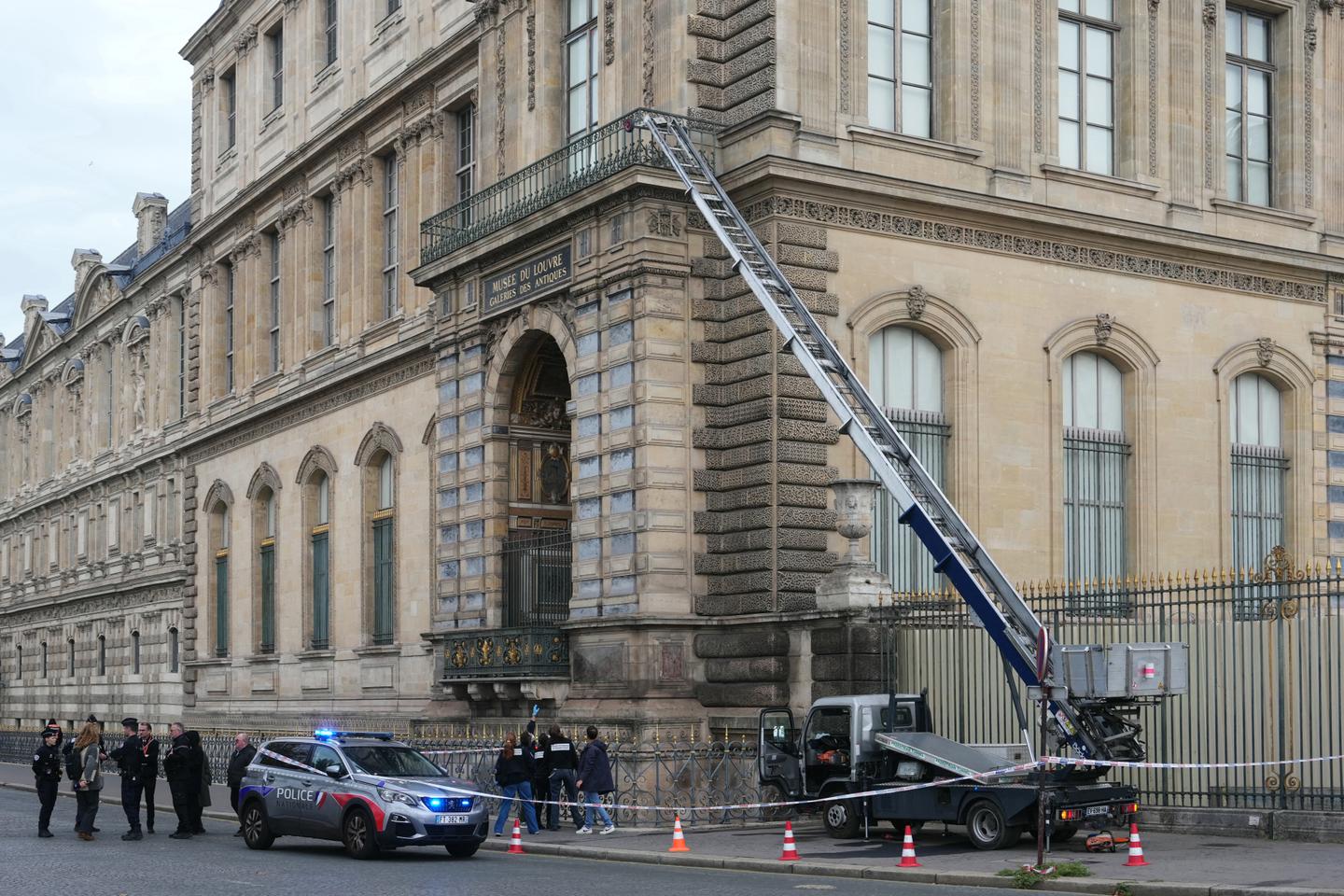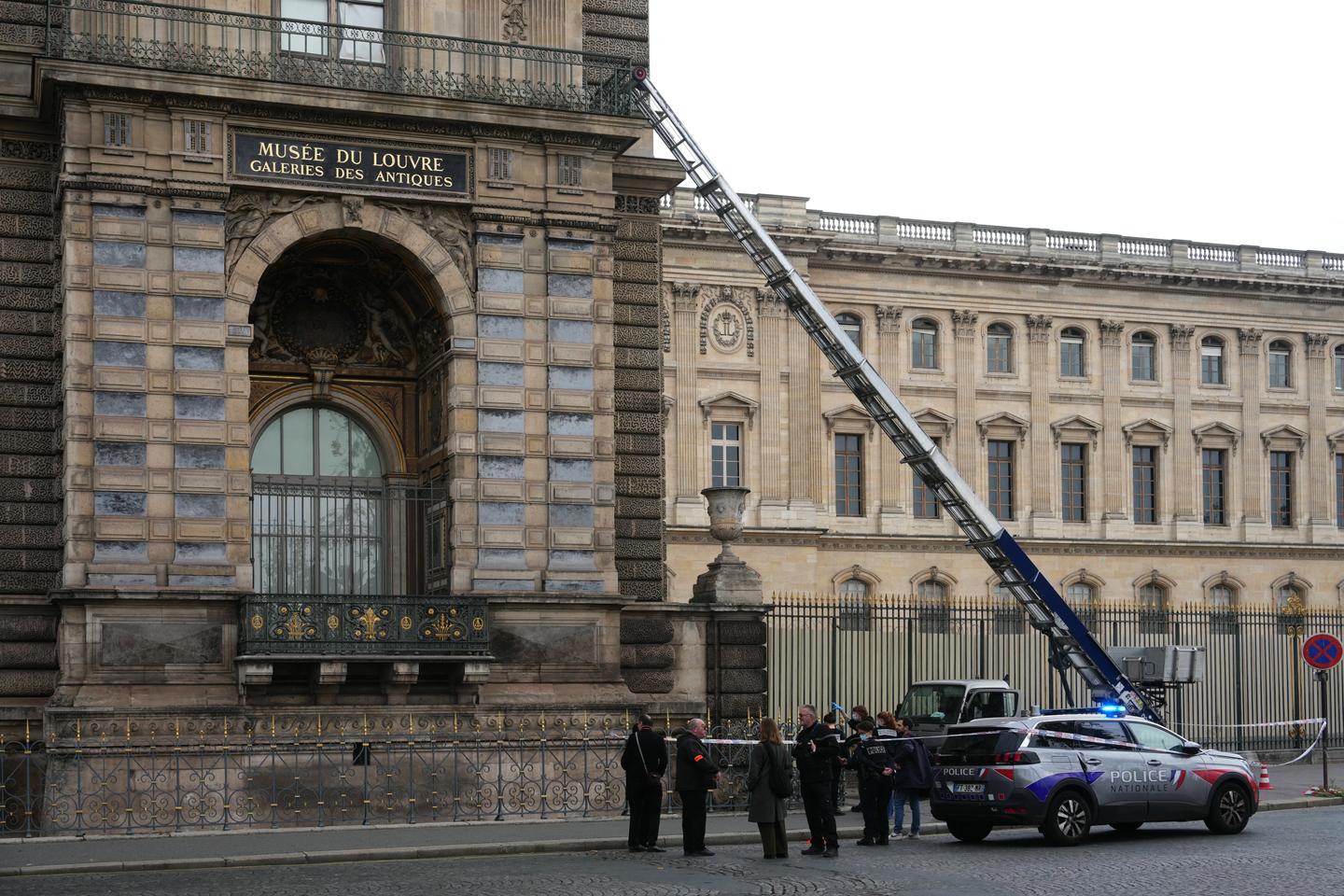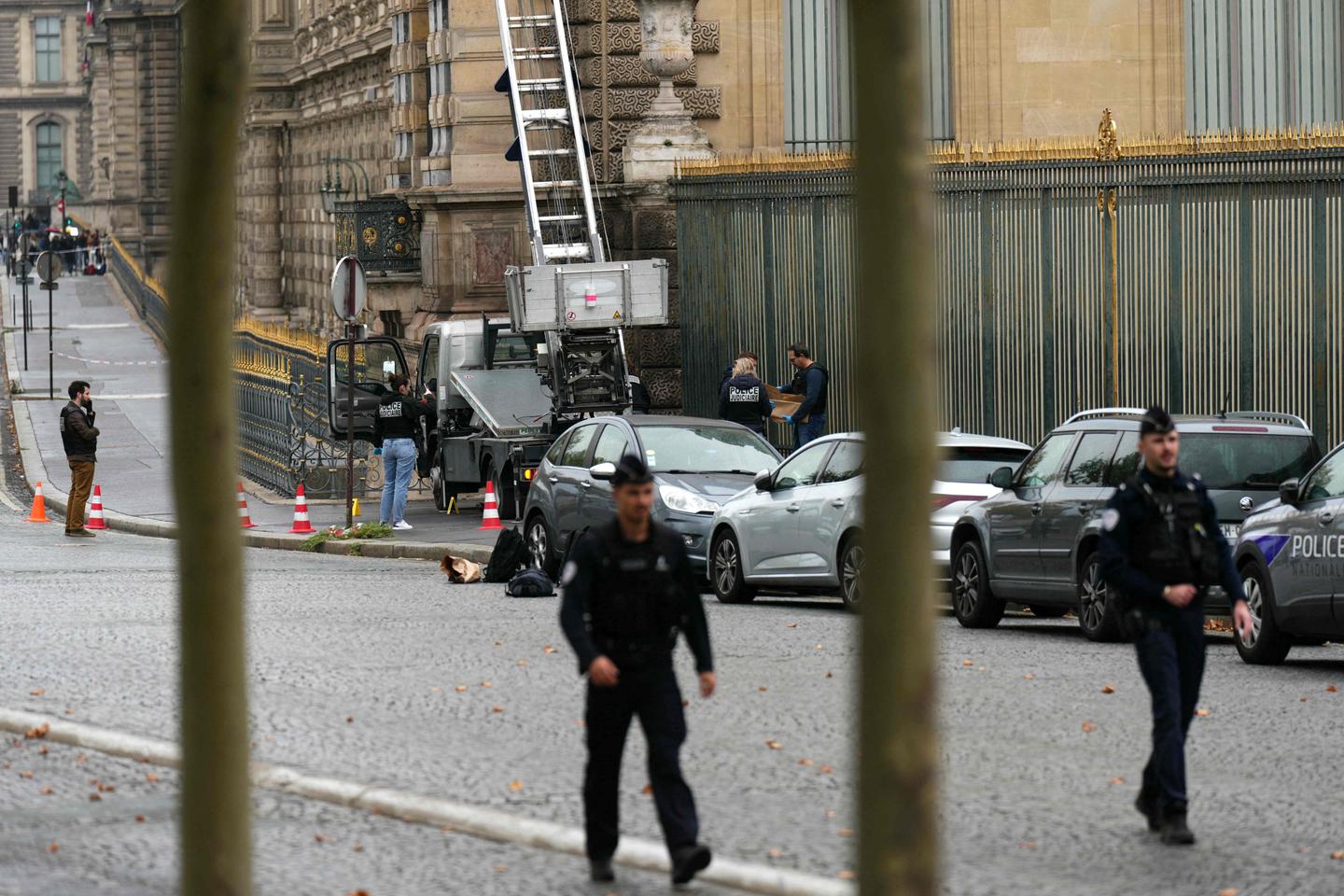
A freight elevator used by the thieves to break into the Musée du Louvre in Paris on October 19, 2025. DIMITAR DILKOFF/AFP
Everyone is responsible; everyone is at fault. Beyond the revelations that have surfaced since the brazen theft of French crown jewels on October 19, the hearing held before the Sénat's Cultural Affairs Committee on Wednesday, December 10, exposed the Louvre's deep-seated structural disorganization, a situation long ignored or tolerated by the Culture Ministry. "We were profoundly surprised by what we saw at the Louvre," said Noël Corbin, head of the IGAC, the ministry's office for investigating cultural affairs. "I discovered a series of vulnerabilities I never suspected, and that security was not a central concern. Everyone does what they can, everyone spins in their own wheel, and it leads to disaster." Corbin himself previously served as the Louvre's director of finance and legal affairs from 2011 to 2013. The world's largest museum, once regarded as invulnerable, has now revealed the extent of its weaknesses.
The team of seven inspectors dispatched to the Louvre by Culture Minister Rachida Dati the day after burglars broke in with a power saw identified each vulnerability in turn. Only a single active exterior camera was the window of the Galerie d'Apollon; surveillance footage was not being monitored live in the central control room; the windows' resistance was extremely weak. To these technical shortcomings, the officials also added a review of the numerous audits that nobody had ever heeded.