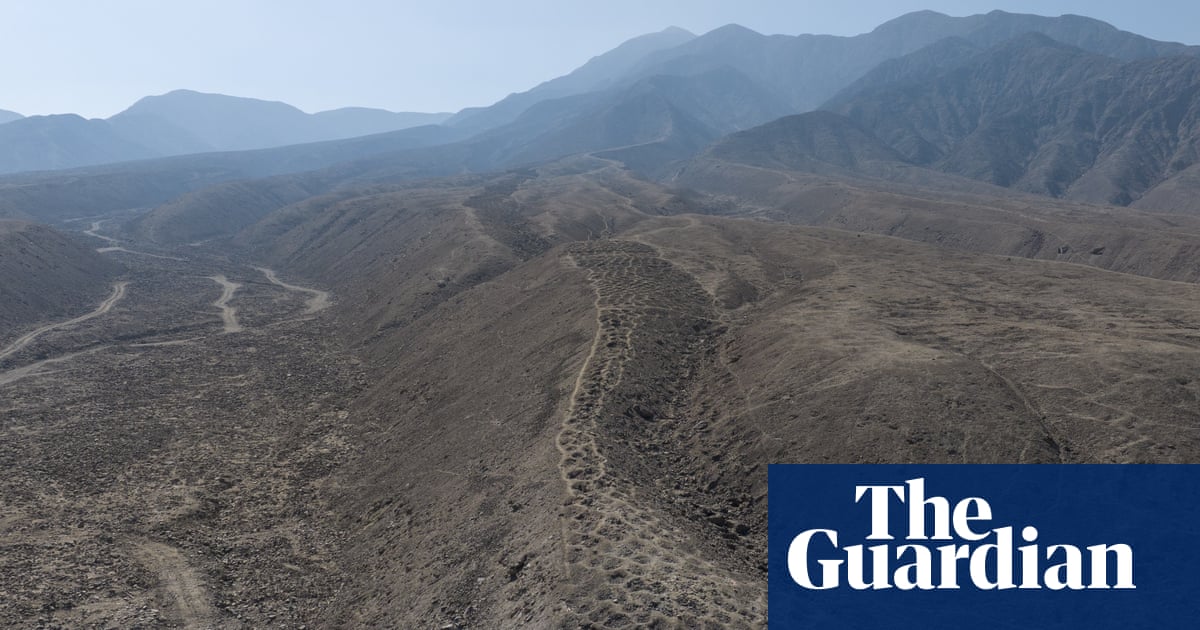
Charles Stanish surmised indentations were rudimentary market place and later adapted as accounting and storage system
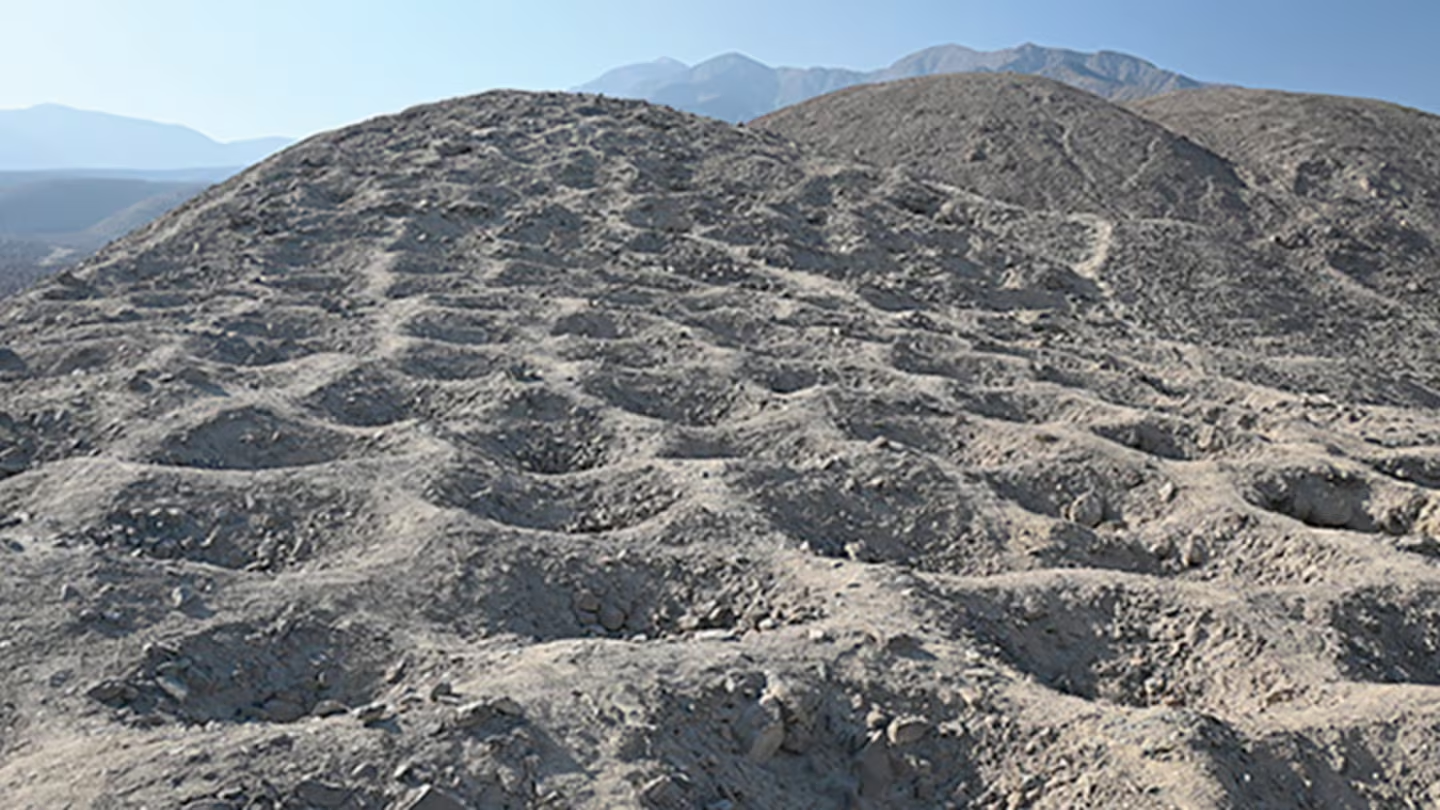
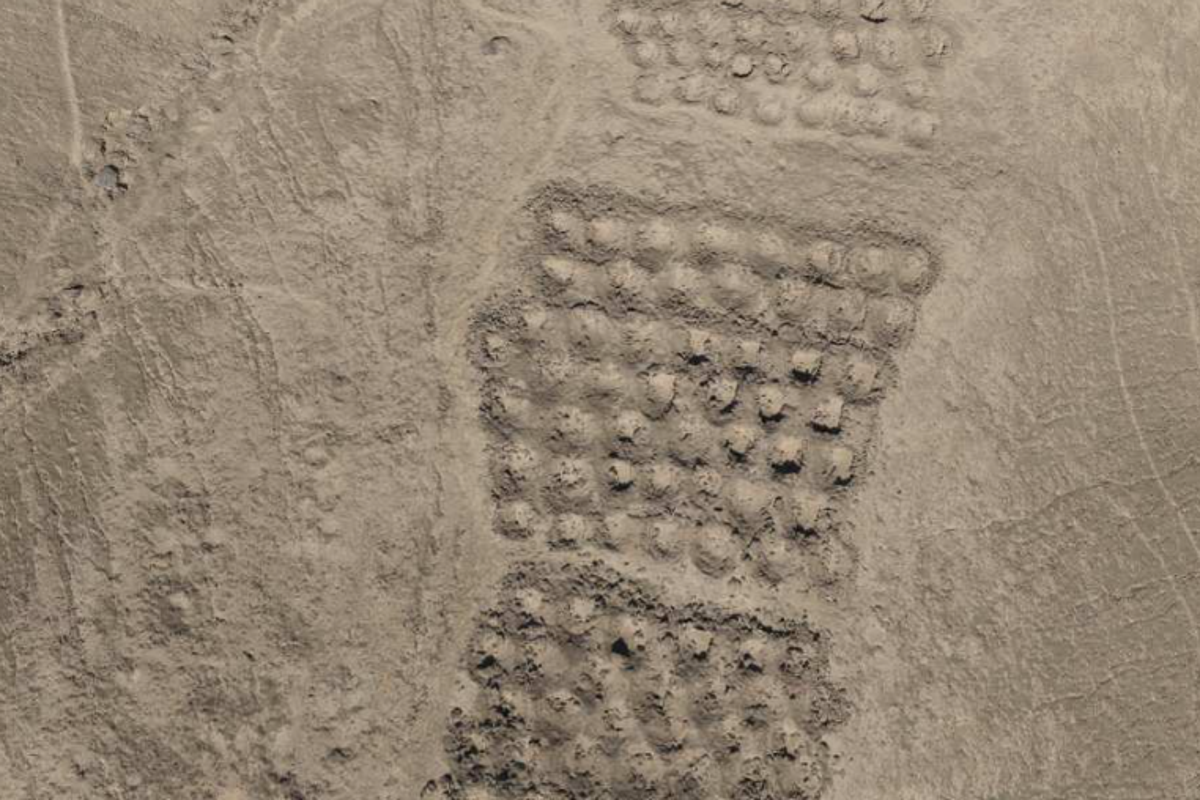
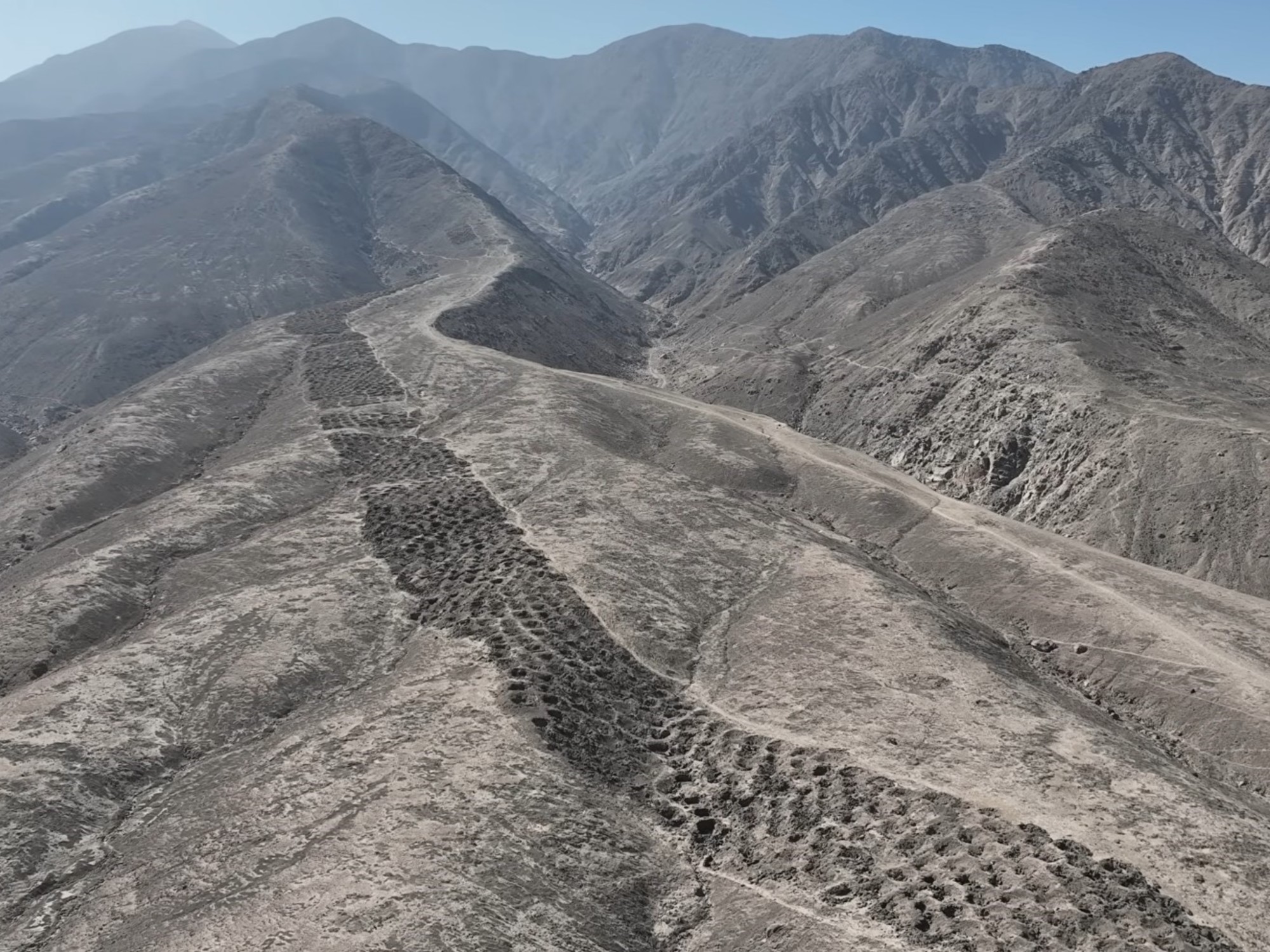
A Florida archaeologist’s decades-long persistence has helped solve one of Peru’s most puzzling geographical conundrums: the origin and purpose of the so-called Band of Holes in the country’s mountainous Pisco Valley.
Charles Stanish, professor of archaeology at the University of South Florida, and an expert on Andean culture, spent years studying the more than 5,200 curious hillside shallow pits known to local residents as Monte Sierpe - serpent mountain.
He surmised during numerous field trips since the 1980s that the holes were man-made indentations created during the pre-Inca period for a rudimentary market place, then adapted by Incan civilization into a sophisticated kind of accounting and storage system, likely for agriculture.
Rival theories abounded – from the sensible to the bizarre. Some analysts opined the holes might be an intricate network of water storage tanks; a more extreme postulation, aired on the Ancient Aliens television program and exploited by an enterprising travel company, was that they were crafted by extraterrestrial beings, perhaps to cover up the crash of their spacecraft.