Twenty years after the first face transplant, patients are dying, data is missing, and the experimental procedure’s future hangs in the balance
I
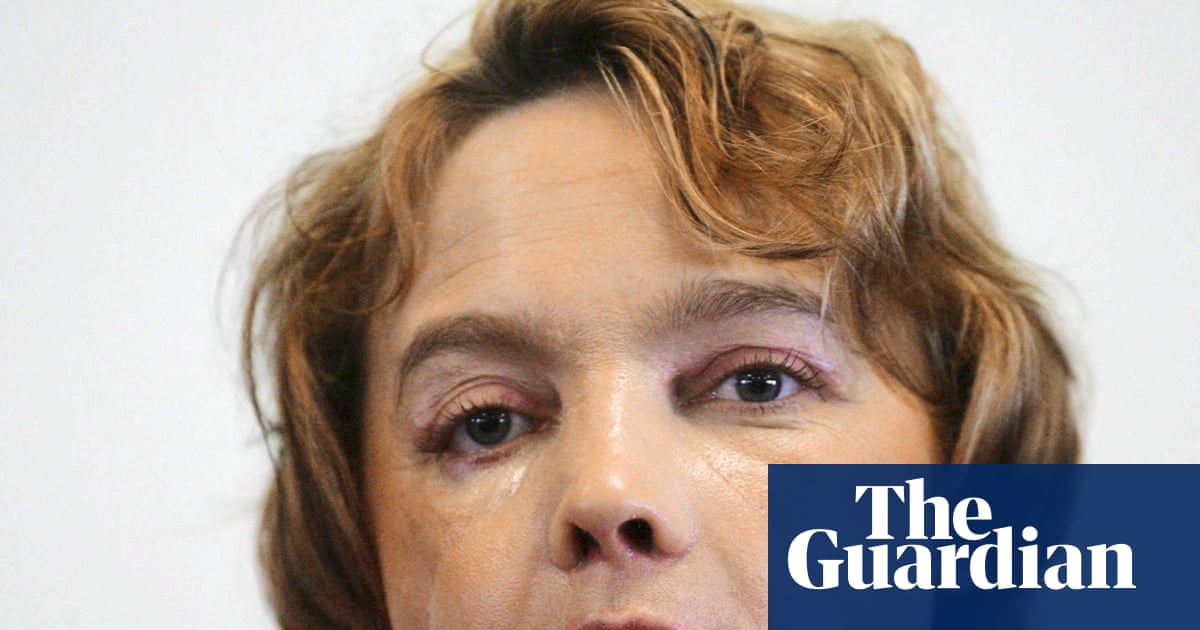
n the early hours of 28 May 2005, Isabelle Dinoire woke up in a pool of blood. After fighting with her family the night before, she turned to alcohol and sleeping tablets “to forget”, she later said.
Reaching for a cigarette out of habit, she realized she couldn’t hold it between her lips. She understood something was wrong.
Isabelle crawled to the bedroom mirror. In shock, she stared at her reflection: her nose, lips, and parts of her cheeks were gone, replaced by a raw, mangled wound.