Genetically modified lung functioned for nine days, in latest development in xenotransplantation aimed at solving organ shortage crisis
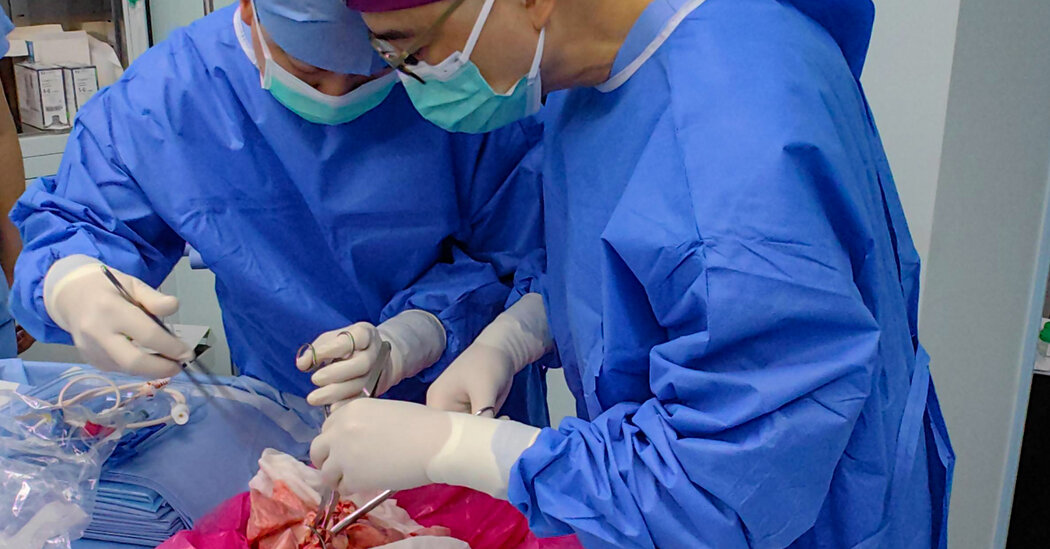
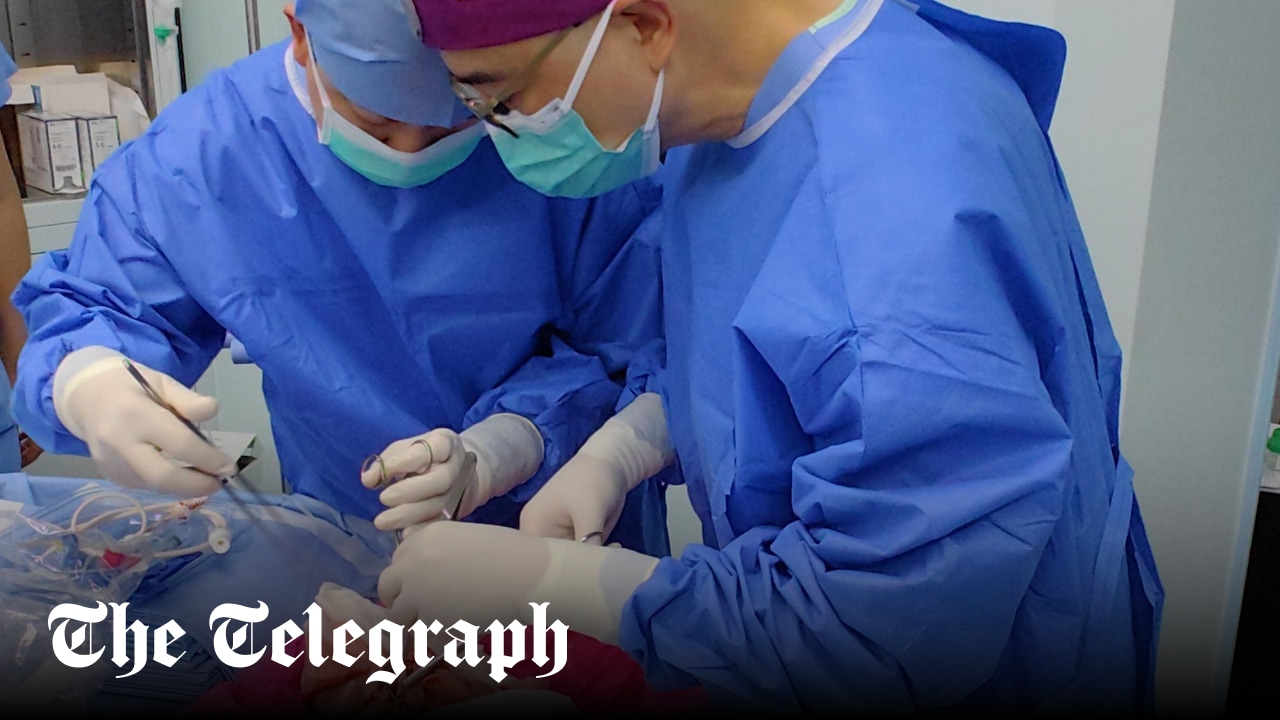
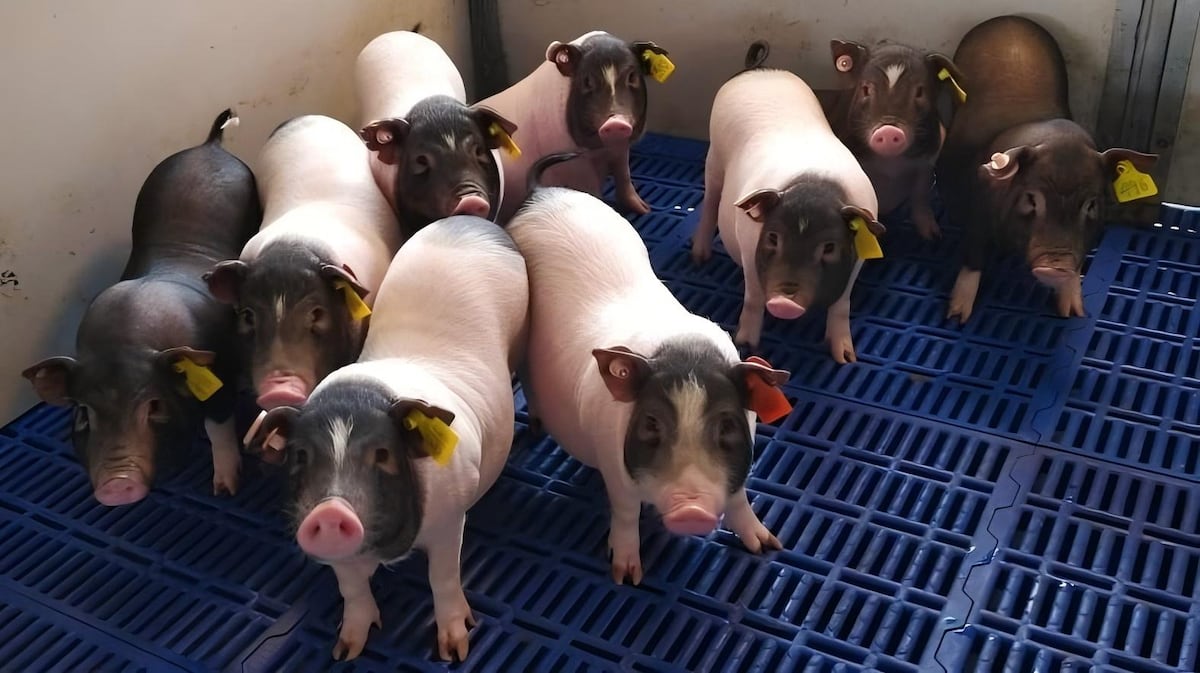
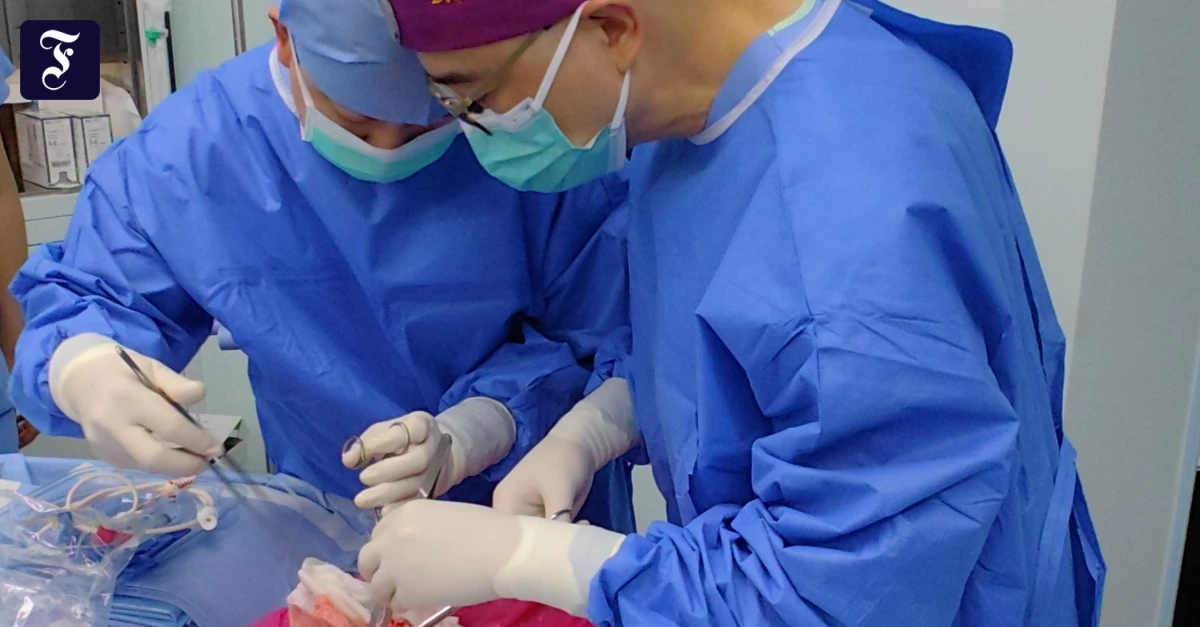
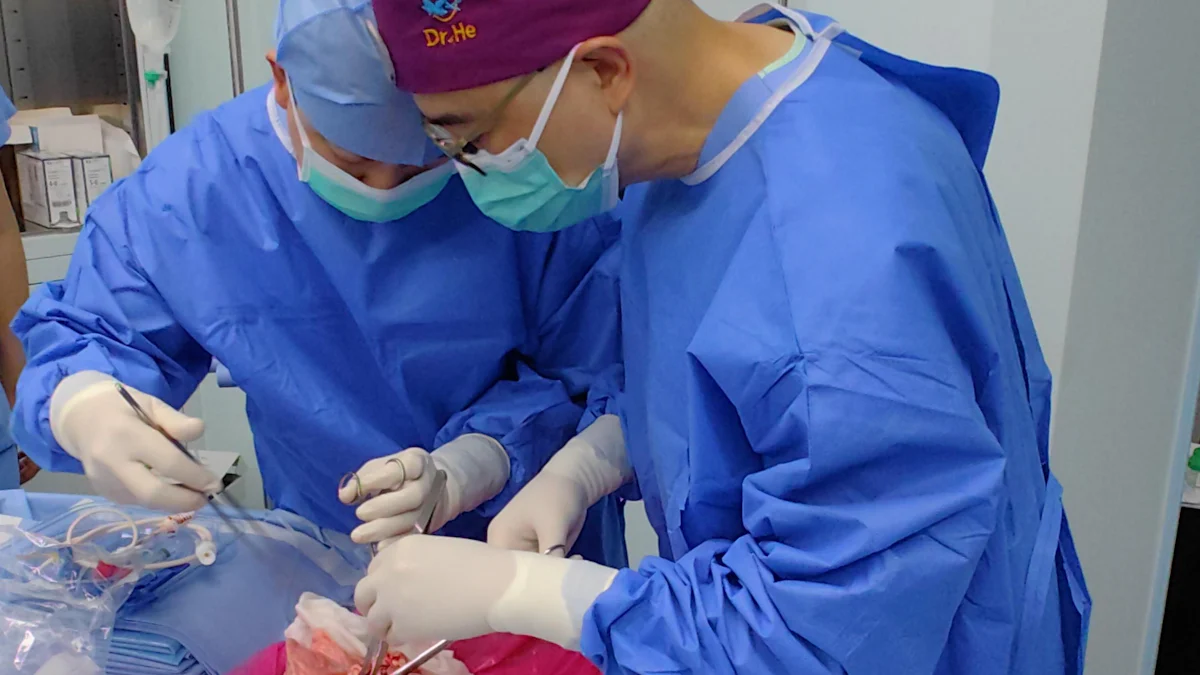
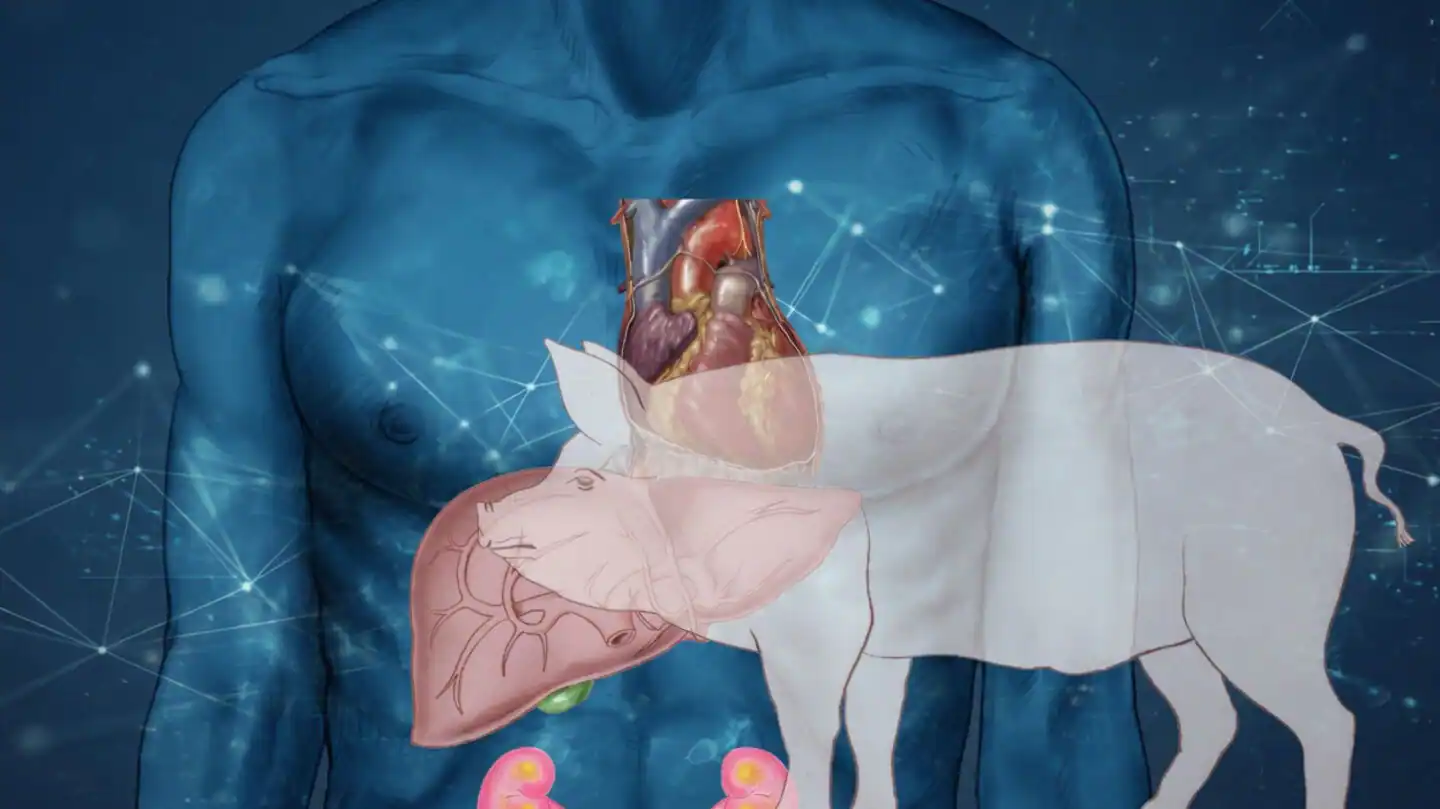
Surgeons have transplanted a lung from a genetically modified pig into a brain dead human recipient for the first time and found it functioned for nine days, researchers have revealed.
The work is the latest development in a technique called xenotransplantation that is aimed at solving the organ shortage crisis: according to the World Health Organization, only up to 10% of the global need for such transplants is being met.
However, experts have stressed there is a long way to go before pig lungs can be used in patients.
Dr Justin Chan, a lung transplant surgeon for the NYU Langone Transplant Institute who was not involved in the work, described the study as “exciting and promising work”, but said the report concerned only one patient and was a “qualified success”.