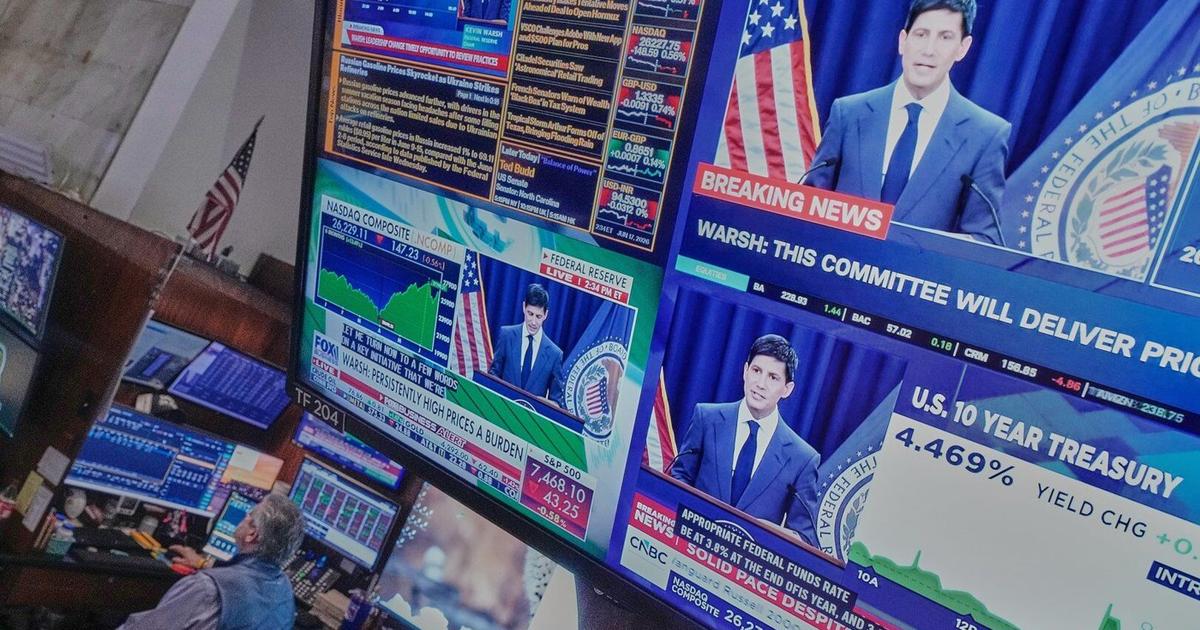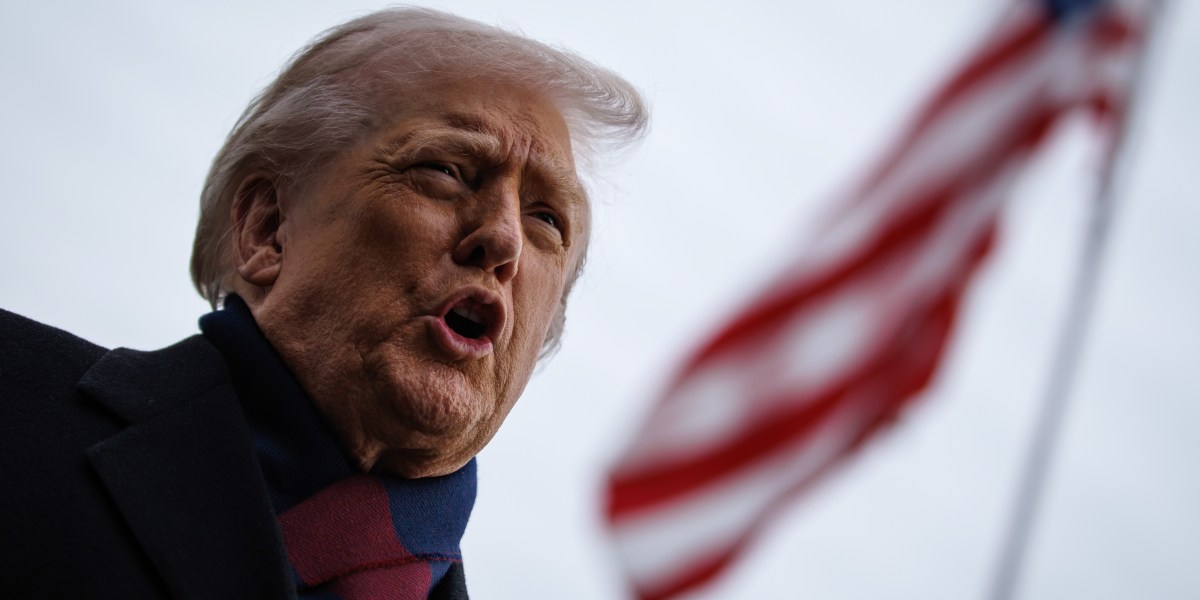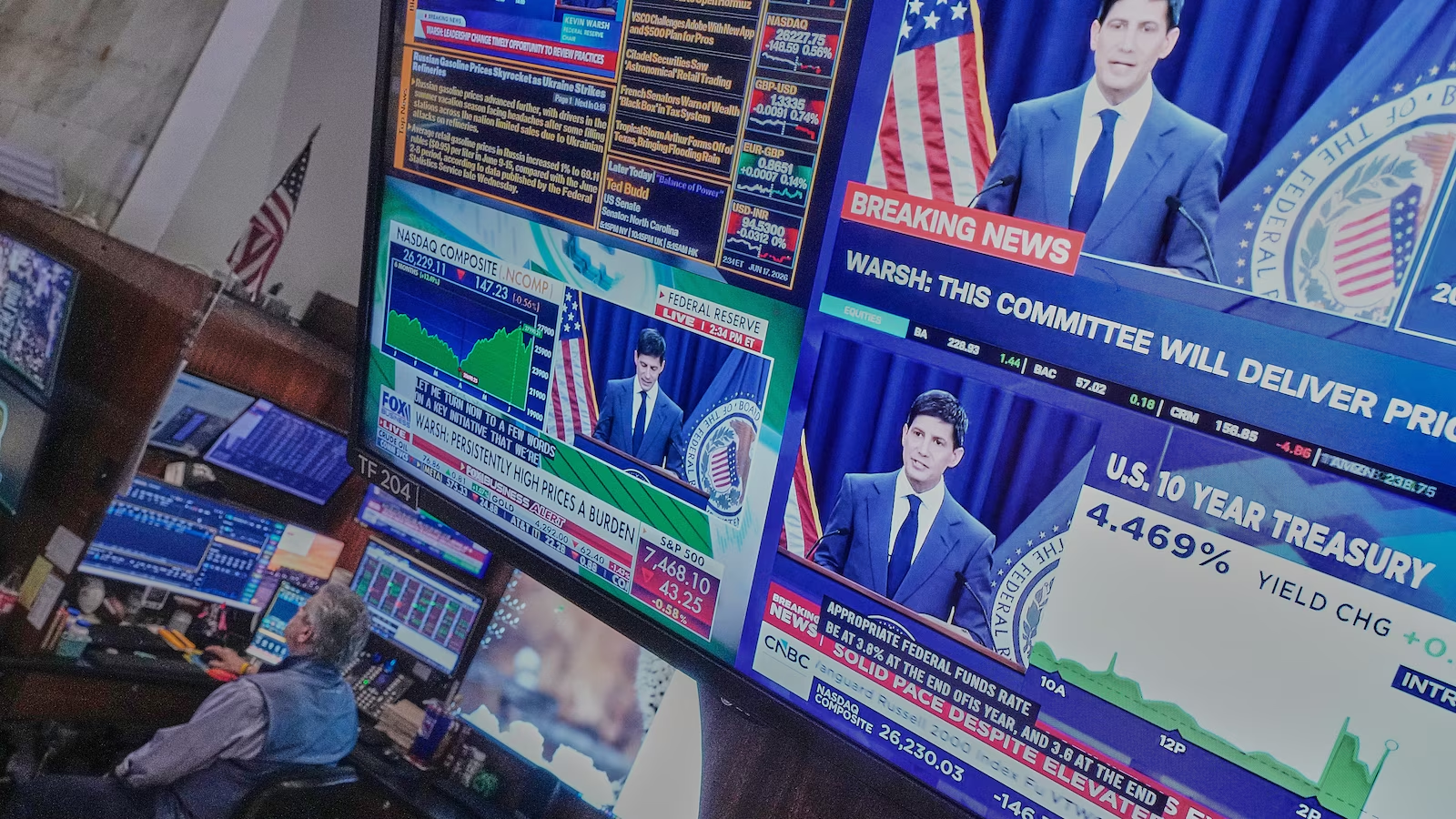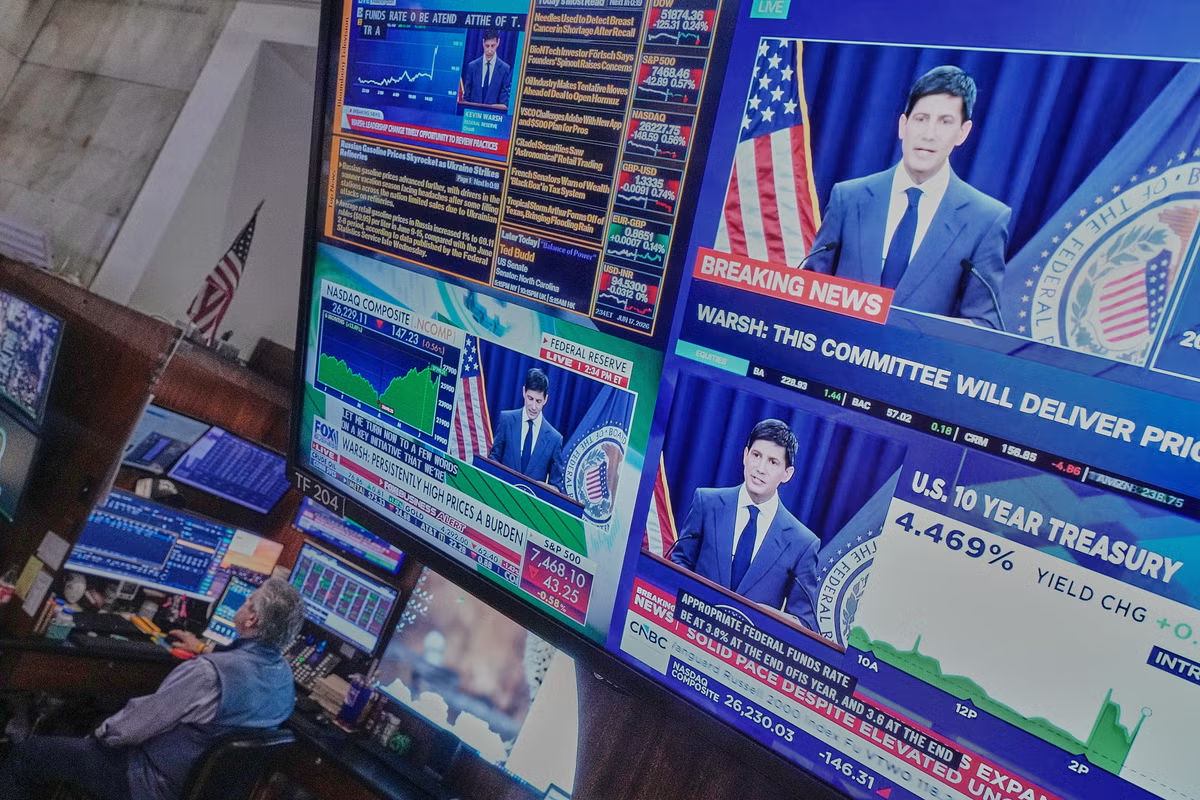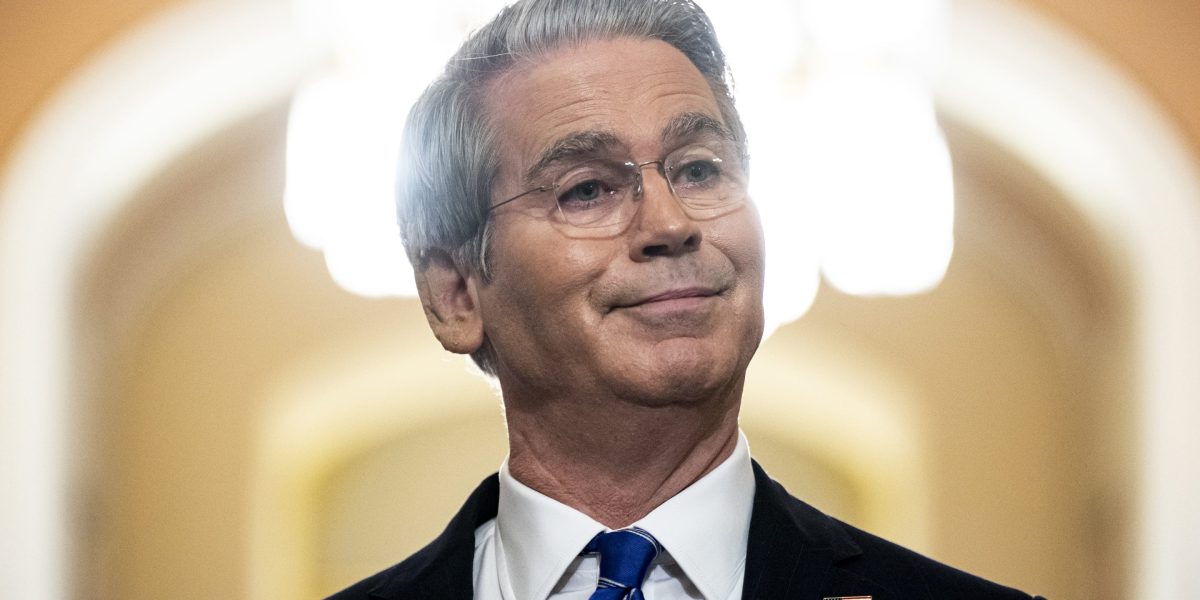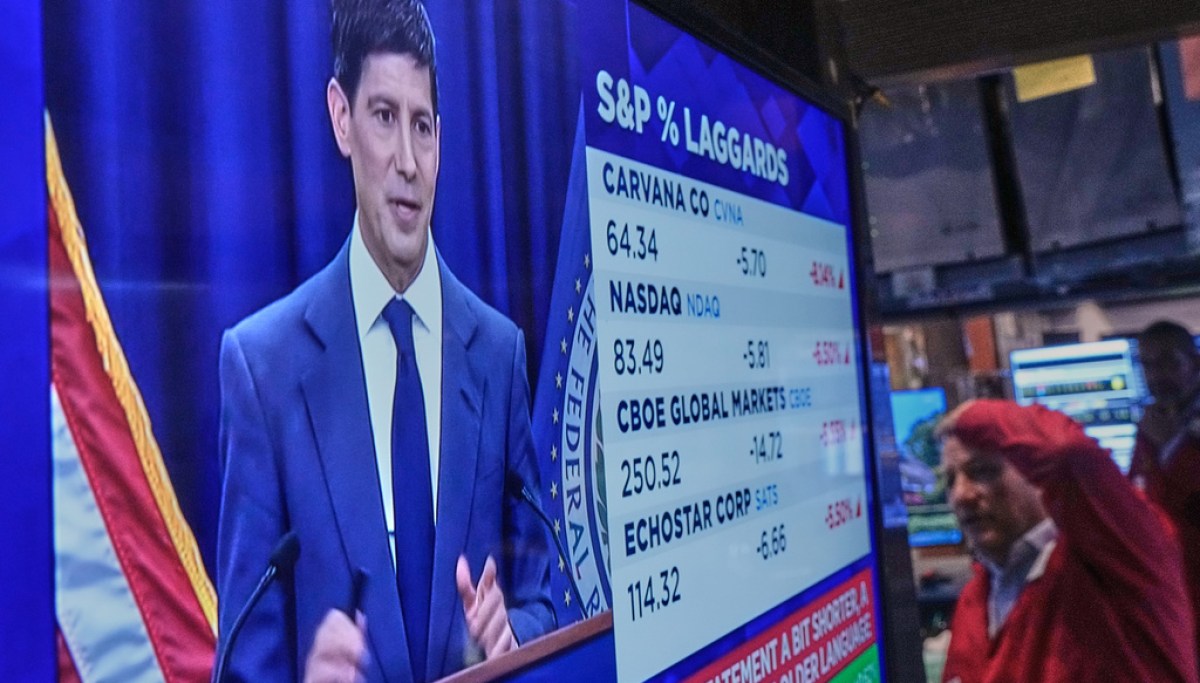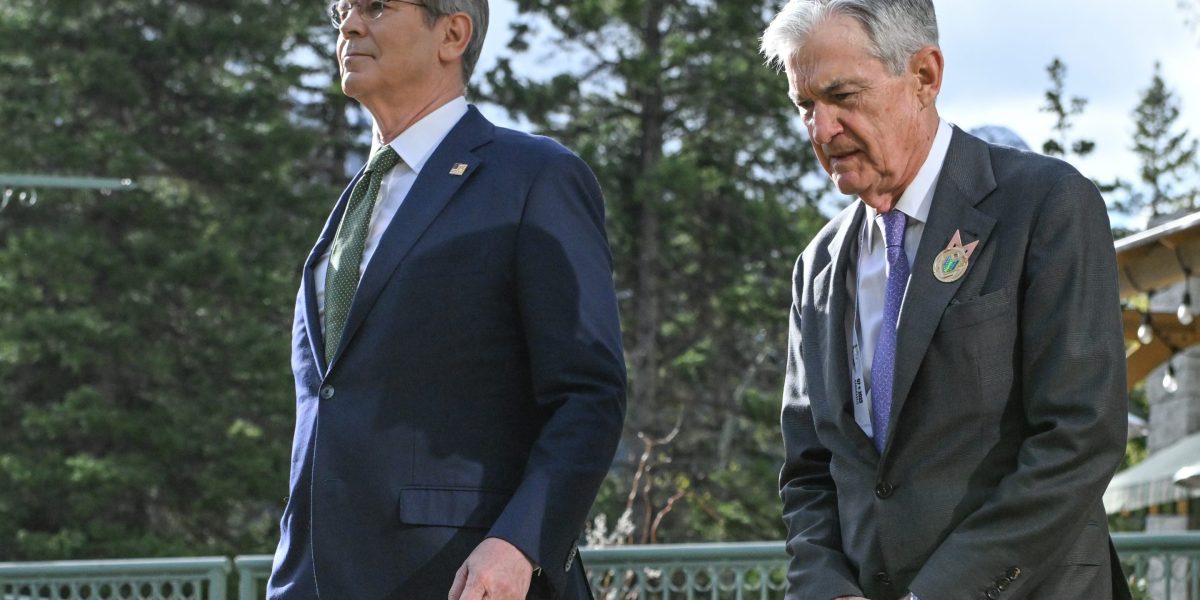
There have rarely been years when the Federal Reserve has been so carefully watched by the White House, investors, analysts, and the media, as this one. In 2025, the Federal Open Market Committee found itself in a one-sided battle with the Oval Office, with President Trump aggressively lobbying for the base rate to be lowered. (This, of course, came after aggressive lobbying from Trump before the election for the base rate not to be lowered.)
It was a battle that speculators couldn’t look away from, even if it made markets nervous to see politics seeping into the Fed’s corridors (literally—Trump’s visit to the Fed in July was only the fourth in U.S. history of the independent central bank).
The pressure from Trump may not have been as effective as he’d hoped, with the base rate still at 3.75 to 4%, but the attention on the central bank has remained. On a near-daily basis, markets are reacting to hints dropped by regional Federal Reserve bank presidents, Fed governors, Federal Open Market Committee (FOMC) meeting notes, and data which may colour the decision-making of the group.
And while members of the FOMC warn investors against reading into their apparent “hints” too closely, Treasury Secretary Scott Bessent is calling time on the influence these individuals now wield.