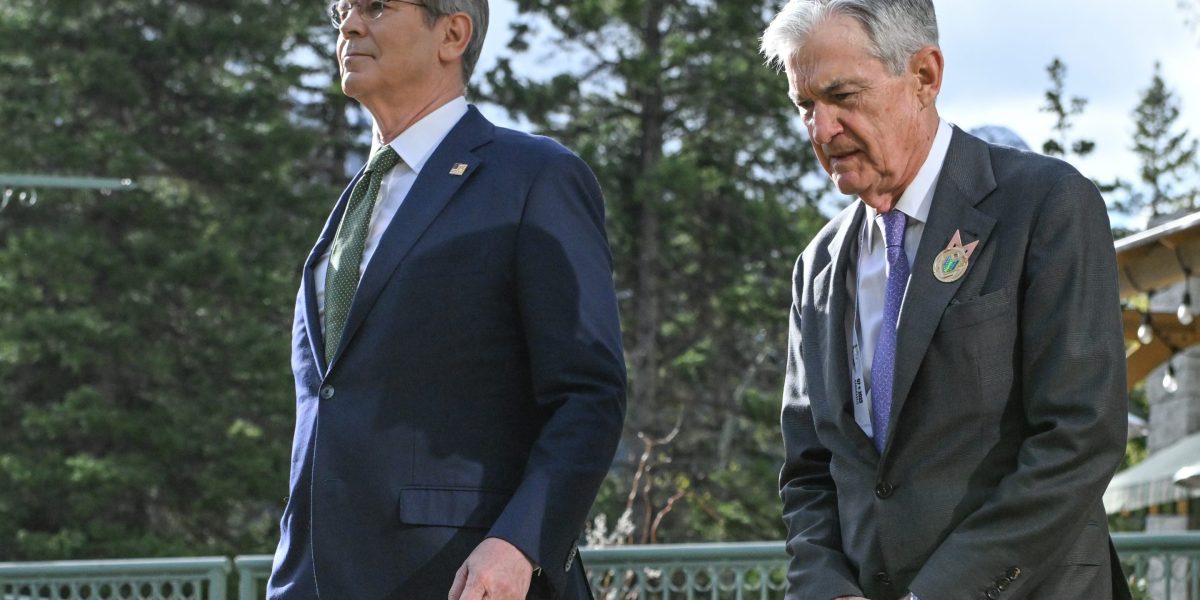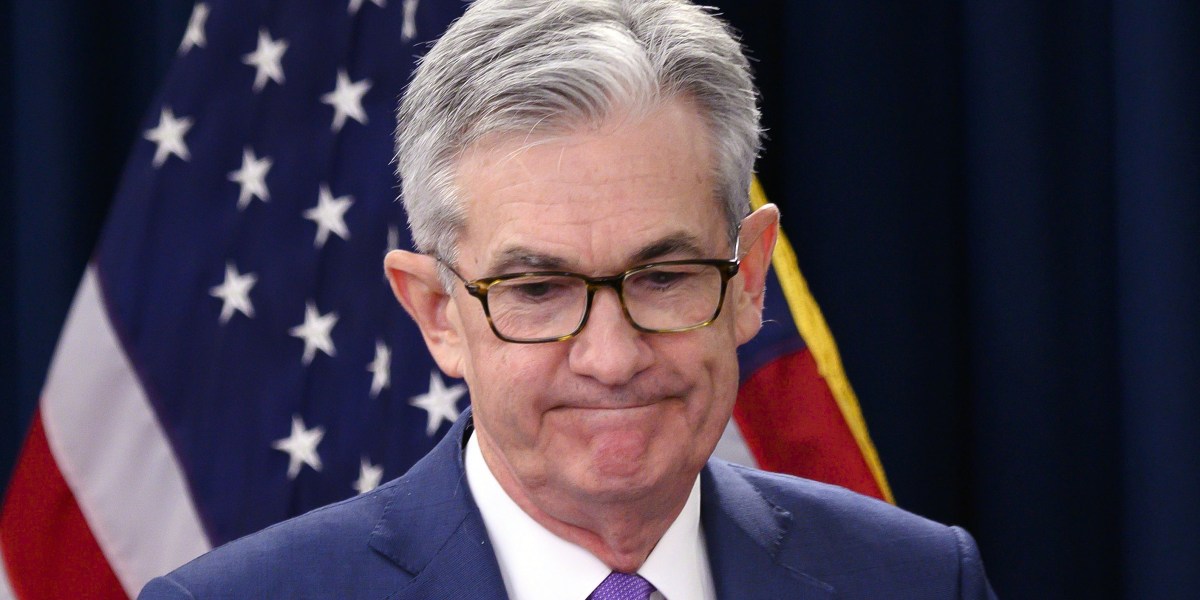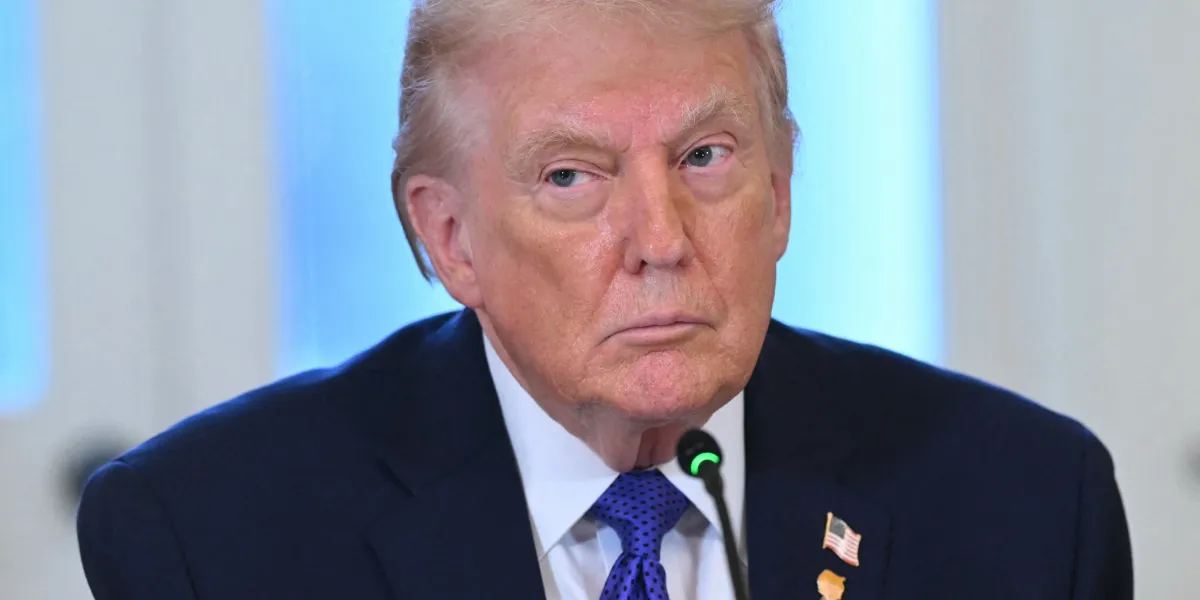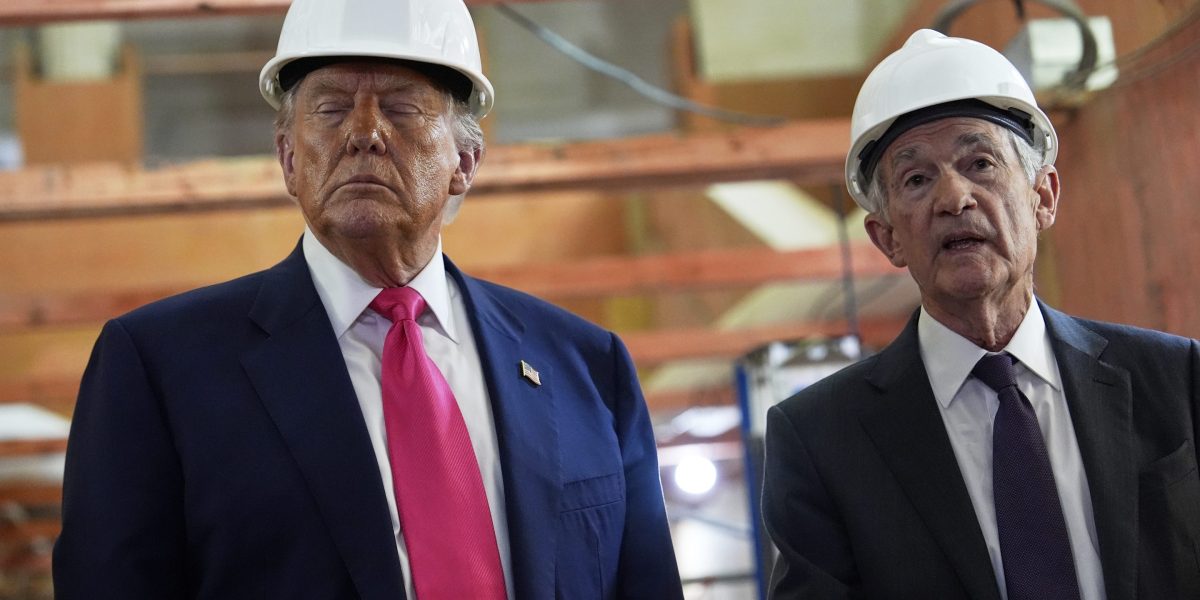
With Trump 2.0, markets and the media knew they would get their fair share of double-takes. For me, the image that springs to mind the most was the moment in July when the President of the United States showed up on the doorstep of the Fed, literally. Armed with a disputed list of costs for Fed building renovations, President Trump said that “generally” speaking he would fire a project manager who had gone over budget. The Fed’s Powell, looking visibly uncomfortable, had already provided a breakdown explaining that the project was on track, and he highlighted that Trump had included in his costings a building which was already complete. The Chairman of the Federal Reserve and the president stood stiffly, side-by-side, in matching hard hats, bickering on a building site, for all the world to see.
Trump’s visit to the Fed was only the fourth in U.S. history—the tradition is that the credibility of the central bank and the White House are both strengthened if neither attempts to interfere with the other.
The image summed up the conversations (off the record and, in recent months, increasingly nervously) I regularly have with sources—either within the Fed or at agencies working closely with the financial institution. In my catch-ups with these 10 or so people since January, their mood has shifted. Early on, there was optimism that the focus of politicians would pass (as it so often does). But as the months rolled by, they mentally battened down their hatches against an onslaught of insults, scrutiny, and unprecedented criticism.