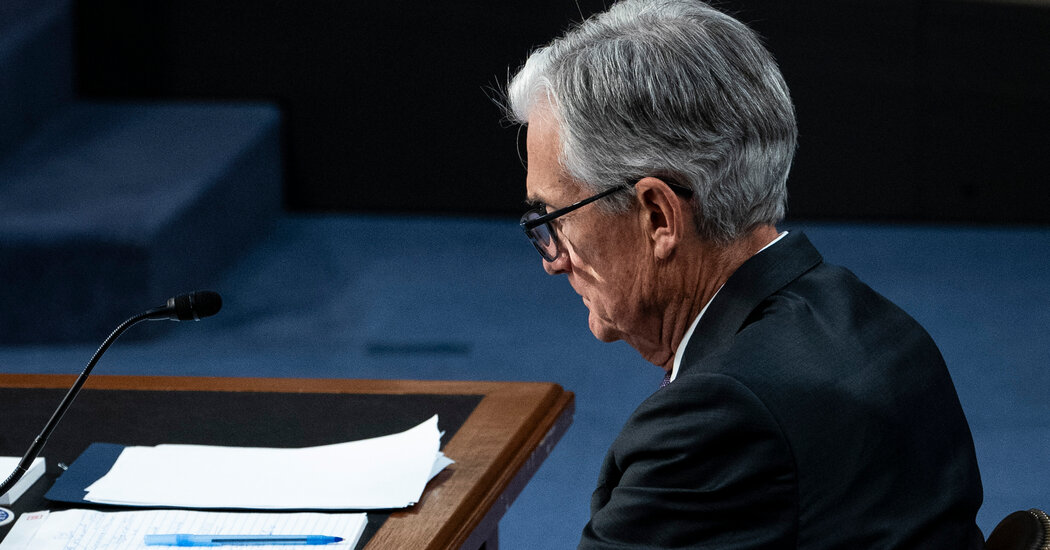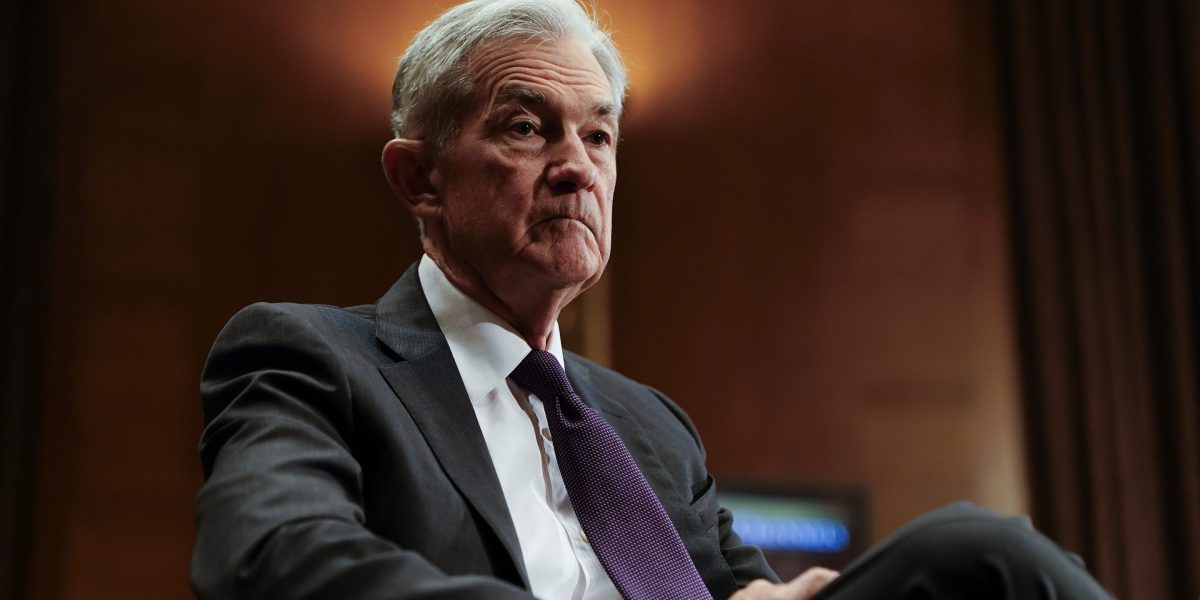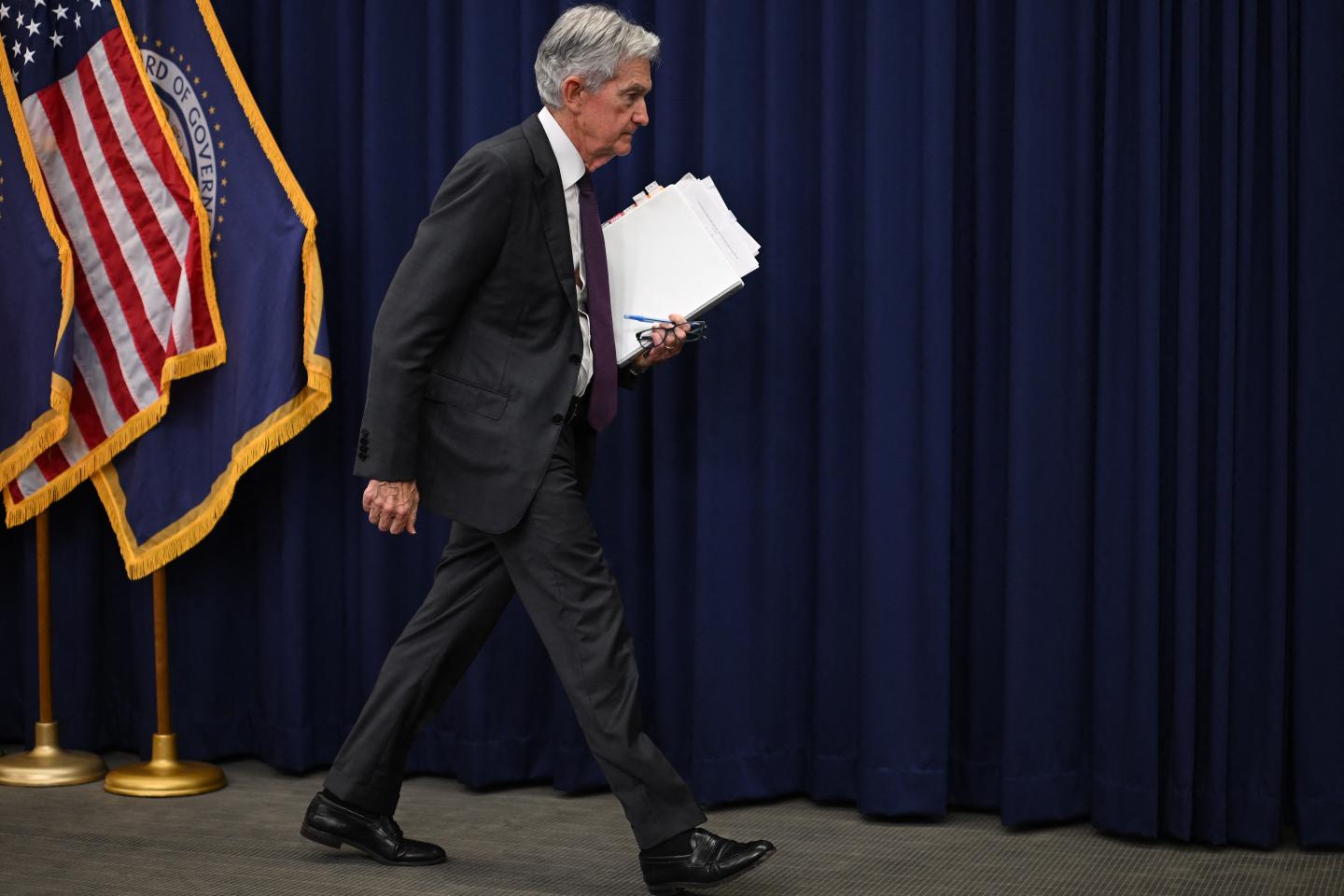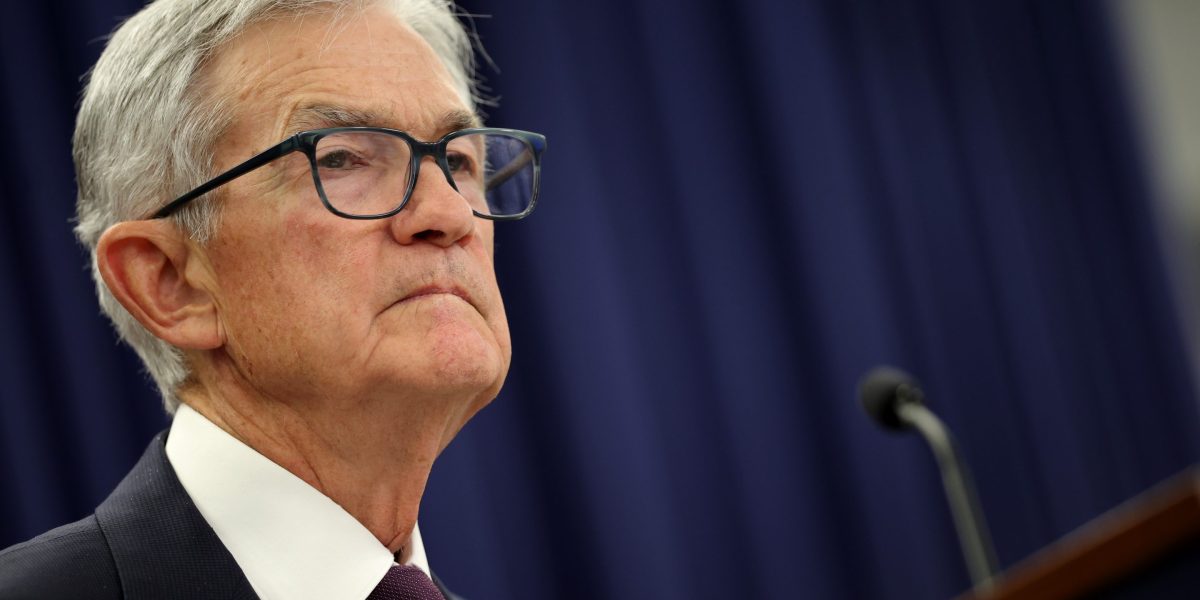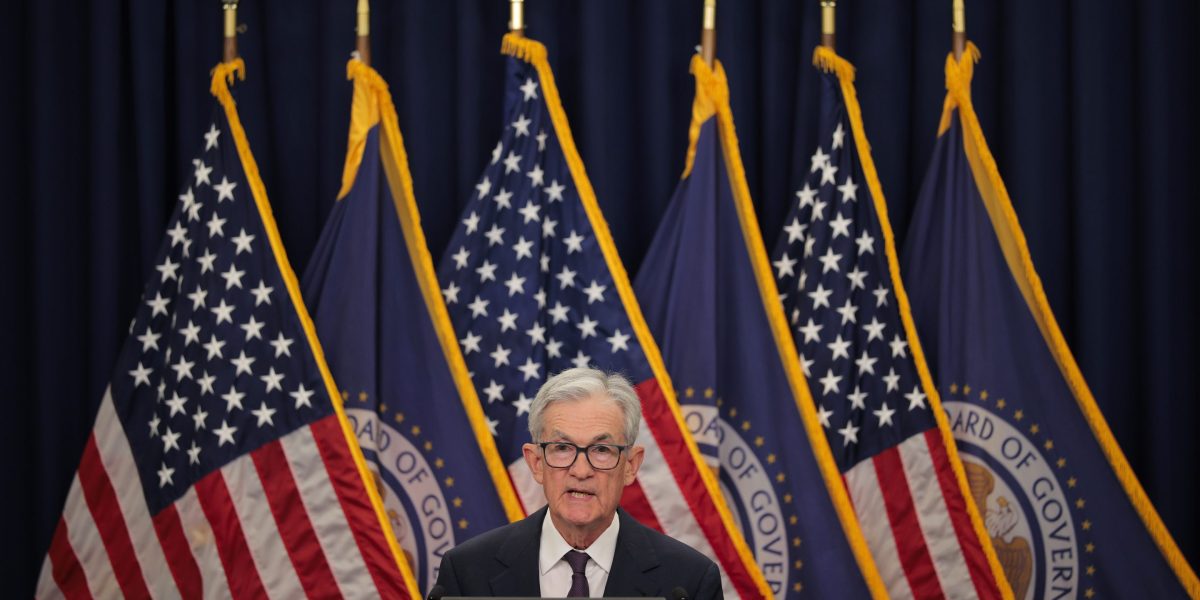
To cut or not to cut? Fed Chairman Jerome Powell has cautioned markets that lower interest rates might not come in December. But some members of the Fed’s Board of Governors, such as Stephen Miran, an appointee and ally of President Donald Trump, want lower rates. It’s unclear what path the Fed will take.
Markets want predictable interest rates. However, that isn’t the Fed’s job. Officially, the Fed has a three-part mandate: full employment, price stability, and moderate interest rates. An unspoken agreement between politicians and central bankers has made this a de facto dual mandate focusing on labor markets and price levels. Managing the money supply addresses both concerns.
We need to change how we think about monetary policy, however, or else we’re setting ourselves up to get repeatedly fooled. Adjusting interest rate targets is a means to an end. The interest rate is not the price of money, but rather the price of time. When you borrow, you’re renting capital. Interest rates reflect the value we place on having capital right now, as opposed to later.
We need interest rates to adjust in response to supply and demand in investment markets. When economic fundamentals change—for example, when the labor market contracts—interest rates should fall. Stability can be a bad thing if it prevents flexibility.