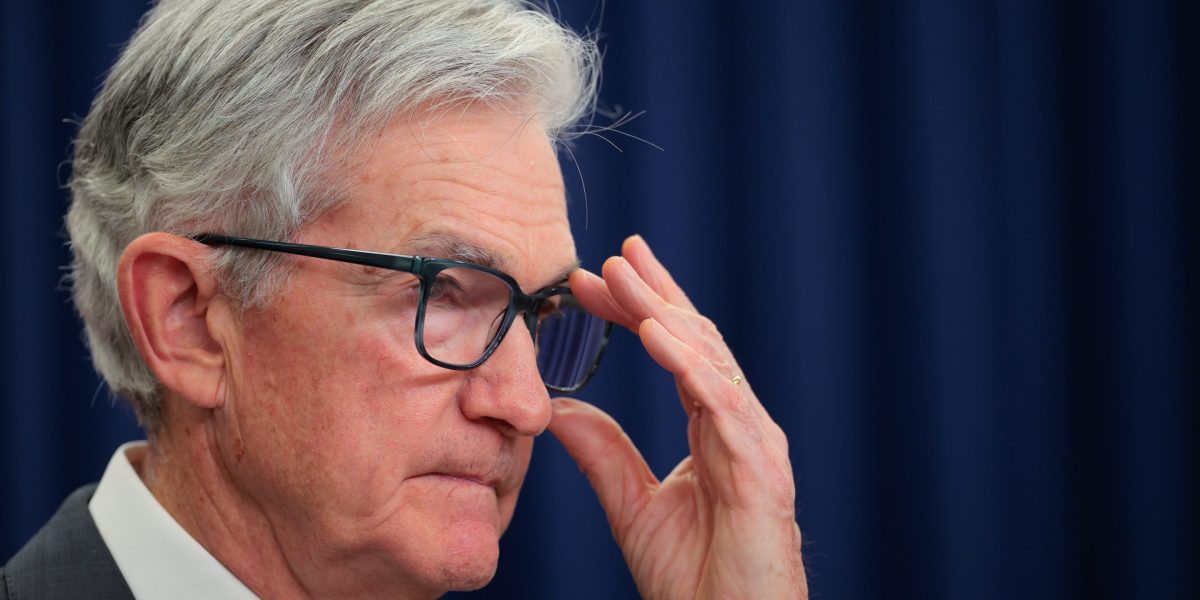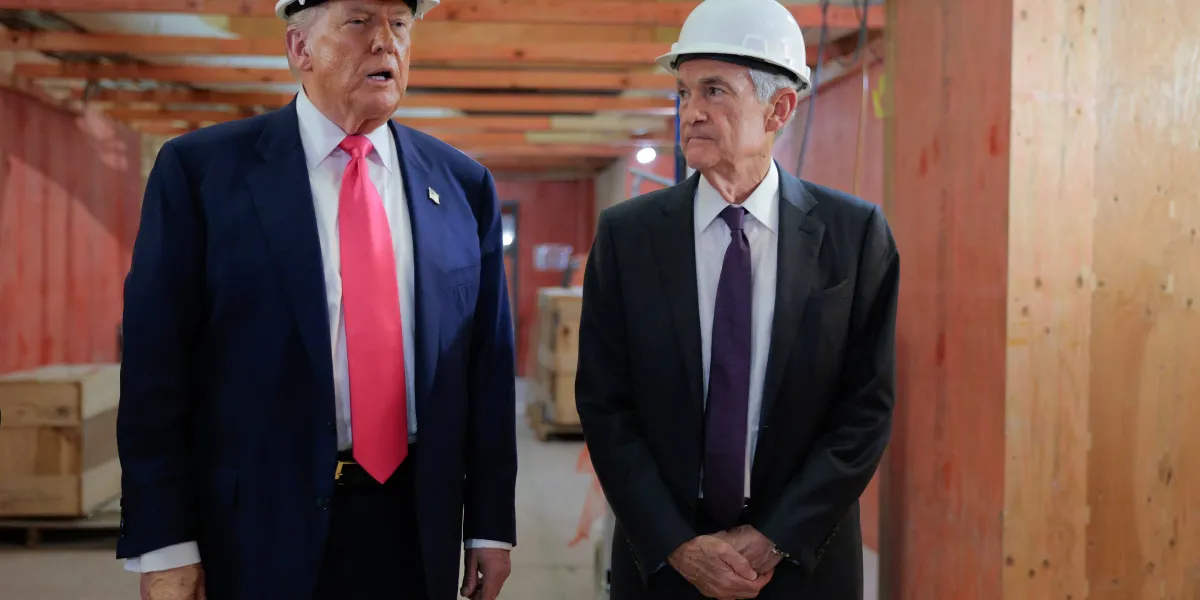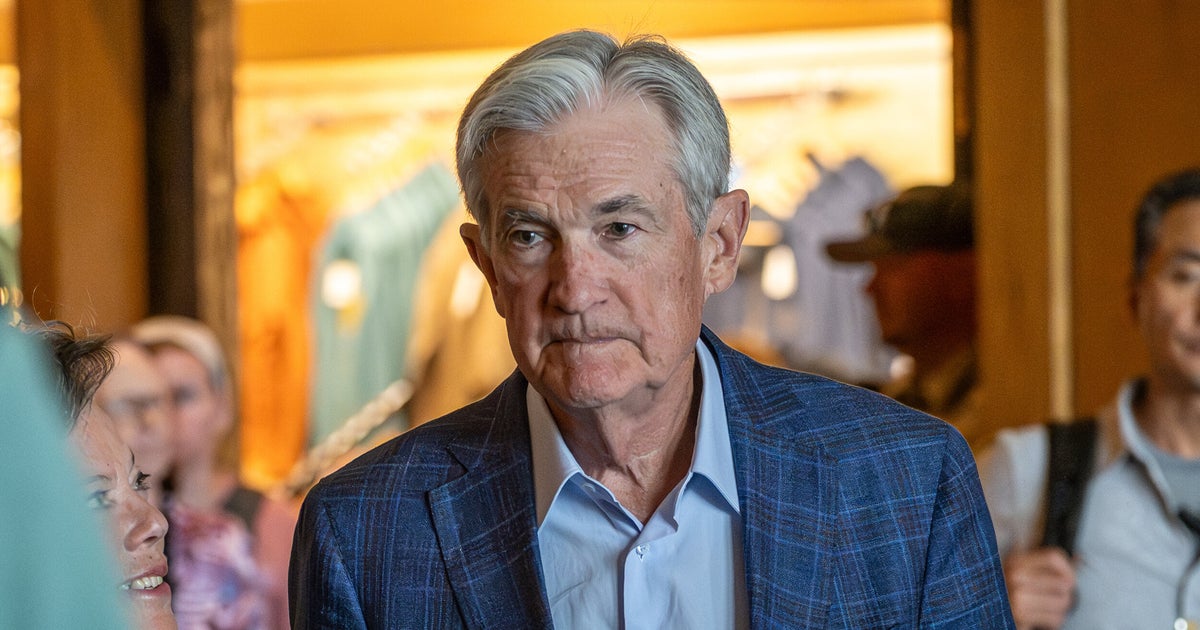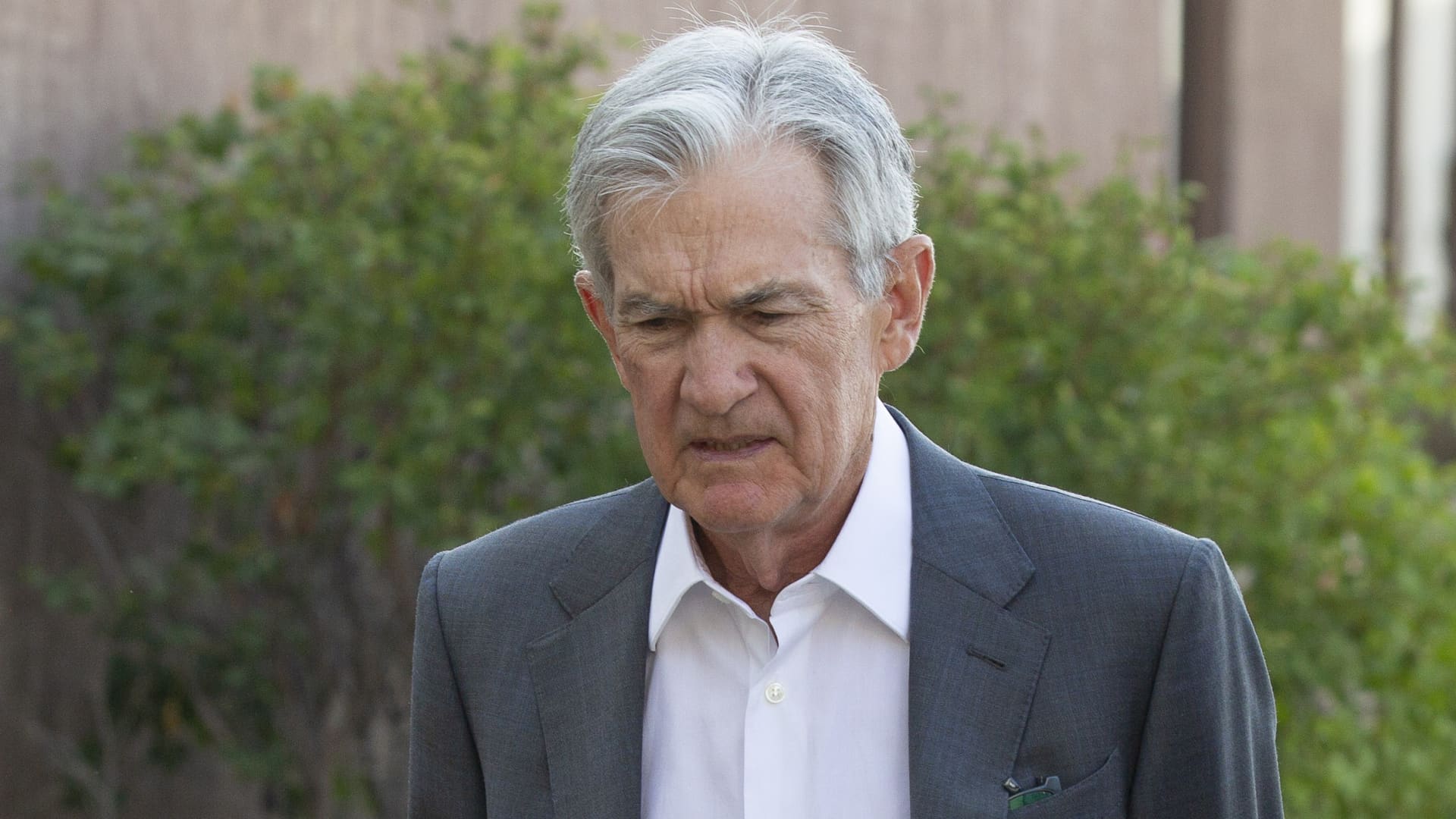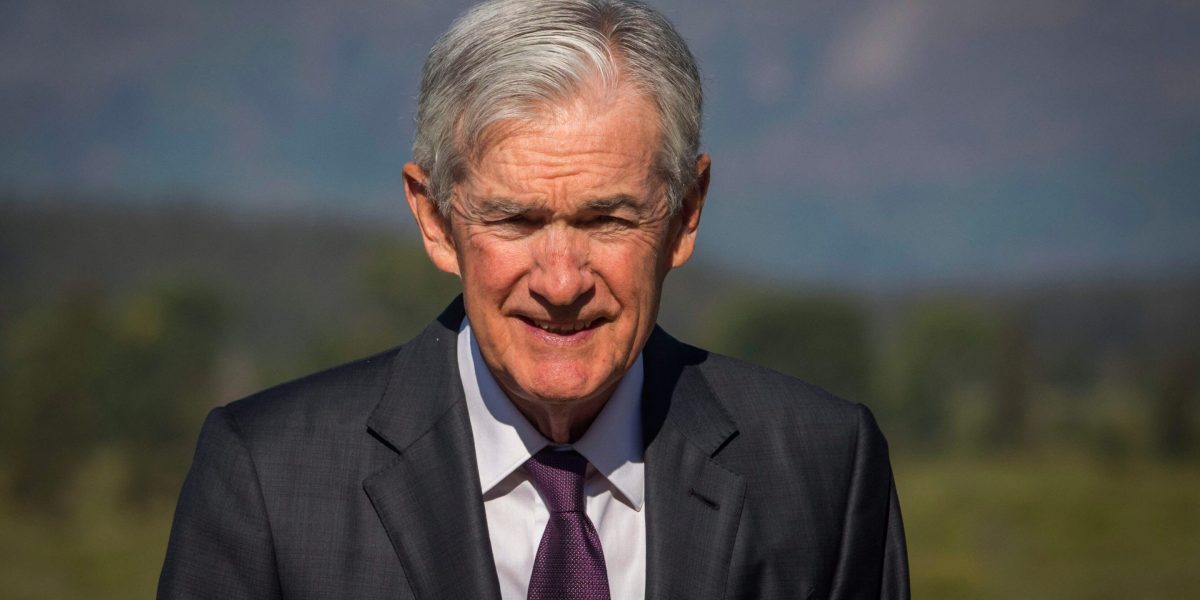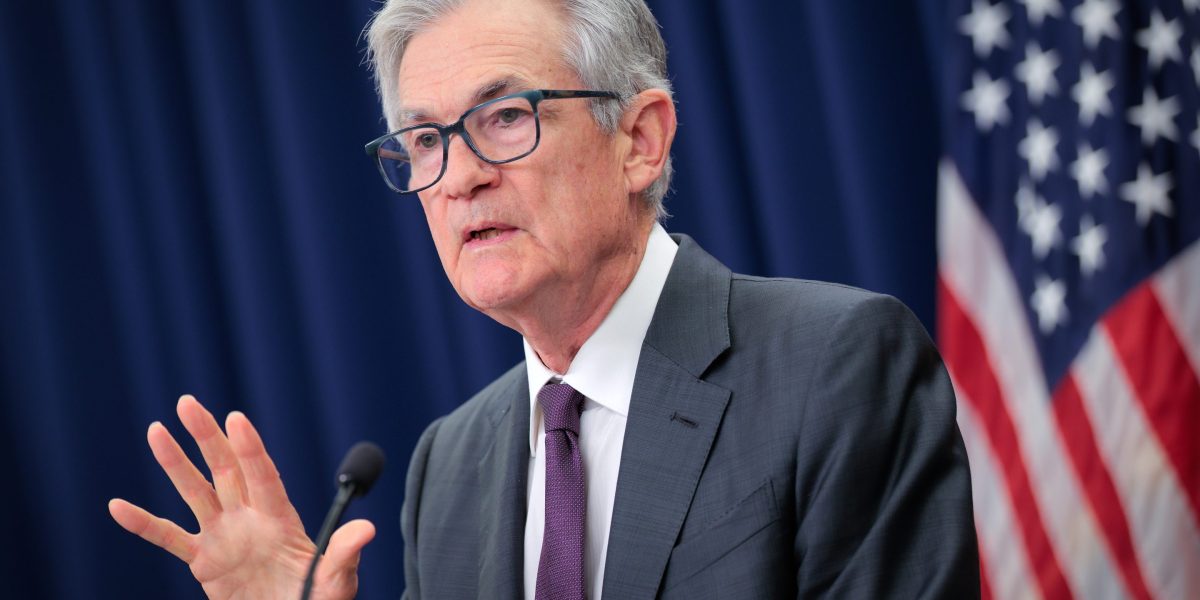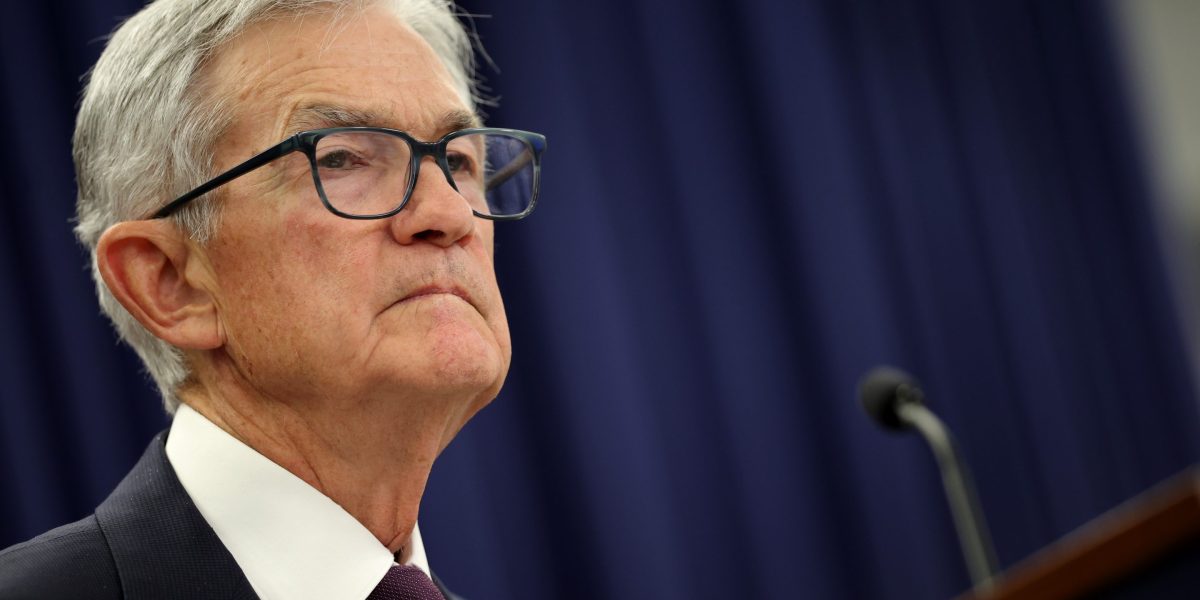
While the bridge between President Trump and Fed chairman Jerome Powell has been well and truly burned, the outgoing central bank chief may yet set the stage for further interest rate cuts that the White House has so doggedly pursued over the past 12 months.
Powell’s stance throughout much of 2025 was wait-and-see, frustrating the Oval Office, which wanted a sharp base rate cut. While economists widely expected a couple of cuts in 2026, perhaps one or two under Powell, the bulk of reductions and a hold at lower rates are expected to come under his successor, Fed nominee Kevin Warsh.
But deteriorating data from the economy may encourage the rate-setting Federal Open Market Committee (FOMC) to act before Powell’s tenure ends in May.
A key motivation for cuts—the most recent of which came in December—can be found in the job market. Maintaining stable, and as close to full, employment as possible is one of the mandates of the Fed, meaning the FOMC may act if it believes lowering the base rate could stoke economic demand, and the jobs market as a result.
The labor market has steadily deteriorated over the past half a year: Not necessarily in the form of the unemployment rate which has held fairly steady at around the 4% mark, but rather the breakeven jobs number needed to maintain that unemployment rate has shrunk. That means fewer and fewer roles are being created, so any uptick in layoffs or a rise in the labor force (because immigration out of the U.S. had slowed, for example) would have an outsized impact on the unemployment rate.