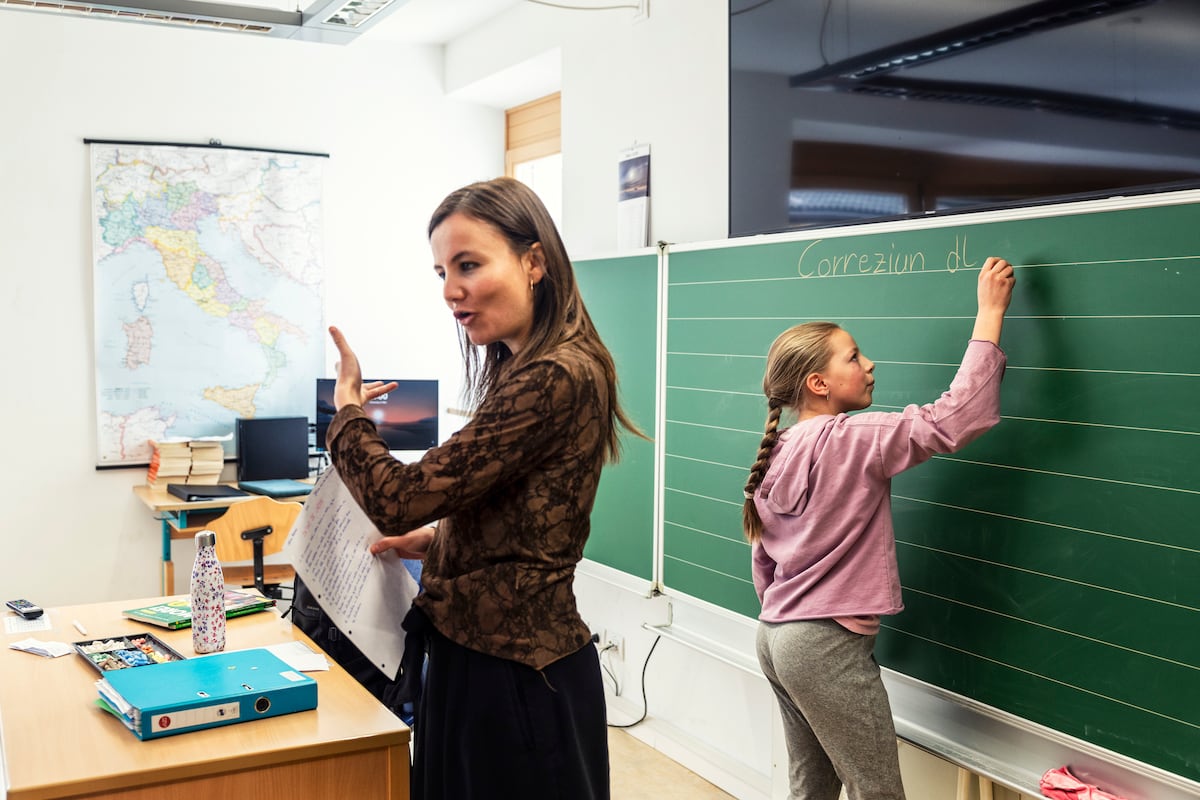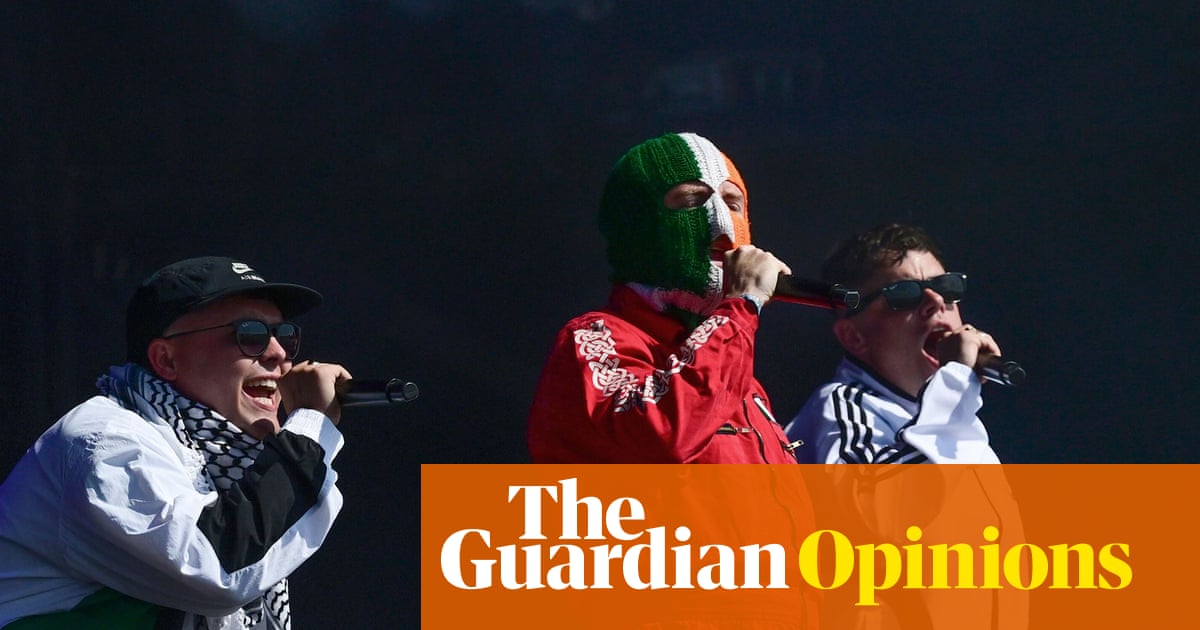
What does it mean to lose a language? And what does it take to save it? Those were the big questions being asked in Barcelona recently
T
here’s an Irish saying, tír gan teanga, tír gan anam: a country without a language is a country without a soul. Representatives of some of Europe’s estimated 60 minority languages – or minoritised, as they define them – met in Barcelona recently to discuss what it means to lose a language, and what it takes to save it.
Language diversity is akin to biodiversity, an indicator of social wellbeing, but some of Europe’s languages are falling into disuse. Breton, for example, is dying out because its speakers are dying, and keeping languages alive among young people is challenging in an increasingly monolingual digital world.
Catalan, which is spoken by about 10 million people, is the poster child of successful minoritised languages. Thanks to decades of linguistic immersion in public education, from nursery to university, about 93.4% of the population can speak or understand Catalan, in addition to Spanish. Both are co-official languages in Catalonia, and the result is a culture that is almost completely and unselfconsciously bilingual.