For all the talk of addressing the problem, things have got worse. Which is criminal when there is so much we could do
L
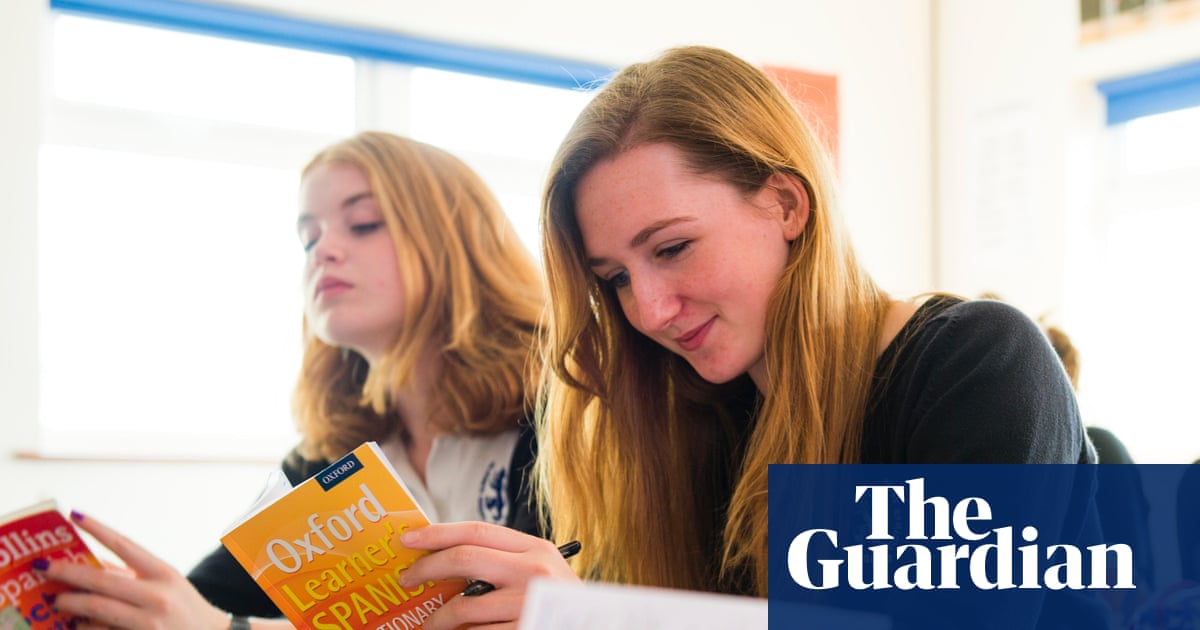
ots of people told me to not study languages – including my own (monolingual) dad. “You’re never going to be as fluent as a native speaker,” I remember him saying when I was deciding on my university degree. “Why bother?”
A little more than a decade later, I’ve collected a wealth of experiences. I’ve staffed Sotheby’s Madrid reception desk, I’ve taught theatre and English to Syrian children excluded from mainstream schools in Beirut. I’ve given a speech on sustainable development goals for Arab audiences at the UN, and I’ve trained journalists in Ecuador’s most dangerous city. I’ve dated men I’ve wanted to, swatted off men who I didn’t, sung songs, cooked recipes, all in languages that are not my native tongue. And most important of all? I’ve changed my dad’s mind.
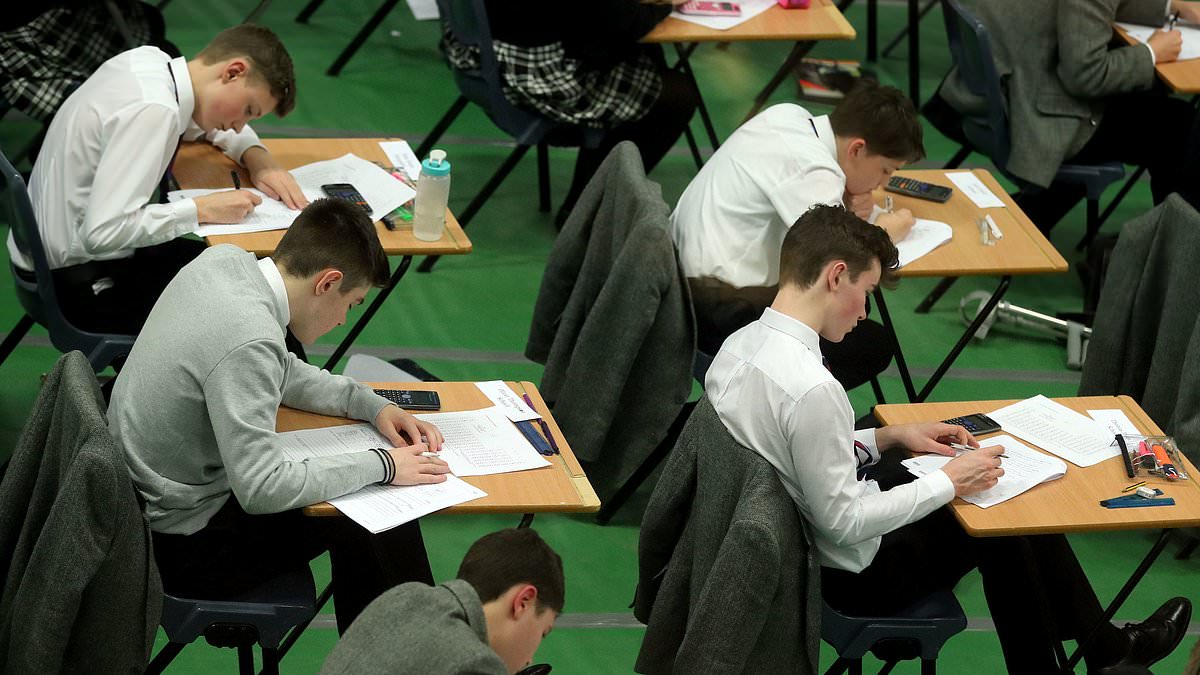
Nick Gibb, the former schools minister, was right this week when he told the Times that the UK’s decline in language-learning is “damaging to our reputation as a global player”. Our international counterparts are far more multilingual than us; in Europe, we are among the least likely to speak a second language. Brits were not always poor language learners – in 1997, we reached a high point where 82% of boys and 73% of girls were entered for a modern language at GCSE – but by 2018, that had sunk to 50% of all girls, and only 38% of boys.