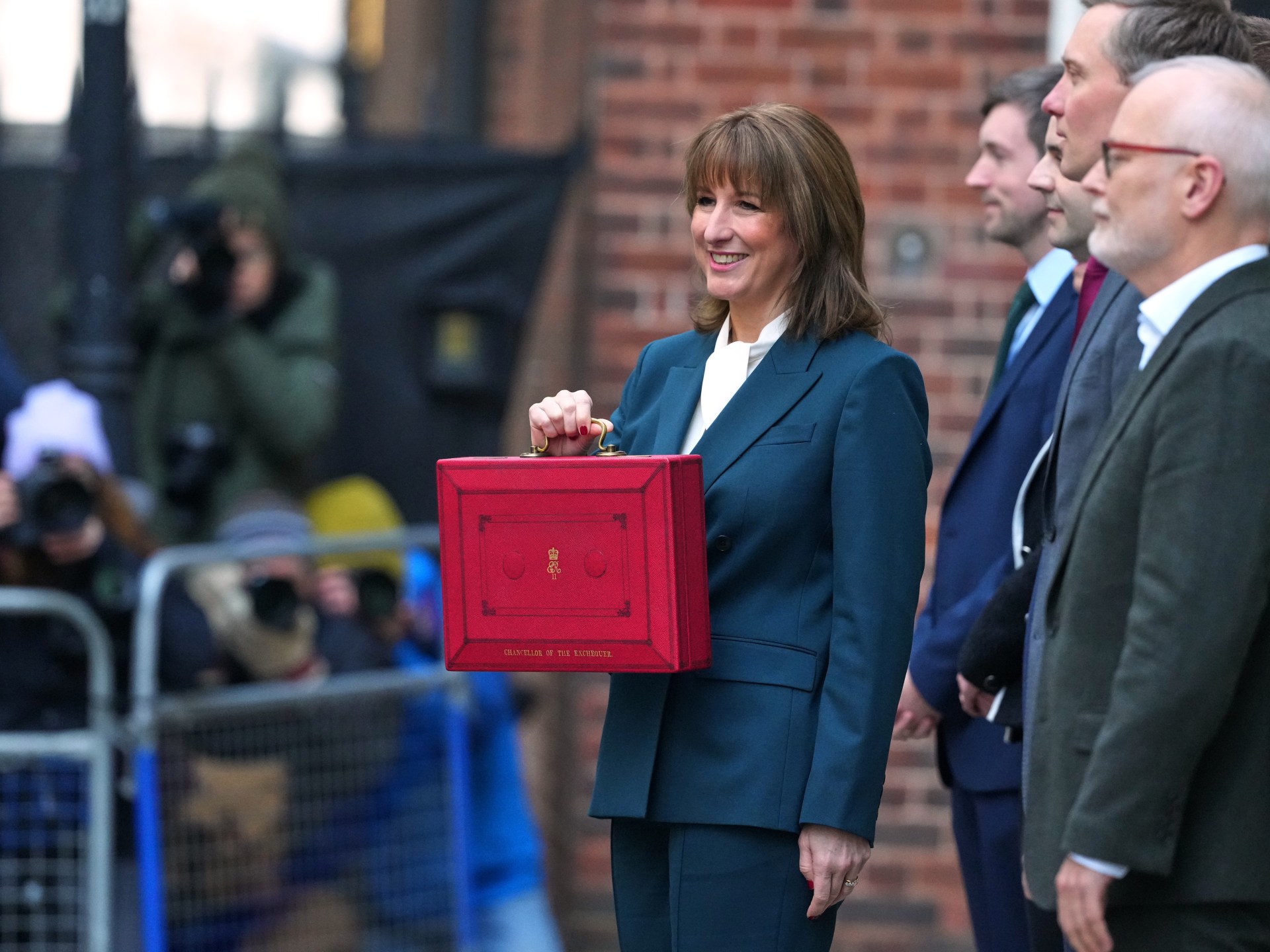
The run-up to this year’s U.K. Autumn Budget has been different from the norm because so many different tax proposals have been floated, flagged, leaked and retracted in the weeks and months leading up to Wednesday’s statement.
This “kite flying” of policy proposals — designed to test public and market reaction to an idea before committing to it — has attracted criticism, with analysts saying it has caused confusion and uncertainty for the public, business community and investors.
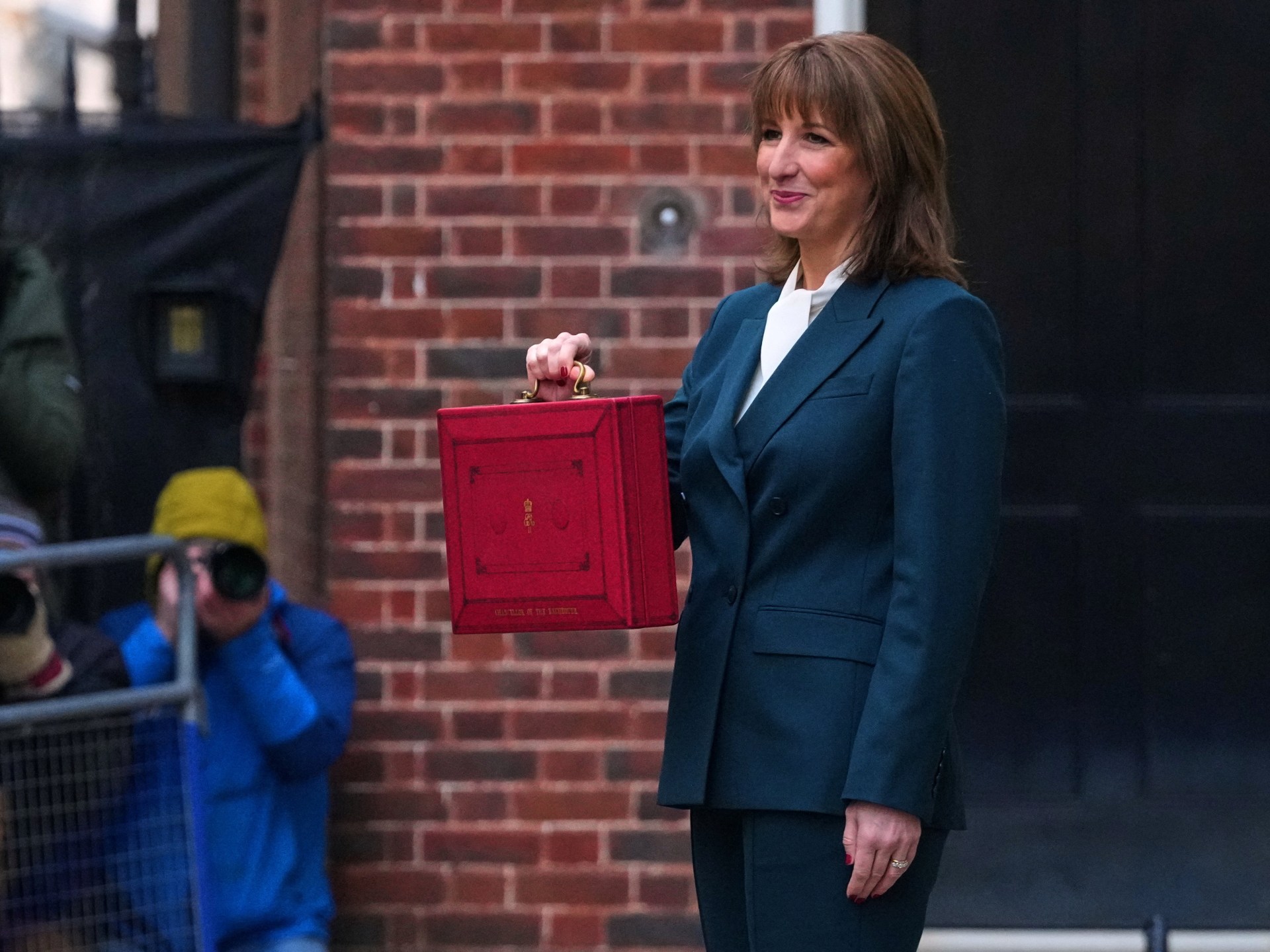
It has also made it harder to gauge what we’re going to get when Finance Minister Rachel Reeves finally unveils her spending and taxation plans for the year ahead.
Businesses have pleaded with Reeves not to launch another tax raid on them after last year’s budget saw industry bear the brunt of around £40 billion ($52.5 billion) in tax rises, with increases to employer payroll taxes and the national minimum wage.
While business may not be off the hook this year, Reeves’ promise not to repeat that raid has meant that workers, the wealthy, property and pension contributions are now being seen as other potential sources of extra revenue for the Treasury.