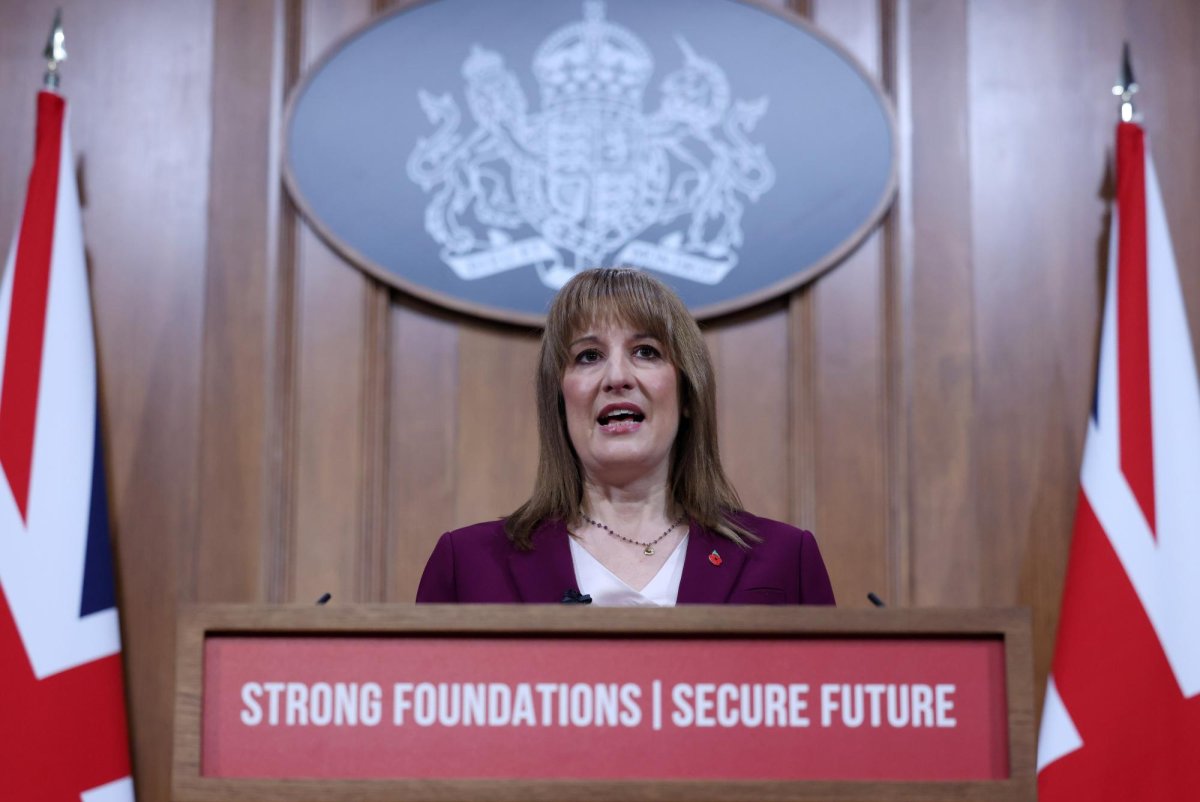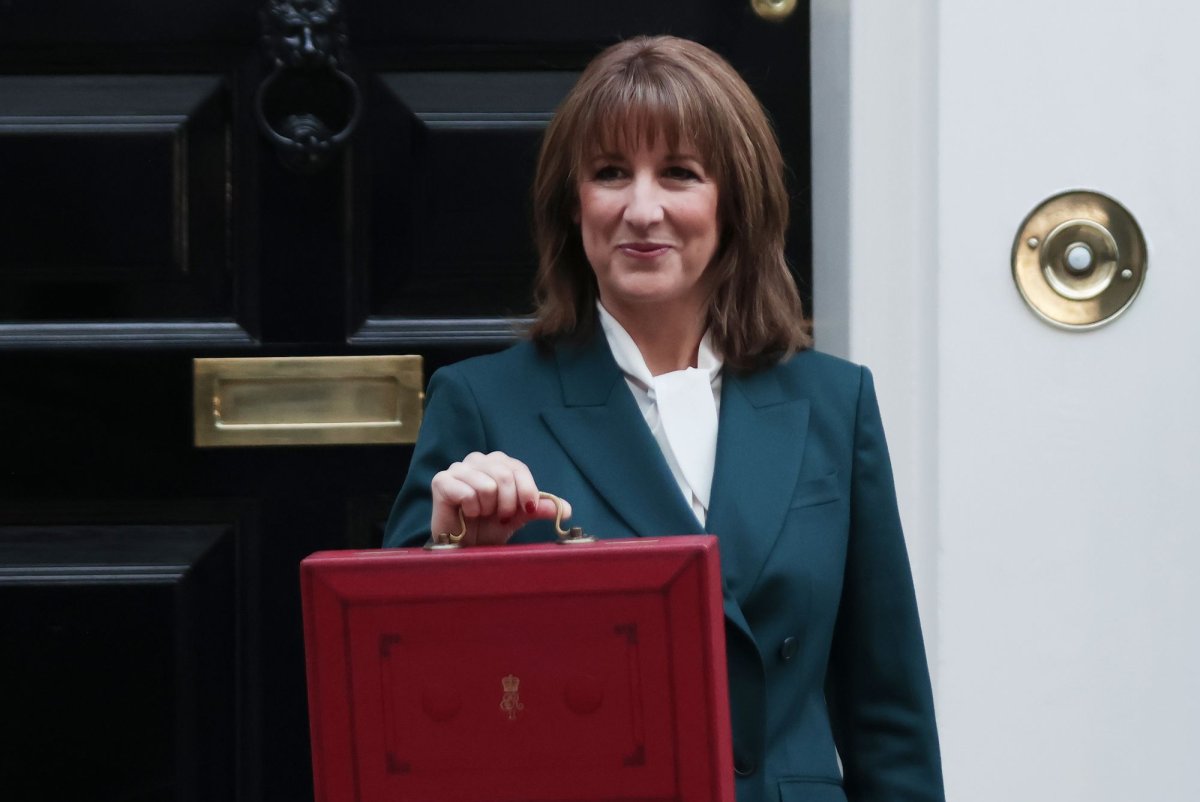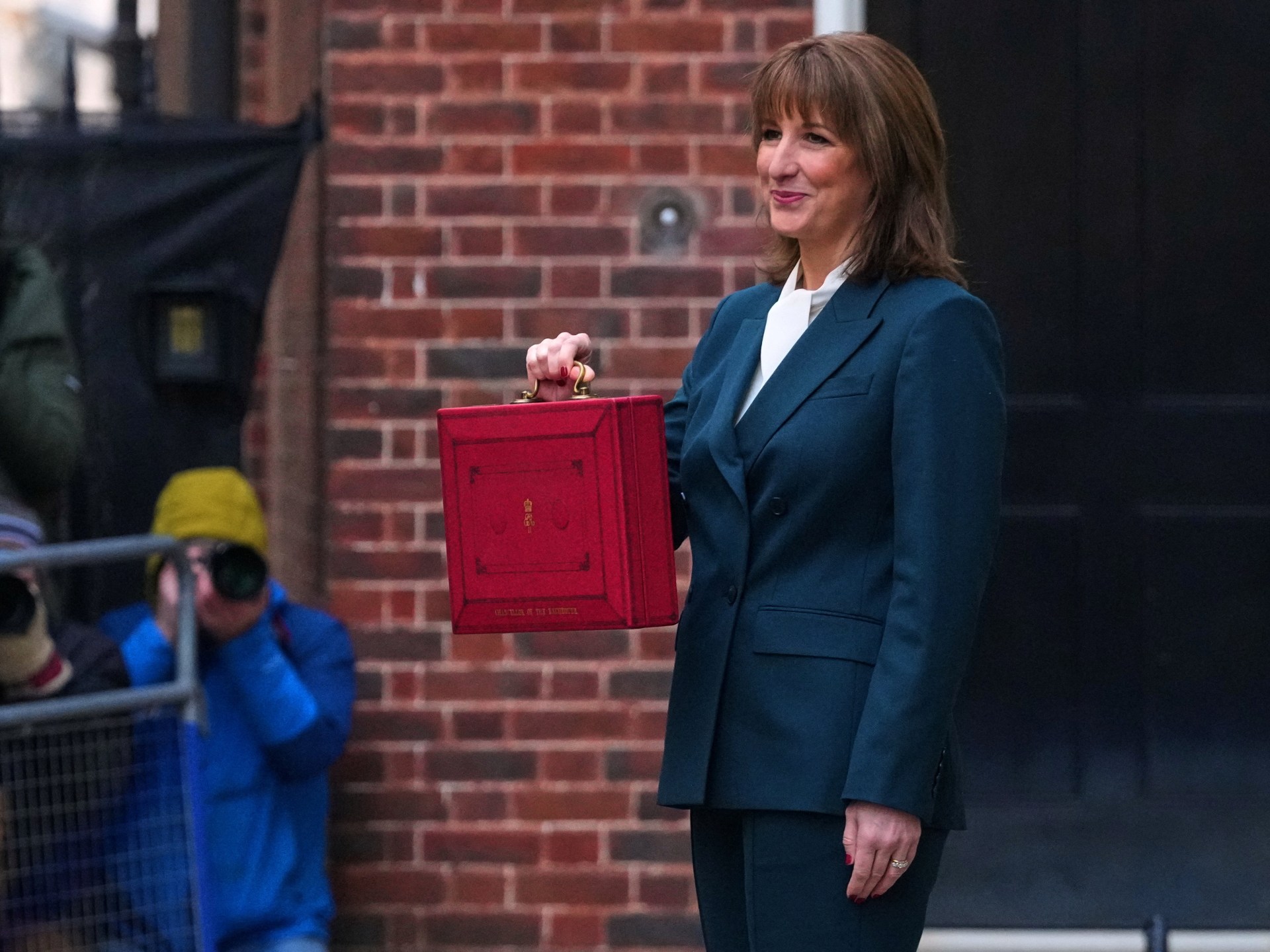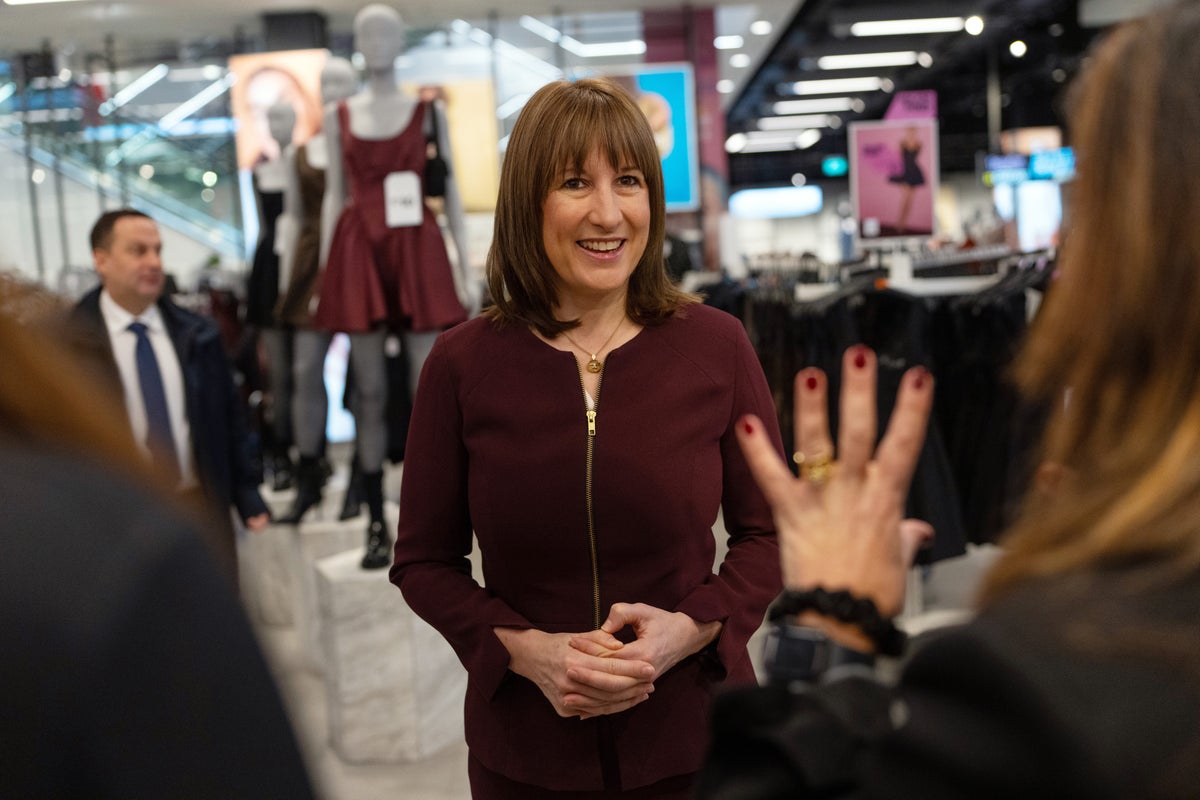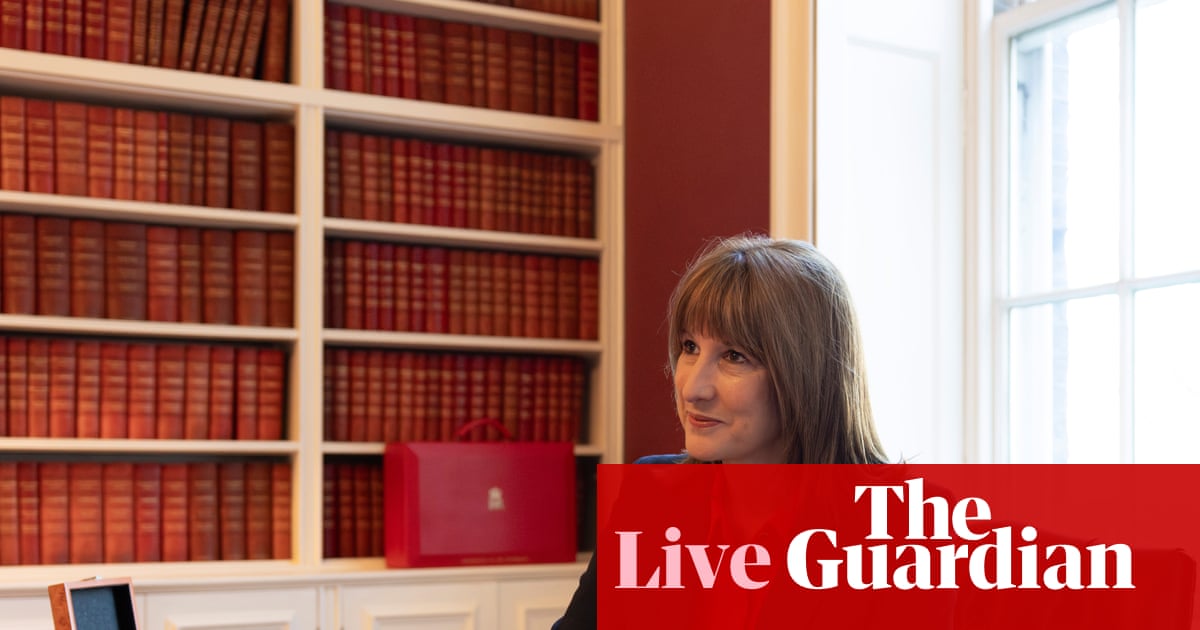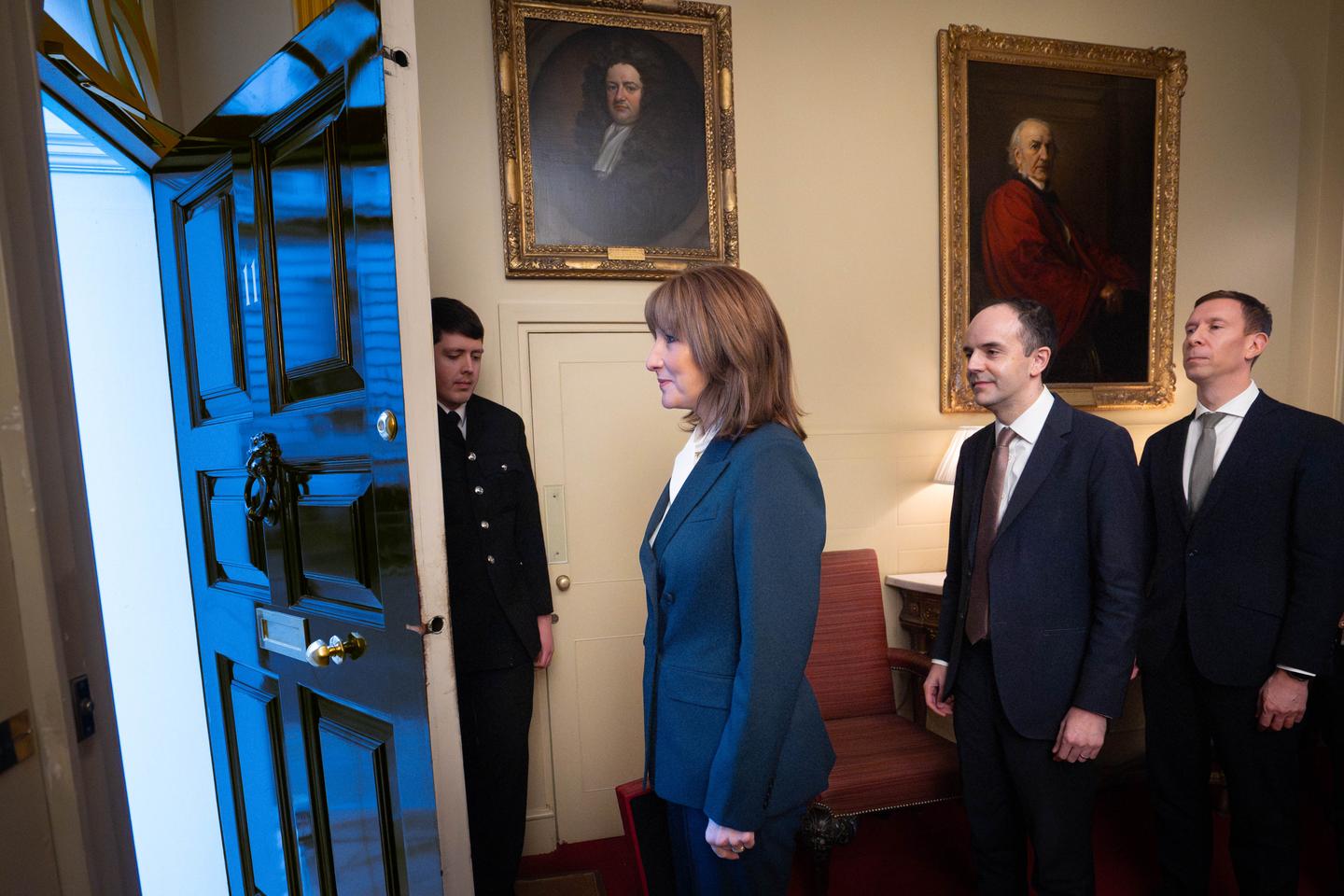
British Chancellor of the Exchequer Rachel Reeves, followed by Chief Secretary to the Treasury James Murray and Financial Secretary to the Treasury Lord Spencer Livermore, before presenting the budget to the House of Commons at 11 Downing Street in London, on November 26, 2025. STEFAN ROUSSEAU/AP
Have Keir Starmer and Rachel Reeves managed to secure their short-term political futures? Wednesday, November 26, marked the unveiling of the UK budget – a high-stakes event for the prime minister and his chancellor of the Exchequer, both so unpopular in the polls that Labour colleagues and MPs have openly discussed replacing them just 18 months after the party's historic general election victory.
"Those are my choices: not austerity, not reckless borrowing," said Reeves from the House of Commons as she announced unprecedented tax hikes, but also the reinstatement of welfare benefits previously cut by Conservative governments.
For the first woman to serve as chancellor in UK history – a 46-year-old former economist at the Bank of England – the challenge seemed immense. She needed to calm the fears of Labour MPs, squeezed between the Green Party on their left and the far-right Reform UK party, which has overtaken Labour in the polls. Reeves also had to reassure the markets, jittery over the state of public finances. According to the Office for Budget Responsibility (OBR), a public agency guiding Treasury decisions, UK public debt stood at 95% of GDP in 2025 and the budget deficit was still at 5.1% of GDP in March 2025.