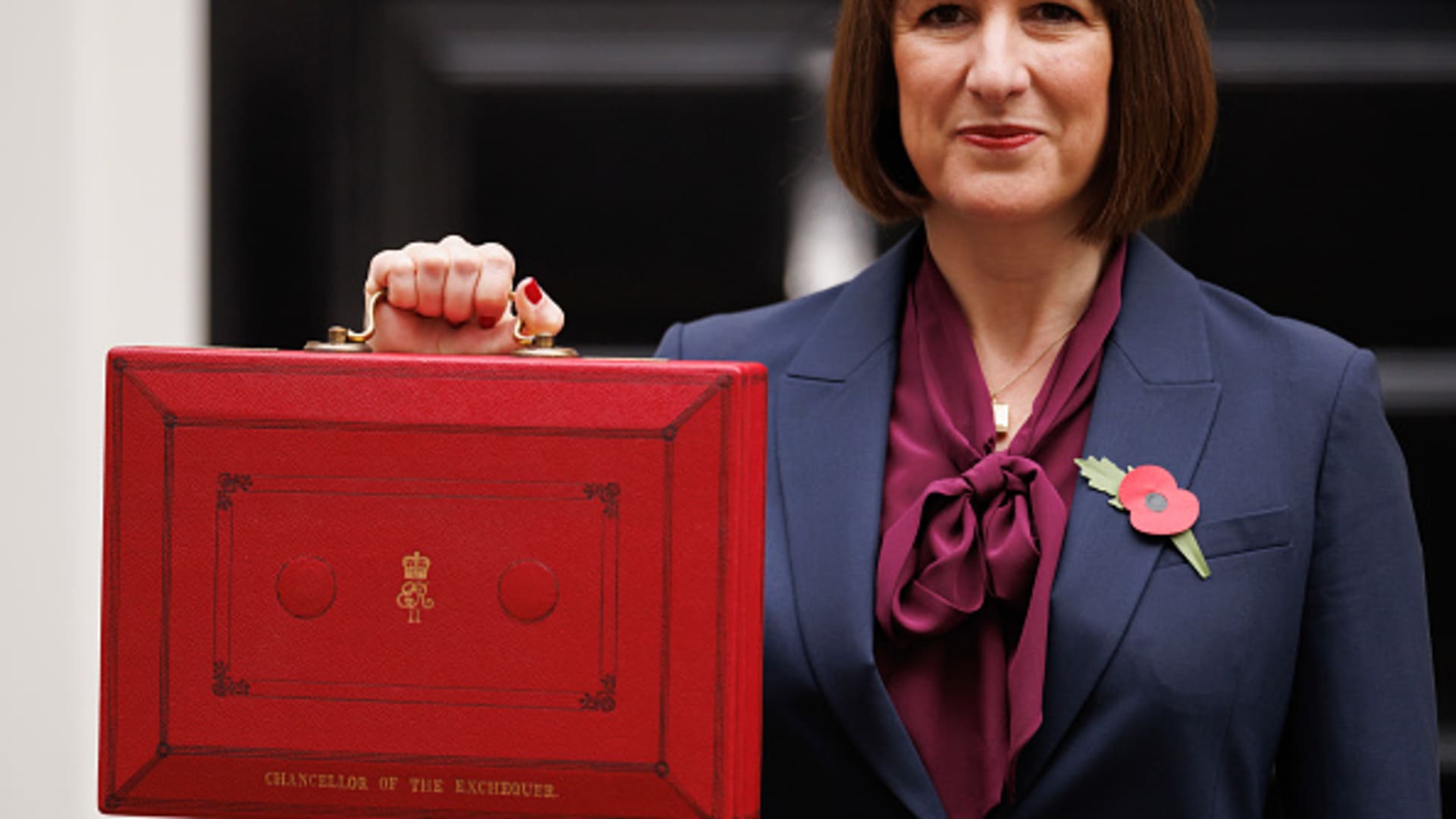
The Autumn Budget is always a significant event in the calendar for financial markets, but that has never felt more true than this year, with investors having a laser focus on Chancellor Rachel Reeves’ spending and taxation plans.
Those self-imposed “fiscal rules” — which were set in stone by Reeves last year and which she has refused to tweak — have been accompanied by higher borrowing costs, lackluster growth and U-turns on welfare spending cuts, leaving her with an estimated budget shortfall of around £20-35 billion (around $26-46 billion) and with little choice but to raise taxes to fill that fiscal hole.
Tax rises are seen widely as inevitable because if she were to break her rules — which aim to make sure day to day spending is funded by tax receipts, and to ensure public debt is falling as a share of economic output by 2029-30 — that could cause a ruckus in the gilt market, with the U.K.‘s borrowing costs likely to rise as creditors could question Reeves’ self-discipline and grip on expenditure.
Market strategists agree that Reeves must stick to her own rules and that a selection of tax rises are likely in order to placate investors.
They warn that the chancellor will have to go further than that, however, with investors wanting to see measures to cut spending, boost economic growth and reduce inflation, helping the Bank of England continue on a rate-cutting path that could resume in December and into next year.