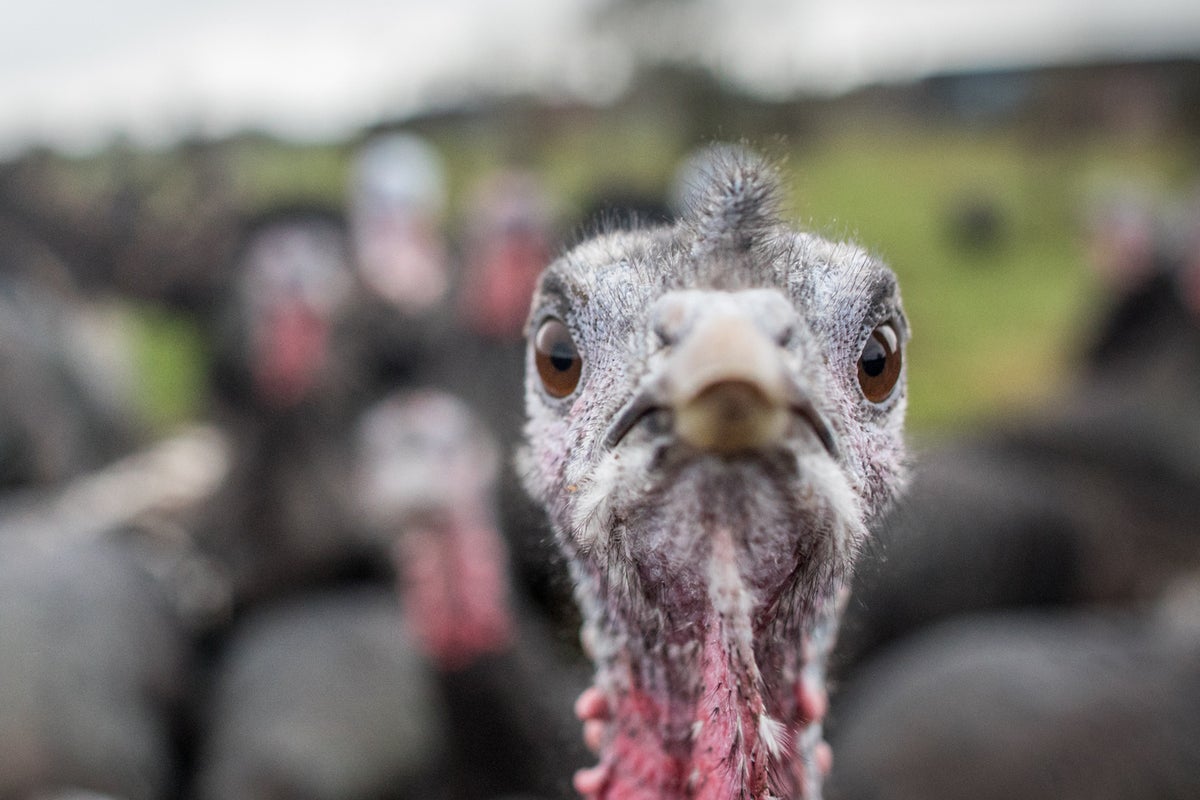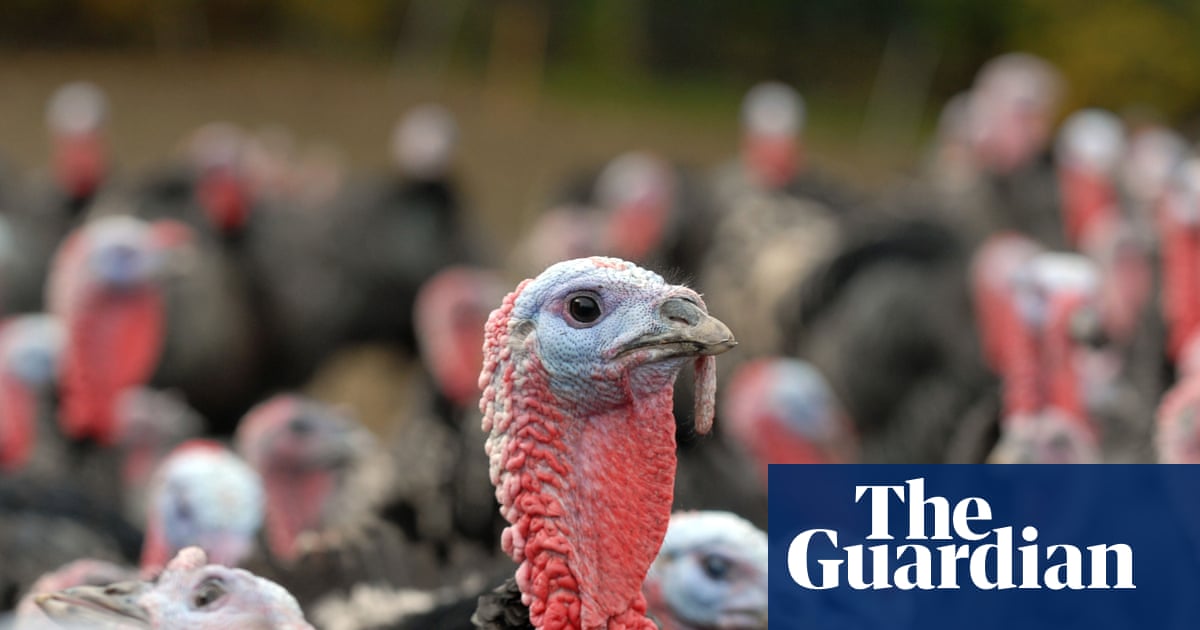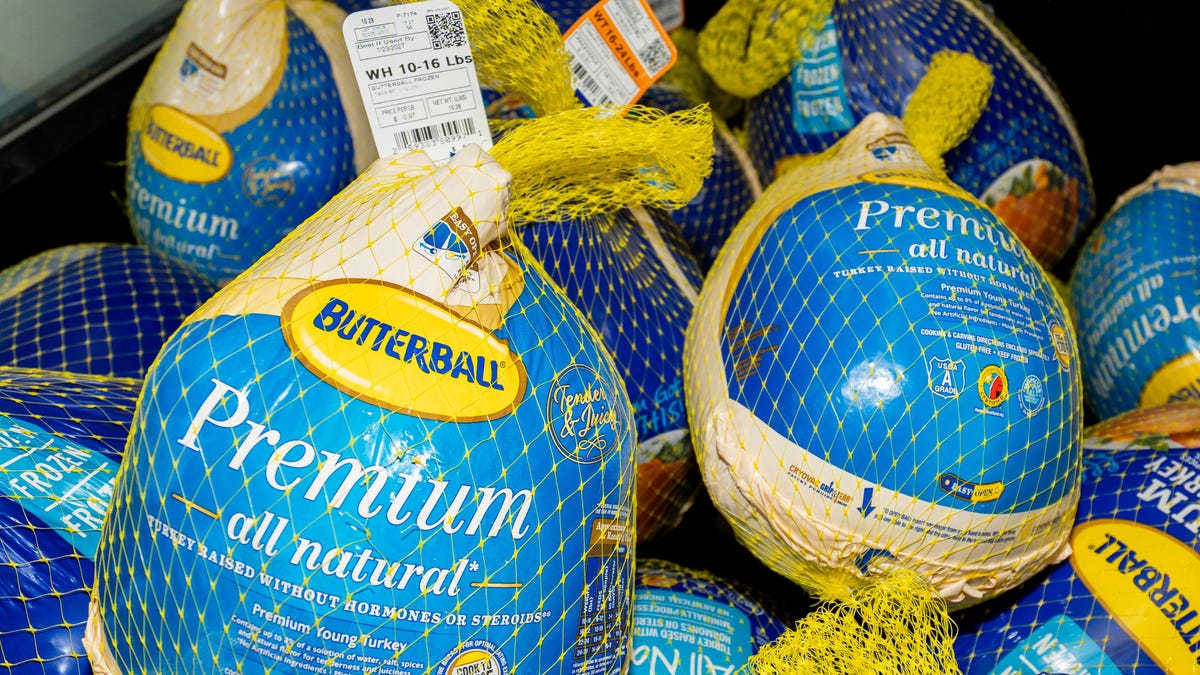
Thanksgiving turkeys might gobble up more of your wallet this year as bird flu ruffles supply chains, although the impact may not be felt the same nationwide.
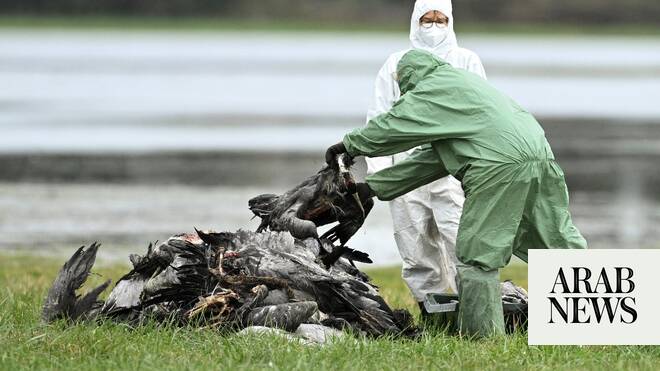
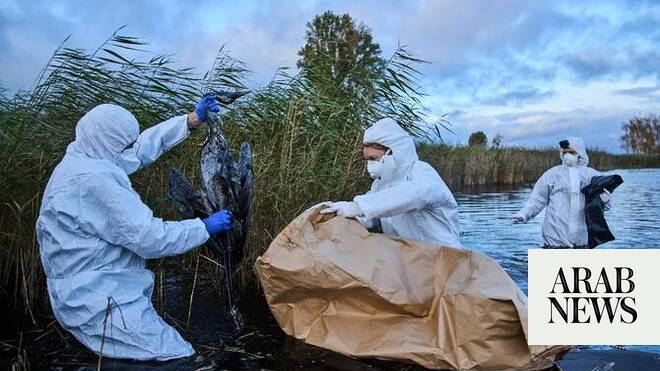
The H5N1 strain of highly pathogenic avian influenza (HPAI), commonly known as bird flu, has been spreading among commercial flocks of birds in the United States since Feb. 8, 2022. H5 bird flu is widespread in wild birds worldwide and is easily transferable to backyard flocks or those used for mass food production.
Other animals are also susceptible, with dairy herds, cats, dogs and humans having been known to become infected, according to the Centers for Disease Control and Prevention (CDC).
Inflated food prices are already on the minds of Americans in the lead-up to the holidays, and bird flu has the potential to hinder Thanksgiving festivities, specifically. Will you be greeted by sky-high prices or poultry purchase limits when you head to the store for a holiday shop? Here's what we know.
According to the latest USDA data through Nov. 21, 1.82 million birds were confirmed as being impacted by avian flu in the last 30 days, including 38 commercial flocks.