PARIS: An unprecedented number of bird flu outbreaks among wild birds and their wide geographic spread are driving an early and strong wave of the disease in Europe this year, the European Food Safety Authority said on Thursday.
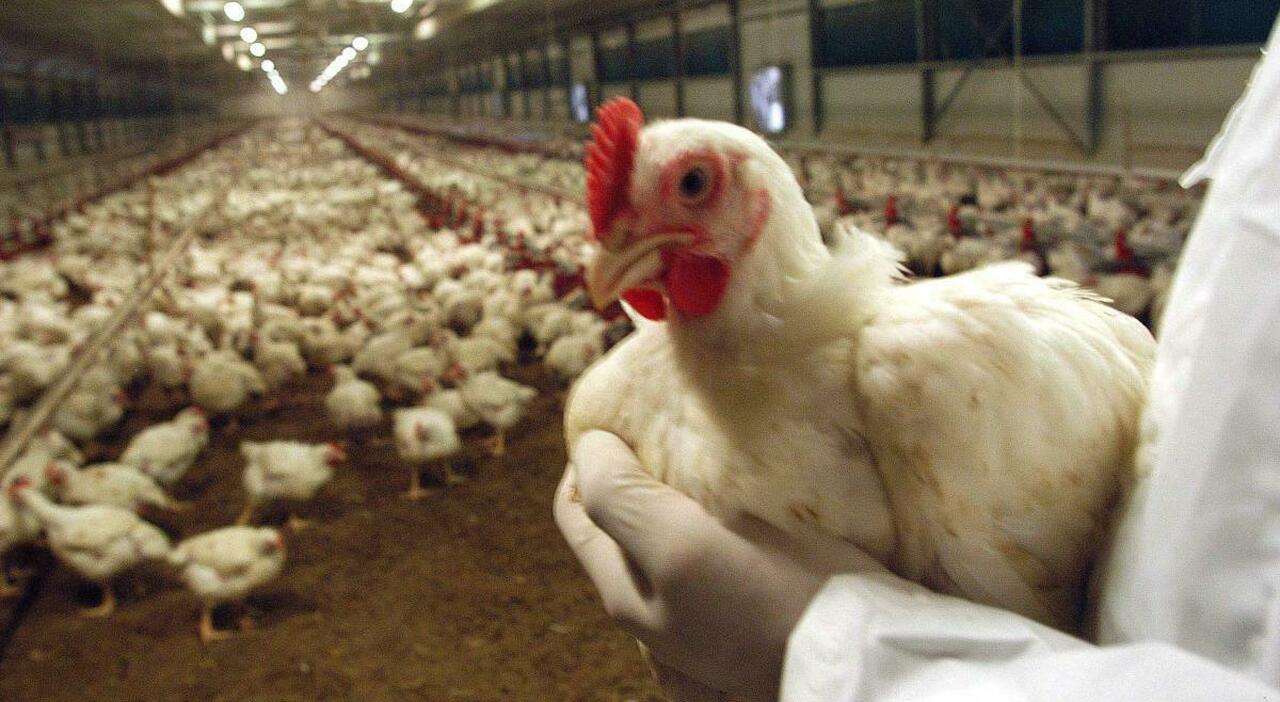
Highly pathogenic avian influenza has led to the culling of hundreds of millions of farmed birds in recent years, disrupting food supplies and increasing prices. Human cases remain rare.
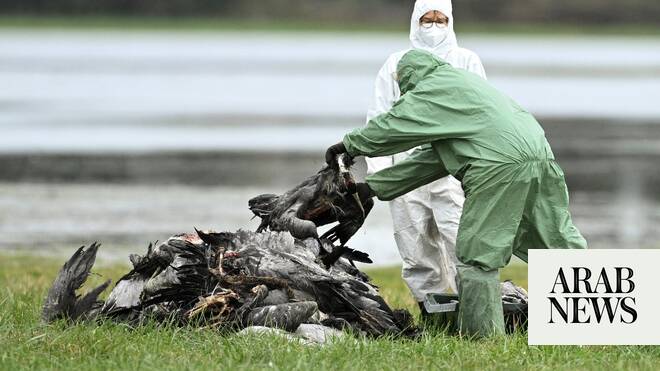
Outbreaks typically peak in autumn as migratory birds head south, but this season saw earlier cases, killing many wild birds, mainly common cranes along the German, French, and Spanish routes as well as a large number of waterfowl.
Between September 6 and November 28, 2,896 highly pathogenic avian influenza H5 virus detections — mostly H5N1 — were reported in domestic birds in 29 countries in Europe, with 442 in poultry and 2,454 in wild birds, EFSA said in a report.
“We are currently seeing an unprecedented sharp increase in the highly pathogenic avian influenza virus detections, mostly in wild birds,” Lisa Kohnle, scientific officer at EFSA, told Reuters.