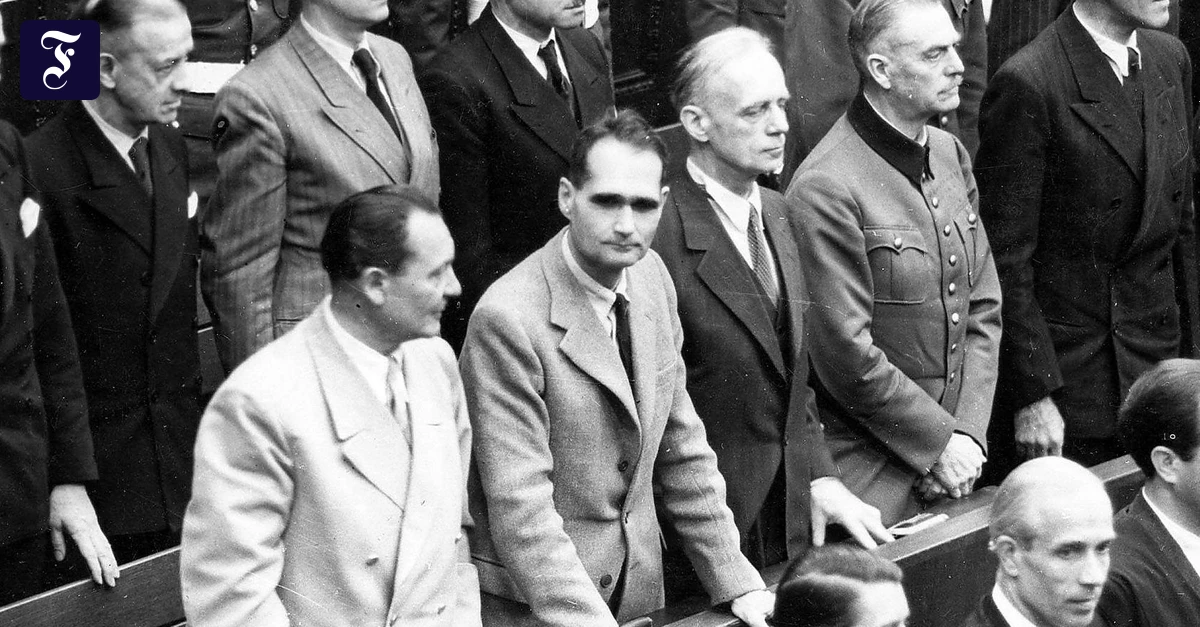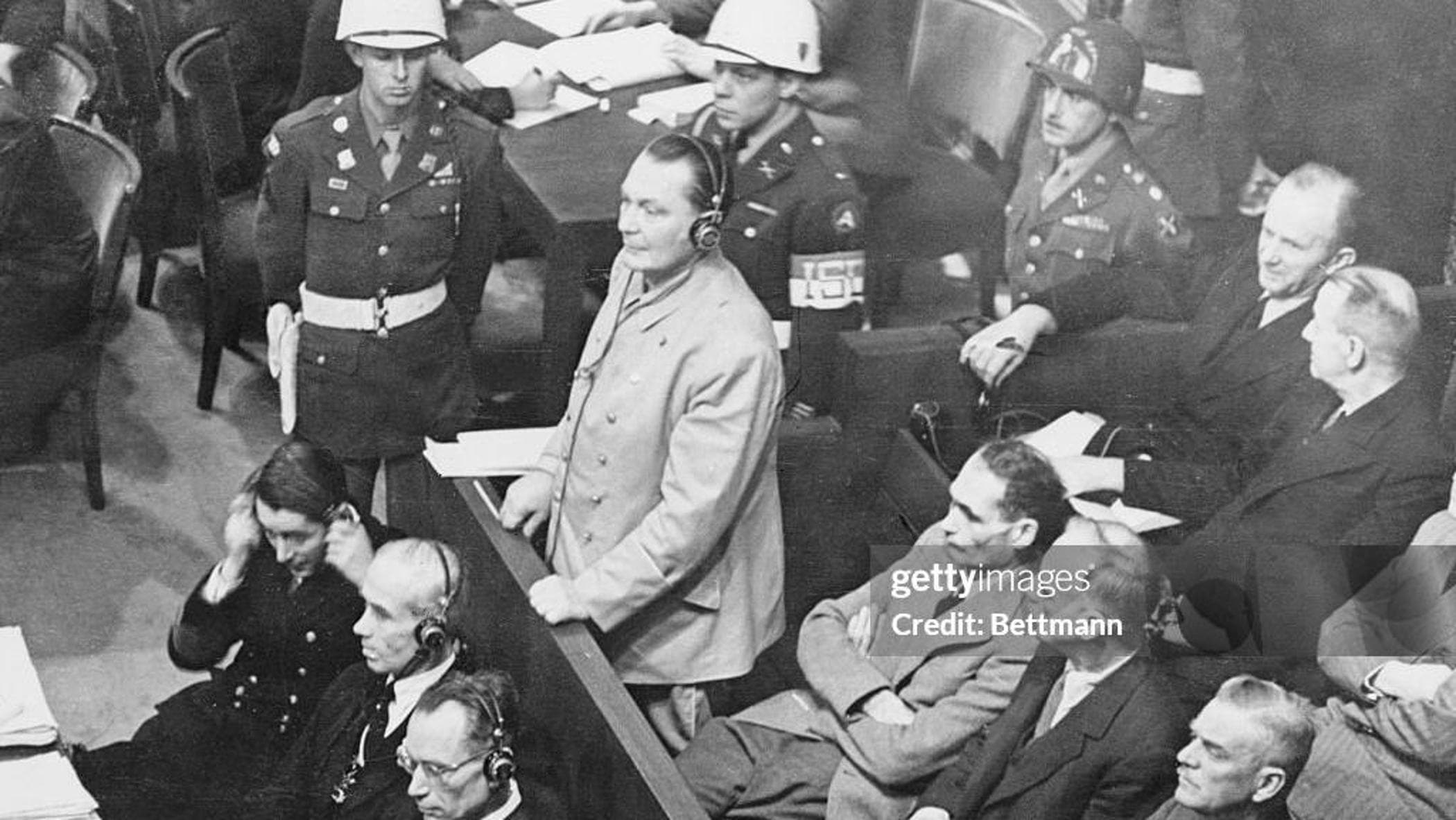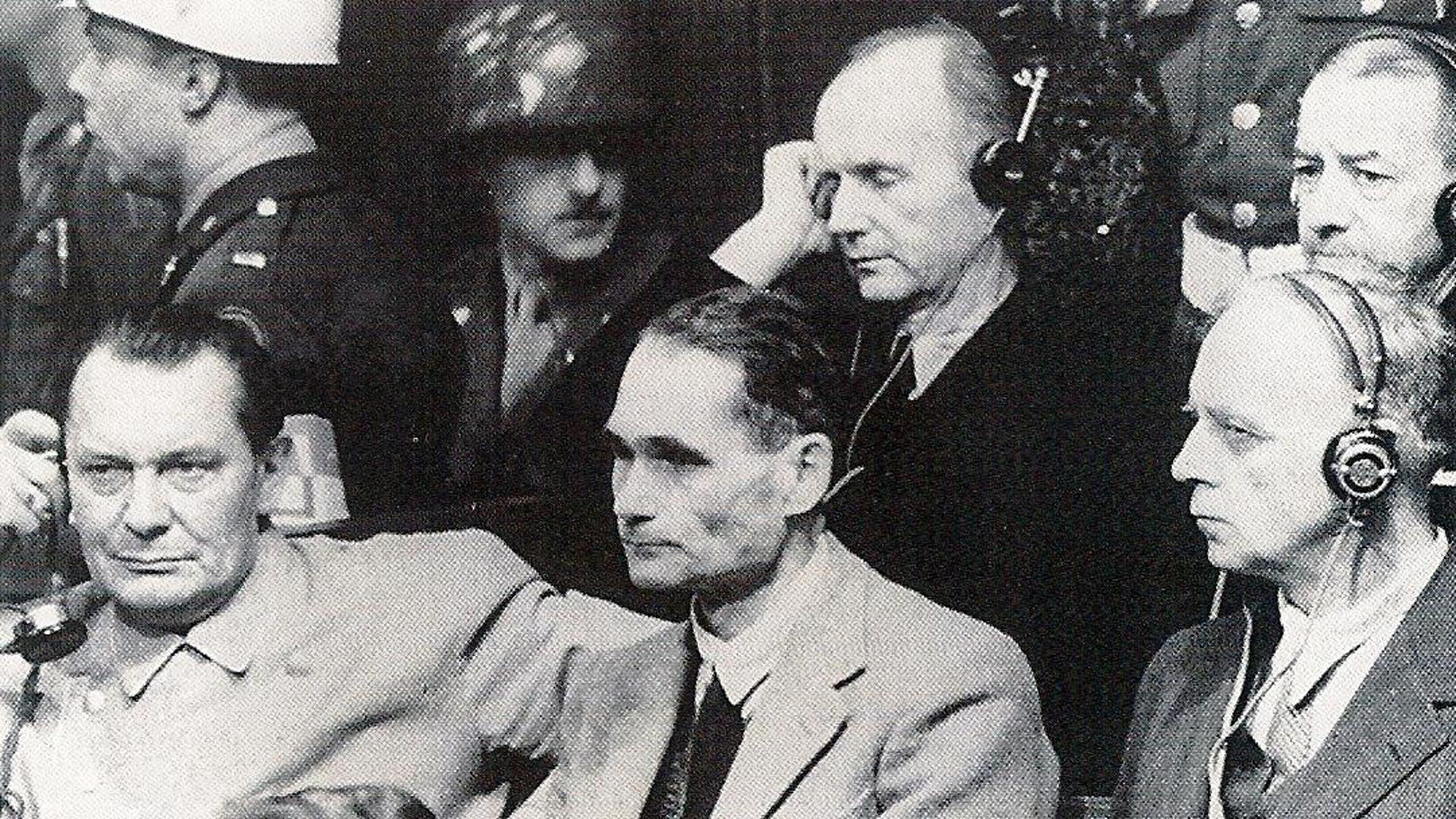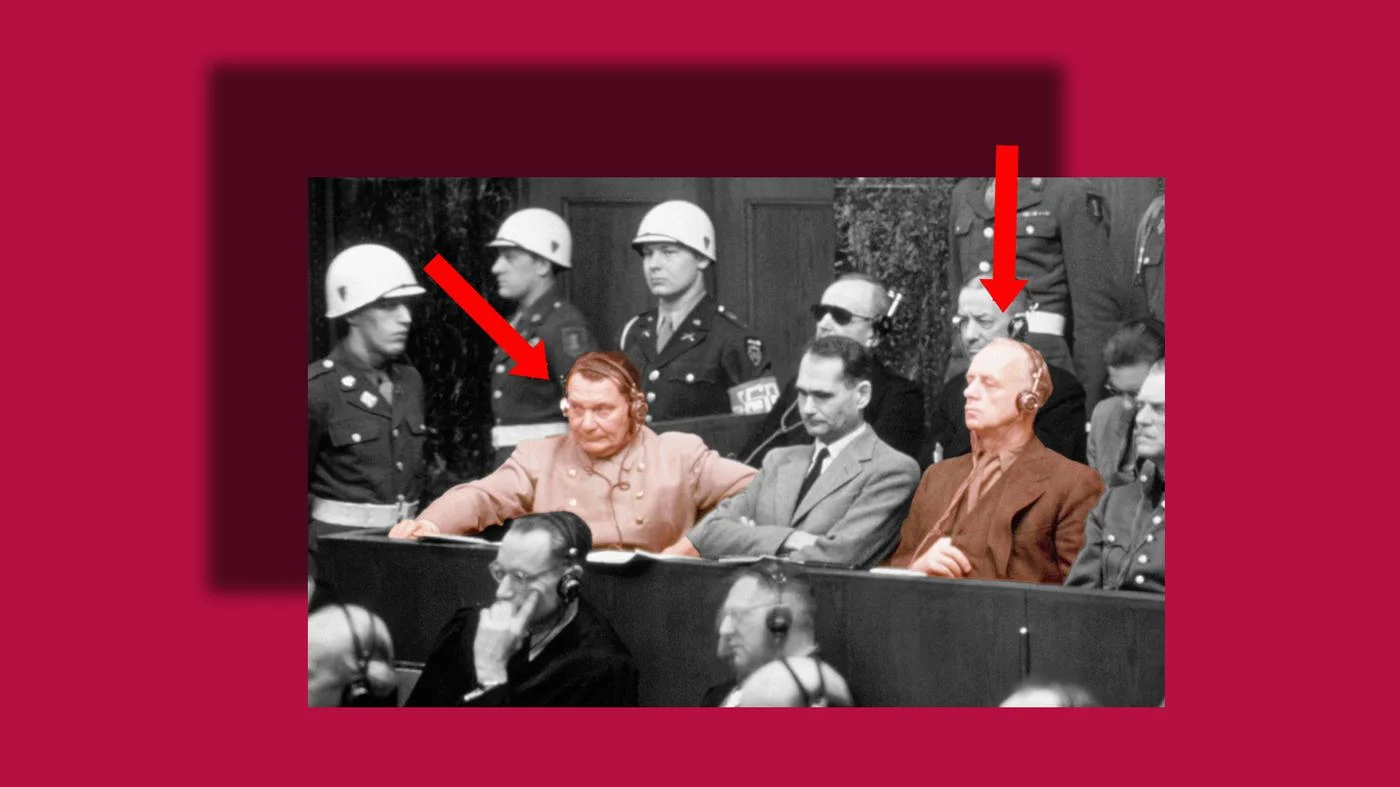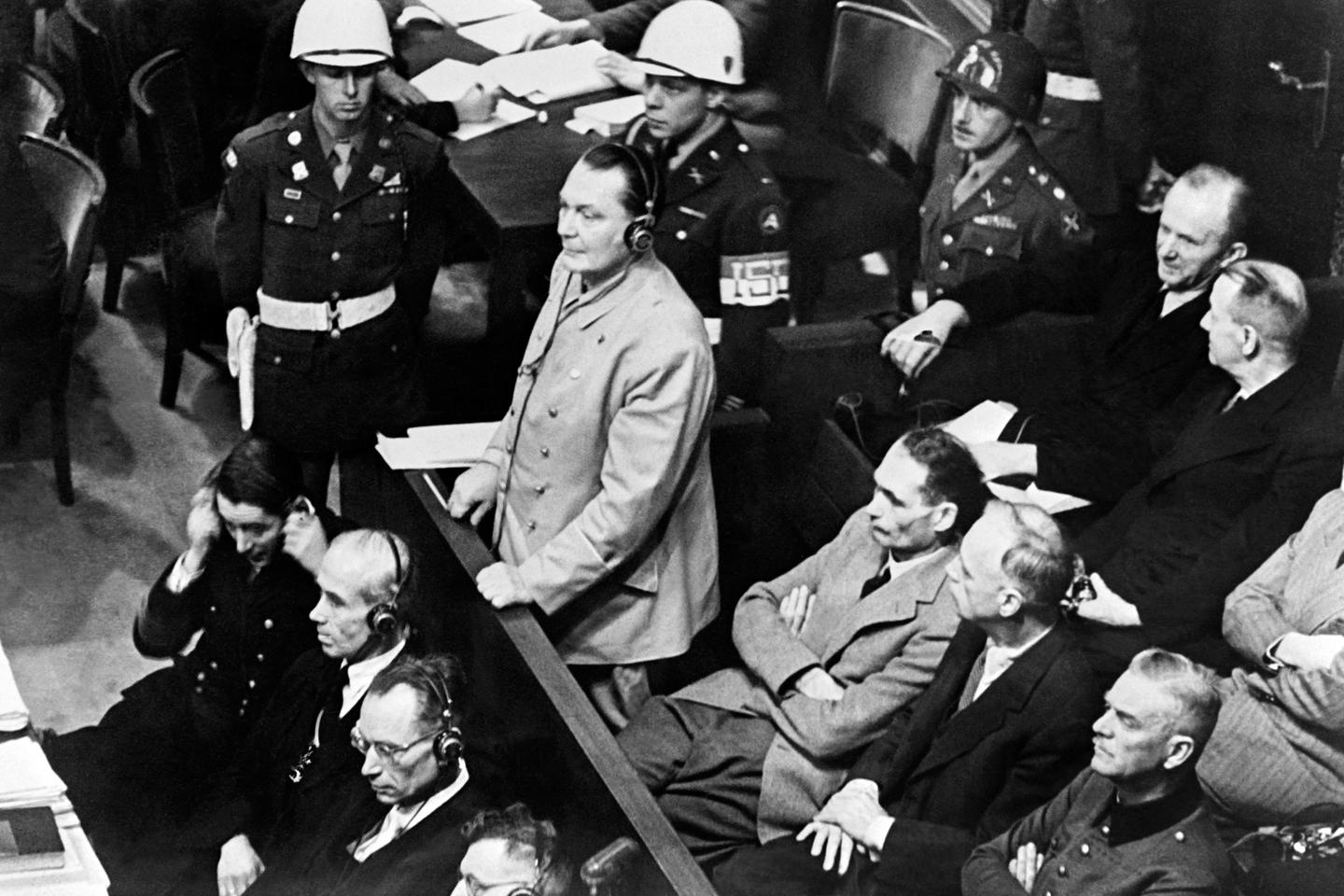
Nazi officials Hermann Göring (standing), Rudolf Hess, Joachim von Ribbentrop and Wilhelm Keitel at the Nuremberg trials (Germany) in 1946. STRINGER / AFP
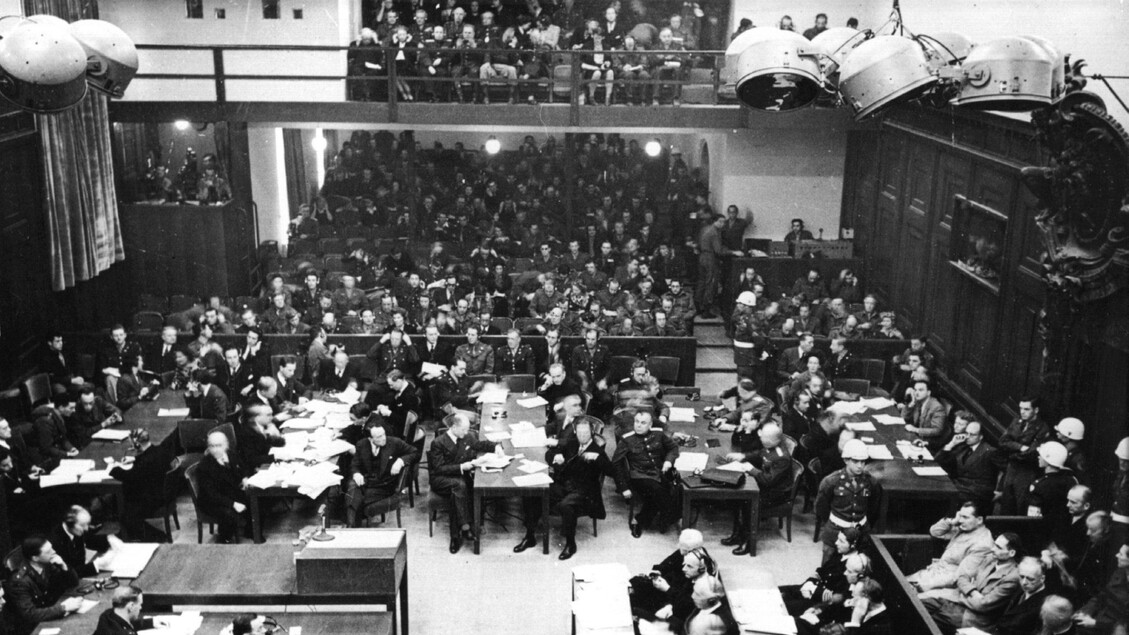
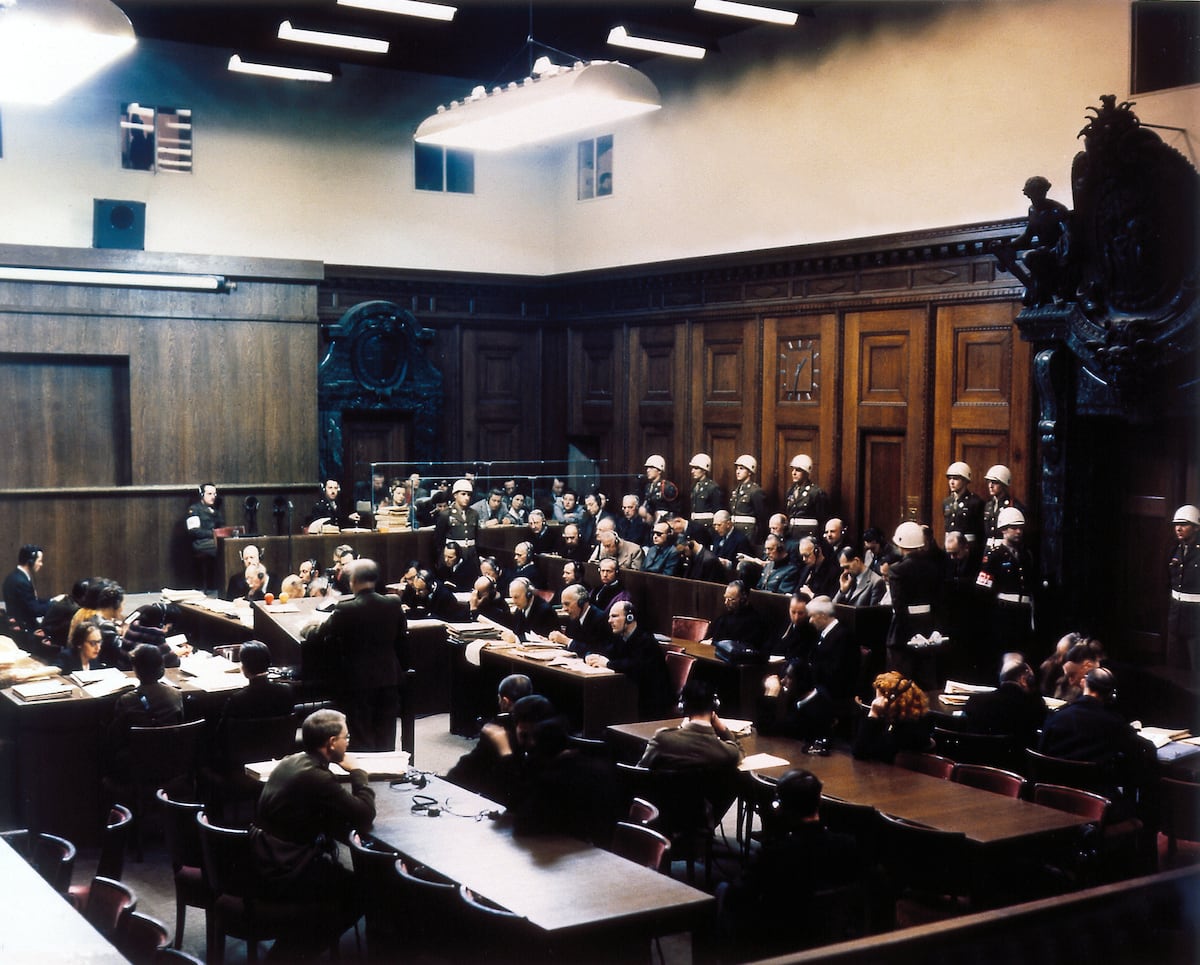
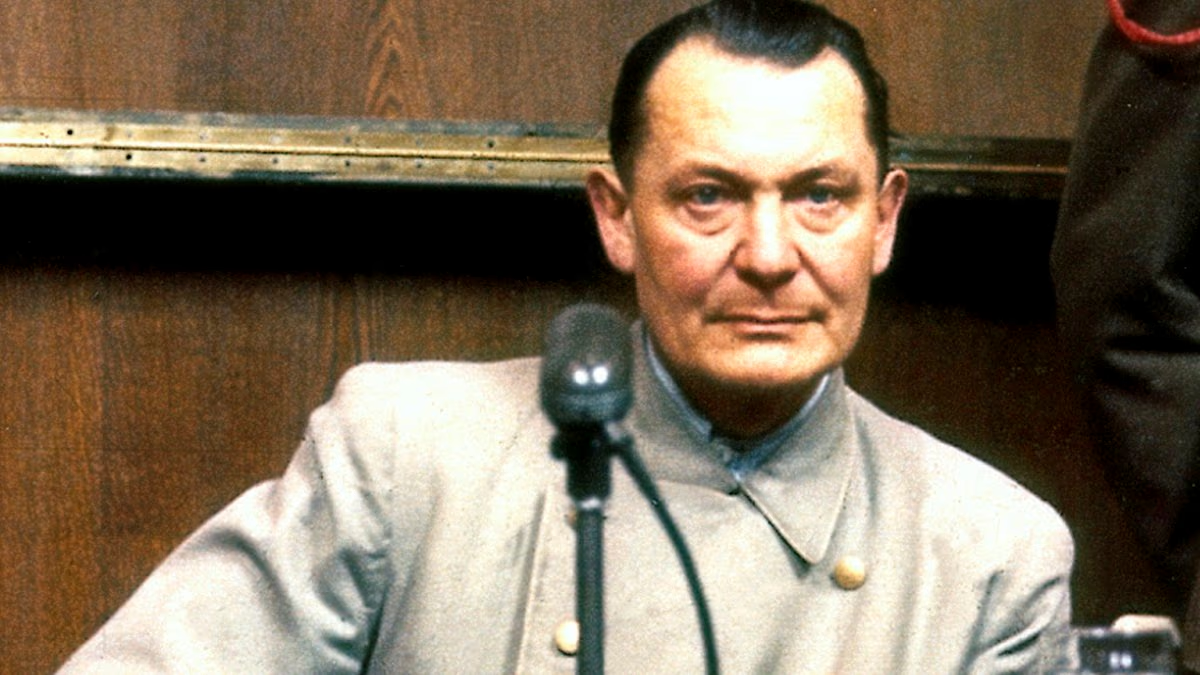
Twenty-one men sat in the dock on November 20, 1945. In Nuremberg, the Bavarian city that had become a symbol of Nazism and was now under American control, the trials of a handful of dignitaries from the Third Reich began. Among them were Hermann Göring, the founder of the Gestapo and the highest-ranking Nazi still alive, and Joachim von Ribbentrop, the regime's foreign minister. By the end of the proceedings, in October 1946, 12 men were sentenced to death.
Eighty years on, historian Sylvie Lindeperg, author of Nuremberg, la Bataille des Images ("Nuremberg, The Battle of Images," 2021), describes the origins, the proceedings and the legacy of this "founding" trial for international justice, while noting that "the word 'genocide' was almost never spoken in the courtroom."
Subscribers only
'How can the US justify sanctioning ICC judges for their judicial activity?'