In a collaborative effort, scientists from Indian Institute of Science (IISc), the ICMR–National Institute for Research in Reproductive and Child Health (NIRRCH), Mumbai, and Banaras Hindu University (BHU), Varanasi, have identified the fundamental genetic switch that enables pregnancy to begin.
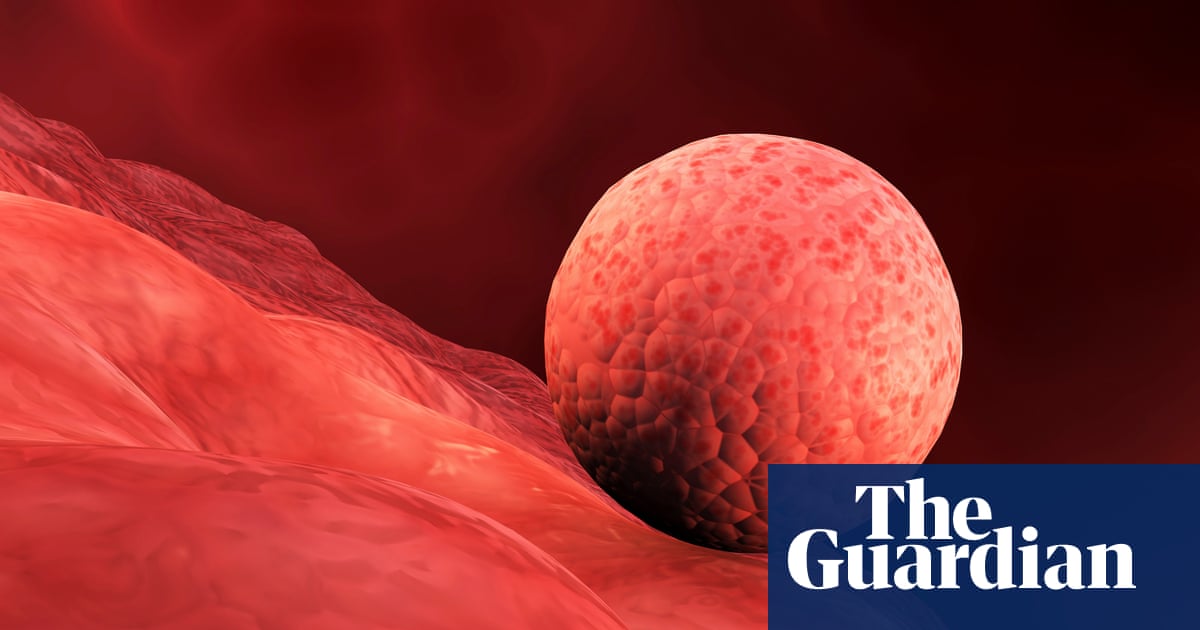
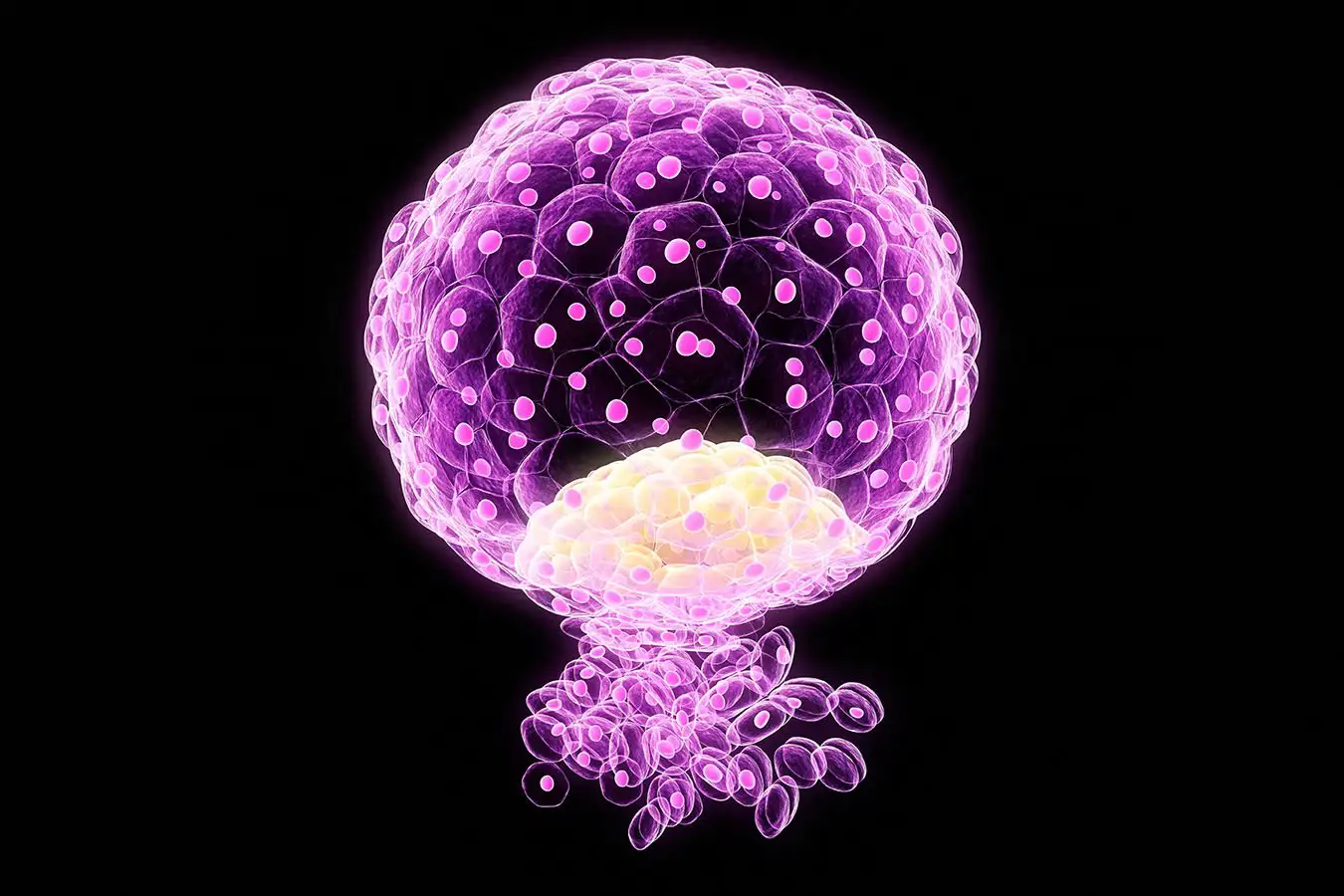
According to the IISc, for a pregnancy to begin, the embryo must first attach and embed itself into the lining of the uterus – a process called implantation.
“Failure of implantation is one of the leading causes of infertility and early pregnancy loss and IVF failures. Yet, the molecular mechanisms that allow the uterus to become receptive have remained poorly understood,” the IISc said.
Now, scientists have identified a fundamental genetic switch that allows the uterine lining to acquire a state that supports embryo implantation.
Published in Cell Death Discovery, the study shows that two key genes HOXA10 and TWIST2 work in opposition to regulate this transition.