Studying chemical chatter as tiny balls of cells embed could shine a light on early pregnancy and glitches that lead to miscarriage
Researchers have created the lining of a womb in a dish, which promises to shed light on the mysterious early stages of human pregnancy and the glitches that can lead to miscarriage and medical complications.
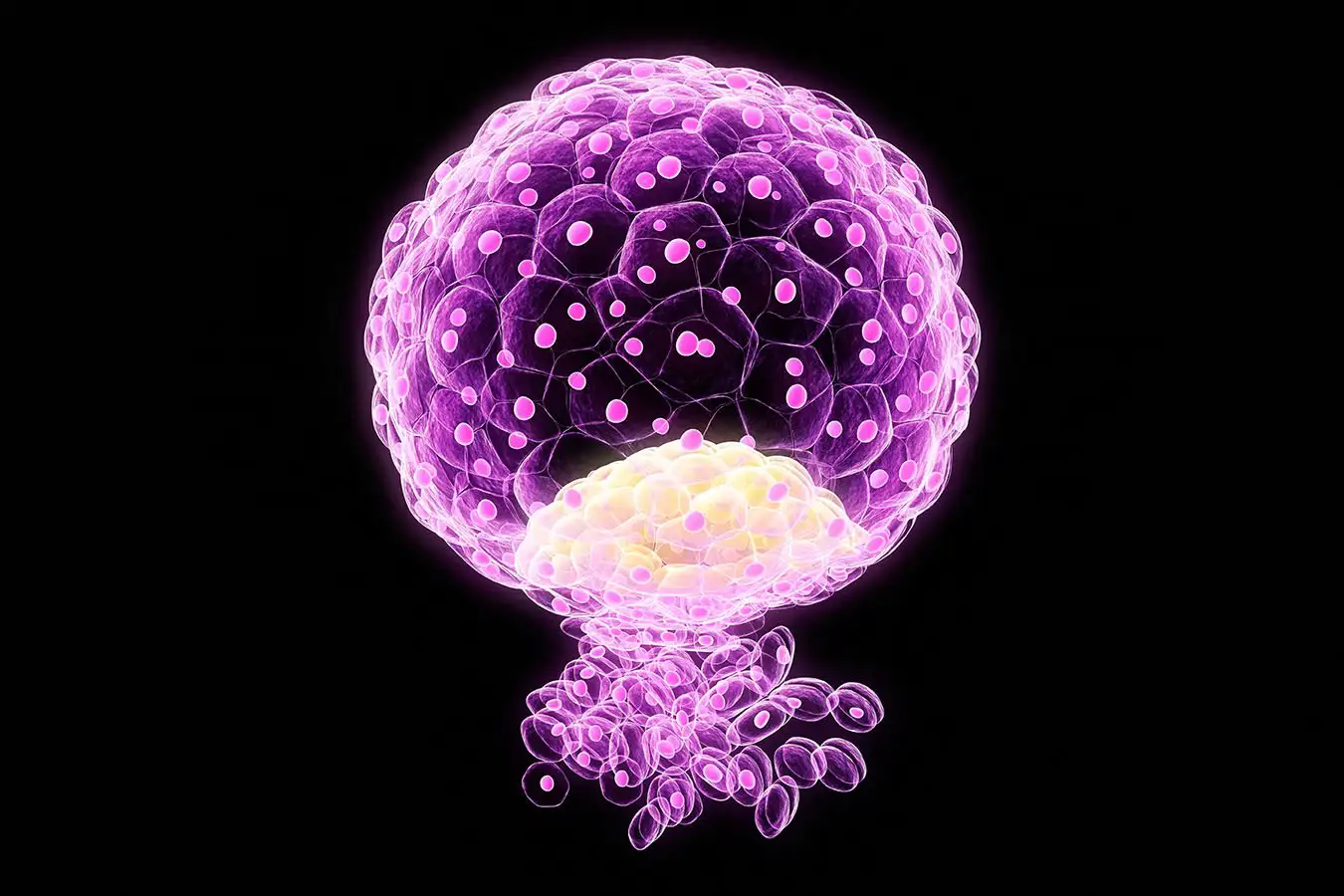
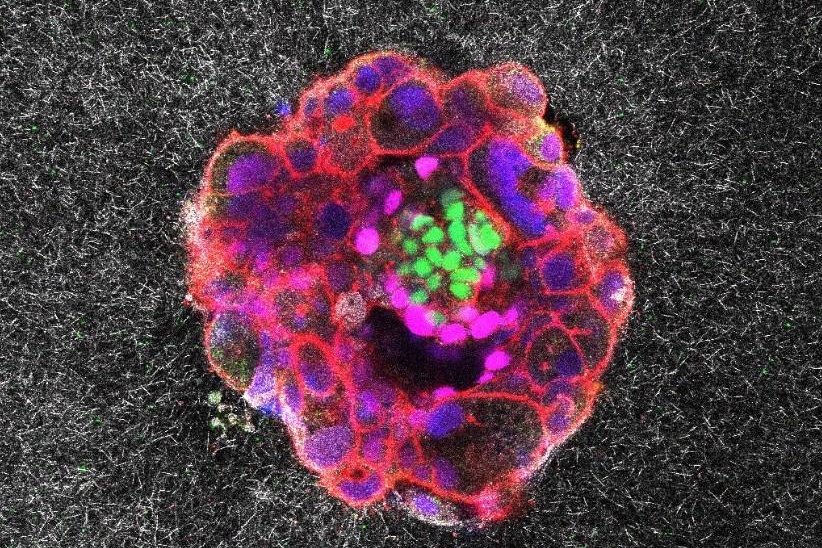
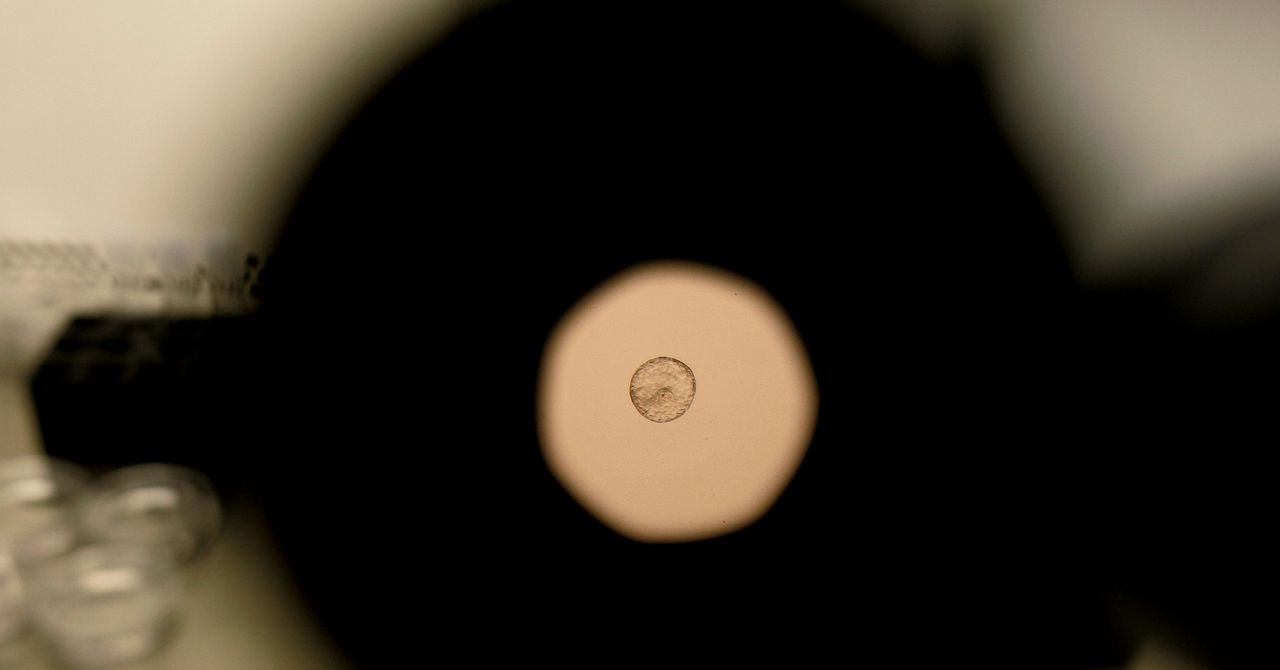
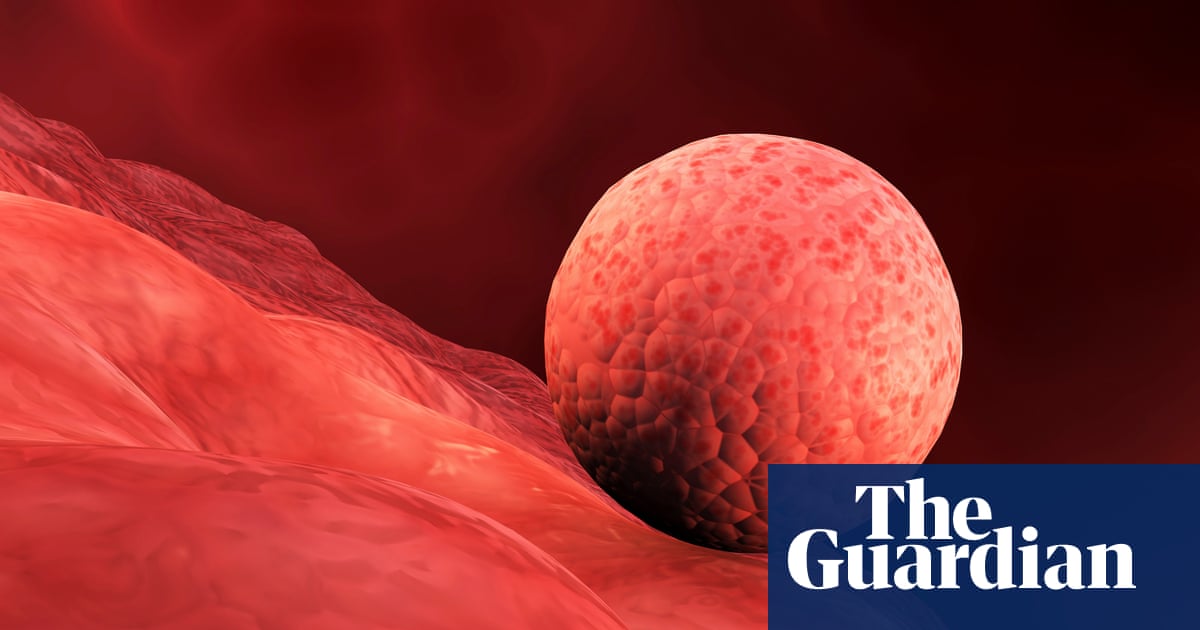
In laboratory experiments, early-stage human embryos donated from couples after IVF treatment successfully implanted into the engineered lining and began to churn out key compounds, such as the hormone that results in a blue line on positive pregnancy tests.
The approach allowed scientists to eavesdrop on the chemical chatter that arises between the embryo and the womb lining as it embeds and begins to be nourished in the first weeks of gestation.
“It’s incredible to see it,” said Dr Peter Rugg-Gunn, a senior author on the study and group leader at the Babraham Institute in Cambridge. “Previously we’ve only had snapshots of this critical stage of pregnancy. This opens up a lot of new directions for us.”